Reviewed · TOKYO FOOD TOURS
Dive into Tsukiji Fish Market Walking Friendly Food Tour
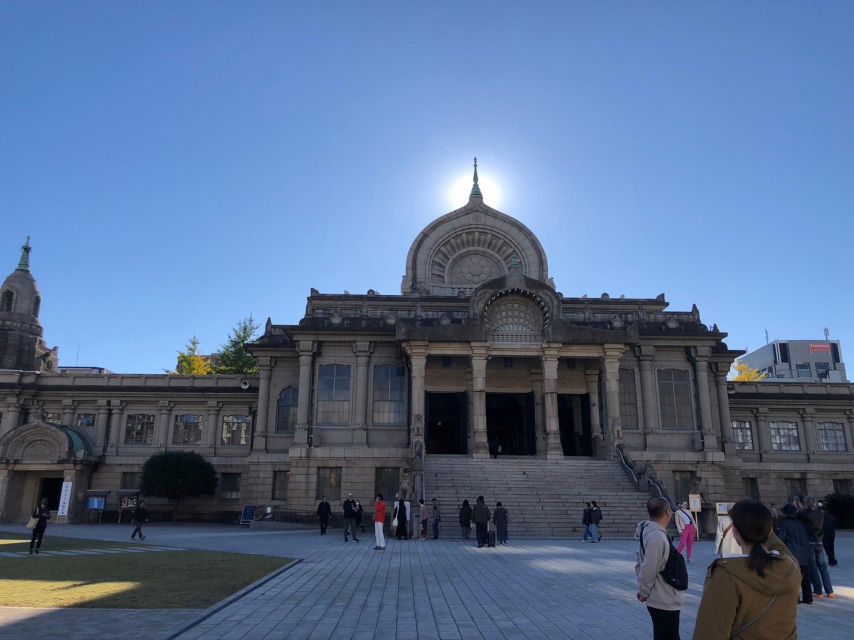
Tsukiji is where Tokyo’s food culture becomes easy to see, smell, and taste. On this four-hour walk, you move from the striking Tsukiji Hongwanji Temple into a market lined with about 400 shops, then finish with seafood, sweets, and local history along the waterfront.
In This Article
- Key points at a glance
- Why Tsukiji works so well for a food tour
- Meeting at Tsukiji Hongwanji Temple
- Inside Tsukiji Hongwanji for 30 minutes
- Walking through the 400-shop outer market
- A seafood tasting that works as a meal
- Kachidoki Bridge and the waterfront connection
- Namiyoke Inari Jinja and the return to Honganji
- What the guides add to the experience
- Is $173 a fair price?
- Who should book this Tsukiji walk?
- Booking details worth knowing
- Should you book this Tsukiji food tour?
- FAQ
- Where does the tour meet?
- How long does the tour last?
- How many people are in the group?
- Which languages are available?
- What food is included?
- Is alcohol included?
- Can I cancel for a refund?
I like the small group of no more than 10 people, which gives your guide room to explain unfamiliar foods and adjust the pace. I also like the useful mix of eating and sightseeing: you get sushi, grilled tuna and salmon, oysters, sashimi, tamagoyaki, and desserts, but you also visit Kachidoki Bridge and Namiyoke Inari Jinja.
The main consideration is the price, $173 per person. That is a serious meal budget, so this tour makes the most sense if you want a guided introduction, several tastings, and cultural context rather than simply browsing the market on your own.
Key points at a glance
- Start beside Tsukiji Hongwanji Temple: The meeting point is only about 50 meters from Tsukiji Station’s Hibiya Line Exit A1.
- Taste a full seafood spread: Included food features sushi, fresh sashimi, grilled tuna and salmon, grilled oysters, tamagoyaki, snacks, and desserts.
- Explore the outer market: You’ll walk among roughly 400 shops selling seafood, fresh foods, and kitchen utensils.
- Keep the group personal: The tour is limited to 10 participants and is led in English or Japanese.
- Add Tokyo history to the meal: Kachidoki Bridge, Namiyoke Inari Jinja, and the temple give the food a wider setting.
- Meet guides who can adapt: Amber was praised for working thoughtfully with a teenage guest, while Akira was noted for explaining the meaning behind what the group saw.
Why Tsukiji works so well for a food tour
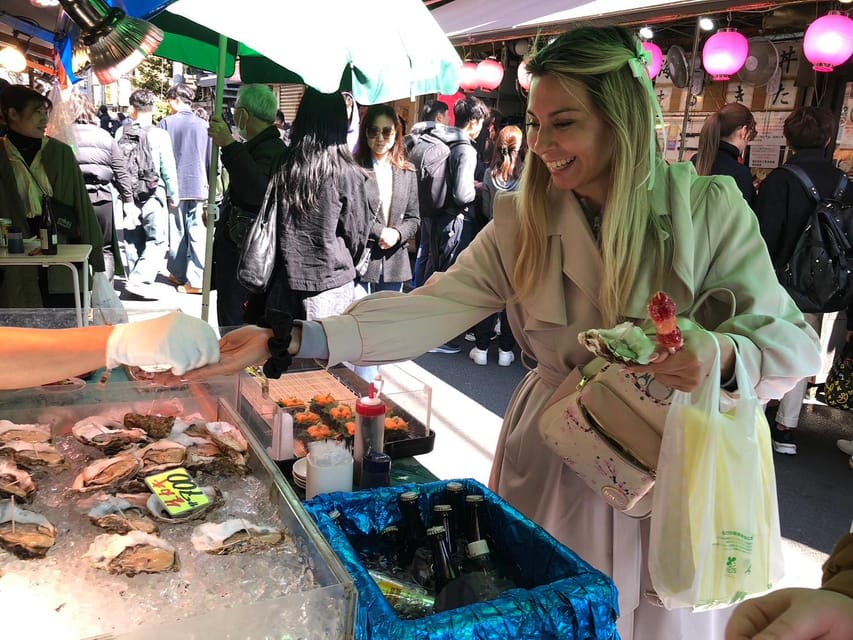
Tsukiji is more than a place to grab sushi. The outer market is a working part of central Tokyo, with about 400 shops packed along its streets. You’ll find seafood, other fresh foods, and kitchen tools, giving you a quick lesson in how Japanese cooking begins before anything reaches a restaurant.
The market is also a good place to connect food with Tokyo’s past. The area has long been tied to the city’s seafood trade, and the nearby temple, shrine, bridge, and market lanes give your guide several ways to explain local customs and daily life.
I like that the tour does not treat the market as a simple parade of food samples. You also see major local sights, and the guide’s role is important here. Akira, one of the named guides associated with recent bookings, was especially praised for explaining the meaning and context of what the group encountered. That kind of help matters when you are looking at foods, tools, and religious buildings that may otherwise pass in a blur.
A few more Tokyo tours and experiences worth a look
Meeting at Tsukiji Hongwanji Temple
The tour begins in front of Tsukiji Hongwanji Temple, making the starting point fairly easy to reach. From Tsukiji Station on the Hibiya Line, take Exit A1, turn left, and walk about 50 meters to the temple entrance.
The temple is not just a place to gather. You spend about 30 minutes on a guided visit, so it gives the tour a calm start before you enter the market streets. Its architecture and religious role also provide useful contrast with the food stalls and shopping lanes that follow.
You should allow enough time to reach the meeting point without rushing. The directions are simple, but central Tokyo stations can be busy and confusing if you are carrying luggage or arriving during a tight connection.
Inside Tsukiji Hongwanji for 30 minutes
The temple stop gives you a chance to see Tsukiji through more than its seafood. Your guide can connect the site to the neighborhood and explain what you are seeing before the tour turns toward the market.
This is a good opening for anyone who wants cultural background with lunch. The visit is guided, not just a quick photo stop, and the temple sits directly beside the market area. You will not spend much of the four hours traveling between unrelated parts of Tokyo.
The drawback is simple: if your only goal is eating, half an hour at a temple may feel like time taken away from the food. I think the stop earns its place because it makes the tour feel like a neighborhood walk instead of a restaurant crawl.
Walking through the 400-shop outer market
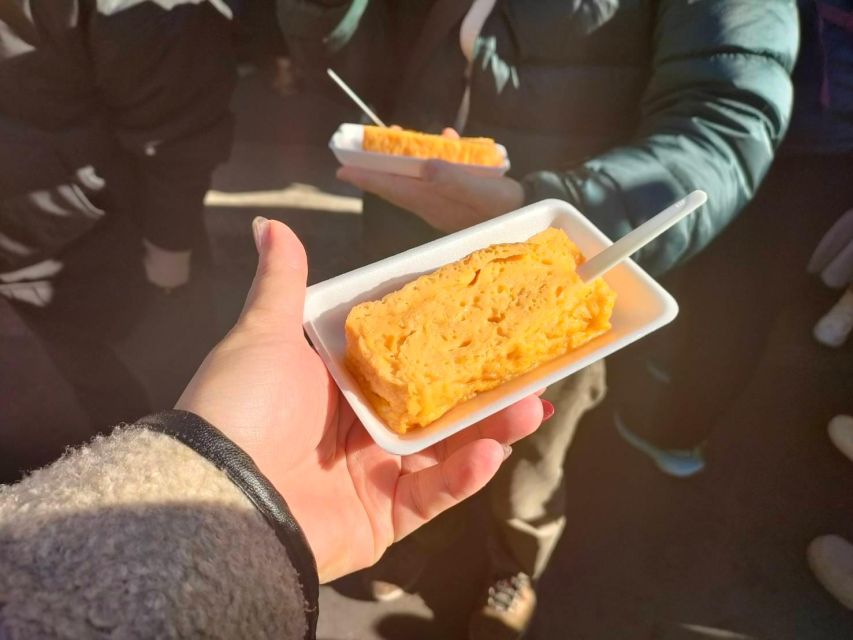
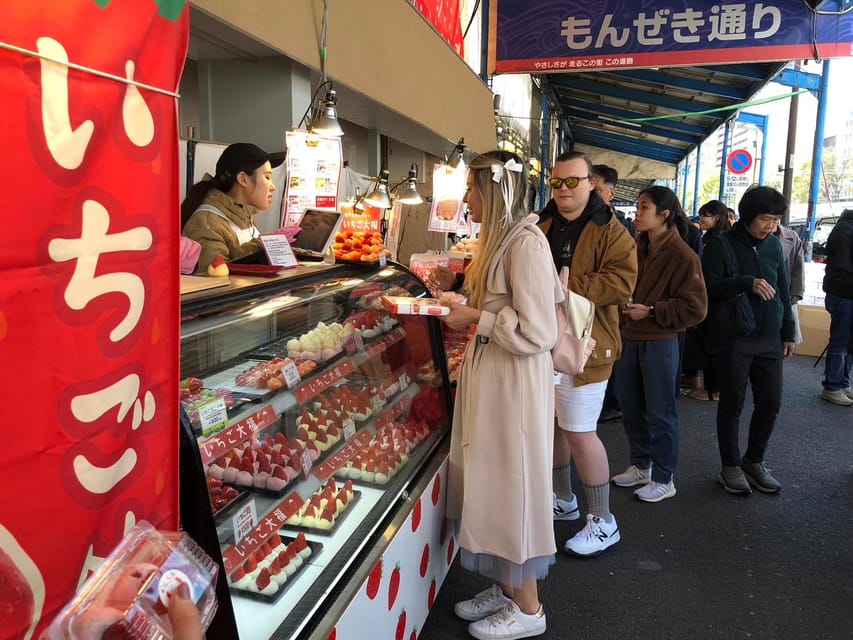
The outer market is the heart of the experience. For roughly an hour in total, you have guided sightseeing and time for shopping among shops selling seafood, fresh foods, and kitchen utensils.
The first 30-minute section focuses on a guided look at the market. This is when your guide can help you understand what the shops sell and how the market fits Japanese cooking. The next 30 minutes allow more time for shopping and browsing.
That split should suit you if you want both direction and freedom. A guide can point out useful details, while the shopping portion lets you pause at products that catch your eye. You may find seafood you recognize, unfamiliar ingredients, cooking tools, and small items that are easier to appreciate once someone explains their use.
Keep in mind that this is a real market setting, not a quiet museum. The streets can feel crowded, and stalls may be close together. Stay aware of other shoppers, keep your belongings secure, and follow the guide’s advice about where to stop.
The market is also where the small group matters most. With a maximum of 10 participants, your guide has a better chance of keeping everyone together and answering questions without making you shout across a large crowd.
A seafood tasting that works as a meal
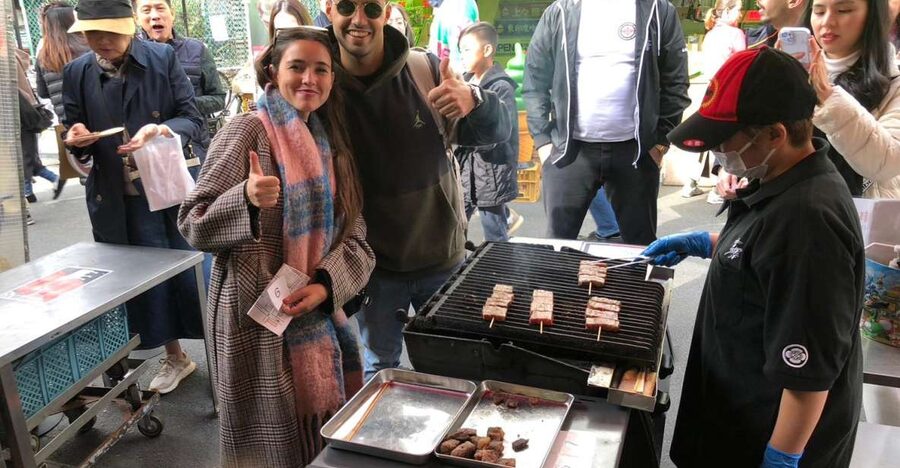
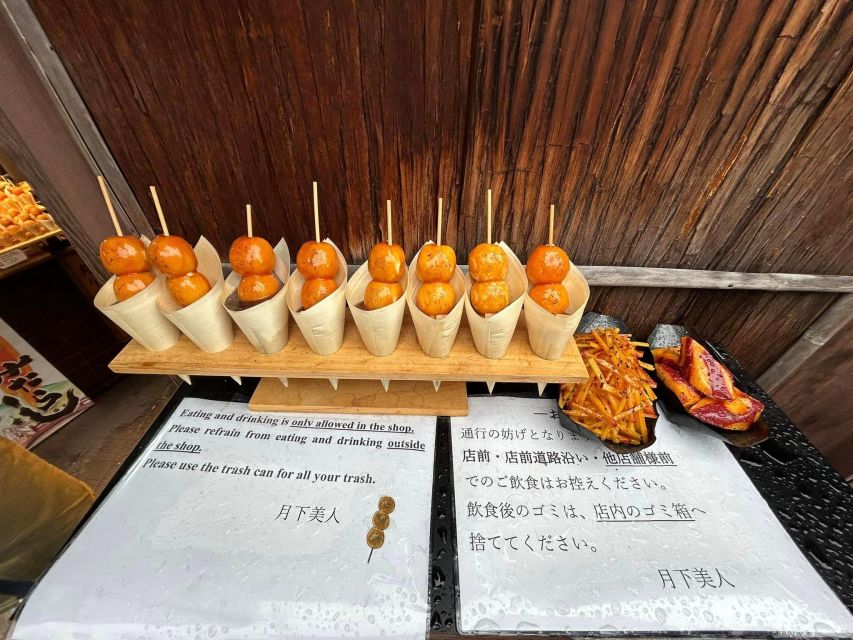
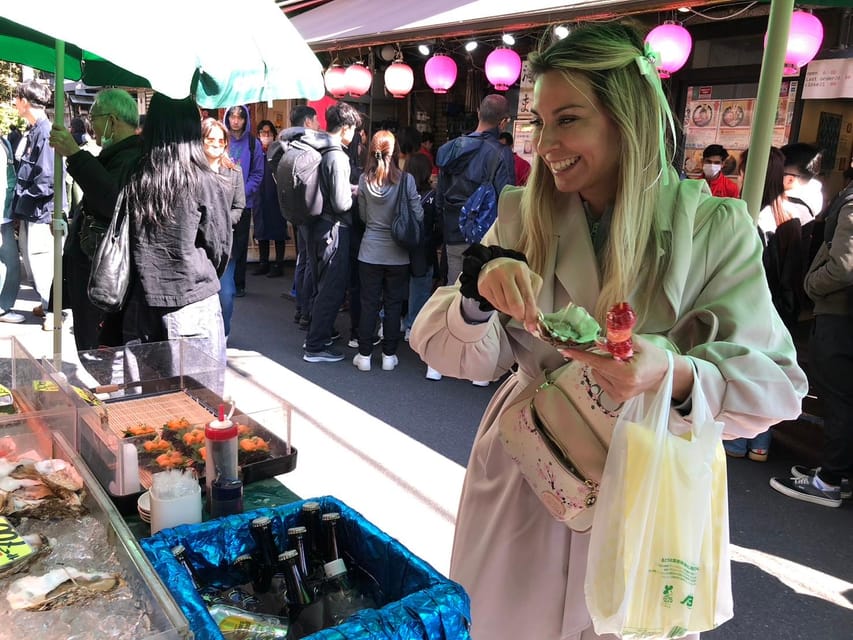
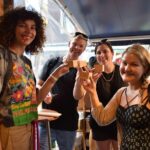
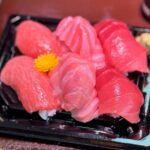
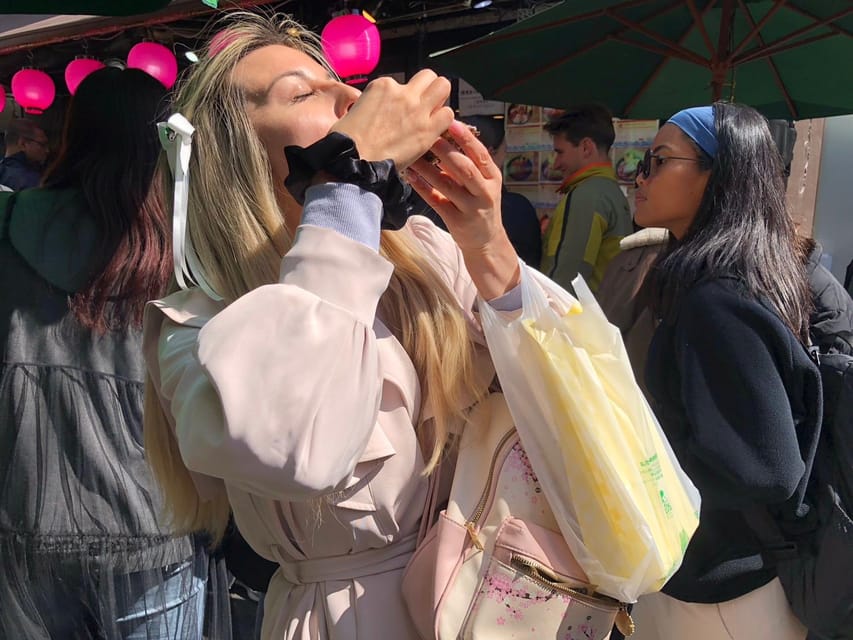
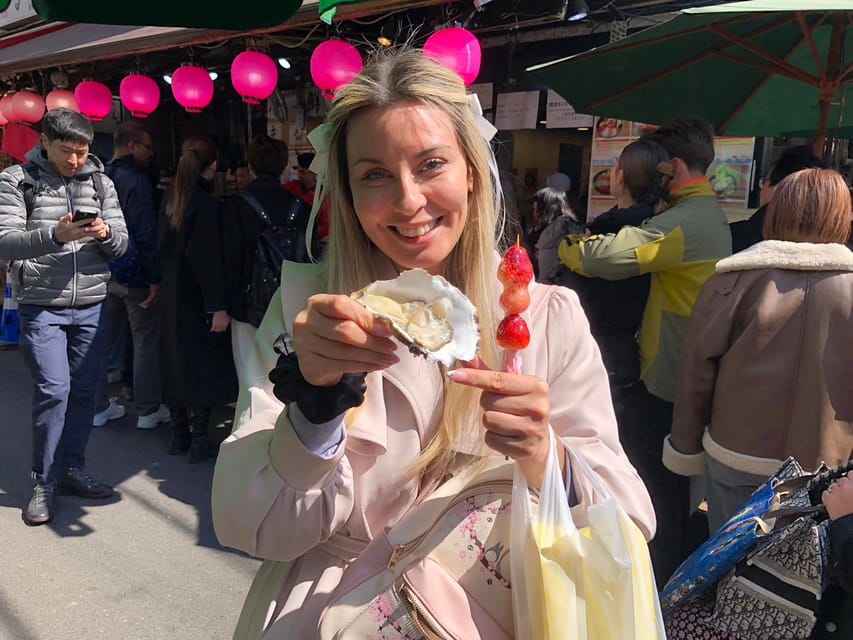
Food is the main reason to book this tour, and the included spread is broad. You receive sushi, fresh sashimi, grilled tuna and salmon, grilled oysters, tamagoyaki, desserts, snacks, two soft drinks, and water.
That variety lets you compare several styles of Japanese food in one sitting. Sashimi shows the clean taste and texture of fresh fish. Grilled tuna and salmon offer a warmer, more familiar flavor. Grilled oysters bring another texture, while tamagoyaki adds a sweet and savory egg dish to the seafood-heavy menu.
The food also gives the guide natural teaching moments. You can ask about preparation, ingredients, and how different dishes fit into Japanese meals. Akira’s ability to add context was singled out as a major strength, and that is the difference between eating several samples and understanding why they matter.
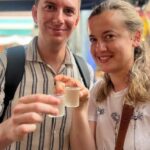
Desserts and snacks round out the meal, so you are not left with only seafood. Two soft drinks and water are included. Alcohol is not included, but you can buy alcoholic drinks separately if you want one with the meal.
Because the exact serving sizes and restaurant locations are not specified, I would not book this expecting a formal multi-course restaurant dinner. Think of it as a guided market meal made up of several tastings. The value lies in the variety, guidance, and access to the market setting.
A few more Tokyo tours and experiences worth a look


Kachidoki Bridge and the waterfront connection
The walk continues to Kachidoki Bridge, with about 30 minutes of guided sightseeing. This changes the view from narrow market lanes to a broader piece of Tokyo’s waterfront.
The bridge helps place Tsukiji within the city. You have been looking at seafood as a product, then you get a chance to see the wider setting where the neighborhood connects with Tokyo’s water routes and central districts.
This stop also gives the group a pause from eating and shopping. If you enjoy photos, city views, or learning how different parts of Tokyo fit together, the bridge adds welcome variety. If you prefer an entirely food-focused tour, it may feel less essential than the market sections.
Namiyoke Inari Jinja and the return to Honganji
Namiyoke Inari Jinja is the final major sightseeing stop, with about 30 minutes of guided time. Like the temple, it adds a religious and cultural layer to a tour that could otherwise focus only on food.
The shrine is especially useful in the context of Tsukiji. Your guide can explain why a neighborhood market has religious sites nearby and how they relate to the people who work in the area. You finish back at Honganji Temple, completing a compact route rather than ending far from where you began.
The return to the starting point is practical. You can continue exploring Tsukiji afterward, return to Tsukiji Station, or make your way to another part of Tokyo without having to work out where the tour ended.
What the guides add to the experience
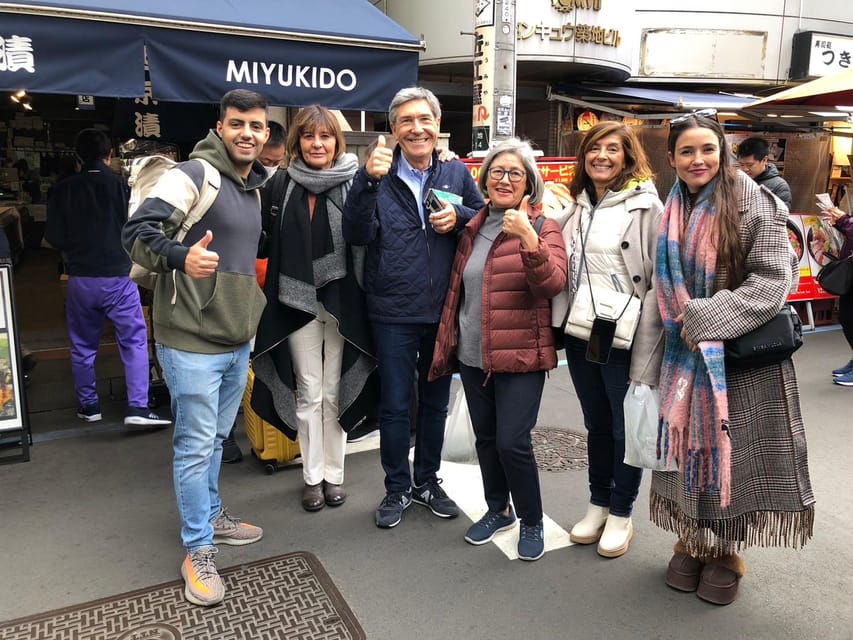
The guide can make or break a market tour, and the strongest evidence here points to thoughtful, flexible hosting. Amber was praised for being considerate and adaptable with a teenage participant. That detail matters if you are traveling with children or older teens who may not share your enthusiasm for every fish stall.
Akira was praised for two things: the food and the explanations. You can expect a guide who does more than point at a dish and name it. The experience is designed to give you context about what you are eating and seeing.
Guides work in English or Japanese. Since the group is limited to 10, you should have a better chance to ask questions than on a large coach-style food tour. Still, guide assignments can vary, so Amber and Akira should be viewed as examples of the hosting style rather than a promise that one specific person will lead your departure.
Is $173 a fair price?
At $173 per person, this is not a budget way to visit Tsukiji. You can enter the market without paying for a tour, browse the shops, and choose your own food.
The tour earns its higher price by combining several services in one four-hour outing:
- A professional guide for the full walk
- A group limited to 10 participants
- Several seafood and Japanese food tastings
- Desserts, snacks, two soft drinks, and water
- Guided visits to the temple, bridge, shrine, and market
- English or Japanese commentary
I see the value most clearly for a first visit to Tokyo, especially if you want to try seafood but do not know which foods to choose. It is also useful if you want someone to explain the market instead of simply sending you into the lanes alone.
The value is weaker for experienced Tokyo visitors who already know Tsukiji and are comfortable choosing their own stalls. Those travelers may prefer to spend $173 across several independent meals and shopping stops.
Who should book this Tsukiji walk?
I would recommend it to first-time visitors who want a structured introduction to Japanese food culture. It suits couples, small friend groups, solo visitors, and families with older children or teenagers who can manage four hours of walking and food stops.
The tour is also a good match for people who want seafood but need help with the choices. You get several familiar options, such as salmon and sushi, alongside foods that may be less familiar, such as fresh sashimi and grilled oysters.
You should think twice if you dislike seafood, want a private tour, or prefer to explore at your own pace. The group is small, but it is still a shared tour, and the route includes sightseeing beyond the market.
There is no stated accessibility information, so you should confirm details directly if walking conditions are important to your booking. The experience lasts four hours and includes several stops, so plan for a substantial amount of time on foot.
Booking details worth knowing
The activity offers free cancellation up to 24 hours before the start for a full refund. You can also reserve now and pay later, which is useful when you are arranging a Tokyo schedule before every detail is fixed.
Starting times vary, so you need to check availability for your date. Meet in front of Tsukiji Hongwanji Temple, near Tsukiji Station’s A1 exit.
Alcohol is available to purchase but is not part of the included package. English and Japanese are the available tour languages.
Should you book this Tsukiji food tour?
Book it if you want a guided first look at Tsukiji, with enough food to make the $173 price meaningful and enough sightseeing to explain the neighborhood. The combination of sushi, sashimi, grilled seafood, tamagoyaki, sweets, a temple, a shrine, and Kachidoki Bridge gives you a rounded four-hour visit.
Skip it if your main goal is the lowest-cost meal or independent market browsing. For everyone else, the small group and guide-led explanations are the strongest reasons to pay for it. If you are traveling with a teenager, Amber’s flexible approach is encouraging. If food context matters as much as food itself, Akira’s style is the quality to hope for.
FAQ
Where does the tour meet?
Meet in front of Tsukiji Hongwanji Temple. From Tsukiji Station on the Hibiya Line, take Exit A1, turn left, and walk about 50 meters to the temple entrance.
How long does the tour last?
The walking tour lasts four hours. Starting times depend on availability for your chosen date.
How many people are in the group?
The group is limited to a maximum of 10 participants.
Which languages are available?
The tour is available in English and Japanese.
What food is included?
Included food features sushi, fresh sashimi, grilled tuna and salmon, grilled oysters, tamagoyaki, desserts, and snacks. Two soft drinks and water are also included.
Is alcohol included?
No. Alcoholic drinks are not included, but they are available to purchase.
Can I cancel for a refund?
Yes. You can cancel up to 24 hours in advance for a full refund. You can also reserve now and pay later.
More Walking Tours in Tokyo
More Tokyo Food Tours in Tokyo
More Tsukiji Market Tours in Tokyo
More tours in Tokyo we've reviewed












Tokyo Food Tours, compared.
 ★ 5.0Tokyo: Shinjuku Food Tour (13 Dishes at 4 Local Eateries)From $86
 ★ 4.9Tokyo: Shinjuku Food Tour (13 Dishes and 4 Eateries)From $97
 ★ 5.0Tokyo Night Foodie Tour in Shinjuku – Seasonal Sushi, Wagyu BeefFrom $111
 ★ 5.0Eat and Drink Like a Local: Tokyo Ueno Food Tour-Taverns&RamenFrom $95
 ★ 5.0Tokyo: Shibuya Food Tour (13 dishes and 4 Eateries)From $77
Tokyo: Shinjuku Food Tour – 15 Dishes, 3 Drinks, 4 EateriesFrom $723 hours