Reviewed · SHINJUKU TOURS
Shinjuku Tokyo: Authentic Japanese Home-Style Culinary Class
Tokyo has plenty of food tours, but this 150-minute cooking class near Shinjuku gives you something more useful than a single meal: recipes and techniques you can repeat at home. You choose a menu, prepare several dishes, and eat the results together in a small kitchen setting.
In This Article
- Key points to know before you book
- What this Shinjuku cooking class actually offers
- Pick the menu that matches your appetite
- Menu A: Okonomiyaki and yakisoba
- Menu B: Gyoza and takoyaki
- Menu C: Rolled sushi and teriyaki
- Menu D: Traditional gozen set
- How the 150 minutes unfold
- The instructors make the difference
- Food allergies, vegetarian diets, and custom requests
- Is $88 a fair price?
- Timing, location, and small practical matters
- Who should book this class?
- Should you book the Wa No Kokoro cooking class?
- FAQ
- Where does the cooking class take place?
- How long does the activity last?
- What language is the class taught in?
- What menus can I choose from?
- Can I choose my menu after booking?
- Are vegetarian or vegan options available?
- Can the class accommodate food allergies?
- What is included in the price?
- Can I cancel the booking?
I like the central location and the chance to make familiar Japanese favorites rather than simply watch a chef work. I also like the warm, patient teaching style reported across the classes, with instructors such as Kana, Lulu, Kayo, Miyuki, and Chieko explaining ingredients, cooking methods, and cultural details in English. The main consideration is that the exact address arrives only after booking, and menu choice may be limited if another group joins the class.
Key points to know before you book
- Choose from four main menus: Make okonomiyaki and yakisoba, gyoza and takoyaki, rolled sushi and teriyaki, or a traditional gozen meal.
- Cook near Shinjuku: The studio is in or around central Shinjuku, though you receive the precise address after booking.
- Expect a full meal: Ingredients, tools, fees, taxes, and drinking water are included.
- Ask about dietary needs early: Vegetarian, vegan, allergy, and other food requests can be discussed in advance.
- English instruction: The class is taught in English, with clear guidance on techniques and ingredients.
- Plan for a generous lunch: Several people found the portions large enough to leave them full for much of the day.
What this Shinjuku cooking class actually offers
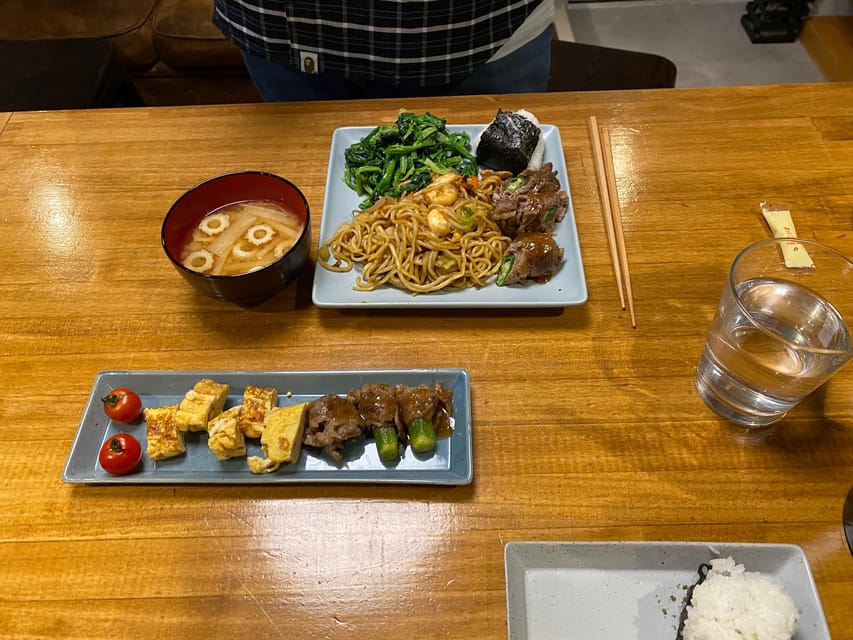
This is a practical Japanese home-cooking lesson, not a restaurant demonstration. You work through a selected menu with an instructor, then eat the food you prepared. The dishes are popular and recognizably Japanese, but the aim is to show you how they fit into ordinary home cooking.
The class lasts about two and a half hours. That gives you enough time to prepare several dishes without turning the session into a rushed race through a recipe sheet. You can ask about ingredients, cooking methods, plating, and substitutions as you go.
The setting is a kitchen studio in or around Shinjuku. That makes this easy to fit into a Tokyo itinerary, especially if you are staying in central Tokyo or already planning time around Shinjuku Station. Private transportation is not included, and the exact meeting address is sent after booking, so allow time to read the directions carefully.
One useful warning comes from a past address problem: a visitor found that the building entrance was not obvious and had to call the organizer, arriving about 15 minutes late. The operator handled other location changes well, including helping with a taxi in one case, but I would still save the contact message and avoid arriving at the last minute.
A few more Tokyo tours and experiences worth a look
Pick the menu that matches your appetite
If your group is the only booking on the day, you can generally choose among the available menus. If another group attends the same session, the menu may be set in advance or your choice may be restricted. The operator also allows requested menus to be discussed, so contact them early if you have a particular dish in mind.
Menu A: Okonomiyaki and yakisoba
This is a good choice if you want classic casual Japanese food and a lively cooking session. Okonomiyaki combines batter, chopped cabbage, and other ingredients on a teppan grill, then receives sauces and toppings. Yakisoba uses stir-fried noodles, vegetables, and usually seafood or pork in a sweet-savory sauce.
You get two substantial main dishes, plus side dishes. The menu also shows how Japanese home cooking can be filling without being elaborate. It suits first-time visitors who want foods they may already recognize from festivals, casual restaurants, or department-store food halls.
Menu B: Gyoza and takoyaki
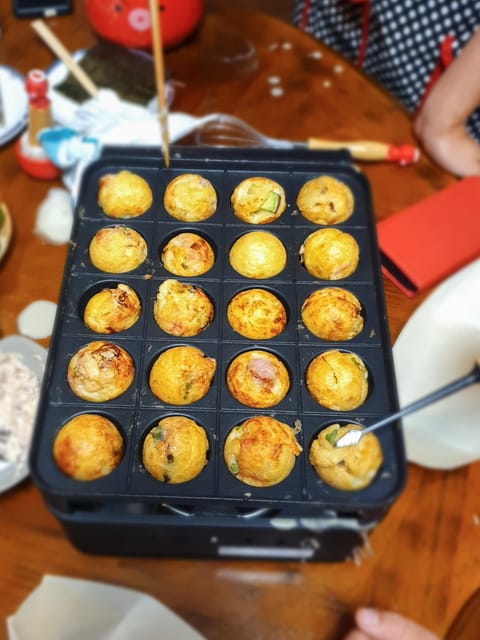
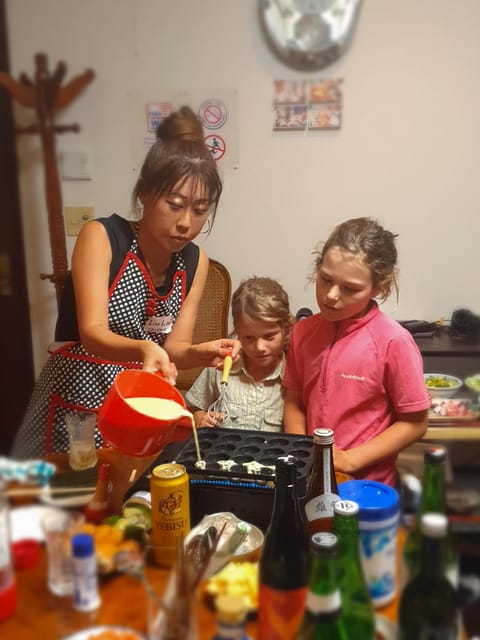
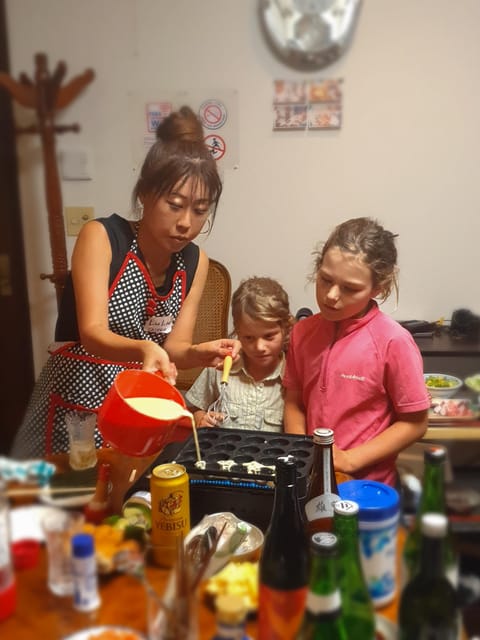
Choose this menu if you want the most hands-on, playful option. You prepare pan-fried gyoza with a crisp base, then make takoyaki, the round savory dumplings associated with Osaka and summer festivals.
Takoyaki can be especially fun for families and younger cooks because shaping the dumplings takes active participation. The menu is less like assembling a quiet set meal and more like learning two well-known Japanese comfort foods with different cooking techniques.
Side dishes complete the meal. Vegetarian adjustments have been made for participants before, but you should state your needs before the class rather than wait until you arrive.
Menu C: Rolled sushi and teriyaki
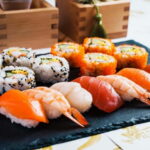
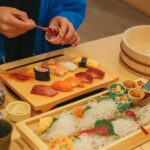
This pairing gives you a clear introduction to sushi preparation without requiring advanced fish-cutting skills. You roll and chop your own sushi pieces, then prepare yellowtail fish or chicken teriyaki, with miso soup and side dishes.
I would choose this menu if you want techniques that are easy to recreate at home. Rolling sushi, preparing miso soup, and making teriyaki offer useful building blocks for Japanese meals. One participant specifically appreciated leaving with enough instruction to make sushi and miso soup back home, and recipes may be provided after the lesson.
A few more Tokyo tours and experiences worth a look

Menu D: Traditional gozen set
The gozen menu is the most balanced choice. It includes a meat plate, fish plate, side dish, miso soup, and an onigiri rice ball. Instead of focusing on one famous dish, it shows how a Japanese home meal can bring several modest portions together.
This is the menu I would suggest if you want a broader picture of everyday Japanese cooking. It also works well for families or mixed groups because there are several tasks and flavors to share. A special request for chicken teriyaki was accommodated within a gozen meal in one class, showing why it is worth discussing preferences before booking.
How the 150 minutes unfold
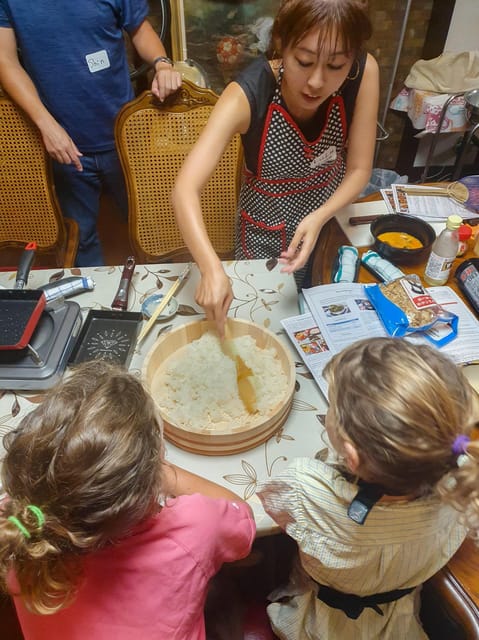
The class begins with preparation and an explanation of the chosen dishes. Ingredients are prepared beforehand, which keeps the session moving and leaves more time for actual cooking and questions.
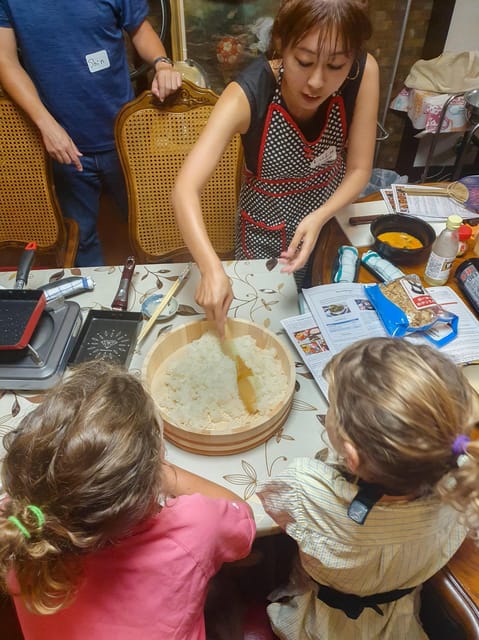
Your instructor guides you through basic methods, including how ingredients are used and why certain steps matter. The teaching style varies slightly by instructor, but the strongest pattern is patient, clear instruction. Kana has been praised for answering many questions, while Mika focused on Japanese ingredients and their uses. Chieko has explained traditional recipes and techniques, and Lulu has combined cooking guidance with cultural information and local food suggestions.
You should expect to participate, but not necessarily perform every single task. One experienced home cook would have preferred more time cooking instead of watching the instructor demonstrate while explaining. That is a fair point. The experience is interactive, but it also includes demonstration, preparation already done by the host, and guidance from the instructor.
Once the dishes are ready, you sit down and eat together. This shared meal is an important part of the class. You can see how the dishes work as a set, compare textures, and ask final questions while the food is fresh.
Some classes include help with plating and photographs. Recipes have also been sent to participants after the lesson, although you should confirm what will be provided for your booking if written recipes are important to you.
The instructors make the difference
The operator uses several instructors, so your teacher is not guaranteed to be one specific person. Names associated with the classes include Kana, Kayo, Lulu, Chieko, Miyuki, Mika, Aki, Miho, and Yuki.
The consistent strength is the personal teaching style. Kana has been described as friendly, organized, and generous with answers. Lulu has built menus around food preferences, helped with plating, and shared advice about Tokyo restaurants and other Japanese cities. Chieko has been praised for patience and cultural explanations, while Miyuki has been described as funny, kind, and easy to follow.
English ability has also been a strong point. The activity is offered in English, and the available feedback repeatedly describes the instruction as clear enough for beginners. That matters in a cooking class because small details, such as how to fold, roll, stir, or judge texture, can get lost when communication is difficult.
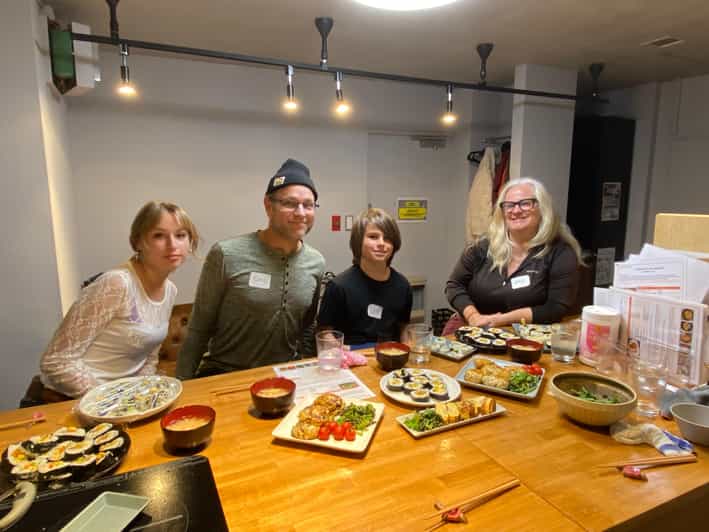
The class also works for mixed-age groups. A family with children aged 7 to 12 found the activity accessible, and another group included a teenager alongside adults with cooking experience. You do not need to be a skilled cook, though people who already cook at home may want to tell the instructor they prefer more active kitchen time.
Food allergies, vegetarian diets, and custom requests
Dietary planning is one of the better features here, but it depends on advance communication. If you have allergies, tell the operator before the class so the menu and available alternatives can be discussed.
Vegetarian accommodations have been made, and the class is designed to address vegetarian and vegan preferences. Specific substitutions are not listed, so do not assume every menu can be changed in the same way. Give the instructor a full list of restrictions, including ingredients you need to avoid.
The same advice applies to menu requests. A group once had a gozen meal adjusted to include chicken teriyaki, and another group had the menu built around its food preferences. These examples suggest flexibility, but you should arrange it ahead of time rather than rely on an on-the-spot change.
Is $88 a fair price?
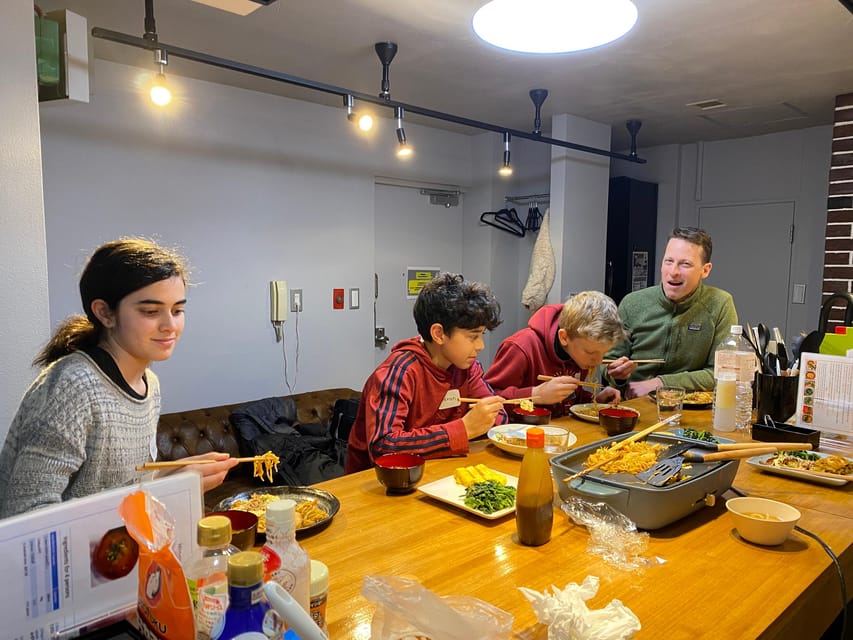
At $88 per person, this is not the cheapest way to eat Japanese food in Shinjuku. You can buy an excellent casual meal in Tokyo for much less. The value comes from the teaching, the ingredients, the kitchen use, the hands-on work, and the meal at the end.
All fees and taxes are included, along with cooking tools, ingredients, and drinking water. You are also paying for an English-speaking instructor who can answer questions about food preparation and Japanese cooking customs. If you use the recipes later, the class keeps giving value after your trip.
The price makes the most sense for people who enjoy cooking, families looking for a shared activity, and anyone who wants more contact with Japanese food than a restaurant meal provides. It is less compelling if you mainly want to eat quickly or if you prefer a large professional kitchen with a fixed, highly polished production.
Portion size appears generous. Several participants described making enough food for a substantial meal, and one person said the meal kept them full for almost the entire day. That can make the class a useful lunch or early dinner rather than an extra food stop squeezed between restaurant reservations.
Timing, location, and small practical matters
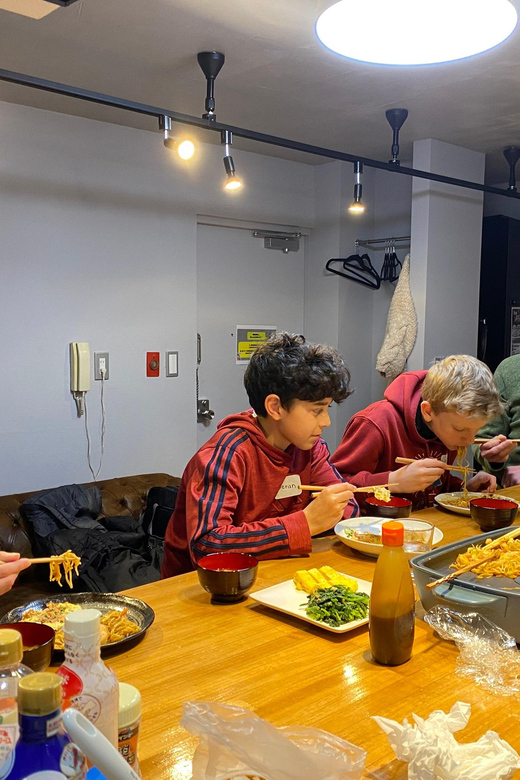
The class runs for 150 minutes, with starting times based on availability. Since the exact studio address is provided after booking, check the message carefully and save it offline if possible.
The central Shinjuku setting is convenient, but central Tokyo buildings can be confusing, especially when a studio is inside a mixed-use building. Give yourself extra time, bring the organizer’s contact details, and do not assume the first entrance you see is the right one.
The activity does not include private transportation. You make your own way to the kitchen studio, so it is best paired with other plans in Shinjuku rather than a distant Tokyo attraction. The class itself is conducted in English.
Cancellation is flexible: you can cancel up to 24 hours before the start for a full refund. You can also reserve and pay later, which helps if your Tokyo schedule is still changing.
Who should book this class?
I would recommend it most strongly to:
- Families who want an activity children and adults can share
- Couples seeking a meal with more personal contact than a restaurant offers
- Home cooks who want recipes they can repeat
- First-time visitors who want context for familiar Japanese dishes
- Vegetarians, vegans, and people with allergies who are willing to arrange details ahead of time
- Anyone staying near Shinjuku who wants a midday activity without a long transfer
It is also a good choice for a rainy day. You get a warm indoor activity, a meal, and a practical skill instead of another sightseeing stop.
I would hesitate if you need a guaranteed private class, a guaranteed menu, or a highly advanced culinary lesson. The menu can depend on whether another group attends, and the class teaches accessible home cooking rather than professional chef training.
Should you book the Wa No Kokoro cooking class?
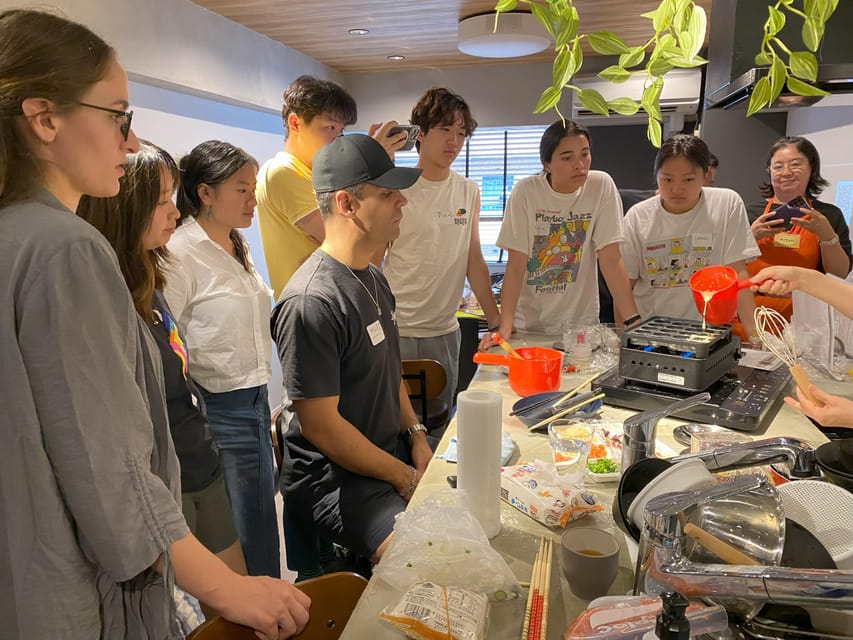
Book it if you want to understand Japanese food by making it yourself. The strongest reasons are the central Shinjuku location, the choice of several familiar menus, clear English instruction, accommodating hosts, and a meal large enough to count as a proper lunch.
The class is especially worthwhile if you want to take something home beyond photographs. Recipes, ingredient knowledge, plating ideas, and basic techniques can follow you back to your own kitchen.
Before paying, send any allergy, vegan, vegetarian, or menu requests in writing. Check the final address, allow extra time to find the studio, and remember that the exact menu may depend on the day’s group arrangements. With those points handled, this is a friendly and useful way to spend two and a half hours in Tokyo.
FAQ
Where does the cooking class take place?
It takes place at a kitchen studio in or around Shinjuku, Tokyo. The exact address is provided after booking, so wait for the operator’s message.
How long does the activity last?
The class lasts 150 minutes, or about two hours and 30 minutes, including cooking and eating the meal you prepare.
What language is the class taught in?
The instructor teaches in English.
What menus can I choose from?
The main choices are okonomiyaki and yakisoba, gyoza and takoyaki, rolled sushi with teriyaki, and a traditional gozen set. You can also request another menu for discussion.
Can I choose my menu after booking?
You can choose a menu when booking if you or your group are the only attendees that day. If another group joins, your preferred menu may not be available.
Are vegetarian or vegan options available?
The class is designed to accommodate vegetarian and vegan preferences. Contact the operator in advance to discuss the available choices.
Can the class accommodate food allergies?
Yes, but you need to provide allergy information in advance so the menu and possible alternatives can be discussed.
What is included in the price?
The $88 price includes all fees and taxes, cooking tools, ingredients, and drinking water. Private transportation is not included.
Can I cancel the booking?
You can cancel up to 24 hours in advance for a full refund. Reserve-now, pay-later booking is also available.
More Workshops & Classes in Tokyo
More Shinjuku Tours in Tokyo
More tours in Tokyo we've reviewed












Shinjuku Tours, compared.
 ★ 5.0Tokyo: Shinjuku Food Tour (13 Dishes at 4 Local Eateries)From $86
 ★ 5.0Tokyo Bar Hopping Tour in Shinjuku (All-You-Can-Drink + Dinner)From $106
 ★ 4.9Tokyo: Shinjuku Local Bar and Izakaya Guided Walking TourFrom $343 hours
 ★ 4.9Tokyo: Shinjuku Food Tour (13 Dishes and 4 Eateries)From $97
 ★ 5.0Tokyo Night Foodie Tour in Shinjuku – Seasonal Sushi, Wagyu BeefFrom $111
 ★ 5.0Tokyo: Shinjuku Local Bar & Izakaya Crawl TourFrom $39