Reviewed · SHIBUYA TOURS
Tea Ceremony Experience in a Private Tea Room in Shibuya
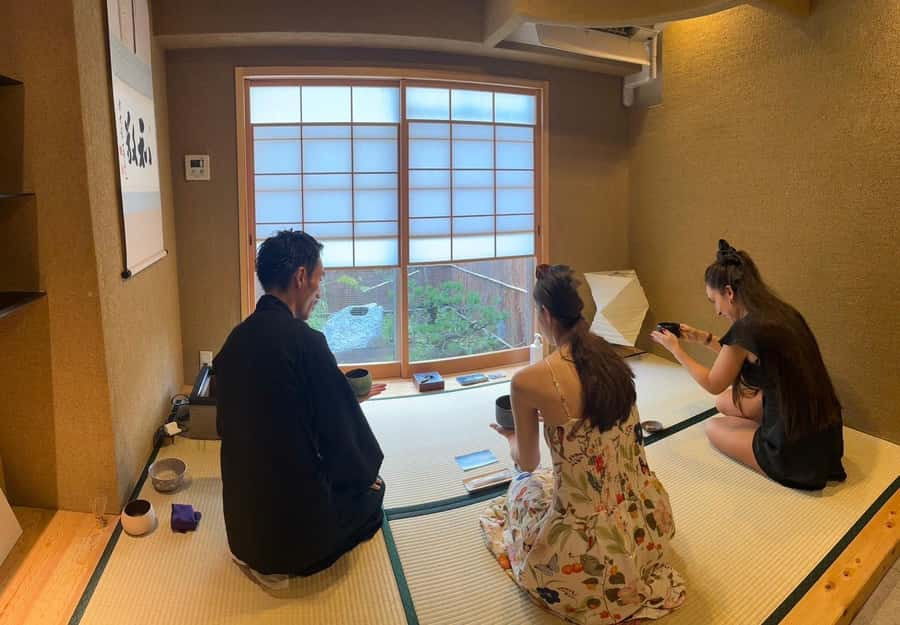
The surprising part of this tea ceremony is its setting. You meet near Shibuya Station, then enter a quiet tea room inside an apartment building just minutes from the Hachiko Statue and Shibuya Scramble Crossing. The city is close, but the room feels like a different world.
In This Article
- Key points to know before booking
- Why this Shibuya tea ceremony feels different
- Meeting Tatsuya and settling into the room
- The opening lesson: tea, ceremony, and Japanese custom
- Tasting premium organic matcha with wagashi
- Watching the formal preparation
- Making your own bowl of matcha
- Questions, tea tools, and souvenirs
- What the $30 price includes
- Who should book this experience
- How to fit it into a Shibuya day
- Booking, age limits, and practical details
- Should you book the Shibuya tea ceremony?
- FAQ
- Where does the tea ceremony meet?
- How far is the tea room from Shibuya Station?
- What is included in the price?
- Can I make my own matcha?
- Is the activity available in English?
- Are children allowed to join?
- Is there a toilet in the tea room?
I like the small, peaceful setting, where Tatsuya can explain the meaning behind each gesture and object. I also like the rare organic matcha, said to represent only about 2 percent of Japan’s total harvest, served with sweets from a wagashi shop with more than 200 years of history.
The main consideration is the room’s size. This is an intimate indoor activity, not a grand temple performance, and there is no toilet in the tea room. You should also note that matcha contains caffeine, and the experience is not suitable for children under 10 or pregnant women.
Key points to know before booking
- An apartment building hides a formal tea room: Meet at The OneFive Tokyo Shibuya, then follow the guide into a calm private space.
- Tatsuya leads the session: He explains ceremony customs, matcha production, and the proper way to prepare and drink the tea.
- The tea is the main event: You taste premium organic matcha that makes up a very small share of Japan’s overall production.
- You do more than watch: After the formal serving, you whisk your own matcha with hands-on guidance.
- Traditional sweets are included: The wagashi comes from a long-established shop with more than two centuries of experience.
- The location works well with sightseeing: Shibuya Station is about an eight-minute walk away, with major attractions nearby.
Why this Shibuya tea ceremony feels different
Shibuya is one of Tokyo’s busiest districts, known for giant screens, packed crossings, shopping, and late-night energy. This activity uses that contrast well. You can spend the morning around the Hachiko Statue or Shibuya Scramble Crossing, then step into a quiet room where the pace slows right down.
You do not need to travel to Kyoto or a remote garden to learn the basics of tea ceremony. The meeting point is at the front entrance of The OneFive Tokyo Shibuya hotel, at 1-8-11 Jinnan, Shibuya-ku. The guide holds a sign marked TEA ROOM KAKOI, which makes the meeting fairly clear.
From there, the walk to the tea room takes about eight minutes. The room is in an apartment building, a detail worth knowing so you are not surprised by the ordinary entrance. One first-time visitor described feeling unsure about the small room at first, but found that stepping inside changed the mood completely. That is a useful way to understand this experience: the magic comes from the quiet interior, not from a grand exterior.
A few more Tokyo tours and experiences worth a look


Meeting Tatsuya and settling into the room
Tatsuya is the host named most often in the experience details. He speaks English and Japanese and guides the session in a friendly, patient way. His personal connection to tea adds useful context: he comes from a family with two generations of tea-farm experience.
That background matters because the talk is not limited to memorizing ceremony rules. You learn about the tea itself, including how matcha is produced and why different grades taste and feel different. Tatsuya also explains the attitude behind the ceremony, such as treating the bowl, whisk, scoop, and other tools with care.
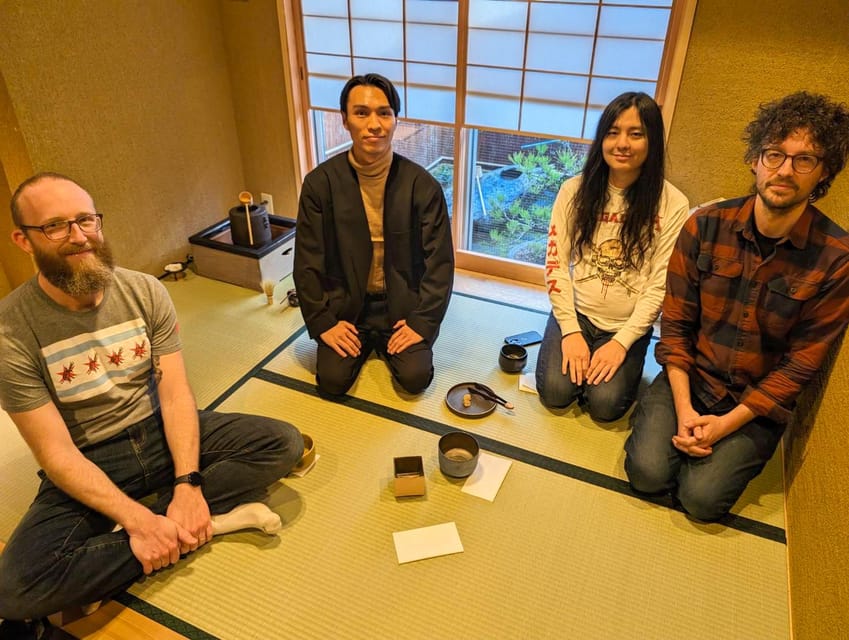
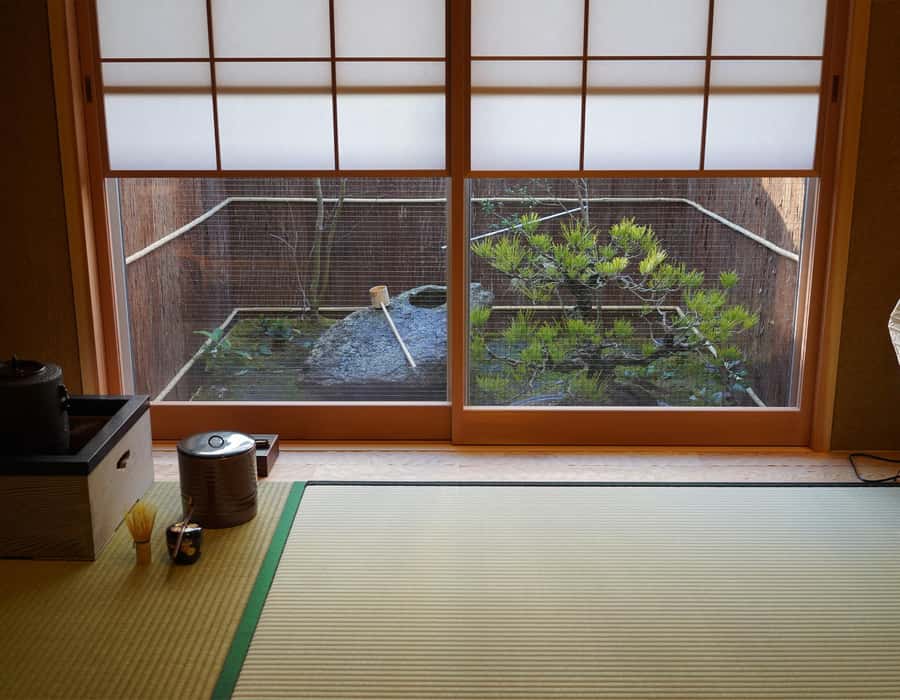
The tea room is designed to feel traditional and calm. It is small, so you should expect a close-up lesson rather than a large group presentation. That intimacy gives you more room to ask questions, but it also means the space may feel tight if you prefer open rooms or dislike sitting close to others.
The activity ends back at the same meeting point. A specific duration is not provided, so allow enough time around the booking for the lesson, the preparation session, and questions afterward.
The opening lesson: tea, ceremony, and Japanese custom
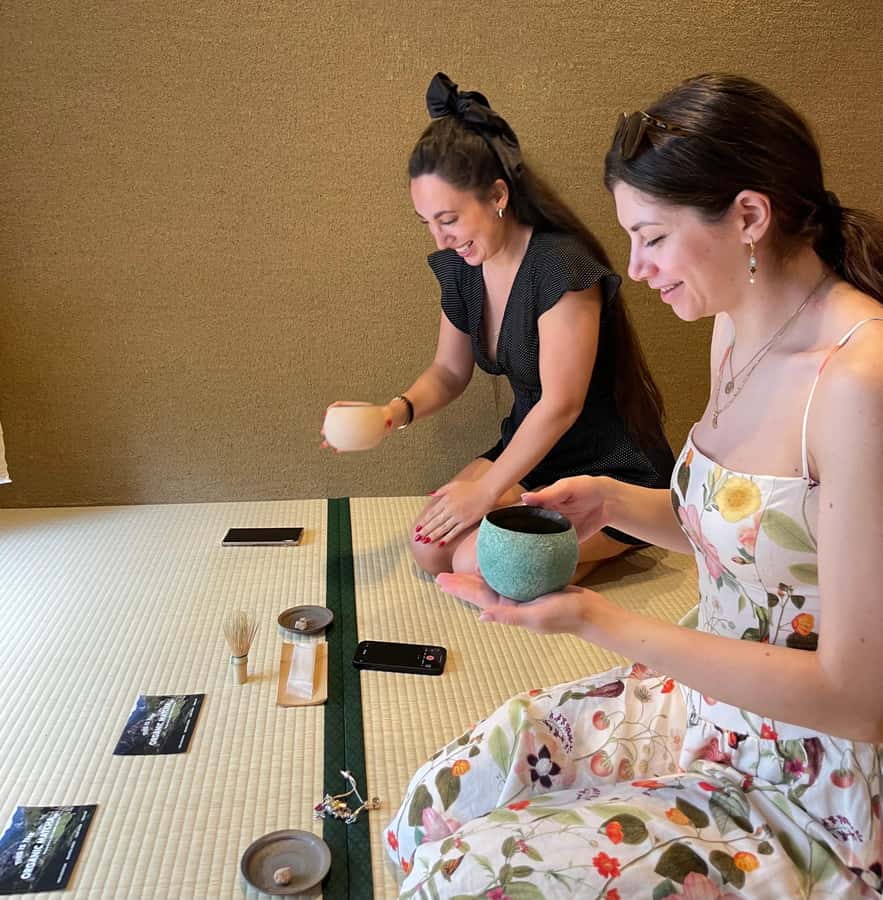
The first part explains the Japanese tea ceremony and the story of matcha. This is important because the ceremony can seem mysterious if you only watch the movements. A simple turn of a bowl or careful placement of a utensil has meaning, and Tatsuya explains the manners in plain terms.
You learn how matcha moved from a specialist Japanese drink to a product now known around the world. The discussion also covers the production of matcha and its reputation for health benefits. The experience does not treat the tea as just a fashionable green drink. It presents matcha as a food, a craft, and part of a long cultural practice.
I find this introduction especially useful for first-time visitors. You are not expected to know how to bow, how to hold the bowl, or when to drink. You are taught the basic customs before you are asked to take part.
The tone also appears relaxed rather than strict. Tatsuya explains why the actions matter, then gives you a chance to follow along. That makes the activity a good fit if you want cultural context without a formal performance where you simply sit and watch.
Tasting premium organic matcha with wagashi
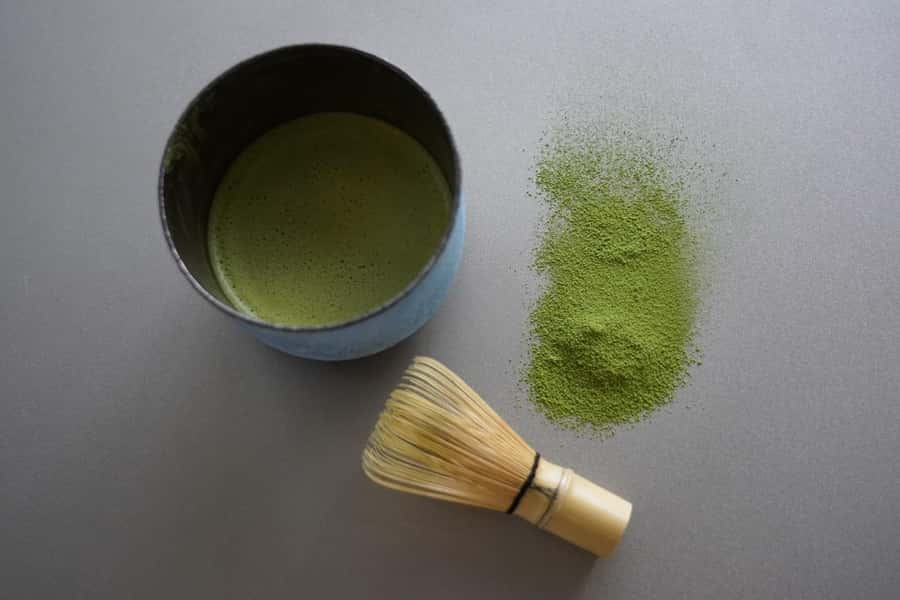
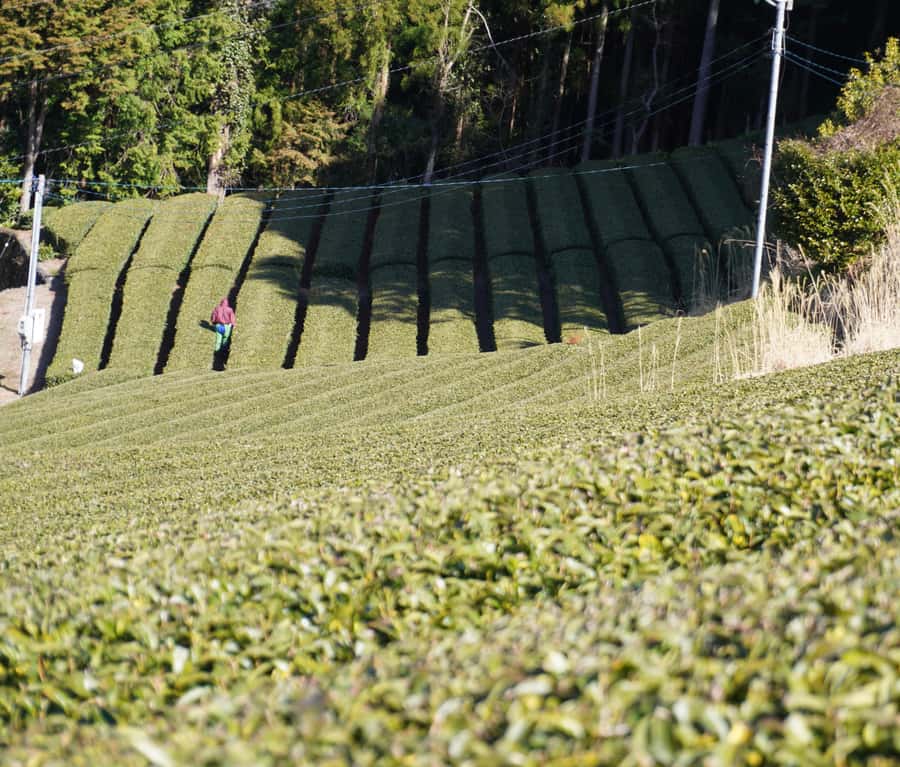
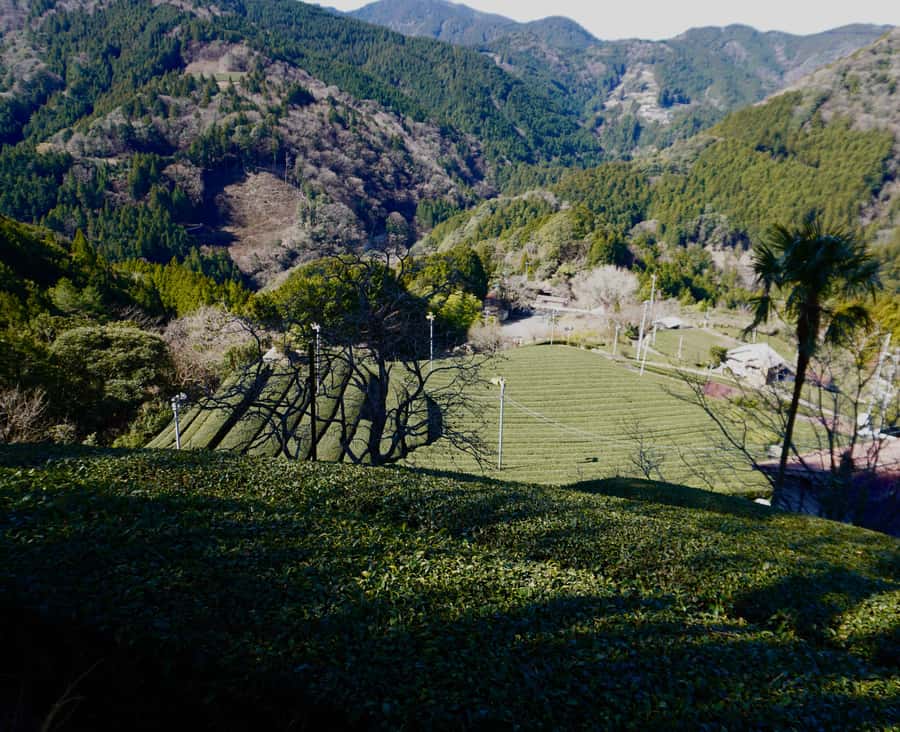
The tea served here is organic matcha from EAST GREEN MATCHA. It is described as a rare, high-grade product representing about 2 percent of Japan’s total circulation or harvest. That figure gives you a sense of the intended focus: the tea is not an afterthought added to a cultural talk.
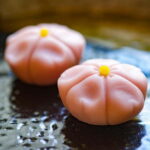
You taste the matcha with traditional Japanese sweets from a wagashi shop that has been operating for more than 200 years. Wagashi often provides a sweet counterpoint to matcha’s grassy, bitter edge. The pairing helps you notice that tea ceremony is built around balance, not simply sweetness or strength.
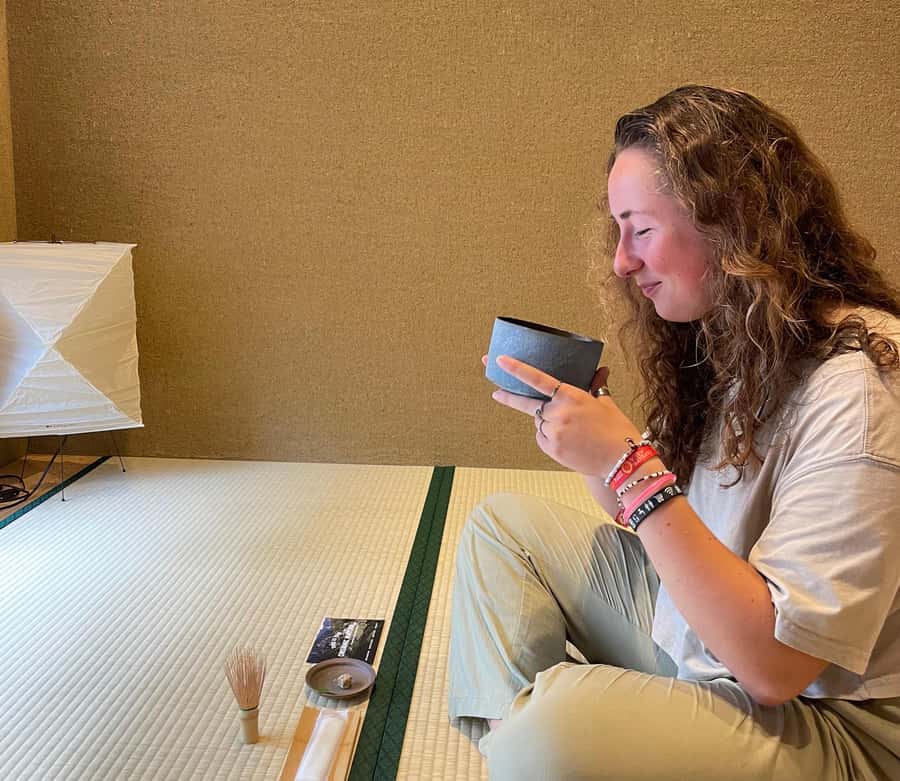
Several parts of the experience are designed to help you taste carefully. You learn how to drink the tea properly and why the bowl is handled in a particular way. Tatsuya also explains differences in matcha, so you can think about flavor and texture rather than judging every bowl as just sweet or bitter.
Matcha contains caffeine, so keep that in mind if you are sensitive to it or already plan to drink several cups during the day. The experience is not suitable for pregnant women, according to the supplied booking information.
Watching the formal preparation
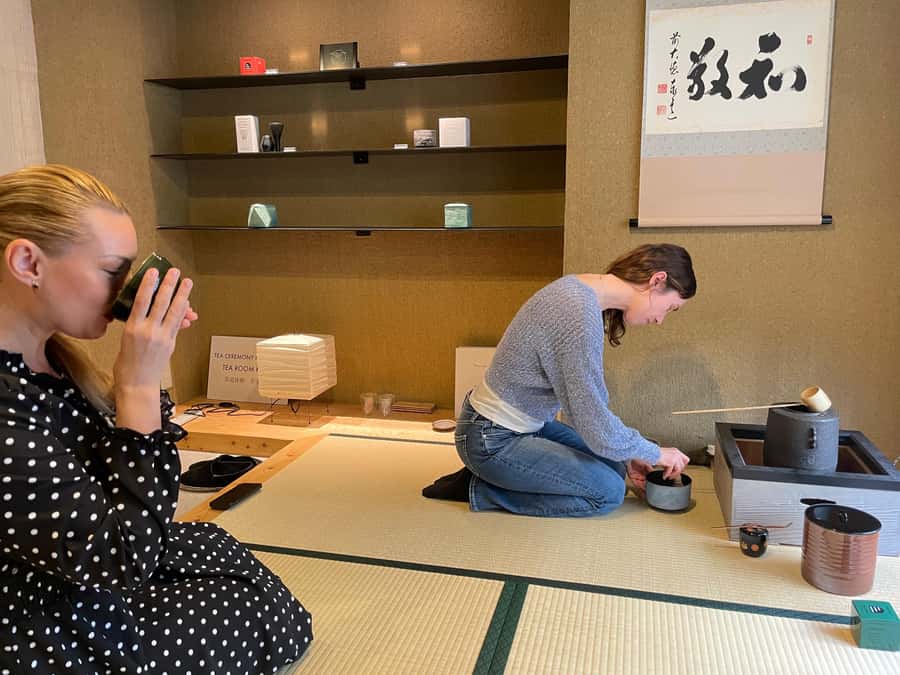
After the opening explanation, Tatsuya prepares matcha in the formal tea ceremony style and serves it to you. This is the part where the earlier lesson begins to make sense. You can watch the controlled movements, the treatment of the tools, and the care given to the bowl.
The room’s quiet atmosphere helps here. In Shibuya, there is always something demanding your attention outside. Inside the tea room, the focus narrows to the sound of the whisk, the color of the tea, and the sequence of the preparation.
You are not expected to perform perfectly. The aim is to understand the techniques and the attitude behind them. Tatsuya explains how to receive the bowl, how to drink, and how to show respect for the objects being used.
This is also where the private-room format pays off. If you have a question about a movement or a utensil, you can ask it while the demonstration is still fresh. The lesson is more personal than a short stage presentation at a major tourist attraction.
A few more Tokyo tours and experiences worth a look



Making your own bowl of matcha
The hands-on section is a strong reason to book this experience instead of choosing a ceremony demonstration alone. Tatsuya guides you through making your own matcha, showing you the techniques as you work.
You get to handle the tea tools and practice whisking the powder into a smooth, frothy drink. The process looks simple, but the movement takes some control. A careful guide makes this more enjoyable because you can ask for help without feeling that you are holding up a large class.
The practical session also gives you a better sense of the work behind a bowl of matcha. You see how the powder is measured, how water is added, and how the whisk creates the foam. The lesson connects the agricultural side of tea with the physical act of preparing it.
The emphasis is on learning, not competition. You do not need previous experience, and the instructions are intended to help you understand the method. If you enjoy food workshops or hands-on cultural activities, this part may be the highlight.
Questions, tea tools, and souvenirs
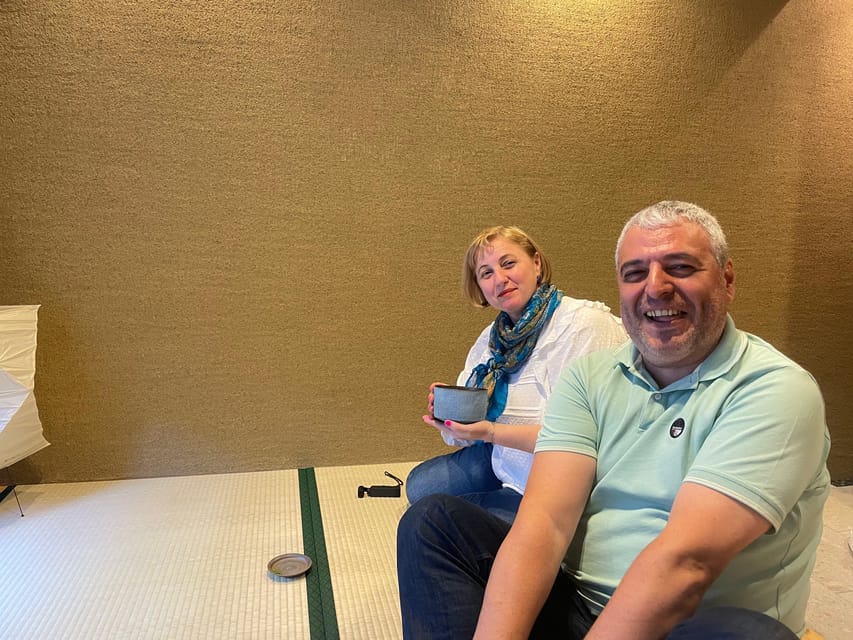
The activity finishes with free time for questions about matcha and tea ceremony. This is a useful chance to ask about production, etiquette, the tools, or the difference between the tea you tasted and matcha sold elsewhere.
You can also buy high-quality organic matcha and original tea tools as souvenirs if you wish. That option is practical for anyone who wants to continue the ritual at home, but it is not required. The activity includes the tea, sweets, and everything needed for the session.
I would use this final period to ask how to store matcha and what equipment is needed for home preparation. The supplied information does not specify the prices or range of souvenirs, so treat the shopping option as an extra rather than part of the value calculation.
What the $30 price includes
At $30 per person, this is a reasonably priced introduction to Japanese tea ceremony, especially because the fee covers the premium organic matcha, traditional sweets, the demonstration, and your own preparation session.
The value comes from the combination of food and instruction. A simple cup of matcha would cost far less, but it would not include the explanation of production, ceremony etiquette, personal guidance, or access to a private tea room.
You are also paying for location. The activity is in central Shibuya, within walking distance of several major sights. That saves you a separate trip across Tokyo and makes it easy to fit into a sightseeing day.
Still, keep your expectations in line with the price. This is not a lavish meal, a full-day cultural course, or a visit to a historic temple complex. It is a focused tea lesson in a small room. If you want a short, personal introduction, the price is strong. If you want an elaborate ceremony in a grand architectural setting, you may find the experience too modest.
Who should book this experience
I would recommend it most strongly to first-time visitors who are curious about tea ceremony but do not want a stiff or highly formal introduction. The session gives you background, a demonstration, a tasting, and hands-on practice in one compact activity.
It also suits tea drinkers. The quality of the matcha is given real attention, and you have the chance to compare the experience with the everyday green tea or matcha drinks found around Tokyo.
The activity works well for solo visitors and small parties who enjoy asking questions. The small group format keeps the session personal and helps the guide respond to individual interests.
It is less suitable if you need a toilet during the activity, since there is none in the tea room. It is also not designed for babies under one, children under 10, or pregnant women. Assistance dogs are allowed, but other pets are not.
How to fit it into a Shibuya day
The central meeting point makes planning simple. You can visit the Hachiko Statue, cross Shibuya Scramble Crossing, or explore nearby shops before or after the ceremony. Meiji Shrine and the Pokémon Center are also listed among the nearby attractions, though you should allow extra time for each visit.
I would avoid arriving at the last minute. The meeting is at the hotel entrance, not directly inside the tea room, so give yourself time to find The OneFive Tokyo Shibuya and locate the guide holding the TEA ROOM KAKOI sign.
The activity ends back where you started, which is convenient if you have another Shibuya booking afterward. Since no exact duration is given, do not place a tight restaurant reservation immediately afterward.
Booking, age limits, and practical details
The experience is offered in English and Japanese. You can reserve now and pay later, which helps if your Tokyo plans are still changing. Cancellation is allowed up to 24 hours in advance for a full refund.
Matcha has caffeine, and the tea room has no toilet. Pets are not allowed, although assistance dogs are permitted. The stated age restrictions exclude children under 10, babies under one, and pregnant women.
The experience has a 4.9 rating from 125 reviews, with especially strong praise for the calm room, clear explanations, patient teaching, and quality of the matcha. Those strengths fit the structure of the activity: you are not rushed through a photo stop, and you are given time to understand what you are doing.
Should you book the Shibuya tea ceremony?
Book this experience if you want a compact cultural lesson with real participation, good matcha, and a personal guide in a central Tokyo location. Tatsuya’s family connection to tea, the traditional sweets, and the chance to whisk your own bowl give the activity more substance than a simple tasting.
Think twice if you want a large, ornate tea house, a historic temple setting, or a ceremony with plenty of space. The room is small and located inside an apartment building, but that is also what gives the session its quiet, personal character.
For $30, I see this as a good-value way to slow down in Shibuya and learn why matcha ceremony is about much more than drinking green tea. It is a particularly smart choice for a first introduction, a rainy-day activity, or anyone who wants a calm hour between Tokyo’s louder sights.
FAQ
Where does the tea ceremony meet?
Meet at the front entrance of The OneFive Tokyo Shibuya hotel, at 1-8-11 Jinnan, Shibuya-ku, Tokyo, 150-0041. The guide holds a sign marked TEA ROOM KAKOI.
How far is the tea room from Shibuya Station?
The tea room is about an eight-minute walk from Shibuya Station.
What is included in the price?
The price includes premium organic matcha, traditional Japanese sweets, the formal tea ceremony, the matcha-making session, and all equipment needed for the activity.
Can I make my own matcha?
Yes. The guide teaches you how to prepare your own matcha and explains the techniques involved.
Is the activity available in English?
Yes. The experience is offered in English and Japanese.
Are children allowed to join?
The activity is not suitable for children under 10, babies under one year old, or pregnant women.
Is there a toilet in the tea room?
No. There is no toilet in the tea room.
More Private Tours in Tokyo




More Tea Ceremony & Matcha in Tokyo
More Shibuya Tours in Tokyo



More tours in Tokyo we've reviewed












Shibuya Tours, compared.
 ★ 5.0Official Street Go-Kart in ShibuyaFrom $76
 ★ 5.0Shibuya Meltdown Nightlife Tour: All-You-Can-Drink Bar HoppingFrom $106
 ★ 4.9Tokyo: Street Kart Experience in ShibuyaFrom $99
 ★ 5.0Shibuya Official Street Go-Kart in Shibuya AnnexFrom $69
 ★ 5.0Tokyo: Shibuya Food Tour (13 dishes and 4 Eateries)From $77
 ★ 5.0Best of Shibuya Food TourFrom $217