Reviewed · TEMPLES & MEDITATION
Tokyo: Meiji Shrine Walking Tour with Local Guide
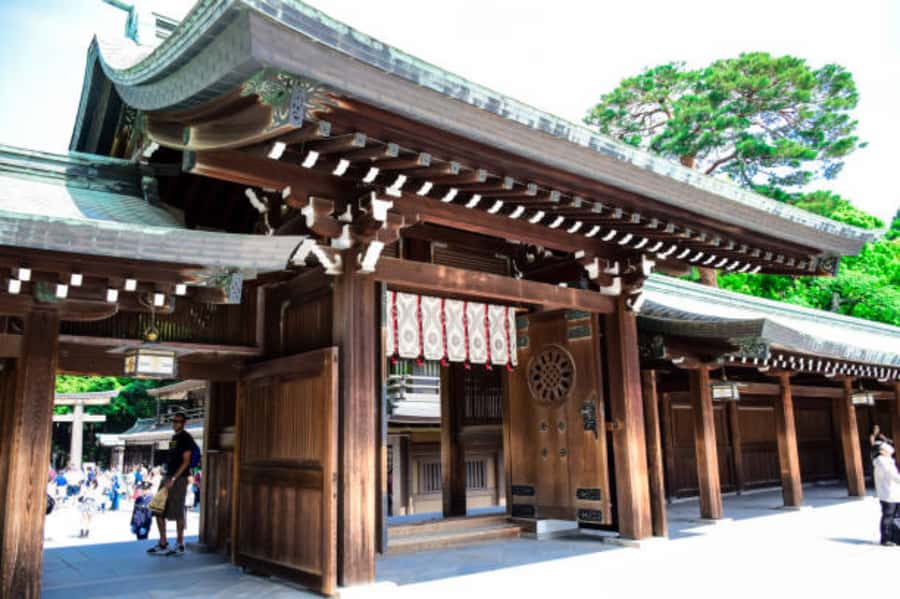
Meiji Shrine can feel like a different city from the Tokyo outside its gates. This walking tour takes you through the sacred forest, then explains the small customs that are easy to miss, from bowing at the torii to keeping to the side of the approach because the center is reserved for the gods. I especially like the visit to the Imperial Fishing Platform, a quiet corner many independent visitors would likely pass by. I also like that the tour ends near Harajuku, so you can move on to shops, cafés, or more sightseeing without retracing your steps.
In This Article
- Key points at a glance
- Why Meiji Shrine works so well as a walking tour
- Meeting the guide and entering the sacred forest
- The Outer Worship Hall and the Japanese prayer routine
- The main approach, stones, and details beyond the front view
- The Imperial Fishing Platform, a quiet corner of Meiji Shrine
- Finishing near the bicycle parking area and Harajuku Station
- What $20 gets you and where the value lies
- Who should book this Meiji Shrine experience
- Practical planning before you go
- Should you book the Meiji Shrine walking tour?
- FAQ
- Where does the Meiji Shrine walking tour take place?
- How much does the tour cost?
- What language is the tour conducted in?
- How do I identify the guide at the meeting point?
- What is included in the experience?
- What should I bring?
- What will I learn at the shrine?
- Does the tour visit the Imperial Fishing Platform?
- Where does the tour end?
The main consideration is that this is a walking tour, not a broad Tokyo sightseeing trip. You will spend your time on the Meiji Shrine grounds, and the experience is conducted in English. The guide’s name is not provided, so you should identify the person holding a blue A4-sized board at the meeting point.
Key points at a glance
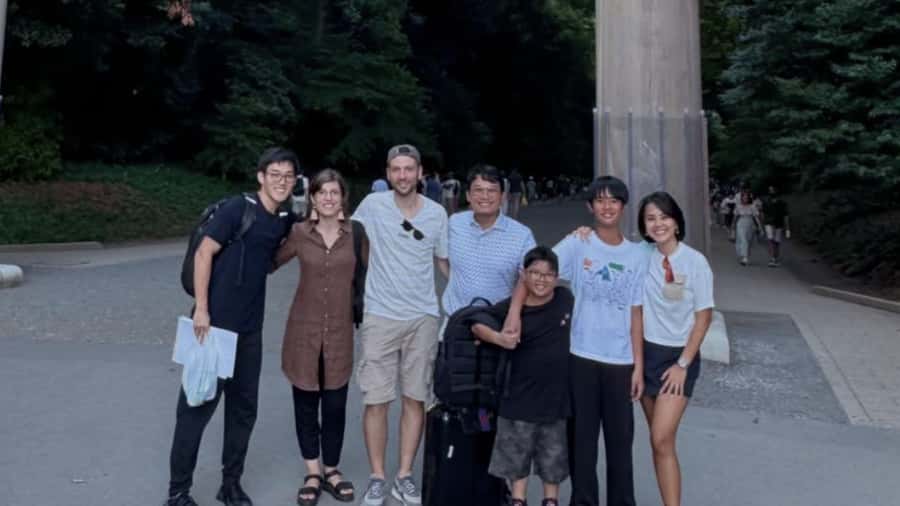
- The central approach has a rule with a story: Walk on the left side because the middle is traditionally reserved for the gods.
- You learn the proper shrine routine: The guide shows you how to bow, cleanse, and pray in a respectful way.
- The Imperial Fishing Platform adds a rare stop: This quiet spot connects the shrine with the Emperor’s pastimes and Japan’s respect for nature.
- The route goes beyond the main hall: You may see the back of the hall, the turtle stone, and the sazare stone.
- The ending works well for a full Tokyo day: You finish near Harajuku Station, close to one of the city’s best-known youth culture areas.
- The price is modest for guided context: At $20 per person, the value comes from access to details and corners you may miss alone.
Why Meiji Shrine works so well as a walking tour
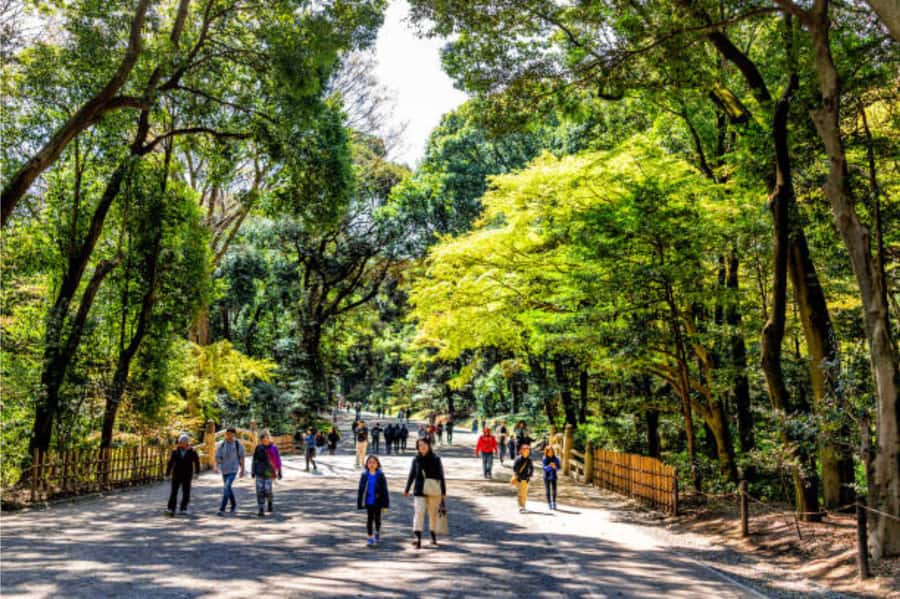
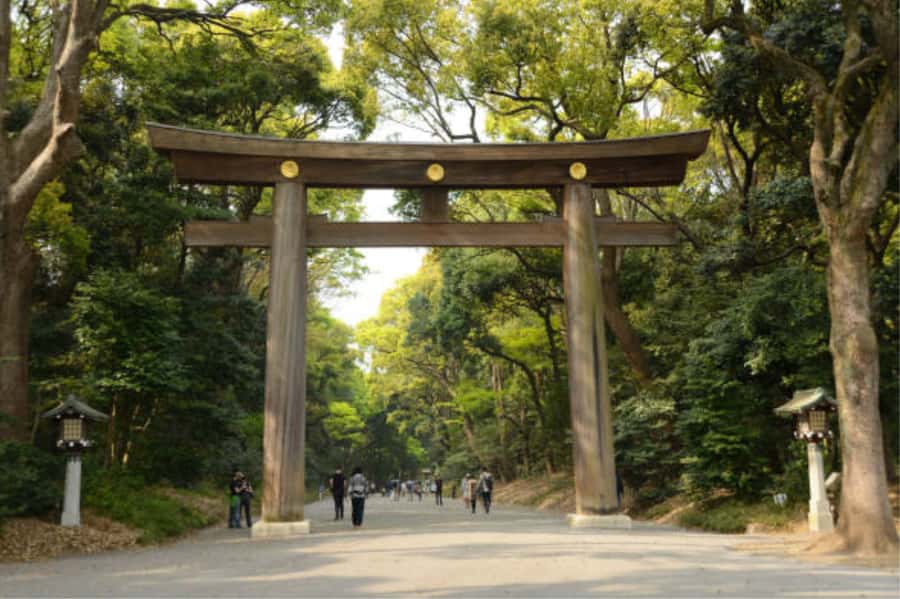
I like Meiji Shrine because its first impression is physical. You leave the city streets and follow a broad approach through a forested setting created for the shrine. The change is quick and striking. Tokyo does not disappear, but its noise and rush feel far away.
The guide helps you understand that this is not simply a pleasant green park with a large shrine at the end. The route has rules, symbols, and gestures that shape how people approach the sacred buildings. Without that context, you can admire the trees and architecture yet miss the meaning of the visit.
This tour is a good fit if you want a short cultural experience rather than a long lecture. You walk, stop for photographs, ask questions, and learn what to do at each important point. The focus stays on Meiji Shrine and its customs, which keeps the outing clear and manageable.
You should not book it expecting elaborate performances or a wide-ranging tour of Harajuku. The supplied details do not give a duration, group size, or a schedule of special ceremonies. Think of it as a guided introduction to one important Tokyo site, with a few less obvious stops added along the way.
A few more Tokyo tours and experiences worth a look


Meeting the guide and entering the sacred forest
Look for the guide holding a blue A4-sized board. Since no guide name is supplied, this sign is the practical detail you will need most. Wear comfortable shoes from the start. The route is on foot, and the value of the tour depends on having enough energy to pay attention rather than worrying about sore feet.
The approach gives the guide plenty to explain before you reach the main worship buildings. You learn why the shrine grounds are treated as a sacred space and how the approach was designed to create a gradual change from ordinary city life to religious surroundings.
One detail makes the walk especially useful: the instruction to stay on the left side of the approach. The center is understood as the path of the gods, so visitors use the side. It is a simple custom, but knowing it helps you move through the site with more awareness.
The guide also explains the proper way to bow when passing through the torii gate. This is the sort of information that can make a first shrine visit feel less awkward. You are not merely copying people nearby. You understand why the gesture is made and when it is appropriate.
The Outer Worship Hall and the Japanese prayer routine
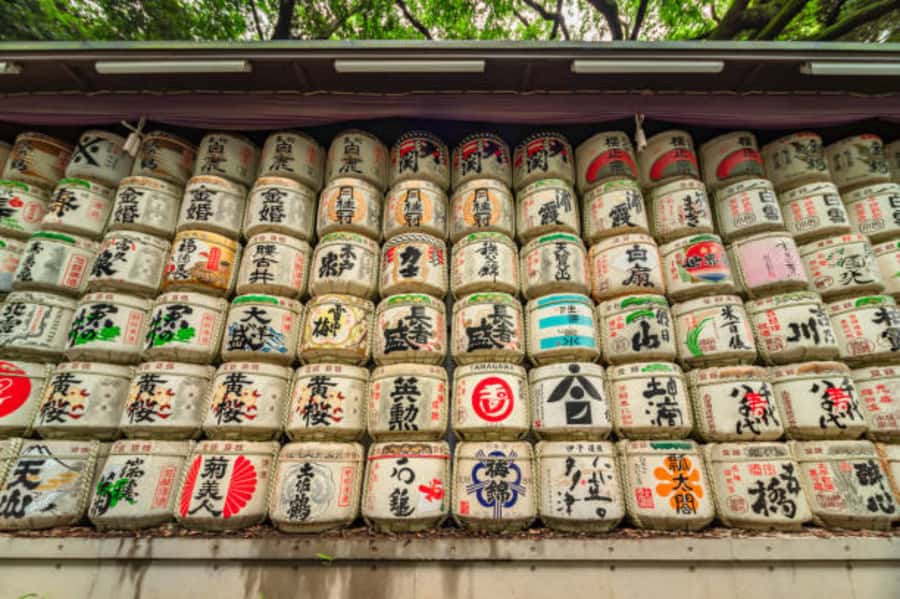
The Outer Worship Hall is the tour’s main lesson in shrine etiquette. This is where people come to show respect and make wishes, so it gives you a direct look at how the shrine functions for local worshippers.
You learn the steps for cleansing, bowing, and praying. These actions may seem small, but they are the heart of the visit. A guide can show you the order and explain the purpose without turning the moment into a stiff ceremony.
The experience also connects the routine to New Year visits, when many people in Tokyo come to shrines to pray for the year ahead. That link is helpful because it shows you that these customs are not only for tourists or formal occasions. They are part of ordinary religious and seasonal life in Japan.
I would pay close attention here and resist rushing through the process for photographs. The guide is offering practical cultural advice that you can use at other shrines during your time in Japan. A little understanding goes a long way when you visit sacred places on your own later.
The shrine itself can be busy at popular times, but the tour is designed to help you notice the customs even when other people are moving around you. The information does not depend on a special event or a particular season, so the core experience should remain useful throughout the year.
The main approach, stones, and details beyond the front view
A major strength of this tour is the attention given to parts of Meiji Shrine that are easy to skip. The guide can show you the back of the main hall, along with the turtle stone and the sazare stone.
These details matter because a quick independent visit often follows a simple pattern: walk to the main building, take a few photographs, pray, and leave. The extra stops encourage you to look at the grounds as a place filled with symbols and stories, not just one impressive structure.
The turtle stone is an especially good example of how the tour adds another layer to the visit. The supplied information does not give a full explanation of its meaning, so you should listen to the guide on site rather than assume a story. The same applies to the sazare stone. Their presence gives the guide a chance to explain how natural objects and religious ideas meet at the shrine.
This is also where the walking format works best. You are moving at a human pace, with time to stop and look. You do not need a long background lecture to appreciate the difference between seeing a place and noticing it.
Bring a camera if you enjoy recording architectural details and quiet corners. Still, keep photography secondary to the explanations and to respectful behavior around the worship areas.
The Imperial Fishing Platform, a quiet corner of Meiji Shrine
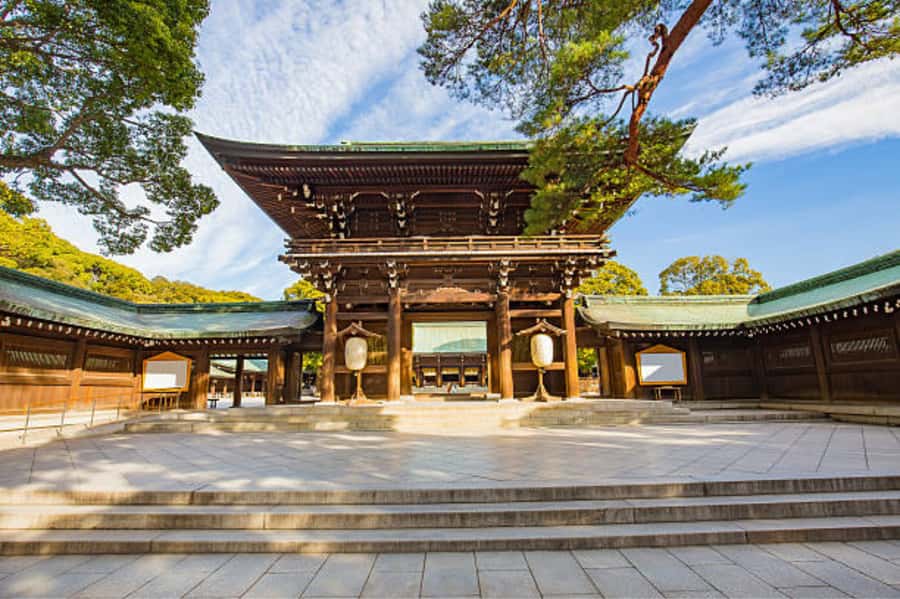
The Imperial Fishing Platform is the most distinctive stop on the route. Few people know to look for this calm corner, and it gives the visit a different focus from the usual shrine buildings and torii gates.
The platform connects Meiji Shrine with the Emperor’s pastimes. That may sound like a small detail, but it helps you see the grounds as more than a religious site. The tour links the location with a quiet respect for nature and with the private activities associated with the Imperial household.
I like this stop because it changes the rhythm of the walk. After learning about gates, prayer, and ritual, you reach a place that feels more personal and reflective. It is a useful reminder that Japanese sacred spaces can include many layers of history and daily life.
The details provided do not promise a dramatic view or a long stop, so keep your expectations sensible. The appeal is the setting and the fact that the place is not obvious on a standard first visit. If you want a quieter side of Meiji Shrine, this is likely to be the moment you remember.
Other walking tours we've reviewed in Tokyo




Finishing near the bicycle parking area and Harajuku Station
The tour finishes at the bicycle parking area, an ordinary-sounding place with an interesting role in the experience. Here, the guide talks about the meeting point between old customs and modern Tokyo routines.
That contrast is one of the better ideas in the tour. Meiji Shrine is surrounded by a major city, yet its rituals continue beside everyday movement. A bicycle parking area may not sound like a sightseeing highlight, but it helps place the shrine in real Tokyo life rather than treating it as an isolated monument.
The route ends near Harajuku Station, giving you an easy next step. You can continue into Harajuku’s youth culture area, arrange another attraction, or use the station to reach another part of Tokyo. The supplied information also says the activity ends back at the meeting point, so check the exact end arrangement when booking if the station connection is important to your plans.
I would schedule this tour before another Harajuku activity if you want a smooth day. You get a calm cultural visit first, then can shift into shopping, cafés, and city streets afterward. The tour itself does not include those extra activities, but its location makes them easy to add.
What $20 gets you and where the value lies
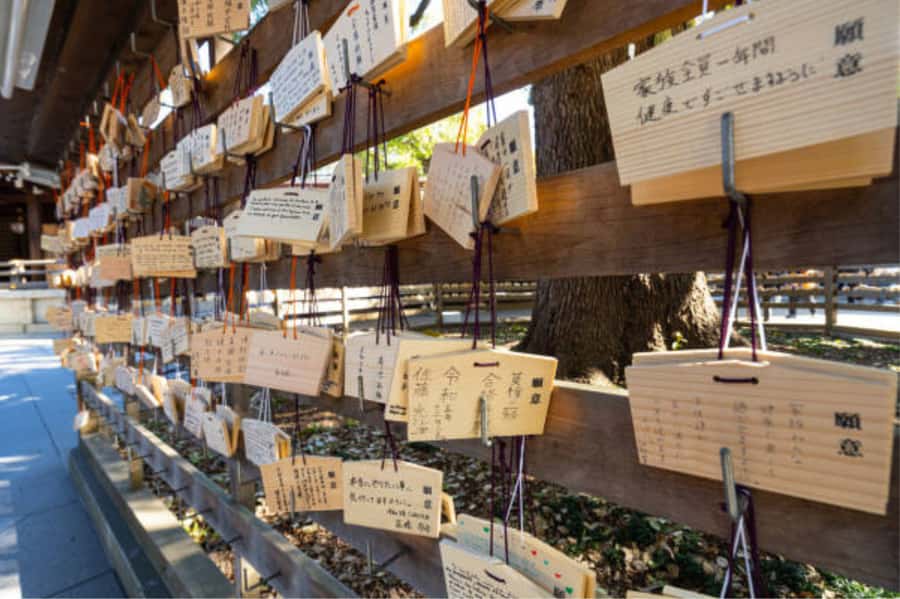
At $20 per person, this is a reasonably priced guided experience. You are paying for a local guide, a walking route, cultural explanations, and photo stops. There is no mention of entrance fees, meals, transport, or special performances, so the price should be judged as a fee for interpretation rather than a full-day package.
I think the value is strongest for a first visit to Meiji Shrine. You learn customs that are hard to pick up from signs alone, including how to bow, cleanse, and pray. You also reach the Imperial Fishing Platform and the back of the main hall, places you might not find by following the most obvious path.
The value is less clear if you already know shrine etiquette and have spent time exploring Meiji Shrine. An independent visit will cost less, and you can walk the grounds at your own speed. The tour earns its price through guidance, not through exclusive admission or elaborate extras.
A 4.9 rating from nine ratings suggests a very positive early response, but the sample is small. I would treat that score as encouraging rather than decisive. The tour’s content is specific enough that you can make the choice based on your interests: book it for cultural context and lesser-known corners, skip it if you prefer to wander alone.
Who should book this Meiji Shrine experience
I would recommend this tour to first-time Tokyo visitors who want help with shrine etiquette. It is also a good choice for anyone who has visited Meiji Shrine before but only saw the main approach and worship hall.
It suits solo visitors, couples, and families who like learning through a walk rather than sitting in a classroom. The route gives you useful explanations, quiet spaces, and clear photo opportunities without asking you to commit to a full-day program.
It may also work well for photographers who want more than the standard torii and main hall images. The forest, the approach, the back of the hall, the stones, and the Imperial Fishing Platform provide a wider set of subjects.
You should think twice if walking is difficult for you, since comfortable shoes are specifically advised and the activity is conducted on foot. The listing does not provide accessibility details, route length, or group size, so ask before booking if those points affect your decision.
The tour is conducted in English, with Japanese and English listed as the available languages. If you want a tour in another language, this experience may not be suitable.
Practical planning before you go
Reserve this tour as part of a day that includes Harajuku, since the ending near Harajuku Station makes the connection convenient. You can visit the shrine first, then continue to nearby city sights without making a separate trip across Tokyo.
Bring comfortable shoes and a camera. Comfortable clothing will also help you focus on the guide and the surroundings. No other required equipment is listed.
The book-now, pay-later option can help if your Tokyo schedule is still changing. You can reserve a place without paying today, and cancellation up to 24 hours in advance is available for a full refund.
Keep in mind that the tour is not presented as a private experience, and no group size is given. If you prefer a very quiet or highly personal visit, confirm the group arrangements before committing.
Should you book the Meiji Shrine walking tour?
Book it if you want Meiji Shrine to make cultural sense, not just look beautiful. For $20, the lessons on bowing, cleansing, praying, torii etiquette, and the sacred approach offer useful value, especially on a first visit. The Imperial Fishing Platform and the stops behind the main hall give you extra reasons to choose a guide.
Skip it if you are happy exploring alone, already understand Japanese shrine customs, or need a fully accessible route with confirmed timing and group details. For most first-time visitors who enjoy short walks and practical cultural insight, this is a sensible, low-cost way to see a quieter side of Tokyo before heading into Harajuku.
FAQ
Where does the Meiji Shrine walking tour take place?
The tour takes place in the Meiji Shrine area in Tokyo, on Honshu, Japan.
How much does the tour cost?
The price is $20 per person.
What language is the tour conducted in?
The tour is conducted in English. Japanese and English are listed as the available languages.
How do I identify the guide at the meeting point?
Look for the man holding a blue A4-sized board.
What is included in the experience?
The tour includes a local guide, a walking tour, cultural insights, and photo stops.
What should I bring?
Bring comfortable shoes for walking and a camera if you want to take photographs.
What will I learn at the shrine?
You will learn about Meiji Shrine’s history and rituals, including how to bow, cleanse, and pray in the traditional way.
Does the tour visit the Imperial Fishing Platform?
Yes. The Imperial Fishing Platform is included as a quiet stop connected with the Emperor’s pastimes and Japan’s respect for nature.
Where does the tour end?
The activity ends back at the meeting point, and the tour information places the ending near Harajuku Station for easy access to other attractions.
More Guided Tours in Tokyo



More Walking Tours in Tokyo
More Temples & Meditation in Tokyo



More tours in Tokyo we've reviewed












Temples & Meditation, compared.
 ★ 4.7Tokyo: Meiji Shrine, Asakusa, Skytree Bus Tour and CruiseFrom $12210 hours
 ★ 4.8Tokyo: Asakusa Walking Tour with Sensoji Temple VisitFrom $222 hours
 ★ 4.5Tokyo: Kamakura & Enoshima Day Trip including Temple TicketsFrom $589 hours - 570 minutes
 ★ 4.5Tokyo: Nikko Toshogu Shrine and Kegon Waterfall TourFrom $8410h 30m
 ★ 4.5Tokyo Panoramic 1 Day: Meiji Shrine, Asakusa, Odaiba and SKYTREE®From $85
 ★ 5.0Asakusa Senso-ji Temple and Old Tokyo Walking TourFrom $20