Reviewed · TSUKIJI MARKET TOURS
Tokyo: Explore Authentic Japanese Food Culture at Tsukiji
Tsukiji is far more than a fish market. This three-hour walk uses food to explain how the district works, from seasoned seaweed and dried fish to oysters, sashimi, and roast beef sushi. I especially like the small group of six and the chance to see both Tsukiji Honganji Temple and Namiyoke Shrine. The main catch is that the $99 price covers guided tastings, not your lunch or extra shopping.
In This Article
- Key points to know before you book
- Why Tsukiji still matters after the wholesale market moved
- Starting at Tsukiji Honganji Temple
- Two hours inside the Tsukiji Outer Market
- What you actually taste for $99
- Choosing your own lunch after the tastings
- Namiyoke Shrine and the working side of Tsukiji
- Is the $99 price good value?
- Who should book this Tsukiji walk?
- Practical details that affect your day
- Six questions to ask yourself before booking
- Should you book this Tsukiji experience?
- FAQ
- Where does the Tsukiji food tour meet?
- Where does the tour finish?
- How long does the experience last?
- What food is included?
- Is lunch included in the price?
- Is the tour suitable for vegans, people with food allergies, or wheelchair users?
I also like that the guide helps you handle Tsukiji’s maze of stalls instead of leaving you to guess where to stop. Haruka has been singled out for taking one small group to the best spots and explaining the food well. You should skip this tour if you are vegan, have food allergies, or need wheelchair access.
Key points to know before you book
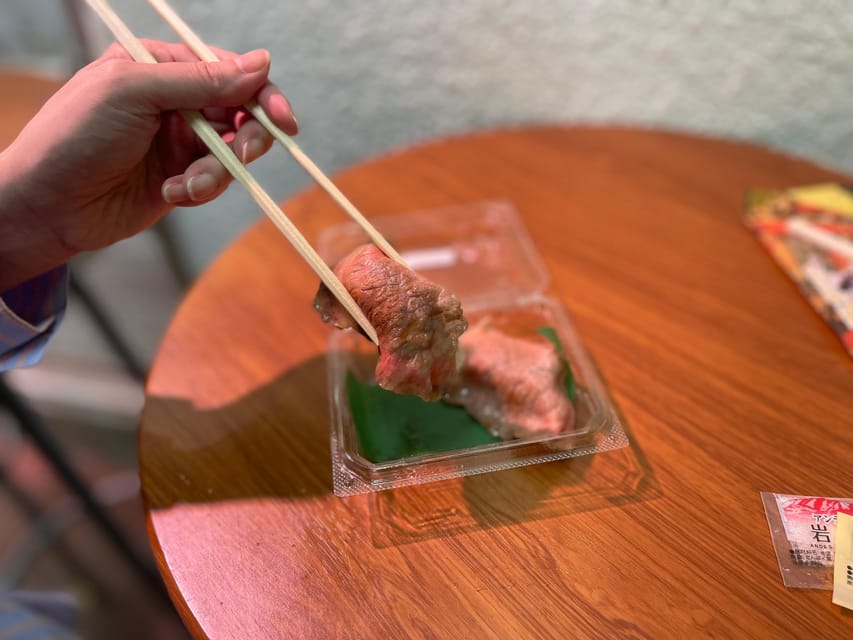
- A food walk with real variety: Tastings include seasoned seaweed, dried fish, roast beef sushi, oysters or sashimi, and bean snacks.
- A very small group: The tour is limited to six people, which makes questions and stall visits easier.
- Two important cultural stops: You visit Tsukiji Honganji Temple and Namiyoke Shrine, the shrine that supports Tsukiji workers.
- Lunch is your choice: After the included tastings, you can buy lunch at the market, but that meal costs extra.
- Seafood and meat are part of the route: This is not a flexible vegan or allergy-friendly food tour.
- A guide matters here: Tsukiji can feel like a maze, and the tour is designed to lead you to recommended shops rather than simply point at them.
Why Tsukiji still matters after the wholesale market moved
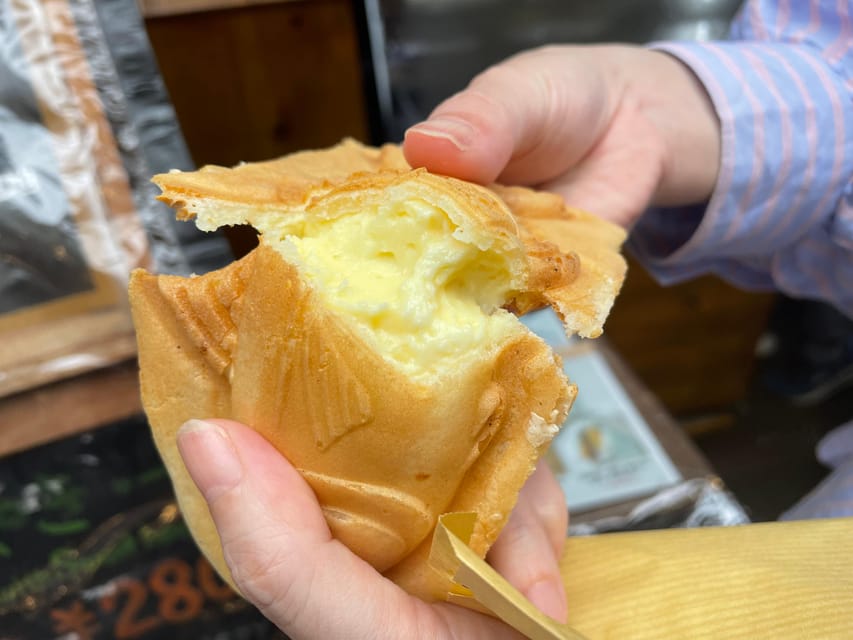
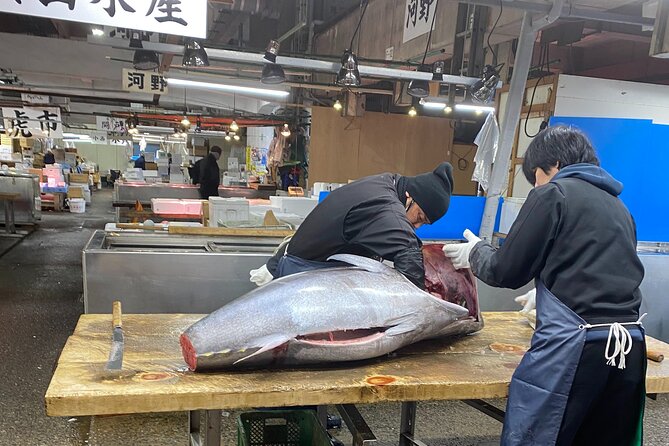
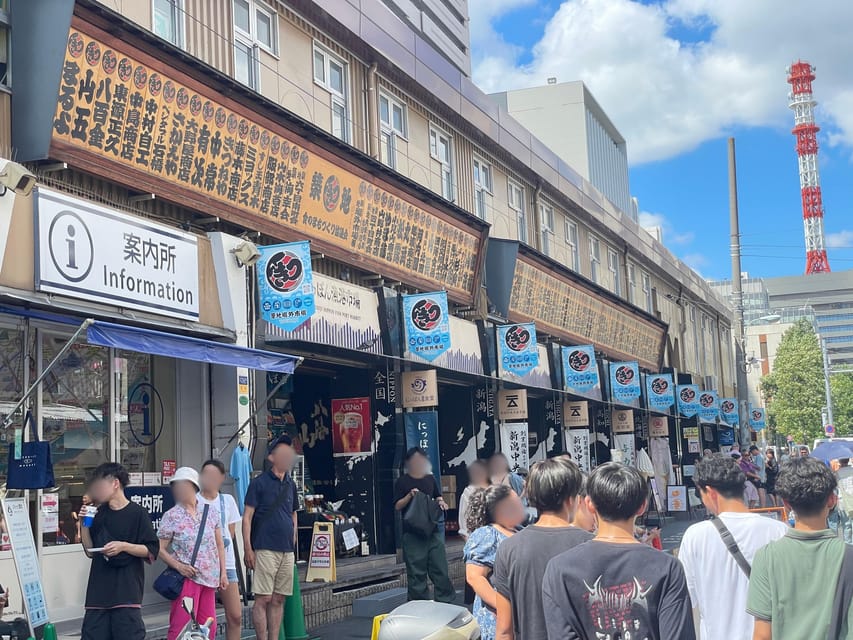
The name Tsukiji often brings to mind Tokyo’s former central wholesale market, but that market has closed and its wholesale operations moved elsewhere. The Tsukiji Outer Market remains open as a shopping and dining district, with shops selling Japanese foodstuffs and small places serving quick meals.
That distinction matters. You are not touring the old wholesale market or watching its famous tuna auctions. You are walking through the active retail area that continues to serve as a practical food center and a popular stop for people curious about Japanese ingredients.
I like this setting because it gives you more than a string of tastings. The food is tied to daily shopping, local customs, and the people who work in the district. Your guide can explain what you are eating, how it is used, and why a particular shop is worth your time.
The market is best approached with an appetite and a little patience. The route includes breakfast, brunch, dessert, lunch, local snacks, food tasting, and shopping, so the three hours are built around repeated small bites rather than one large meal. You can keep your pace comfortable, but you should expect food to be the main event.
A few more Tokyo tours and experiences worth a look


Starting at Tsukiji Honganji Temple
The meeting point is outside the main gate of Tsukiji Honganji Temple. This is useful because it gives the tour a clear landmark and begins with one of Tsukiji’s most important sights before you enter the food stalls.
You spend about 20 minutes at the temple with a guided visit and photo stop. That time is short, but it gives you a cultural frame for the market. The tour is not only about finding something tasty. It also shows you the places that help explain why Tsukiji developed as a community.
For you, the temple stop works best as an introduction rather than a full temple tour. If you want a long, quiet look at the building, plan a separate visit before or after the food walk. During this tour, the focus quickly moves toward the market.
Be precise with the meeting point. You meet outside the main gate, not inside the market. Since the experience finishes at Namiyoke Shrine, the tour is a point-to-point walk rather than a return to the starting place. That can be handy if you are continuing through Tsukiji afterward.
Two hours inside the Tsukiji Outer Market
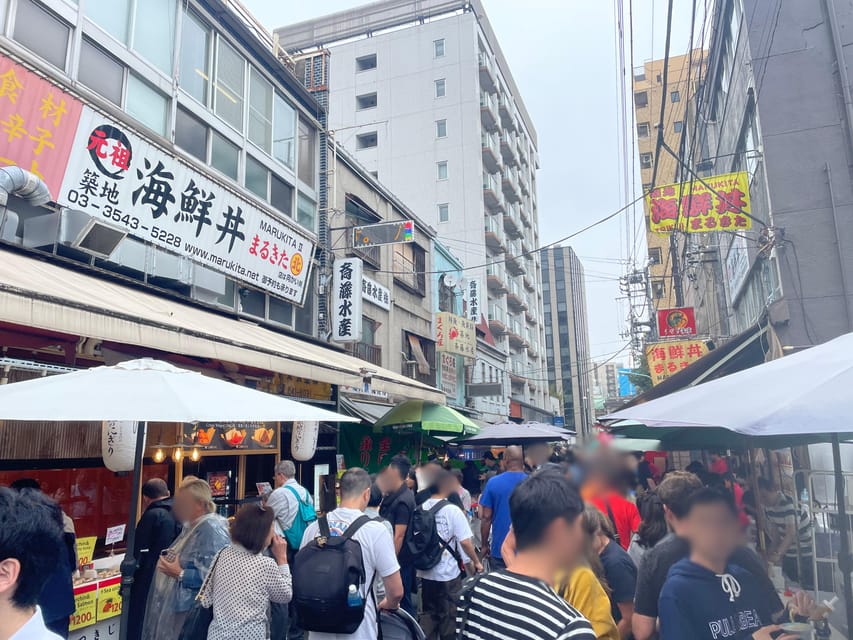
The main part of the experience lasts about two hours. Your English-speaking guide leads you through the Outer Market, stopping at recommended stores and helping you buy snacks along the way.
This is where the small group matters most. Tsukiji is described as a maze, and one participant specifically credited guide Haruka with finding the best spots and making the route easy to follow. With a maximum of six people, you should have a better chance to hear explanations and stay together than you would on a large coach-style outing.
Do not expect every stop to feel like a formal tasting room. The appeal is the market itself, with food sold in the places where it is bought and prepared. You may pass through stalls, pause for a sample, shop for ingredients, and stop for a light meal. The route has the feel of guided grazing rather than a fixed sit-down menu.
That format is a good match for curious eaters. You can see several kinds of Japanese food in one morning or afternoon and learn how the market operates as you go. It also keeps you from committing to a full portion of every unfamiliar item.
What you actually taste for $99
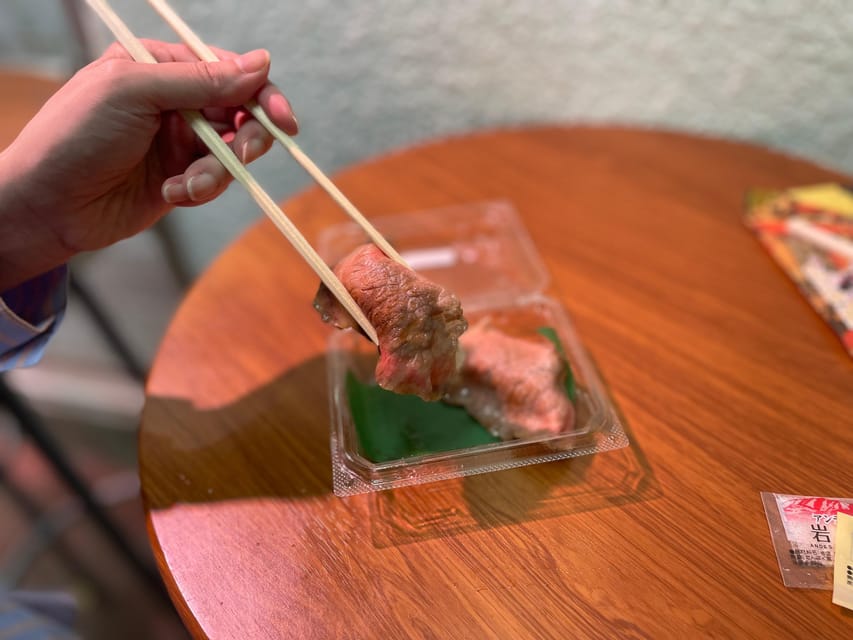
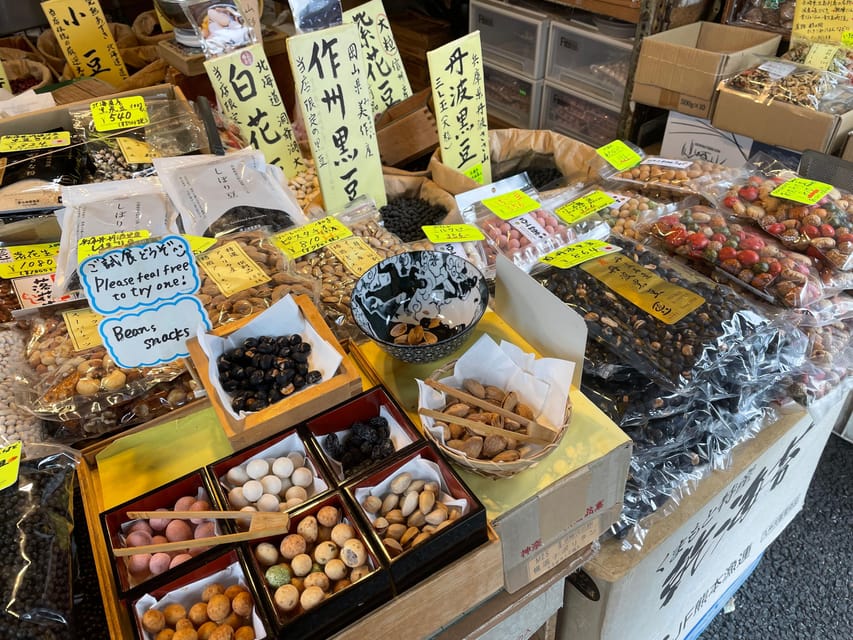
The included snacks are the clearest part of the price. They include seasoned seaweed, dried fish, roast beef sushi, oysters or sashimi, and bean snacks. That is a broad mix of textures and flavors, from preserved seafood to fresh raw items and a meat-based sushi-style bite.
The exact seafood choice can be oysters or sashimi, so you should not book expecting one specific dish. The important point is that seafood and meat are both built into the experience. This is not a tour where you can simply request that the animal products be left off.
I like the range because it shows that Japanese food culture is not only about raw fish. Seaweed, dried fish, beans, and prepared meat all have a place in the market. If you are new to Japanese food, the guide can help turn small samples into a useful introduction rather than a random series of bites.
The tastings are described as recommended light meals and snacks. They should not be treated as a guaranteed full lunch. You later have the chance to buy your own lunch, with the cost paid separately. Bring room in your appetite and some extra money if you want a substantial meal or additional purchases.
Shopping costs at each store are also extra. That is normal for a market walk, but it affects the real price. The $99 covers the guide and the listed snacks, not every food item that catches your eye. Tsukiji is the kind of place where you may want to buy more than you planned, so decide in advance how much you want to spend.
Choosing your own lunch after the tastings
The tour includes a chance to purchase your favorite lunch and eat it with the snacks bought during the walk. This gives you more control than a tour with one fixed restaurant meal.
That flexibility is valuable for two reasons. First, you can choose based on what has appealed to you during the market visit. Second, you can decide how much more food you want after several tastings. If the snacks have filled you up, you may prefer a lighter purchase. If you are still hungry, you can use the lunch stop to make the outing more substantial.
The lunch fee is not included, so consider the tour cost as a guided food experience plus a separate meal budget. The same applies to shopping. You are not being charged a hidden fixed meal fee, but you do need to pay for anything you choose at the stores.
I would ask the guide early in the tour how the lunch portion will work on that day. The supplied details confirm that you can buy lunch, but they do not name a particular restaurant or dish. That open format is part of the charm, yet it also means the final meal is less predictable than the included tastings.
A few more Tokyo tours and experiences worth a look



Namiyoke Shrine and the working side of Tsukiji
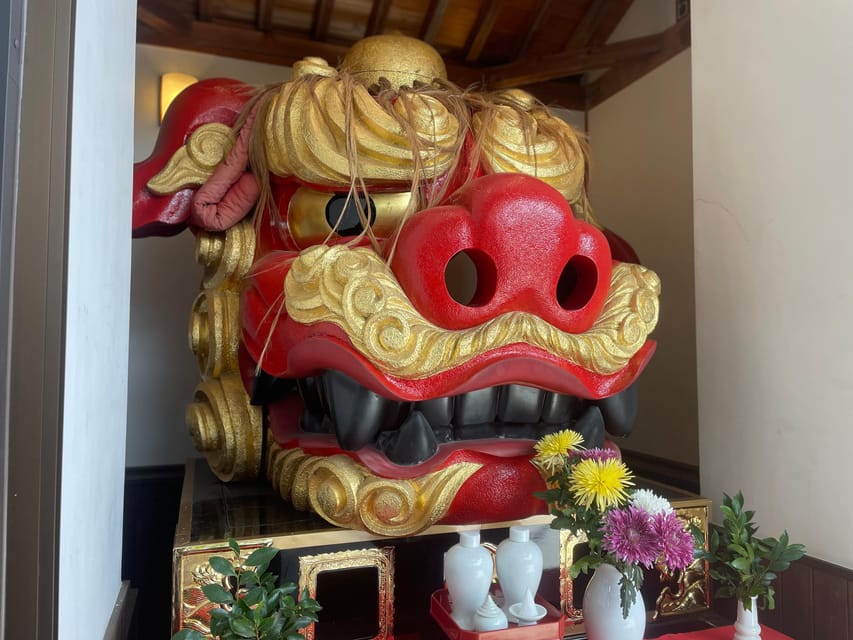
The tour finishes at Namiyoke Shrine, also known as Tsukiji Namiyoke Shrine. The shrine supports workers in Tsukiji and is described as essential for understanding the district.
Ending here gives the route a fitting final stop. You begin at a major temple, spend most of the time with food and commerce, then finish at a shrine connected to the people who work in the market. It helps link the stalls and snacks to the community around them.
The shrine visit is not listed with a separate fixed duration, so the amount of time there may be shorter than the temple and market portions. Still, it adds an important layer to the experience. You are not simply passing through a shopping zone. You are seeing a place with religious and working traditions tied to food.
If you have a strong interest in the cultural side of Tokyo, this pairing is one of the tour’s best features. The temple and shrine keep the food stops from feeling disconnected from the city around them.
Is the $99 price good value?
At $99 per person, this is not the cheapest way to eat in Tsukiji. You can buy individual snacks and meals on your own for less. The real question is what kind of help you want.
The price makes more sense if you value a guide who can lead you through a confusing market, choose recommended stores, explain the food in English, and organize several tastings. You are paying for access to a planned route and for the ease of not having to make every decision yourself.
The maximum group size of six also supports the price. A small group is better suited to a market than a large line of people. You can ask questions, stay near the guide, and make food purchases without the whole group becoming difficult to manage.
The value is weaker if you already know Tsukiji well, speak Japanese comfortably, or prefer to choose every bite independently. It is also less attractive if you expect a full lunch to be included. The listed snacks are included, but your main meal and personal shopping are not.
The high praise centers on two things: the food and the guide. One person described the atmosphere as great and praised the guide and assistants. Another had a particularly strong experience with Haruka, who helped with the market’s maze and took the group to appealing food stops. Those details suggest that the guide’s skill can make a real difference here, though Haruka is not guaranteed for every departure.
Who should book this Tsukiji walk?
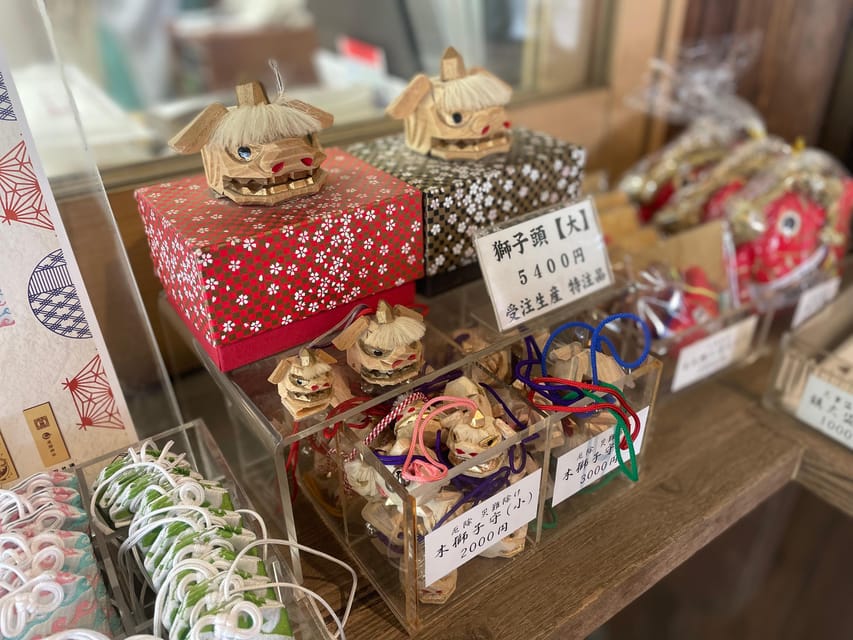
I would recommend it most strongly to first-time visitors who want a friendly introduction to Japanese market food without planning every stop themselves. You will get a broad sampling, a look at two important religious sites, and a guide who can explain what is in front of you.
It also suits people who like small portions and variety. The included food moves from seaweed and dried fish to sushi, seafood, and bean snacks. You can try more items than you would likely order alone, while keeping the chance to choose a separate lunch.
The tour is a good fit for confident seafood eaters. Oysters or sashimi are part of the listed tastings, and meat is included as well. If you do not eat seafood, meat, or animal products, this is the wrong food walk.
People with allergies should also avoid booking. The tour specifically warns that the snacks include seafood and meat and says it is not suitable for people with food allergies. Do not assume the guide can redesign the tasting menu around your needs.
Wheelchair users should not book this experience either, since it is not wheelchair accessible. The market route includes visits to stores and food stops, but no further accessibility details are provided.
Practical details that affect your day
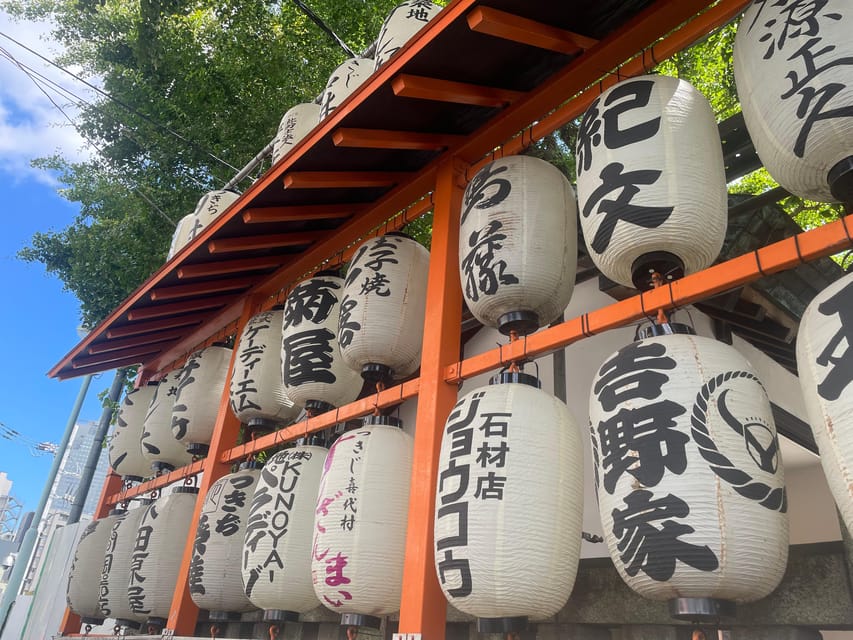
The experience lasts three hours, with starting times available according to the date you select. Since the activity includes breakfast, brunch, dessert, lunch, shopping, and tasting elements, check the start time before booking and plan the rest of your day around a food-heavy outing.
You meet outside the main gate of Tsukiji Honganji Temple and finish at Namiyoke Shrine. That makes the route easy to combine with more time in Tsukiji, but you should not expect to return to the temple at the end.
The tour is offered in English with a live guide. The group is limited to six participants. For a market walk, those are useful details, not minor extras. A live English-speaking guide can explain unfamiliar ingredients as you encounter them, while the small group keeps the route practical.
You can cancel up to 24 hours in advance for a full refund, and the reserve-now, pay-later option lets you hold a place without paying immediately. Those policies are helpful if your Tokyo schedule is still changing.
Six questions to ask yourself before booking
Can you eat seafood and meat? If not, the included snacks do not match your diet.
Do you want guidance or independence? If you like finding your own stalls, the organized route may feel restrictive. If Tsukiji feels confusing, the guide is likely the main reason to book.
Are you prepared to pay for lunch? You choose and buy that meal separately, along with any shopping.
Do you want a cultural stop as well as food? The temple and shrine make this more than a snack crawl.
Are you comfortable with a three-hour food schedule? The route includes repeated tastings and meal opportunities, so it is not ideal if you prefer a light, brief stop.
Will a walking route work for you? The activity is not wheelchair accessible, and no alternate accessible arrangement is provided.
Should you book this Tsukiji experience?
Book it if you want a guided first look at Tsukiji, enjoy seafood and meat, and value a small group with an English-speaking guide. The strongest reasons are the variety of included tastings, the help with finding good stops, and the connection between the market, Tsukiji Honganji Temple, and Namiyoke Shrine.
Skip it if you need a vegan or allergy-safe menu, use a wheelchair, or want lunch included in the advertised price. You should also skip it if you already know the market and prefer to spend your money directly on your own choices.
For the right eater, this is a practical way to understand Tsukiji through small bites, local shopping, and the people who keep the district going. Just arrive hungry, bring a little extra for lunch, and remember that the guide and tastings are included while your larger meal and shopping are not.
FAQ
Where does the Tsukiji food tour meet?
You meet outside the main gate of Tsukiji Honganji Temple at 3-chōme-15-1 Tsukiji.
Where does the tour finish?
The tour finishes at Namiyoke Shrine, written as 波除神社 in the supplied details.
How long does the experience last?
The tour lasts three hours. Starting times depend on availability for your chosen date.
What food is included?
Included snacks are seasoned seaweed, dried fish, roast beef sushi, oysters or sashimi, and bean snacks.
Is lunch included in the price?
No. You can purchase your preferred lunch during the tour, but the lunch fee is separate. Shopping costs at the individual stores are also extra.
Is the tour suitable for vegans, people with food allergies, or wheelchair users?
No. The tour is listed as unsuitable for vegans, people with food allergies, and wheelchair users.
More Food Experiences in Tokyo
More Tsukiji Market Tours in Tokyo

More tours in Tokyo we've reviewed












Tsukiji Market Tours, compared.
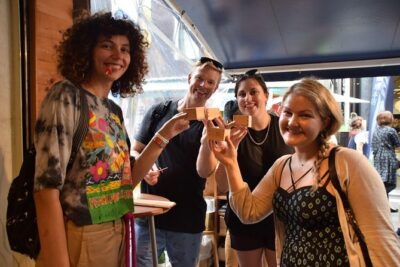 ★ 5.0Tokyo Tsukiji Fish Market Food and Culture Walking TourFrom $99
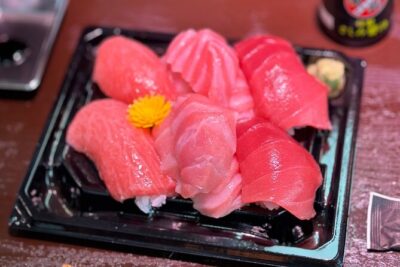 ★ 5.0Tokyo: Tsukiji Fish Market Food and Walking tourFrom $30
 ★ 4.9Tokyo: Tsukiji Fish Market Guided Walking TourFrom $222 hours
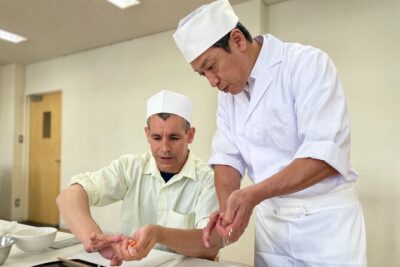 ★ 5.0Tokyo Sushi Making Class in Tsukiji with Professional ChefFrom $49
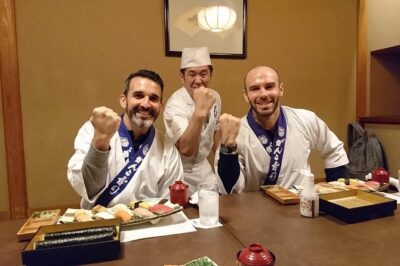 ★ 5.0Tsukiji Fish Market Guided Tour and Sushi Making with Pro ChefFrom $104
★ 4.7Tokyo: Tsukiji Fish Market Food and Culture Walking TourFrom $963 hours