Reviewed · MT FUJI DAY TRIPS
Mount Fuji Full Day Customized Private Tour with English Guide
The best thing about this Mount Fuji day trip is the freedom to string together places that are spread across the region without wrestling with buses or train connections. You ride alone with your group, starting with hotel pickup in Tokyo, then choose how to spend the day around lakes, shrines, viewpoints, and volcanic sites.
In This Article
- Key points to know before booking
- A private road trip from Tokyo to Mount Fuji
- Mount Fuji 5th Station: high views and a separate fee
- Oishi Park and Lake Kawaguchiko
- Oshino Hakkai and the water shaped by volcanoes
- Arakurayama Sengen Park and Chureito Pagoda
- Narusawa Ice Cave: the unexpected highlight
- Optional Hakone stops: choose carefully
- What the driver-guide experience is really like
- Weather, traffic, and the risk of missing Fuji
- Who will get the most from this tour?
- Should you book the Mount Fuji private tour?
- FAQ
- How long does the Mount Fuji private tour last?
- How many people can join the private tour?
- Is hotel pickup included?
- Is transportation provided?
- Is Mount Fuji 5th Station admission included?
- Which stops are optional?
- What happens if bad weather cancels the tour?
I like the private vehicle for up to six people, especially because the ride from Tokyo can be long. I also like the flexible pace: you can wait by Lake Kawaguchiko for clouds to lift, spend more time at a favorite viewpoint, or swap in an optional Hakone stop.
The main caution is timing. Ten hours sounds generous, but Tokyo traffic, crowds, and the distance to Mount Fuji can force choices. Some drivers are praised as flexible guides, while others have been described as quiet or limited in English, so your experience may depend heavily on the person assigned.
Key points to know before booking
- Private Tokyo pickup for up to six: The $350 group price becomes good value when shared by four to six people.
- A full circuit of Fuji-area sights: The main route includes the 5th Station, Oishi Park, Oshino Hakkai, Lake Kawaguchiko, Arakurayama Sengen Park, Narusawa Ice Cave, and Chureito Pagoda.
- Some stops are optional: The Hakone Open-Air Museum, Owakudani Valley, Lake Ashinoko, and Gotemba Premium Outlets may require you to adjust the main route.
- Views depend on weather: Fog and clouds can hide Mount Fuji, even on a well-planned day.
- The driver-guide makes a big difference: Guides named in customer feedback include Ali, Hassy, Mian, Mr. Moon, and Khulaid, but guide assignments vary.
- Budget for the 5th Station fee: Admission is not included and is listed at ¥2,100.
A private road trip from Tokyo to Mount Fuji
This is less a single attraction than a custom road trip through the Fuji Five Lakes area and, possibly, Hakone. You are not joining a large coach with a fixed sequence and a guide speaking into a microphone. Your group gets a private, air-conditioned vehicle and an English-speaking driver.
That matters because the sights are scattered. Mount Fuji 5th Station sits high on the mountain, while Oshino Hakkai, Lake Kawaguchiko, Arakurayama Sengen Park, and Narusawa Ice Cave each lie in different directions around the base. Public transportation can reach many of these places, but fitting them into one day from Tokyo takes more planning and patience.
The advertised duration is about 10 hours. That includes the Tokyo pickup and return, not 10 hours spent beside the mountain. The drive can eat up a large part of the day, especially during busy periods or holiday traffic. I would treat the schedule as a framework rather than a promise that every listed stop will receive a full hour.
You pay $350 per group, not per person. That works out to about $58 per person for six people, $87.50 each for four, or $175 each for two. For a family or small group, the private format can be a sensible use of money. For one or two people, it is a much bigger purchase, and you should value the convenience of door-to-door transport.
A few more Tokyo tours and experiences worth a look
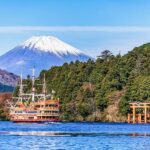
Mount Fuji 5th Station: high views and a separate fee
The 5th Station is the highest main access point on the mountain included in this route. It functions as a waystation for people heading toward the summit, and it gives you a different view of Fuji than the lakeside viewpoints below.
You get about two hours here in the planned schedule, though actual time can change with traffic and the condition of the road. The admission fee is not included and is listed as ¥2,100. Put that cost into your budget before you go.
The 5th Station is not always the best place for the classic full cone view. At this height, clouds can surround you, and the mountain may feel less visible than it does from Lake Kawaguchiko. Still, the stop gives the day a stronger sense of place. You are not merely looking at Fuji from a town. You are partway up the volcano itself.
If the weather is poor, ask your driver early about the order of stops. Since the day is private, you may have a better chance of adjusting the plan instead of spending your best clear-weather hours inside the vehicle.
Oishi Park and Lake Kawaguchiko
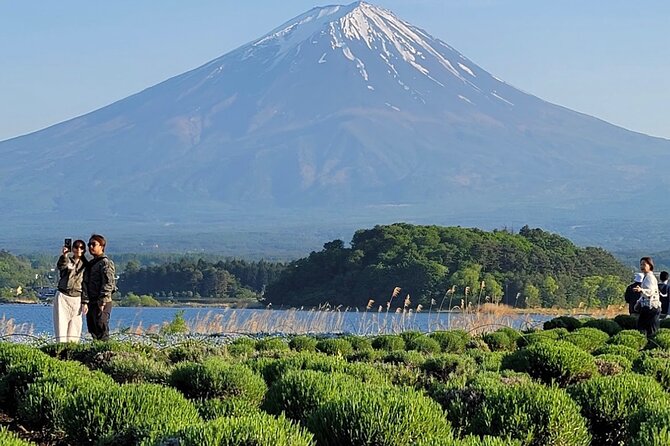
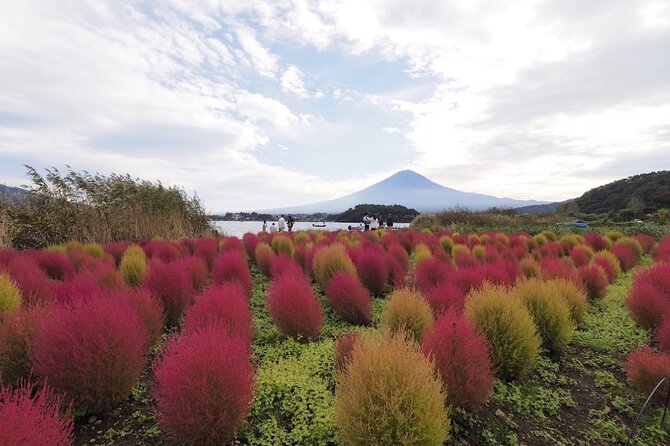
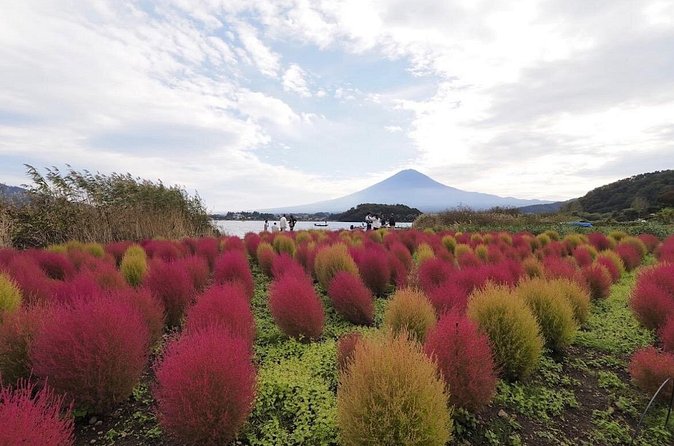
Oishi Park is one of the strongest photo stops on the route. It sits beside Lake Kawaguchiko, with Mount Fuji often framed beyond the water and seasonal flowers along the walking areas. The view changes with the time of year, so the park is not only about the mountain. Its flower displays add color when Fuji is partly covered.
The scheduled visit is one hour and admission is free. That is enough for a walk and photographs, but not much more if you also want a relaxed lakeside break. If clouds are moving across the peak, this is a place where flexibility pays off. One customer described waiting longer at the lake for the view to clear, which is exactly the kind of adjustment a private tour can allow.
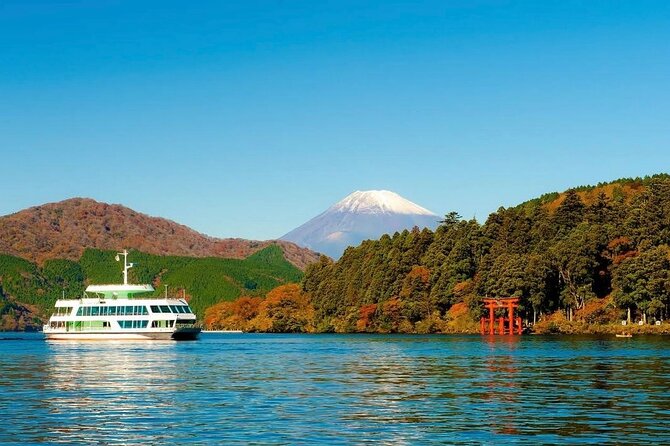
Lake Kawaguchiko is the oldest of the five Fuji lakes, formed by volcanic material from Mount Fuji and nearby vents. You do not need a geology lesson to enjoy it, but the setting explains why the day feels varied. The mountain, open water, shoreline, and distant towns give you several ways to see Fuji.
I would not rush this part of the day. If the summit is visible, Oishi Park and the lakeshore may provide more satisfying views than a quick stop at every other location.
Oshino Hakkai and the water shaped by volcanoes
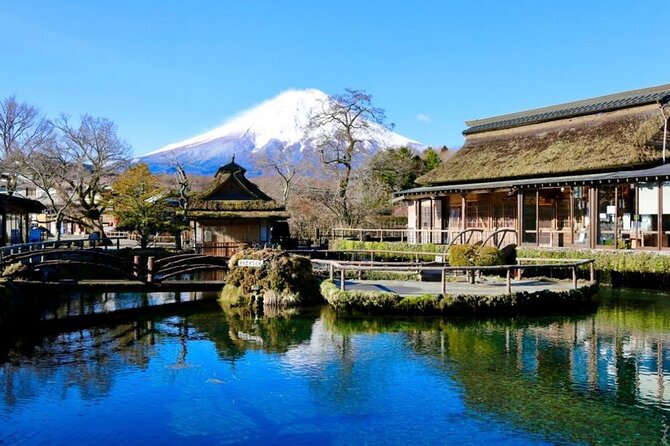
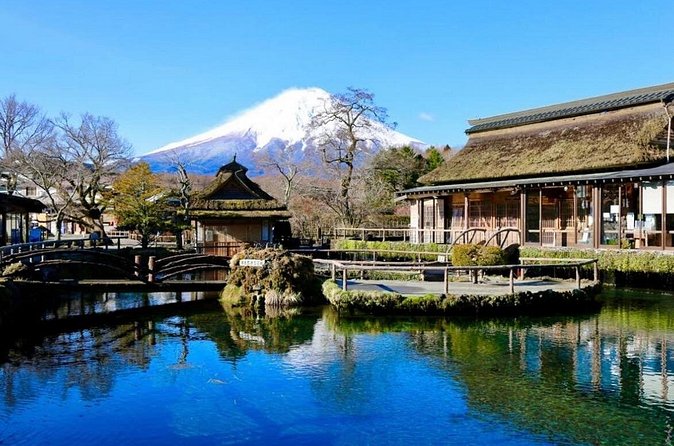
Oshino Hakkai is a village area known for eight clear ponds created by volcanic activity. Underground water from Mount Fuji feeds several of them, and the springs are known for mineral-rich water.
The planned stop lasts one hour and is free to enter. It gives you a change of mood from the broad lake views. Instead of looking outward at a huge mountain, you focus on water, small ponds, traditional-looking buildings, and the traces left by eruptions over time.
This stop can feel more compact and busy than the open parks. Your private vehicle solves the transport problem, but it cannot remove crowds from the site. Keep your expectations realistic: Oshino Hakkai is a scenic cultural stop, not a long wilderness walk.
It is also a good place to ask your driver questions about the route and local sights. The quality of explanation varies. Some assigned drivers, including Ali, Mian, Mr. Moon, and Khulaid in customer accounts, have been praised for patience, local direction, and flexibility. Other feedback describes a driver who mainly drove and offered little commentary. If learning about Japan matters to you, ask questions directly rather than waiting for a formal lecture.
Arakurayama Sengen Park and Chureito Pagoda
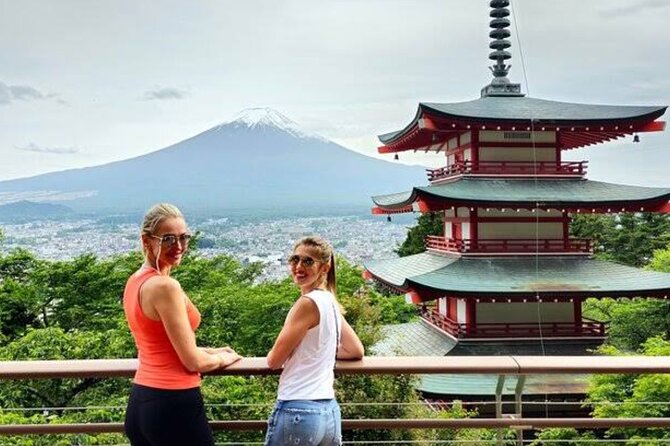
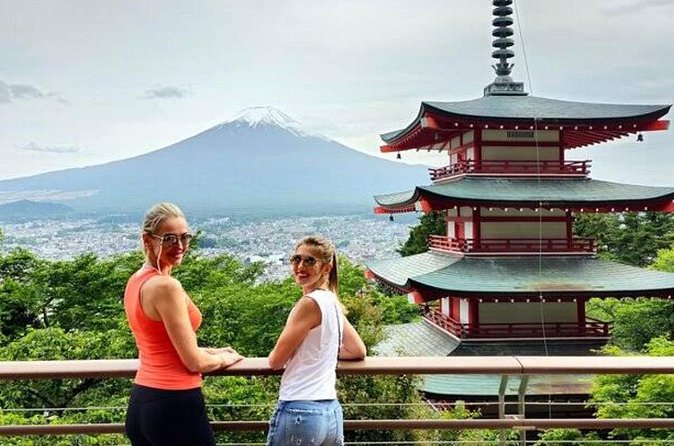
Arakurayama Sengen Park is one of the most recognizable Fuji viewpoints in the area. Chureito Pagoda rises on the mountainside above Fujiyoshida City, with Mount Fuji visible in the distance when the weather cooperates.
The route gives roughly an hour to this area, and the pagoda is free to visit. The catch is the climb. One customer described the viewpoint as worth about 400 stairs straight up. That makes this stop less suitable for anyone who cannot manage a steep stairway, and it can be tiring when squeezed into a long day.
The payoff is a classic Japanese scene: pagoda, mountain, and city arranged in one frame. The view is not guaranteed. Fog can hide Fuji, but the pagoda and hillside still give you a worthwhile stop if you enjoy shrines and elevated viewpoints.
Arakura Sengen Shrine traces its origins to the ninth century and is dedicated to Konohanasakuya-hime, a Shinto deity associated with Mount Fuji and volcanic power. You can appreciate the setting without turning the visit into a history class. Take your time on the stairs, and do not let the pressure to keep moving spoil one of the day’s most distinctive places.
Other guided tours in Tokyo


Narusawa Ice Cave: the unexpected highlight
Narusawa Ice Cave was formed by lava from Mount Fuji’s eruption in 864. The lava tube contains ice formations, including sections described as reaching about 10 feet high.
The scheduled visit is only 30 minutes, and admission is not included. That short time may be enough for a quick look, but it also means you should confirm the current entry cost and conditions before the day begins.
The cave adds something different to a Fuji tour. You move from wide views and open water into a confined volcanic passage. One customer called the ice cave an unexpected highlight, and I can see why. When clouds block the mountain, a site like this can rescue the day by offering a real experience rather than another distant photograph.
This is not simply a viewpoint. It shows what volcanic activity did beneath the surface. Wear sensible footwear and follow the site’s instructions, though the supplied tour information does not specify any particular equipment or physical requirements.
Optional Hakone stops: choose carefully
The tour description also lists several Hakone-area options: the Hakone Open-Air Museum, Owakudani Valley, Lake Ashinoko, and Gotemba Premium Outlets. These should not be treated as guaranteed additions to a full Fuji circuit. They are best understood as alternatives or extra choices that need to fit the day.
The Hakone Open-Air Museum was Japan’s first outdoor museum, established in 1969. Its sculpture collection is spread through an open-air setting, with indoor galleries as well. The planned visit is 30 minutes, and admission is not included. That is a very short visit for an art museum, so I would choose it only if your group genuinely wants sculpture and is willing to shorten other stops.
Owakudani is a volcanic valley formed after an eruption and collapse in the Hakone volcano about 3,000 years ago. Thirty minutes is enough to see the dramatic volcanic area if access is open, but not enough for a leisurely visit. Conditions around volcanic sites can change, and your driver will need to account for the day’s route.
Lake Ashinoko was formed by volcanic activity that dammed the Hayakawa River. It has also been a sacred site since the eighth century. The planned stop is again 30 minutes, which makes it a quick scenic pause rather than a full Hakone visit.
Gotemba Premium Outlets offers shopping with views toward Mount Fuji. The listed time is one hour, and admission is free, but one hour is barely enough if shopping is a priority. Also, a stop at the outlets changes the character of the day. You are trading natural sights for retail time, so it makes sense mainly for a group with a clear shopping goal.
The summary refers to the Hakone Ropeway, but the detailed stop list does not give it a scheduled visit. Confirm exactly what is included before departure. This is important because Fuji and Hakone are large areas, and trying to cover every option can turn the day into a rushed drive.
What the driver-guide experience is really like
The English-speaking driver is central to the quality of this tour. You are paying for transport and private planning more than for a formal guiding service with guaranteed depth at every stop.
The strongest customer accounts describe drivers who arrived on time, knew good viewing points, helped with photographs, and adjusted the plan when clouds covered Fuji. Hassy was praised for timing and photography. Ali was described as patient, cheerful, and flexible. Mian was praised for courtesy and local knowledge, while Mr. Moon was described as familiar with the area. Khulaid was noted for helping a parent and teenage child avoid peak crowds.
But the experience is not uniform. Some customers found the driver’s English limited, and one felt the guide knew little about Japanese history. Another said the driver spoke very little during the long ride. If you want detailed cultural interpretation, make that a booking question. If you mainly want a private car, photos, and help moving between sights, the arrangement may suit you better.
At pickup, clarify the order of stops, the optional locations, the 5th Station fee, and the planned return time. Put important changes in writing if possible. A small amount of communication at the start can prevent a rushed afternoon.
Weather, traffic, and the risk of missing Fuji
Mount Fuji is a weather-dependent sight. Fog can cover the entire peak, and a day with clear skies in Tokyo may look completely different near the mountain. One customer who saw no Fuji at all received useful advice: if you have several days in Tokyo, consider waiting until you can check local visibility before booking.
That advice has limits because availability may change, but the point is sound. Do not book this day only for one perfect photograph. The cave, ponds, pagoda, lake, and shrine give you other reasons to go, but the mountain remains the main attraction.
Traffic is the other concern. A New Year’s Eve outing reportedly required an early return and skipped several stops, including the 5th Station. Another customer described a rushed day after being warned about extra charges beyond eight hours. The supplied tour terms say the duration is approximately 10 hours, so ask clearly about the actual time limit and any possible overtime charge before setting an ambitious plan.
Who will get the most from this tour?
I would recommend this for a family, couple, or group of friends that wants private transport and does not want to manage a complicated regional route. It is especially useful for groups of four to six, since the fixed group price becomes much easier to justify.
It also suits people who want photographs from several angles rather than one standard bus-tour stop. You can see Fuji from a lake, a park, a shrine viewpoint, and possibly the mountain itself at the 5th Station.
I would hesitate if your top priority is expert Japanese history, a guaranteed English-speaking scholar, or a slow visit at every site. The day covers a lot of ground, and the driver’s communication skills can vary. It is also a poor match for anyone unable to handle the stairs at Chureito Pagoda or a full day on the road.
Hotel pickup and drop-off from Tokyo, private transportation, air-conditioning, and bottled water are included. Most people can participate, service animals are allowed, and the experience is described as suitable for a private group only. The tour has a 4.7 out of 5 rating from 220 ratings, with 93 percent recommending it, but the occasional serious complaint about cancellation, missed stops, or poor communication deserves attention.
Should you book the Mount Fuji private tour?
Book it if your priority is convenience, privacy, and flexibility. The chance to wait for clouds to clear, stop for photographs, and avoid public transport is valuable, especially for six people sharing the $350 cost.
Before paying, ask which driver will be assigned, how much guiding is provided in English, which Hakone stops are truly available, and how overtime is handled. If the forecast is poor and you have spare days in Tokyo, wait for a better visibility window. If you have only one day and want to see several Fuji-area sights without planning the transport yourself, this remains a practical choice, provided you accept that the schedule may need to shrink.
FAQ
How long does the Mount Fuji private tour last?
The tour lasts approximately 10 hours, including pickup and drop-off from Tokyo.
How many people can join the private tour?
The $350 price covers one private group of up to six people. Only your group participates.
Is hotel pickup included?
Yes. Pickup and drop-off from Tokyo hotels are included.
Is transportation provided?
Yes. The tour includes private transportation in an air-conditioned vehicle.
Is Mount Fuji 5th Station admission included?
No. The 5th Station entrance fee is listed separately at ¥2,100.
Which stops are optional?
The Hakone Open-Air Museum, Owakudani Valley, Lake Ashinoko, and Gotemba Premium Outlets are listed as optional stops. Confirm the final route before the tour begins.
What happens if bad weather cancels the tour?
If poor weather causes the experience to be canceled, you will be offered a different date or a full refund. You can also cancel at least 24 hours before the start time for a full refund.
More Private Tours in Tokyo

More Guided Tours in Tokyo
More Mt Fuji Day Trips in Tokyo

More tours in Tokyo we've reviewed












Mt Fuji Day Trips, compared.
 ★ 5.0Mt Fuji and Hakone 1-Day Bus Tour Return by Bullet TrainFrom $163
 ★ 4.0Mt Fuji & Hakone Cruise, Drum Show Bullet Train 1 Day from TokyoFrom $149
 ★ 4.4Tokyo Mt Fuji 5th St & Hakone Cruise Bus Tour w/Bullet TrainFrom $15410 hours
 ★ 4.5From Tokyo: Mount Fuji Full-Day Sightseeing TripFrom $6810 hours
 ★ 4.7Tokyo: Mt. Fuji Tour, Hakone Ropeway, Owakudani, Lake AshiFrom $5410 hours
 ★ 4.4Tokyo:Mt.Fuji,Kawaguchiko Oishi Park,Arakurayama Sengen ParkFrom $5410 hours