Reviewed · AKIHABARA & ANIME TOURS
Otaku Tour for Anime, Manga and Game Lovers
Akihabara is Tokyo’s loud, colorful home of anime, manga, games, figures, and rare collectibles. This five-hour small-group tour gives you a practical way to sort through the district’s many stores, arcades, and tucked-away stops without spending your whole day guessing which doors are worth opening.
In This Article
- Key details for anime and game fans
- Why Akihabara works best with a guide
- Starting at Cow Cow Kitchen in Atre Akihabara
- Anime, manga, and game stores across Akihabara
- Two arcade stops with room to play
- The museum and Akihabara’s wider pop culture
- A local lunch stop, with the bill separate
- Ending at a major anime souvenir shop
- What the guide adds to the day
- Is $105 a fair price?
- Who should book this Akihabara tour?
- Practical details before you book
- Should you book it?
- FAQ
- Where does the Otaku Tour begin and end?
- How long does the tour last?
- What language is the tour conducted in?
- How many people can join the tour?
- Are lunch and shopping included in the price?
- What happens if I need to cancel?
I like the mix of retro game hunting and modern anime shopping, and I like that the route includes two arcade stops rather than treating Akihabara as a string of souvenir shops. Guides such as Leon also add useful context about Japanese pop culture and daily life in Japan.
The main drawback is cost control. The $105 fee covers the guide and route, but lunch and every purchase come out of your pocket. You’ll also want to confirm the starting time and group size before booking, since the tour needs at least two participants for its full five-hour format.
Key details for anime and game fans
- Akihabara from several angles: Visit anime stores, manga and game shops, retro retailers, arcades, and a museum.
- Two arcade stops: Play on your own or challenge other people in the group.
- Three or more game and retro stores: The route is designed to include both popular shops and less obvious places.
- A local lunch stop: Lunch is part of the route, but the meal itself is not included in the price.
- A major souvenir finish: End at one of Tokyo’s biggest shops for anime and gaming gifts.
- Small English-speaking group: The tour is limited to 10 people and is led by a local otaku guide.
Why Akihabara works best with a guide
Akihabara can look simple at first: giant signs, bright storefronts, game centers, and shelves full of figures. In practice, the district is spread across many buildings and floors, and the difference between a useful specialty store and a tourist-oriented shop is not always clear from the street.
That is where this tour earns its keep. You are not simply walking through the neighborhood and taking photos. You are moving between several types of shops, with an English-speaking guide explaining what you are seeing and helping shape the route around anime, manga, and games.
The word otaku refers to a person with an intense interest in a particular hobby, often anime, manga, games, or collectibles. You do not need to identify as an otaku to enjoy this tour. It also suits curious visitors who want to understand why Akihabara has such a strong place in modern Japanese popular culture.
The group limit of 10 matters here. Stores can be crowded, displays can be dense, and large groups quickly become awkward in narrow aisles. A small group gives you a better chance to ask questions, compare finds, and keep moving without losing half the party.
A few more Tokyo tours and experiences worth a look



Starting at Cow Cow Kitchen in Atre Akihabara
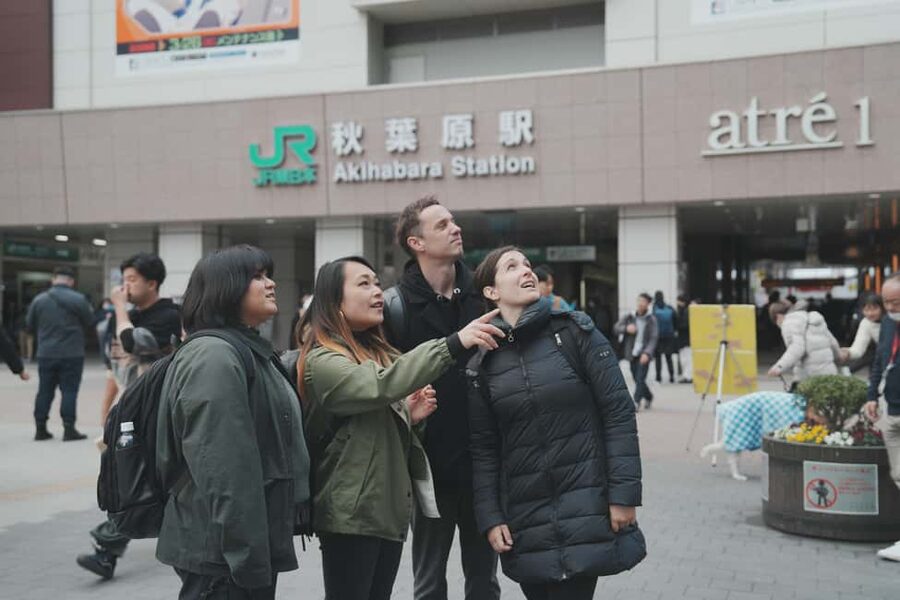
The tour begins and ends at Tokyo Milk Cheese Factory Cow Cow Kitchen, located in Atre Akihabara 1. This gives you a clear meeting point inside the Akihabara station complex, rather than asking you to find an obscure street entrance or an unnamed corner.
You should plan to arrive with your bearings already sorted. Akihabara Station has several exits and connected shopping areas, so giving yourself extra time is sensible even though the starting place is specific. The same location is used at the end, which makes the finish easy to manage if you have dinner plans or a train to catch.
Starting at a station shopping complex also places you in the middle of Akihabara from the first minute. You will not spend a large part of the tour traveling to the district or returning from it. The time is aimed at shops, arcades, local food, and conversation.
Anime, manga, and game stores across Akihabara
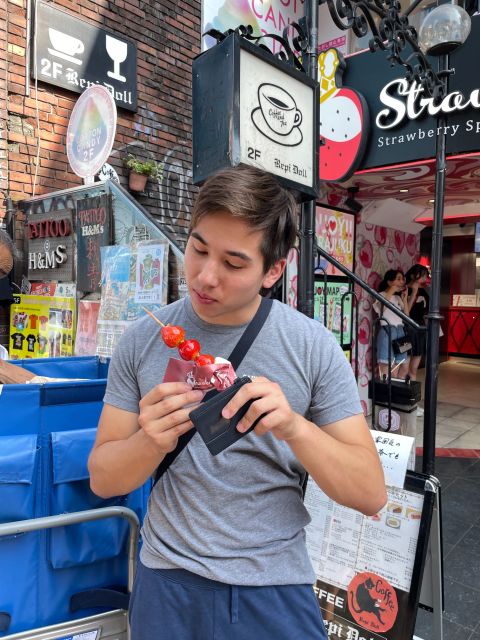
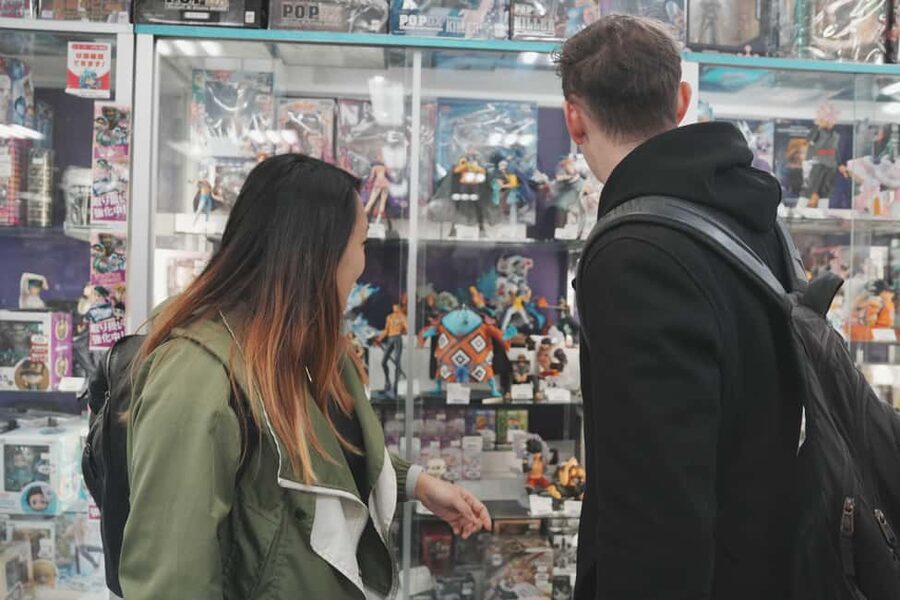
The main portion of the tour visits at least three game or retro stores, along with other anime-related shops. That range is important because Akihabara’s appeal is not limited to new releases. You might find older games, collectible figures, manga-related merchandise, character goods, and items tied to series you already know.
The exact stock changes constantly, so you should not book this expecting one particular figure or cartridge to be waiting on a certain shelf. The value is in having someone point you toward the right kinds of stores and explain where different types of merchandise tend to appear.
Retro game stores can be especially useful for shoppers who want something beyond a standard Tokyo souvenir. You might find an older title, a Japanese edition, or a small item connected with a game you remember from childhood. The tour does not include purchases, so check prices and condition carefully before committing to anything.
The larger anime and gaming shops offer a different experience. Their multiple floors and broad stock make them better for current releases, figures, character goods, and gifts for friends. They can also be overwhelming. A guide can help you decide which floors deserve your time instead of leaving you to wander through every level.
The tour also makes room for tucked-away shops. That phrase should be understood realistically. It does not guarantee a secret store or a rare item. It means you will have a chance to visit places that are less obvious than the biggest storefronts, which can make the route feel more personal and less like a simple shopping checklist.
Two arcade stops with room to play
Arcades are a major part of Akihabara’s entertainment culture, and this tour includes two arcade visits. You can test your skills or challenge other members of the group, making this a more active stop than simply browsing shelves.
That part of the route will appeal most if you enjoy playing games, not just looking at them. It also gives the group a natural change of pace after several stores. Five hours of merchandise browsing can become tiring, while an arcade stop adds some energy and friendly competition.
Still, you should keep your expectations flexible. The information provided does not promise a particular machine, game title, prize, or number of plays. The appeal is the chance to experience two major arcade venues with a guide and fellow participants, not a guaranteed tournament or private gaming session.
If you are traveling with someone who is less interested in shopping, the arcade visits may help keep the day enjoyable for everyone. If you dislike games or noisy entertainment spaces, these stops may feel less useful than the store visits.
The museum and Akihabara’s wider pop culture
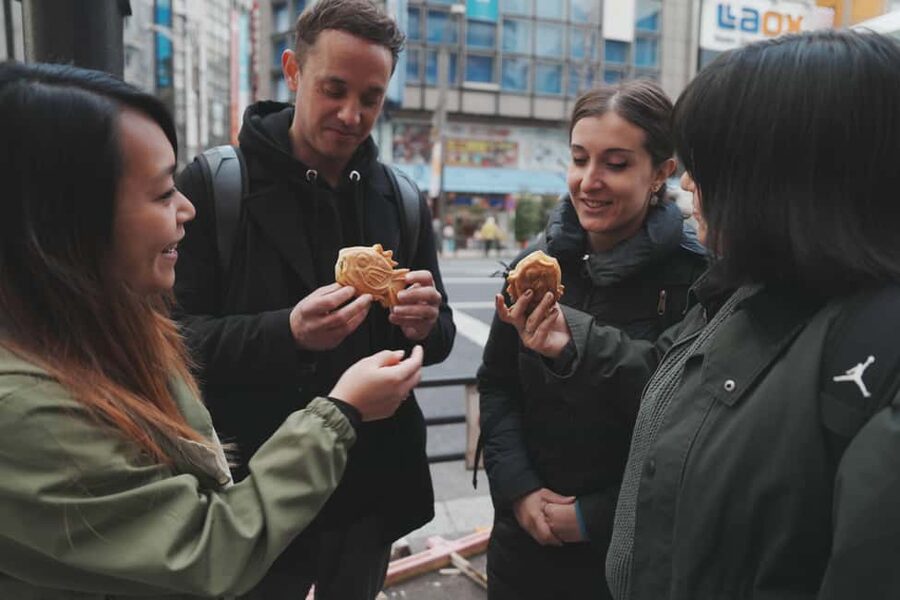
The experience also includes a museum among its anime and game-related stops. The specific museum is not identified, so you should not book this expecting a particular exhibition or permanent collection.
Its place in the route still matters. Akihabara is more than retail. A museum stop can give you a little context for the characters, games, and visual culture that fill the district’s stores. It also breaks up the shopping and gives you another way to understand the neighborhood.
Because the exact museum and exhibition are not stated, ask your guide about the day’s plan if this part is especially important to you. The shop stock and temporary displays may change, and the museum portion may be one part of a wider walking route rather than the central focus.





A local lunch stop, with the bill separate
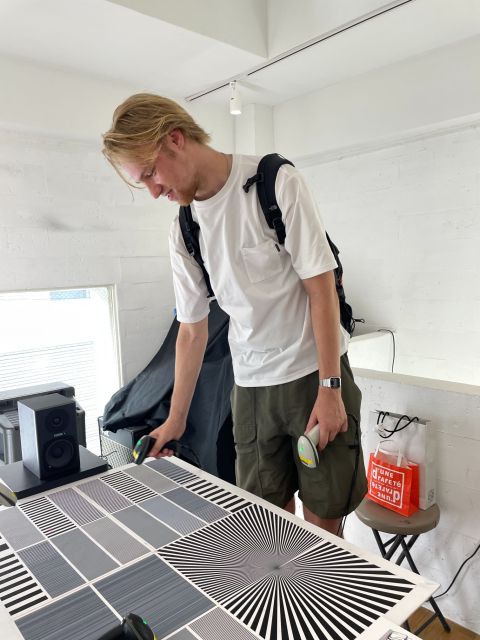
Lunch is included as a stop, but the meal is not included in the $105 price. That distinction is easy to miss and worth planning for. Bring enough yen or a payment method accepted by the chosen restaurant, and allow room in your budget for food as well as shopping.
The information does not specify the restaurant, menu, dietary options, or meal cost. You should therefore treat this as a chance to eat at a local lunch spot, not as a prepaid meal or a fixed food tasting.
There is a practical benefit to having lunch built into the route. You will be walking, browsing, and possibly playing games for several hours, so a food break keeps the experience from becoming an endurance test. If you have allergies or strict dietary needs, tell the guide before the tour if possible, though the available details do not promise special arrangements.
Ending at a major anime souvenir shop
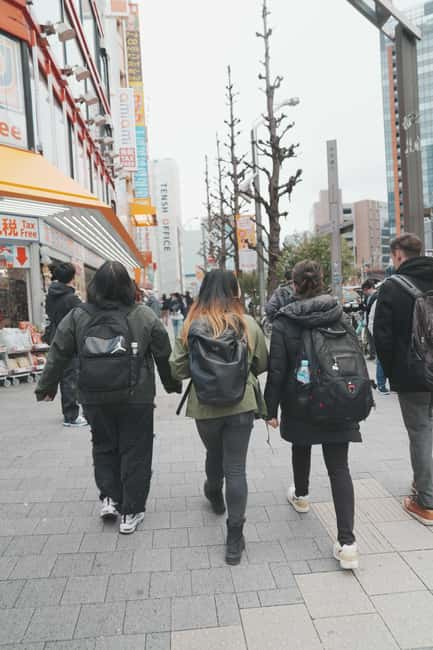
The final stop is one of Tokyo’s biggest anime and gaming souvenir shops. This is a useful way to finish because you can make your main purchases after seeing the range of stores earlier in the day.
You may prefer to wait until this stop before buying gifts. Early purchases can become a nuisance when you still have hours of walking ahead, and the final shop gives you one last chance to compare what you have seen. On the other hand, merchandise can vary from shop to shop, so do not assume every item will be available at the last stop.
The shop is intended for souvenirs, but that does not mean everything will be cheap. Popular figures, limited goods, and branded items can add up quickly. Set a spending limit before the tour, especially if you are visiting with children or if you are prone to saying just one more thing at every shelf.
Since the tour returns to Cow Cow Kitchen in Atre Akihabara, you can end the day close to the station. That is convenient for carrying bags, though you may want to avoid buying anything especially bulky if you have more Tokyo sightseeing afterward.
What the guide adds to the day

A good Akihabara guide does more than lead you from one shop to the next. The guide helps connect the merchandise to the culture around it, explains what different stores specialize in, and answers questions that are difficult to solve from signs alone.
Leon is specifically praised for explaining anime culture while also talking about everyday life in Japan. That combination is valuable. You can learn about the fictional worlds on the shelves, but also get a broader sense of how Japanese society and popular culture fit together.
Leon is also described as friendly, attentive, and responsive to the group’s wishes. That suggests a tour with some room for personal interests rather than a rigid march through fixed stops. If you have a favorite anime, manga series, game system, or character, tell the guide early. The tour is built around this subject, so sharing your interests should help the guide point you toward better stops.
The guide is not a personal shopping assistant, and the tour cannot guarantee a particular item. Think of the guide as your interpreter and route planner, someone who helps you make better use of your limited time in a district packed with choices.
Is $105 a fair price?
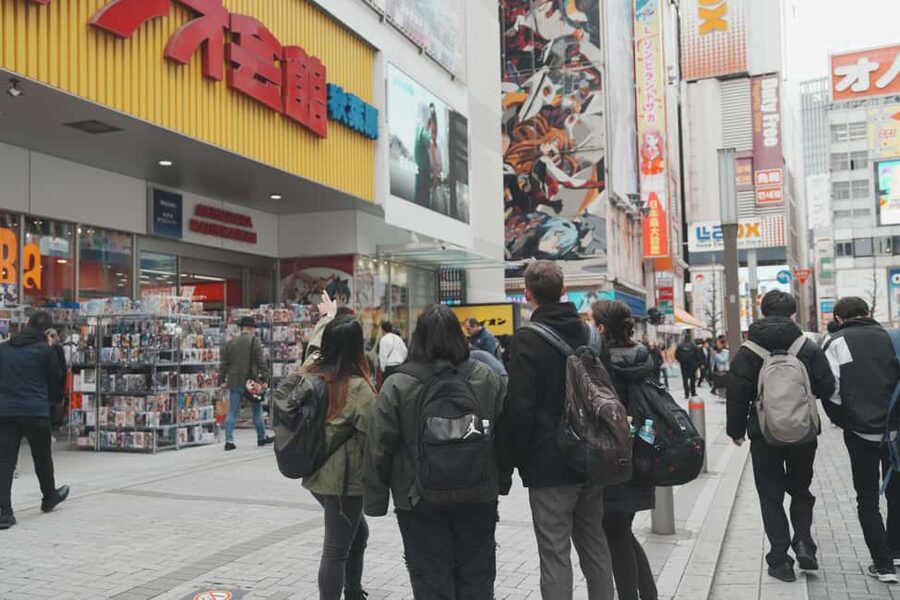
At $105 per person, this is not the cheapest way to walk around Akihabara. You could visit many shops and arcades independently for little more than the cost of transportation and any games you play.
The fee becomes easier to justify if you want five hours of structure, an English-speaking local guide, several specialty shops, two arcade stops, a museum visit, a lunch break, and a planned finish at a major souvenir store. It also has value if you are new to Tokyo or feel unsure about which parts of Akihabara deserve your time.
The price is less attractive for experienced Akihabara shoppers who already know their preferred stores and are comfortable navigating the district. You may be better off exploring independently if your main goal is to spend hours in one particular shop or search at your own pace.
Remember the extra costs. Shopping and lunch are not included, and the tour’s subject encourages spending. A realistic budget should include the $105 tour fee, food, arcade play, and any collectibles or gifts you decide to buy.
Who should book this Akihabara tour?
This experience fits anime, manga, and game fans who want more than a quick look at the district. It is also a good match for first-time visitors who want someone else to organize the route and explain what they are seeing.
Families and mixed-interest groups may appreciate the arcade stops and the variety of locations. One person can browse figures, another can look at retro games, and everyone gets a change of pace during the day. The small group format also makes it easier to ask questions than on a large coach-style outing.
You should think twice if you dislike shopping, noisy arcades, or flexible itineraries. The tour is centered on pop culture stores and games, and the exact merchandise or museum details are not fixed. It is not a general Tokyo sightseeing tour.
The minimum of two participants is another small consideration. If the full group is not reached, the operator may offer a shorter version of about three hours instead. That means your booking may still go ahead in a reduced format, but you should be prepared for a shorter day.
Practical details before you book
The tour lasts five hours, with starting times shown according to availability. It is conducted in English and limited to 10 participants.
You can cancel up to 24 hours before the start for a full refund. The reserve-now, pay-later option is useful if your Tokyo schedule is still changing, since you do not need to pay at the time of booking.
Wear comfortable shoes and leave space in your day for browsing. The route includes multiple stores, arcades, a museum, and lunch, so rushing to another appointment immediately afterward would make the experience less enjoyable.
Should you book it?
Book this tour if you want guided access to Akihabara’s anime and game culture, especially if you are visiting the district for the first time. The combination of retro stores, larger shops, two arcades, a museum, lunch, and a major souvenir stop gives the day good variety.
Skip it if you already know Akihabara well or want complete control over every shop and purchase. At $105, the tour is priced for guidance and convenience, not simply for entry into the neighborhood. For the right fan, that structure can save time and turn a confusing shopping district into a much more rewarding afternoon.
FAQ
Where does the Otaku Tour begin and end?
The tour begins and ends at Tokyo Milk Cheese Factory Cow Cow Kitchen in Atre Akihabara 1.
How long does the tour last?
The full tour lasts five hours. If the minimum number of participants is not reached, a shorter version of approximately three hours may be offered.
What language is the tour conducted in?
The tour is conducted in English with a live English-speaking guide.
How many people can join the tour?
The tour is a small-group experience limited to 10 participants.
Are lunch and shopping included in the price?
No. The tour includes a stop at a local lunch spot and several shopping opportunities, but you pay separately for lunch and all purchases.
What happens if I need to cancel?
You can cancel up to 24 hours in advance for a full refund. You can also reserve now and pay later to keep your plans flexible.
More Akihabara & Anime Tours in Tokyo



More tours in Tokyo we've reviewed





Akihabara & Anime Tours, compared.
 ★ 5.0Official Street Go-Kart Tour – AkihabaraFrom $61
 ★ 5.0Tokyo Go Kart: Asakusa, Skytree, and Akihabara **IDP MUST**From $99
 ★ 4.5Tokyo Studio Ghibli Museum and Ghibli Film Appreciation TourFrom $193
 ★ 5.0Akihabara Anime & Game Adventure Walking Tour (Group or Private)From $90
 ★ 4.6Asakusa/Tokyo Bay & Akihabara Go Karting ToursFrom $70
 ★ 4.8Akihabara: Private Anime and Pop Culture TourFrom $953 hours