Reviewed · JDM & CAR CULTURE
Tokyo Drift Self Driving Private Lesson w/ OG Teacher Japan
Tokyo Drift Self Driving Private Lesson is not a sightseeing stop with a quick spin around a parking lot. It gives you the wheel of a JDM drift car at Minami Chiba Circuit, with three hours of private instruction from Matenro Drift Racing, an OG Tokyo team tied to both street and professional racing. Beginners work toward a donut and figure eight. More experienced drivers can practice e-brake use and higher-gear changes.
In This Article
- Key points at a glance
- Why this is more than a quick Tokyo car activity
- Pickup in Tokyo and the drive to Minami Chiba Circuit
- Meeting the Matenro Drift Racing team
- Choosing between the Nissan 350Z, Mazda Roadster, and Toyota Mark II
- Your first hour of practice: learning the donut
- Moving from donuts to figure eights
- Intermediate coaching with the handbrake and higher gears
- Safety, clothing, and what you need to bring
- Photos, videos, and the human side of the day
- Is $771 per person a fair price?
- Who should book this private drift lesson?
- Should you book Tokyo Drift Self Driving Private Lesson?
- FAQ
- Where does the drift lesson take place?
- How long does the activity last?
- Is hotel pickup included?
- What cars might I drive?
- Is the lesson private?
- What do beginners learn?
- What can intermediate drivers practice?
- Is equipment provided?
- Is English instruction available?
I like the one-to-one teaching and the fact that transport, equipment, and translation are built in. I also like the range of cars, from a Nissan 350Z to a Mazda Roadster or Toyota Mark II. The main drawback is the price, $771 per person, and the long outing: the drive from central Tokyo takes about an hour each way, so the full day can run five to six hours despite the listed four-hour duration.
Key points at a glance
- Three hours behind the wheel: This is a real lesson, not a short demonstration drive.
- Private instruction: Your teacher can adjust the session for a first-time driver or an intermediate drifter.
- Three possible JDM cars: You may drive a Nissan 350Z, Mazda Roadster, or Toyota Mark II, depending on the day.
- Tokyo pickup included: A Lexus LS460 collects you at your preferred location, preferably within 5 kilometers of central Tokyo.
- Beginner-friendly progression: You start with a donut, then move to a figure eight if you gain control.
- English support: English-speaking staff or an interpreter can help when your instructor does not speak English.
Why this is more than a quick Tokyo car activity
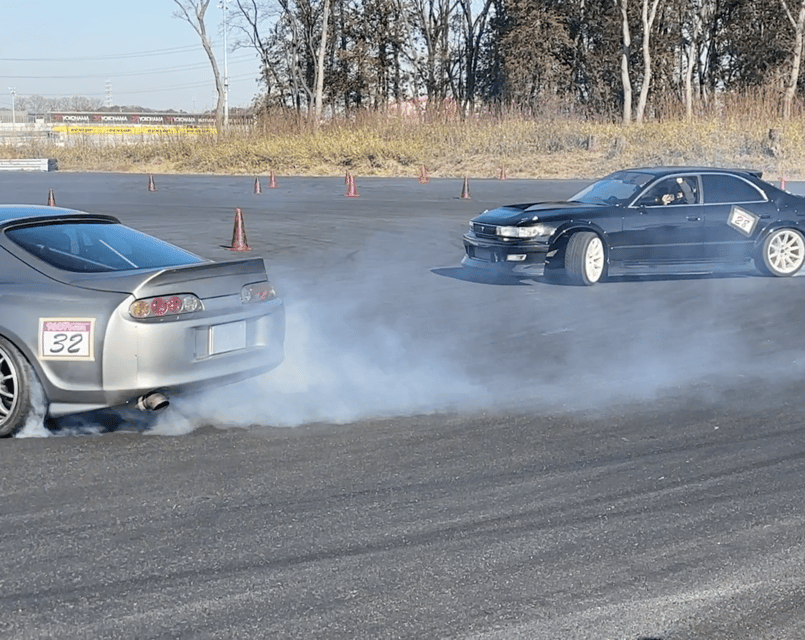
Drifting looks simple until you try to control a car that is deliberately sliding. The value here is the time. Three hours gives you room to learn a basic movement, make mistakes, listen to corrections, and try again without the rushed feeling of a short tourist experience.
The team presents drifting as a Japanese car culture with roots in street driving and professional racing. That matters if you are interested in more than tire smoke. You are learning from a local drift team, meeting Japanese drivers, and driving cars associated with the country’s performance-car scene.
The lesson is also completely private. You are not sharing the instructor’s attention with a busload of participants. That makes a real difference for a beginner who needs repeated explanations, and for an intermediate driver who does not want to spend half the session waiting for someone else to finish.
The experience has a perfect five-star rating from 15 submitted ratings, with particular praise for the staff’s enthusiasm, careful instruction, and ability to tailor the session. Takeshi is the main contact named in the feedback, and Risa is singled out as a teacher who helped a first-time driver learn to use a clutch. I would treat those names as useful points of contact, but remember that the instructor and car vary by day.
If you're still narrowing it down, here are other tours in Chiba we've reviewed.
Pickup in Tokyo and the drive to Minami Chiba Circuit
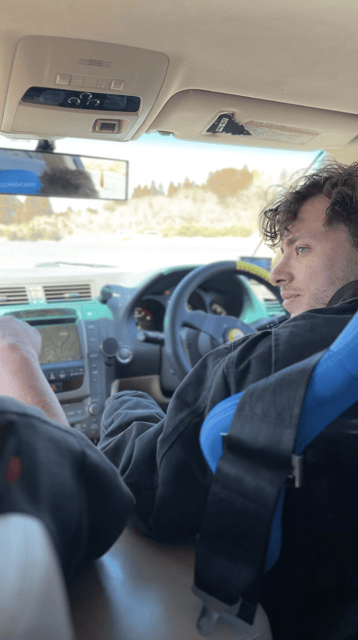
The day begins with pickup in Tokyo in a Lexus LS460. You can request a location, preferably within 5 kilometers of the center of Tokyo. From there, the drive to Minami Chiba Circuit takes about one hour.
This transfer is included, which makes the high price easier to understand. You do not need to arrange a separate train, taxi, or rental car for the circuit. It also gives you a simple start to an activity that would otherwise require careful planning outside the city.
The transport time is also the biggest practical consideration. The listed duration is four hours, but the detailed schedule describes roughly an hour to the circuit, three hours of instruction, and the return trip to Tokyo. In real terms, you should allow about five to six hours from pickup to drop-off.
I would not schedule a tightly timed dinner reservation, airport transfer, or another fixed activity immediately afterward. Traffic and the length of the lesson can affect the return time. The trip is a good fit for a half-day plan, not for a narrow gap between other bookings.
Meeting the Matenro Drift Racing team
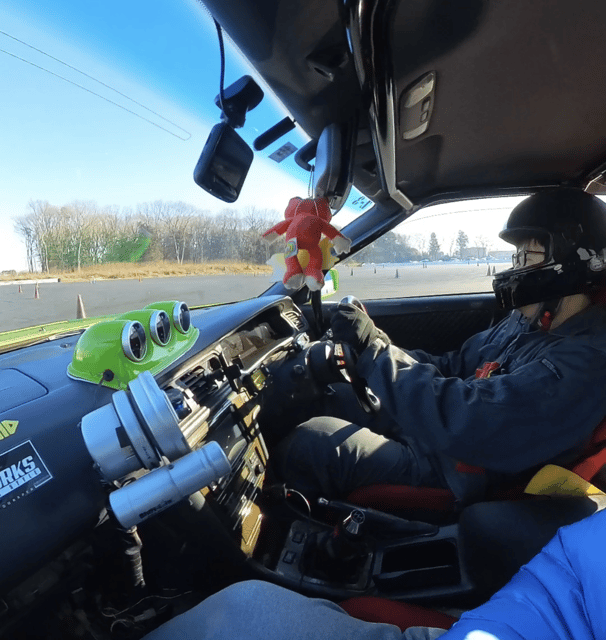
Matenro Drift Racing describes itself as an OG drift team from Tokyo. The instructors bring experience from both street driving and professional racing, and the teaching aims to show you the correct technique rather than simply let you spin a car around.
Some teachers speak English. When your instructor does not, an English-speaking translator or staff member is available on site. This is important because drifting depends on quick corrections. You need to understand instructions about throttle, steering, clutch work, and timing without guesswork.
The team also welcomes car enthusiasts who want to meet local drivers. That social side gives the experience more character than a generic motorsport lesson. You are not only renting a car and using a track. You are spending time with people who organize their work around drift cars.
The tone also appears personal. Takeshi helped one couple work around scheduling problems, and the team adjusted the lesson to the driver’s level. That suggests the booking conversation matters. If you are a complete beginner, an intermediate driver, or booking for someone else, explain that clearly before the day.
Choosing between the Nissan 350Z, Mazda Roadster, and Toyota Mark II
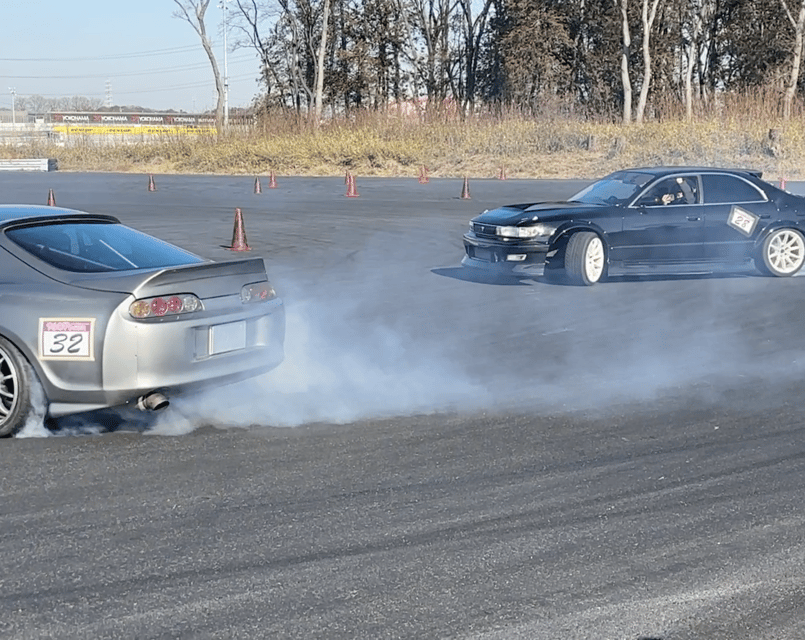
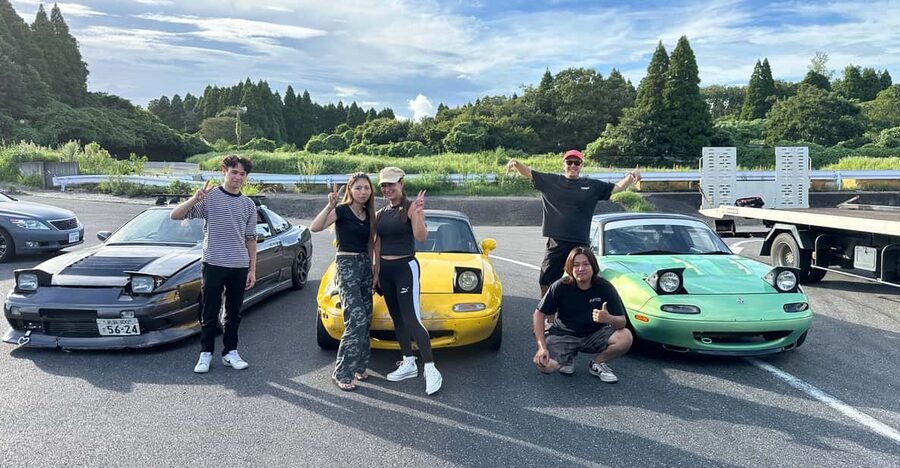
The car is not guaranteed. Depending on the day, you may drive a Nissan 350Z, Mazda Roadster, also known as the MX-5 or Miata, or Toyota Mark II JZX100.
Each choice gives the lesson a different flavor, but the supplied details do not promise a particular model. If driving one exact car is the main reason you want to book, ask the operator before paying. The team and instructor also vary according to the day.
The Nissan 350Z will appeal to people who want a larger, powerful rear-wheel-drive sports car. The Mazda Roadster offers a lighter, smaller sports-car feel. The Toyota Mark II JZX100 has a strong following among JDM fans and is closely tied to the image many people have of Japanese drift cars.
I would focus less on treating the car choice as a guarantee and more on the quality of the coaching. The lesson is designed around learning control, not simply collecting a photograph beside a famous model. Still, the possibility of driving one of these cars is a major part of the value for a JDM enthusiast.
Your first hour of practice: learning the donut
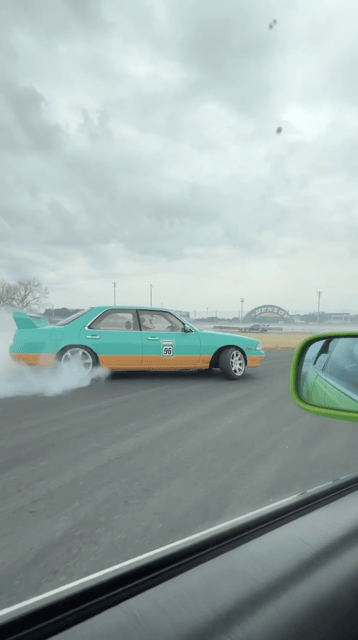
Beginners start with a proper donut. This is the basic circular drift movement and gives you a way to understand how steering, throttle, and the car’s rear end work together.
Expect the instructor to take you step by step. The goal is not to perform a perfect stunt immediately. It is to learn how to make the car rotate while keeping enough control to continue the circle. If you have never driven a manual performance car, the first challenge may be coordinating clutch work with throttle and steering.
The experience includes a private lesson, so the teacher can respond to your specific mistakes. That is far more useful than a general safety briefing followed by a few unobserved laps. You can ask for another explanation, repeat an exercise, and work at a pace suited to your ability.
One piece of feedback is especially useful for first-timers: Risa helped a driver make a first clutch pop. That suggests the instruction can cover the basic mechanical actions, not just advanced drift lines. If you are nervous about manual driving, say so early.
Moving from donuts to figure eights
Once you master the donut, the teacher may move you to a figure eight. This is a natural next step because it asks you to change direction and manage the transition between turns.
A figure eight is more demanding than circling in one direction. You must control the car through two linked movements, which gives the instructor a chance to work on timing and consistency. It also gives you a clear measure of progress during the three-hour lesson.
The wording matters here: the team intends to teach you a donut and, if you master that, a figure eight. You should not assume that every beginner will reach the second exercise. Your results depend on your previous driving experience, comfort with the car, and how quickly you respond to instruction.
That is not a weakness. A lesson that stops at a controlled donut can still be worthwhile if it gives you a sound base. The team says lessons shorter than two hours are not enough to learn properly, and the three-hour format gives you a fair chance to build skill rather than chase a quick photo opportunity.
Intermediate coaching with the handbrake and higher gears
Intermediate drivers receive a different session. Instead of spending the full three hours on the first donut, you can work on e-brake use and higher gear changes.
This is where the private format earns its keep. You do not have to sit through beginner instruction if you already understand car control. The teacher can focus on the areas that need work, though the exact progression depends on your ability and the instructor assigned that day.
The description does not promise a set list of advanced maneuvers or a particular competition-style course. I would book this for guided practice, not as a professional race school. The value is access to an experienced local teacher and a drift car, with enough track time to make corrections useful.
Intermediate drivers should also be honest about their level. Calling yourself experienced when you have only watched drifting videos will not help. Give the team an accurate picture so the teacher can choose an appropriate starting point.
Safety, clothing, and what you need to bring
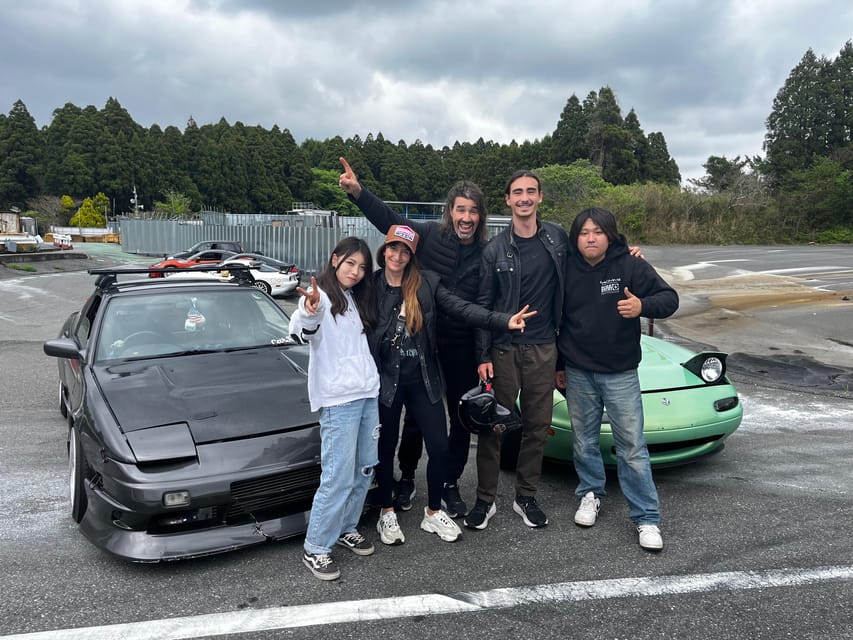
A helmet and gloves are included, so you do not need to pack specialist safety equipment. You must bring a long-sleeve shirt, long pants, and sneakers. Sandals are not allowed.
Those clothing rules are simple, but they matter. Wear something that lets you move your arms and legs freely, especially if you will be operating a manual car. Closed shoes are essential for working the pedals with control.
The lesson takes place at a circuit rather than on public streets. That gives you a controlled setting for learning. At the same time, drifting is a demanding driving activity, so you should expect physical concentration and repeated practice rather than a relaxed scenic drive.
The supplied information does not list age requirements, insurance terms, or restrictions based on driving licenses. If any of those could affect you, ask Matenro & Co. Inc. before booking. Do not assume that a standard sightseeing booking answers motorsport-specific questions.
Photos, videos, and the human side of the day
The team can take photos and videos while you drive. That is a useful extra because it lets you see your steering, body position, and car movement after the lesson. It also gives you a record of an activity that is difficult to explain with ordinary vacation snapshots.
I would confirm how the photos and videos are delivered and what is included before the session. The information confirms that the team can take them, but it does not specify the number of files, the format, or whether every moment is recorded.
The meeting with local OG drift drivers is another strong point. Many driving activities separate you from the people who actually take part in the local scene. Here, the instructors and staff are part of the experience, and their enthusiasm is repeatedly reflected in the way the day is described.
That personal connection helps explain why this activity earned such strong marks. People are not only paying for car time. They are paying for patient instruction, access to a Japanese drift setting, and the chance to share a few hours with a team that cares about the sport.
Is $771 per person a fair price?
At $771 per person, this is an expensive activity. I would not recommend it to someone looking for a cheap thrill or a general introduction to Japanese cars.
The price includes private instruction, three hours of practice, transport from Tokyo and back, the drift car, helmets, gloves, and translation support when needed. You are also paying for a private group rather than a shared lesson. Once those parts are counted, the price is easier to justify, especially for someone who would otherwise need to arrange transport to the circuit and find a separate instructor.
The strongest value comes from the amount of actual teaching time. A short passenger ride or a few laps might cost less, but it would not give you the same chance to learn a donut or work toward a figure eight. The team specifically builds the session around three hours because shorter lessons may not provide enough time to learn the basics.
I would book this for a serious JDM fan, a person who already follows drifting, or someone celebrating a major occasion. For a casual visitor who simply wants to see a drift car, the cost is hard to defend.
Who should book this private drift lesson?
You are a good match if you want to drive rather than watch. Beginners are welcome, and the progression from donut to figure eight gives you a clear target. Intermediate drivers can request more advanced work with the handbrake and gear changes.
This also suits couples and families booking for one enthusiast. One person described arranging the lesson for a husband who loves cars, while the booking process helped fit the activity into a Japan itinerary. A 16-year-old from California was also booked for the experience, but the supplied information does not state general age rules, so confirm eligibility for your own group.
I would skip it if you dislike manual driving, have very little time in Tokyo, or need a guaranteed return time. I would also skip it if you want to select one exact car and the operator cannot confirm availability.
Cancellation is flexible up to 24 hours before the activity for a full refund, and you can reserve now and pay later. Those terms help if your Japan schedule is still changing, but they do not remove the need to allow a generous half-day block.
Should you book Tokyo Drift Self Driving Private Lesson?
Book it if driving a Japanese drift car is a central goal of your Tokyo trip. The three-hour private lesson, included transport, English support, and access to a local team make this much more than a quick car-themed stop.
The decision comes down to priorities. If you want authentic instruction and enough time to make real progress, the $771 price can offer solid value. If you only want a passenger ride, a photo with a JDM car, or a short activity between other plans, choose something less costly and less time-consuming.
Before booking, confirm the pickup point, the expected total time, the car available that day, and the language support for your instructor. If those details work for you, this is one of the clearest ways to put yourself behind the wheel of a Japanese drift car while learning from the people who live the culture.
FAQ
Where does the drift lesson take place?
The lesson takes place at Minami Chiba Circuit, about a one-hour drive from Tokyo.
How long does the activity last?
The listed duration is four hours, but the detailed plan describes about one hour to the circuit, three hours of instruction, and the return drive. You should allow about five to six hours in total.
Is hotel pickup included?
Yes. Pickup and drop-off are included. You can request a preferred location, preferably within 5 kilometers of central Tokyo.
What cars might I drive?
Depending on the day, you may drive a Nissan 350Z, Mazda Roadster, also called an MX-5 or Miata, or Toyota Mark II JZX100.
Is the lesson private?
Yes. The activity is organized as a completely private lesson and private group.
What do beginners learn?
Beginners start by learning a proper donut. If they master it, the instructor may move them on to a figure eight.
What can intermediate drivers practice?
Intermediate drivers can work on skills involving the e-brake and higher gear changes.
Is equipment provided?
A safety helmet and gloves are provided. You need to bring a long-sleeve shirt, long pants, and sneakers. Sandals are not allowed.
Is English instruction available?
The activity offers English and Japanese support. Some teachers speak English, and an interpreter is available when the assigned teacher does not.
More Workshops & Classes in Chiba
More tours in Chiba we've reviewed
JDM & Car Culture, compared.
 ★ 4.8Tokyo: Fast & Furious Tokyo Drift 3 Experience (Kaila Yu SP)From $157
 ★ 4.8Tokyo: FAST&FURIOUS EXPERIENCE Daikoku Tokyo Car ClubFrom $157
 ★ 4.8Tokyo Drift: GT-R Car Club R35 Liberty Walk Daikoku meetingFrom $240
 ★ 4.8Tokyo: Daikoku JDM Fast Furious Drift Style Car ExperienceFrom $123
 ★ 4.8Tokyo Drift: GO Daikoku Car Meet R34 Skyline Car ClubFrom $246
 ★ 4.7Tokyo Drift: Daikoku PA Supreme Car Experience 大黒PAFrom $583 hours