Reviewed · ASAKUSA TOURS
Flavors of Asakusa Food & Traditions with a Friendly Guide
Asakusa is one of the best places in Tokyo to connect food with place. This four-hour walk takes you from the red Kaminarimon gate and Sensō-ji to old shopping streets, small shrines, former theater districts, and Hoppy Street, with four to five food stops along the way.
In This Article
- Key points at a glance
- Why Asakusa works so well for a food walk
- Starting at the Asakusa Culture Tourist Information Center
- Kaminarimon and Nakamise, Tokyo’s shopping corridor
- Sensō-ji, Asakusa’s essential landmark
- Asakusa Shrine and the difference between temple and shrine
- Rokku, where Asakusa’s entertainment past survives
- Hoppy Street and the final food atmosphere
- What to expect from the Tokyo Skytree portion
- Food, drinks, and the value of the $167.40 price
- Timing, group size, and practical planning
- Who should book this Asakusa walk
- Should you book Flavors of Asakusa Food & Traditions?
- FAQ
- How long does the Asakusa food tour last?
- Where does the tour start?
- Where does the tour end?
- How many people can join the tour?
- Are food and drinks included?
- Is Tokyo Skytree admission included?
- Can I cancel for a full refund?
I like the small maximum of 10 people, which gives a local guide such as Chisato room to explain what you are seeing and answer questions. I also like that snacks, desserts, two soft drinks, and water are included, so the price is not just paying for a walk through streets you could visit alone. The main consideration is cost: at $167.40 per person, you need to value the guide and food sampling, and you should confirm exactly what observation-deck access is included before booking.
Key points at a glance
- Four to five Asakusa food stops: Sample Japanese snacks, sweets, and local treats rather than simply looking at restaurant menus.
- Sensō-ji and Asakusa Shrine: See both the famous Buddhist temple and a nearby Shinto shrine in one walk.
- A small group of up to 10: The format should feel more personal than a large bus or mass walking tour.
- Old Tokyo streets: Kaminarimon, Nakamise, Rokku, and Hoppy Street each show a different side of Asakusa.
- Guide-led cultural context: Chisato, also referred to as Chi, is named as one of the guides connected with the experience.
- Four hours on foot: Wear comfortable shoes and allow enough time for a relaxed food-and-sightseeing pace.
Why Asakusa works so well for a food walk
Asakusa gives you a concentrated look at an older side of Tokyo. The district is known for traditional craft shops, souvenir stalls, temple grounds, street food, theaters, and casual drinking streets. You do not need to cross half the city to move from a major religious site to a market lane and then to a neighborhood famous for entertainment.
That makes this tour useful early in a Tokyo visit. A local guide can help you understand the difference between a Buddhist temple and a Shinto shrine, explain the purpose of the shopping streets, and point out foods you might otherwise pass by.
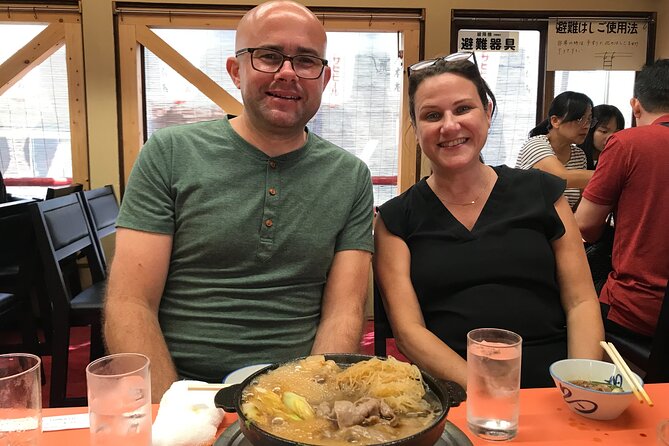
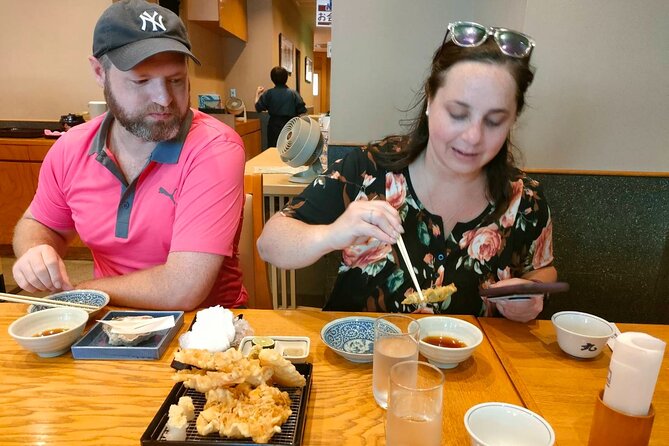
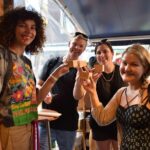
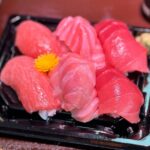
The included food is central to the experience. You are promised snacks and desserts, including Japanese sweets such as dango and daifuku, along with four to five food stops in Asakusa. This is not presented as a full restaurant meal, so you should think of it as a tasting walk. Eat a light breakfast or lunch first, but leave room for several small portions.
The price is high compared with simply walking around Asakusa on your own. You can enter the main sights without an admission charge, and the streets are open to everyone. The value comes from the guide, the structured route, the food, the small group, and the help choosing what to try. If you already know Asakusa well, the price may feel harder to justify. If this is your first visit and you want food and culture in one outing, it makes more sense.
A few more Tokyo tours and experiences worth a look

Starting at the Asakusa Culture Tourist Information Center
The meeting point is the Asakusa Culture Tourist Information Center at 2-chōme-18-9 Kaminarimon, Taito City. This is a practical place to begin because it offers tourist guidance in Japanese, English, Chinese, and Korean, along with free Wi-Fi and internet access.
The first 30 minutes are set aside for this area. That may sound less exciting than the temple itself, but it gives you a clear starting point in a district with many lanes, gates, and landmarks. Near public transportation, the meeting point is also easier to reach than a small restaurant or side street.
Bring your mobile ticket and arrive with your phone charged. The activity uses a mobile ticket, and confirmation is provided when you book. The tour ends back at the same meeting point, which is convenient if you want to continue exploring Asakusa afterward.
Kaminarimon and Nakamise, Tokyo’s shopping corridor
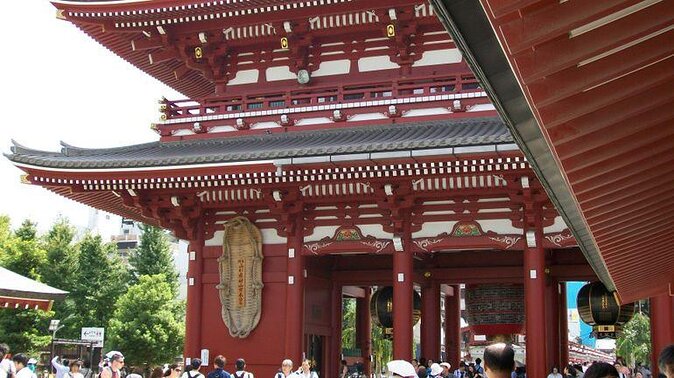
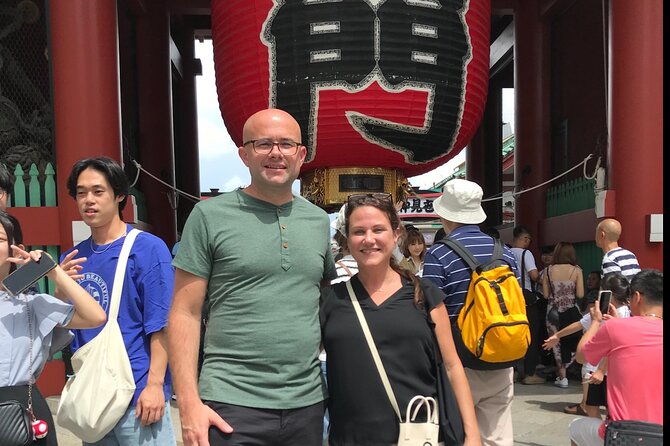
Kaminarimon Shopping Street is your first proper look at Asakusa’s commercial side. It is described as one of Japan’s oldest and longest souvenir streets, so expect a route filled with shops and displays rather than a quiet temple approach.
The 30-minute stop is well suited to browsing and photographs. You can look for traditional crafts, small gifts, and food sold for people walking between the gate and Sensō-ji. A guide adds useful context here because souvenir streets can blur together when you are seeing them on your own.
Nakamise Shopping Street near Kaminarimon carries you toward Sensō-ji. This is where the food focus becomes clearer. You will have a chance to try several Japanese snacks and take photographs while learning about the customs and background of the area.
The best way to approach Nakamise is with curiosity rather than a full shopping list. You may see sweets and small foods that are unfamiliar, and the guide can help explain what you are trying. Dango and daifuku are specifically part of the food focus, giving you a taste of traditional Japanese confectionery as well as savory street food.
Because this is a popular part of Tokyo, the route can feel busy. The tour’s small group size helps, but you should still expect to walk at the pace of a public market street. Keep your belongings close and listen for the guide when the group moves on.
Sensō-ji, Asakusa’s essential landmark
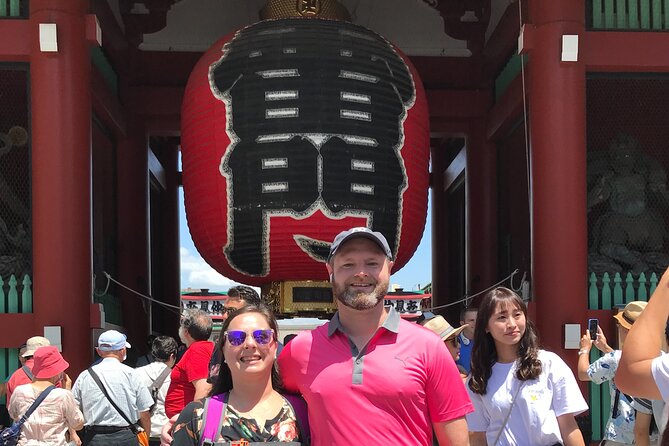
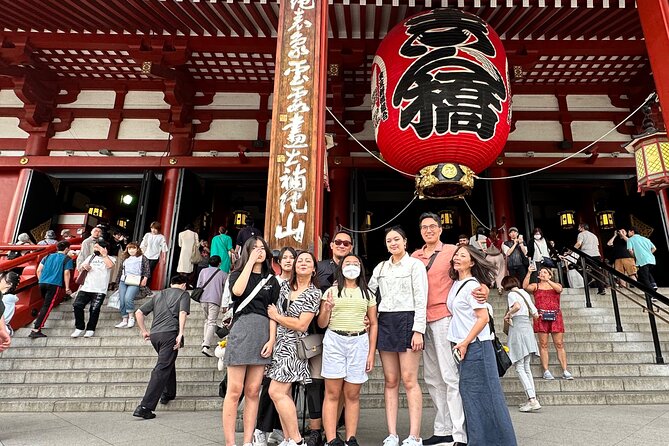
Sensō-ji is the centerpiece of Asakusa. It is an ancient Buddhist temple and one of Tokyo’s most visited sights. You get roughly 30 minutes here, enough for a focused visit rather than a long, quiet study of every building and detail.
A guide is especially useful at a place this famous. Without context, you may simply see a large temple, a gate, incense, and crowds. With an explanation, the visit becomes a lesson in how religious sites fit into daily Japanese life.
The tour calls Sensō-ji one of Tokyo’s most colorful temples. That makes it a strong stop for first-time visitors who want an instantly recognizable Tokyo sight, but it also means the temple is not a secret or secluded place. The atmosphere can be energetic, and photography is likely to be part of your visit.
I like the way the temple follows the food stops on the route. You first encounter Asakusa through its shops and snacks, then see the major religious site that gives the district much of its identity. That order makes the neighborhood easier to understand than a temple-only visit.
Asakusa Shrine and the difference between temple and shrine
Asakusa Shrine provides a useful contrast with Sensō-ji. The tour makes a point of showing you that Asakusa includes more than one important religious site. Sensō-ji is Buddhist, while Asakusa Shrine is a Shinto shrine, giving you a chance to see two Japanese traditions in the same district.
The stop lasts about 30 minutes. That should allow time to look around and hear the guide explain the setting, though it is not designed as an extended religious tour.
This part of the walk is valuable if you are unsure how temples and shrines differ. You can ask questions while the two sites are still fresh in your mind. That kind of comparison is harder to get from a quick independent visit, especially if you are trying to keep up with a map and a food schedule.
A few more Tokyo tours and experiences worth a look


Rokku, where Asakusa’s entertainment past survives
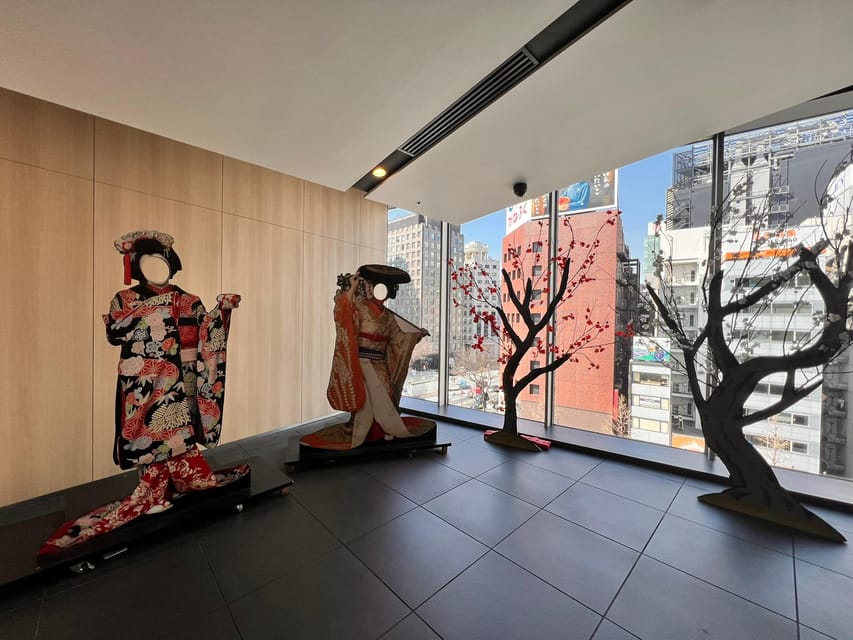
Asakusa Rokku Yumemachi Theatre introduces a less obvious side of the neighborhood. Rokku, also called the Sixth District, was once filled with theaters and amusement facilities and was known as one of Japan’s leading entertainment areas.
You have about 30 minutes to explore the area. The stop broadens the tour beyond temples and food. Asakusa was not only a place of worship and shopping. It also had a major theater culture and a long connection with popular entertainment.
The available details do not promise a theater performance or admission to a show. Treat this as a guided neighborhood stop, not a ticketed entertainment event. If you enjoy seeing how a district changed over time, this section should add welcome variety to the route.
Hoppy Street and the final food atmosphere
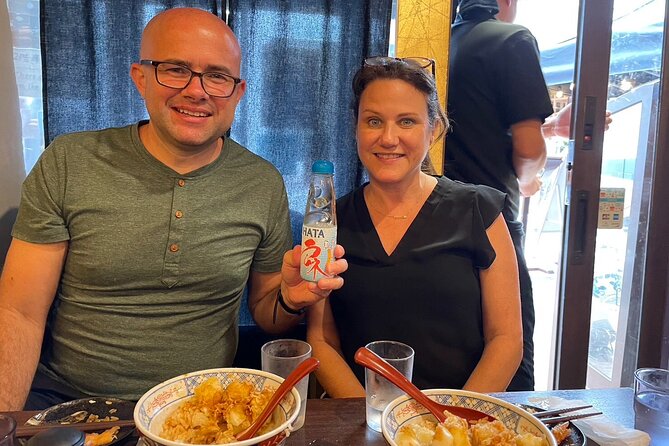
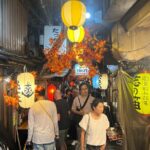
Hoppy Street is the final named stop. The street is associated with casual local drinking and is a natural place to finish a tour built around food and neighborhood culture.
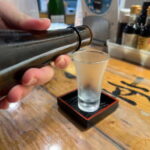
Alcohol is not included, though you can purchase alcoholic drinks separately. Two soft drinks and water are included, so you are not required to buy alcohol to take part. This matters if you want the food experience without adding bar costs, or if you are traveling with children or do not drink.
The stop lasts about 30 minutes. You might find the atmosphere more casual here than around Sensō-ji, with a focus on eating, drinking, and local street life. The tour does not state that a full meal is served at Hoppy Street, so consider the included food a series of tastings rather than dinner.
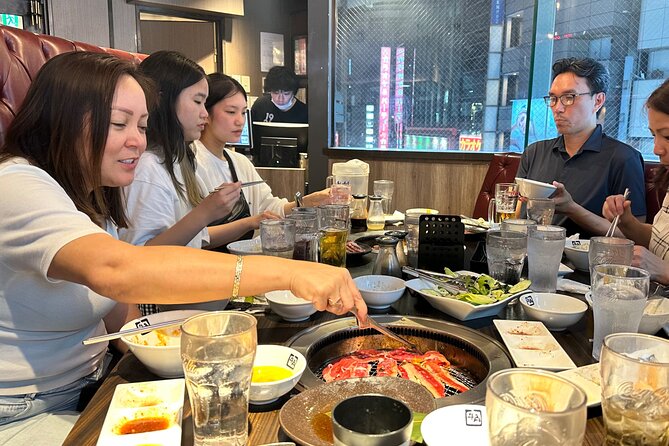
The final stop also gives you a chance to ask the guide about dishes you have tried. If Chisato is leading your walk, the experience may feel especially personal. The guide is described as friendly and willing to share a great deal about Asakusa, which is exactly the kind of support that helps on a food tour.
What to expect from the Tokyo Skytree portion
The tour description also highlights Tokyo Skytree and a 360-degree view of Tokyo from the tower. At 634 meters, Skytree is one of the city’s most dramatic viewing points, and the description presents it as a way to understand Tokyo’s huge size and density.
However, the detailed stop list names the information center, shopping streets, Sensō-ji, Asakusa Shrine, Rokku, and Hoppy Street. It does not clearly list a separate Skytree admission ticket or a timed visit to the observation deck. One past description of the experience includes a view from an observation deck, but the included items do not specifically promise tower admission.
For that reason, I would ask the provider to clarify three things before paying: if you enter Tokyo Skytree, which deck is included, and if the view is simply from the Asakusa area. This is an important point at $167.40. A full tower visit would change the value calculation, while a distant view of Skytree is a different experience.
Food, drinks, and the value of the $167.40 price
The cost includes snacks, desserts, four to five food stops, two soft drinks, and water. It also covers four hours with a local guide and a visit to local markets in Asakusa. Alcohol costs extra.
The included food gives the tour a clear advantage over a standard neighborhood walk. You do not need to research which stall to choose, guess what a Japanese sweet contains, or spend time ordering several small items on your own. You also get a social way to sample foods without committing to a large meal.
Still, the price is not a bargain in the simple sense. The temple, shrine, streets, and shopping areas do not charge a tour admission fee. You are paying for organization, explanations, companionship, and food rather than entrance access to every stop.
I would consider the price reasonable for someone who wants a guided introduction to Asakusa and prefers a small group. It is less attractive for an independent eater who enjoys choosing every snack alone or for someone mainly interested in visiting Tokyo Skytree. In that case, compare the tour’s inclusions carefully and confirm the tower arrangements.
Timing, group size, and practical planning
The walk lasts about four hours. That is long enough to cover several different parts of Asakusa, but short enough to fit into a larger Tokyo day. Since the tour returns to the starting point, you can continue sightseeing nearby after it ends.
You should wear comfortable walking shoes. The route includes shopping streets, temple and shrine grounds, and multiple food stops, so you will spend much of the experience on foot. The exact walking distance is not provided, but the number of stops makes a little preparation sensible.
The maximum group size is 10 people. This is one of the strongest practical features. A group this size is easier to keep together on shopping streets, and you have a better chance of speaking with the guide than you would on a large city tour.
Most people can participate, and the meeting point is near public transportation. No special accessibility details are provided, so contact the provider if you have specific mobility needs or need information about steps, seating, or street conditions.
The cancellation policy is forgiving if your plans change. You can receive a full refund by canceling at least 24 hours before the local start time. Changes or cancellations made less than 24 hours ahead are not accepted for a refund.
Who should book this Asakusa walk
I would recommend this experience to first-time visitors who want a clear introduction to Asakusa without planning every stop themselves. It suits people who enjoy trying small portions, asking questions, and learning why a neighborhood looks and eats the way it does.
It is also a good match for anyone who feels uncertain about Japanese street food. The guide can help you approach dango, daifuku, and other snacks with more confidence, while the included drinks keep the tasting simple.
Families and mixed-age groups may appreciate the soft drinks and the range of sights. People who want a serious food-focused dinner should choose something else, since this is a tasting walk with snacks and desserts rather than a full restaurant meal.
Independent Tokyo regulars may find less value. You can visit every named neighborhood area without a guide, and the food choices are not described in enough detail to guarantee a particular menu. Also, confirm the Skytree plan if that tower is one of your main reasons for booking.
Should you book Flavors of Asakusa Food & Traditions?
Book it if you want a small-group introduction to Asakusa that combines temple visits, local streets, sweets, snacks, and neighborhood stories. The route has good variety, and the named guide Chisato, or Chi, gives the experience a personal touch.
At $167.40, I would not book without checking the Tokyo Skytree details. If observation-deck entry is included, the price may make more sense. If it is only a distant view, book because you value the food and guide, not because you expect a tower visit.
For a first Asakusa day, this is a convenient and well-rounded choice. For a self-directed eater or a visitor focused mainly on Skytree, spend your money elsewhere.
FAQ
How long does the Asakusa food tour last?
The tour lasts approximately four hours.
Where does the tour start?
It starts at the Asakusa Culture Tourist Information Center, 2-chōme-18-9 Kaminarimon, Taito City, Tokyo 111-0034, Japan.
Where does the tour end?
The experience ends back at the meeting point.
How many people can join the tour?
The maximum group size is 10 travelers.
Are food and drinks included?
Yes. Snacks, desserts, four to five food stops, two soft drinks, and water are included. Alcoholic drinks are not included but can be purchased separately.
Is Tokyo Skytree admission included?
The description highlights Tokyo Skytree and an observation-deck view, but the detailed inclusions do not clearly state that tower admission is included. Confirm this with the provider before booking.
Can I cancel for a full refund?
Yes. You can cancel at least 24 hours before the local start time for a full refund. Cancellations or changes made less than 24 hours before the start are not refunded or accepted.
More Guided Tours in Tokyo

More Food Experiences in Tokyo
More Asakusa Tours in Tokyo
More tours in Tokyo we've reviewed




Asakusa Tours, compared.
 ★ 4.8Tokyo: Japanese Dance Cabaret Theater Asakusa-Kaguwa TicketFrom $492 hours
 ★ 4.7Tokyo: Meiji Shrine, Asakusa, Skytree Bus Tour and CruiseFrom $12210 hours
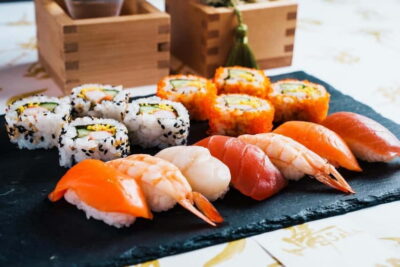 ★ 4.9Tokyo: Roll and Authentic Sushi Making Class in AsakusaFrom $581h 40m
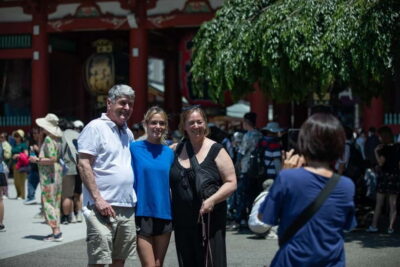 ★ 4.8Tokyo: Asakusa Walking Tour with Sensoji Temple VisitFrom $222 hours
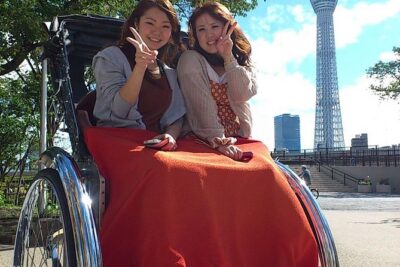 ★ 5.0Tokyo Asakusa Rickshaw TourFrom $42
 ★ 4.5Tokyo Panoramic 1 Day: Meiji Shrine, Asakusa, Odaiba and SKYTREE®From $85