Reviewed · ASAKUSA
Handmade Goshuin Book Experience Eco Friendly Upcycling in Tokyo
A goshuin book is more than a souvenir. It is a personal record of visits to Japanese temples and shrines, with each red seal joined by handwritten calligraphy. This short Asakusa workshop lets you make the book before you begin collecting those memories.
In This Article
- What makes this Asakusa craft session worth your time
- Why a goshuin book makes a better souvenir
- Arriving at Pink.Asakusa in central Asakusa
- Choosing fabrics, paper, and your cover design
- Cutting and gluing the front and back covers
- Joining the cover to the accordion pages
- Writing the title and finishing your goshuin book
- What the 50-minute schedule feels like
- The value of $32.24 per person
- Who will enjoy this activity most
- Practical details before you book
- Should you book the handmade goshuin book experience?
- FAQ
- What is a goshuin book?
- Where does the activity take place?
- How long does the experience last?
- How many people can join?
- What materials are used?
- Do I need crafting experience?
- Does the activity include a visit to a temple or shrine?
- Can I cancel for a full refund?
I like the creative freedom and the smart use of kimono-production scraps, paper bags, and wrapping paper. I also like that the finished book has a real purpose, rather than sitting on a shelf as a decoration.
The main thing to consider is the small-group format, capped at eight people. Most sessions should feel personal, but one past session was less attentive when the host had to handle another event, so the level of guidance may vary.
What makes this Asakusa craft session worth your time

- Make a useful Japanese keepsake: Your finished book can hold goshuin from future shrine and temple visits.
- Choose your own cover design: Select from assorted fabrics and reused paper, then cut and arrange the pieces yourself.
- Beginner-friendly instruction: Patricia, Karin, and the Pink.Asakusa team explain each stage and help with design decisions.
- A small, relaxed setting: The group limit is eight, with the activity taking place at a cafe and bar in Asakusa.
- A good rainy-day option: The hands-on format works well when sightseeing outdoors is less appealing.
- A compact 50-minute activity: It fits neatly into a morning or afternoon around Asakusa.
Why a goshuin book makes a better souvenir

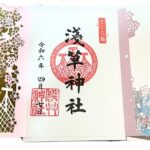
Goshuin, often translated as a red seal, is given as proof of a visit to a Japanese shrine or temple. The page may include the name of the site, the principal image honored there, and the date of your visit, written in ink alongside the seal.
You can buy a ready-made goshuin book at many religious sites. Making one yourself gives the object a different weight. You choose the colors, patterns, and layout, then carry it with you as you explore Japan.
I especially like the connection between the craft and the sightseeing that follows. One useful plan is to make the book here, then head to a nearby temple for your first stamp. The workshop becomes the first chapter of a longer Tokyo memory, not an isolated craft class.
You should know that goshuin are connected to religious visits. Treat the book and the process with respect, and use it for shrine and temple stamps rather than as a general autograph book.
If you're still narrowing it down, here are other tours in Asakusa we've reviewed.


Arriving at Pink.Asakusa in central Asakusa
The meeting point is Japanese Experience Cafe and BAR Pink.AsakusaJapan, at The Room Asakusa 4F, 1-16-11 Asakusa, Taito City, Tokyo 111-0032. The venue is near public transportation, which makes it practical to combine with Asakusa sightseeing.
The exact approach to a fourth-floor venue can feel less obvious than meeting beside a large landmark, so give yourself enough time to find The Room Asakusa. A mobile ticket is provided, and confirmation arrives at booking.
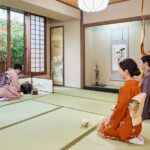
Once inside, you can expect a cafe setting rather than a formal schoolroom. That matters because the mood is relaxed. Some participants have enjoyed a matcha, smoothie, or another drink while working, though drinks are not the main focus of the experience.
The room setup also suits families and couples. You get a table, prepared supplies, and a place to work at your own pace. The compact group size helps keep the session manageable, though the experience can be affected if the host is pulled into another activity.
Choosing fabrics, paper, and your cover design
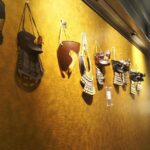
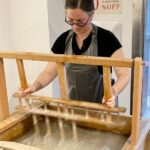
The first creative decision is choosing the material for the cover. The workshop reuses scraps from kimono manufacturing, used paper bags, and wrapping paper, giving materials that might be discarded a second use.
The range of patterns is one of the best parts of the session. You may find yourself drawn to a bright textile, a restrained traditional pattern, or an unusual piece of packaging paper. You do not need a fixed design before arriving. Samples and advice from the host can help you decide.
This is also where the activity differs from a standard souvenir purchase. A shop gives you a finished object. Here, you choose the visual character of the book yourself.
I recommend taking a moment before cutting. Look at how a pattern will sit across the cover, and consider which section you want to feature. A small piece can look very different once it is trimmed and placed on a larger surface.
The craft is forgiving enough for beginners. Several participants with little or no crafting experience have enjoyed the process, while more practiced makers can spend extra time refining the arrangement. That range makes it suitable for families with different skill levels.
Cutting and gluing the front and back covers

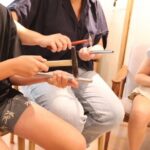
After selecting the material, you cut it to fit and glue it onto the cover. The task is simple, but the neatness of the finished book depends on taking care with the edges and corners.
The host explains the basic method, then gives you room to work. Patricia has been described as patient and cheerful, and Karin has also guided sessions with clear instructions and easy conversation. The tone is supportive rather than strict.
You are not expected to copy a single model. Samples show what is possible, but the final design is yours. You can keep the cover simple or combine several pieces for a more detailed look.
Glue can make any paper craft messy, so work slowly and check placement before pressing everything down. If you are with children, this is a good point to offer a little help with cutting and alignment while letting them choose the design.
The use of discarded materials gives the activity a practical environmental message. Upcycling means taking an item that would normally be thrown away, giving it added value, and turning it into something useful. You leave with a personal object while seeing how familiar waste materials can be put to work.
Joining the cover to the accordion pages

The next stage is attaching the decorated cover to the bellows text. The term refers to the folded, accordion-style pages used in the book.
This construction is important because a goshuin book needs pages that open flat enough for large stamps and calligraphy. The folding design also gives the book room to expand as you add more visits.
The assembly stage requires a little more care than choosing fabric. You need to position the cover and the folded pages correctly, then press them together so the book opens in the intended direction.
Your guide supports you through this step, which is useful if you have never made a folded book. You do not need bookbinding experience. The instructions are designed for a short class, and the materials are prepared in advance.
This is one reason the 50-minute length works. You are making something substantial, but you are not signing up for a long technical course. The process gives you a taste of Japanese paper craft without taking half a day from your Tokyo plans.



Writing the title and finishing your goshuin book

The final listed step is writing a title on the cover. This small detail gives the book a finished identity and makes it easier to recognize later among your belongings.
You might choose a straightforward title connected to your Tokyo trip, or use a design that reflects the fabric and paper you selected. The available information does not specify a set lettering style, so you should follow the host’s guidance and your own preference.
By this point, the book has moved through several stages: selecting reused materials, cutting, gluing, joining the cover to the folded pages, and adding a title. That sequence gives the finished item more meaning than a quick purchase at a station shop.
The quality of the paper has also received praise, which matters once you begin collecting stamps. A goshuin can include strong brushwork and a large seal, so thin or flimsy pages would lessen the pleasure of using the book.
Allow the book to settle as directed before pressing it into a bag or luggage. The supplied information does not state a specific drying time, so ask the host if you plan to leave immediately after class.
What the 50-minute schedule feels like

The session lasts about 50 minutes. That is enough time to complete the basic book, but it is not a leisurely all-day art workshop.
I see the short length as a strength for most visitors. You can fit it between sightseeing stops, use it as a calm morning activity, or schedule it during a rainy spell. It also works well near the start of a Tokyo trip, since you can use the book during the rest of your stay.
The pace may feel brisk if you want an elaborate cover with many small pieces. The class lets you add detail, but the basic format is designed to produce a finished book within the allotted time.
If you are booking for a family, think about how much help younger children may need. Everyone can take part, and the craft is suitable for varying experience levels, but cutting and gluing still require attention.
The small group limit of eight is another practical advantage. A full session may feel social without becoming a large factory-style class. Still, the quality of personal help depends on staffing. One session had only one host managing another activity at the same time, and the provider apologized for the reduced attention.
The value of $32.24 per person

At $32.24 per person, this is not the cheapest souvenir activity in Tokyo. You are paying for more than paper and fabric, though. The price includes a guided craft session, prepared materials, a venue in Asakusa, and a finished book you can use during the rest of your trip.
The value is strongest if you care about making something yourself. If you only want a ready-made goshuin book, temples and shops may offer simpler buying options. If you want a personal keepsake and a short cultural activity, the cost is easier to justify.
The workshop also gives you a skill you can repeat at home. One participant noted that the process could be adapted into future gifts, which adds value beyond the single book you make in Tokyo.
Drinks may be available for purchase at the cafe. A smoothie or matcha can make the session feel more like a relaxed break, but budget for that separately since the activity price does not state that refreshments are included.
The price also makes more sense for couples or families who want shared time. You are not just buying an object. You are choosing materials together, comparing designs, and leaving with a reminder of the hour you spent making them.
Who will enjoy this activity most
I would recommend the workshop to:
- First-time visitors who want a gentle introduction to Japanese craft
- Couples looking for a shared souvenir project
- Families needing an indoor activity in Asakusa
- Visitors interested in temples, shrines, and collecting goshuin
- People who prefer handmade keepsakes to mass-produced gifts
- Creative beginners who want guidance without a demanding class
It is also a good choice for anyone who likes having a quiet hour during a busy Tokyo schedule. Asakusa sightseeing can involve a lot of walking, and this gives you a seated activity with a clear end point.
You may want to choose something else if you dislike hands-on work, want a highly technical bookbinding lesson, or expect one-on-one attention throughout the entire session. The class encourages creativity, but it is still a short introductory craft experience.
Practical details before you book
Most people can participate, and the venue is near public transportation. There is a step down to the toilet, so note that if someone in your party has difficulty with steps.
The activity begins and ends at Pink.Asakusa. It does not include transportation to a shrine or temple afterward, so plan your own next stop if you want to collect a first goshuin immediately.
The mobile ticket is useful for keeping your booking details on your phone. Confirmation is provided at the time of booking.
Free cancellation is available if you cancel at least 24 hours before the local start time. Cancellations or changes made within 24 hours are not accepted for a refund.
The activity is often booked about 15 days ahead. That does not guarantee every date sells out, but booking around two weeks early is sensible if your Tokyo schedule is fixed.
Should you book the handmade goshuin book experience?
I would book this if you want a small, useful souvenir with a personal story behind it. The best features are the freedom to choose your own cover, the reuse of kimono and paper scraps, and the chance to start a goshuin collection with a book you made yourself.
The experience also works well as a family activity or rainy-day plan. Hosts such as Patricia and Karin provide clear help, and beginners can finish a good-looking book without prior craft skills.
Keep your expectations realistic. This is not a long workshop in traditional bookbinding, and personal attention may be thinner if the venue is handling another event. At $32.24, the value depends on wanting the making process as much as the finished object.
For a short, creative stop in Asakusa that connects craft with shrine and temple visits, it is a sound choice. Make the book early in your Tokyo stay, then let each goshuin turn it into a record of the places you visit.
FAQ
What is a goshuin book?
A goshuin book is used at Japanese temples and shrines to record proof of a visit. The page may include the site name, the principal image, the date, ink writing, and a red seal.
Where does the activity take place?
The workshop takes place at Japanese Experience Cafe and BAR Pink.AsakusaJapan, at The Room Asakusa 4F, 1-16-11 Asakusa, Taito City, Tokyo 111-0032.
How long does the experience last?
The activity lasts approximately 50 minutes.
How many people can join?
The maximum group size is eight people.
What materials are used?
The book uses scraps from the kimono manufacturing process, used paper bags, and wrapping paper. You choose the material for your cover.
Do I need crafting experience?
No. The host provides guidance, and the activity is suitable for beginners and people with different levels of crafting experience.
Does the activity include a visit to a temple or shrine?
No. The craft session ends back at the meeting point. You can take your finished book to a temple or shrine afterward if you want to collect a goshuin.
Can I cancel for a full refund?
Yes, if you cancel at least 24 hours before the experience start time. Cancellations and changes made less than 24 hours before the start time are not accepted for a refund.
More tours in Asakusa we've reviewed




Asakusa, compared.
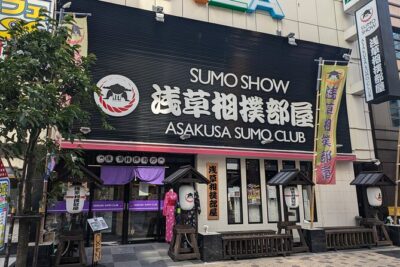 ★ 5.0Tokyo Sumo Entertainment Show with Chicken Hot Pot and PhotoFrom $106
 ★ 5.0Mt Fuji Private Day Trip from Tokyo with English speaking driverFrom $464
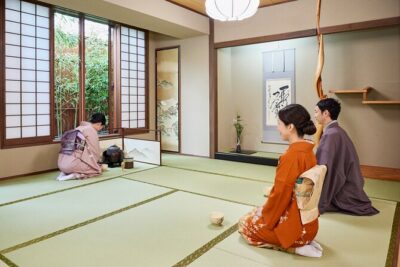 ★ 5.0Kimono Tea Ceremony at Tokyo, Asakusa MaikoyaFrom $55
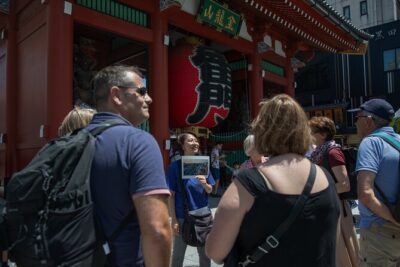 ★ 5.0Asakusa Senso-ji Temple and Old Tokyo Walking TourFrom $20
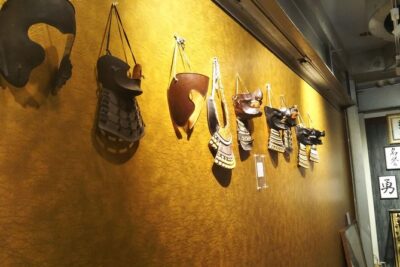 ★ 5.0Skip the lines Basic Ticket at SAMURAI NINJA MUSEUM TOKYOFrom $28
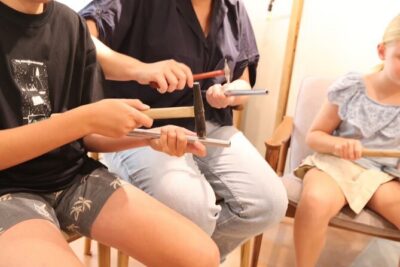 ★ 5.0Private Craft Your Own Ring Handmade Experience in Asakusa, TokyoFrom $21