Reviewed · ASAKUSA TOURS
Asakusa: TOKYO SKYTREE Exploration after History Tour
Tokyo Skytree is the flashy finish, but the best part of this experience comes earlier, while you walk through Asakusa’s temples, gates, riverfront, and old shopping street. Your guide connects Buddhist and Shinto customs with Japan’s long period of isolation, giving the tall tower a useful historical setting.
In This Article
- Key points to know before booking
- Why this Asakusa and Skytree pairing works
- Beginning beside the Sumida River at Sumida Park
- Getting the basics at the Asakusa Culture Tourist Information Center
- Reading the dragons at Kaminarimon
- Walking Nakamise Shopping Street toward Senso-ji
- Hozomon and the surprising similarities across cultures
- Senso-ji, Tokyo’s oldest Buddhist temple
- Asakusa Shrine and the shared sacred grounds
- Taking the train to Tokyo Skytree
- Seeing Tokyo from both Skytree observation decks
- How much value you get for $118.24
- The guides and the pace
- Who should book this experience
- Should you book the Asakusa and Skytree tour?
- FAQ
- How long does the Asakusa and Tokyo Skytree experience last?
- What time does the tour start?
- Where does the tour begin?
- Where does the tour end?
- Are Tokyo Skytree tickets included?
- Is the train fare included?
- How large is the tour group?
- Can I cancel or change the booking?
I like the small maximum of eight people, which makes it easier to ask questions and keep up with the guide. I also like that both Skytree observation decks are included, while guides such as Taka, Junko Yamashita, Sue, and Keiko have been praised for clear English, patience, and thoughtful explanations. The main drawback is the strict no-refund policy, plus a separate ¥160 train fare.
Key points to know before booking

- Asakusa comes first: You visit Sumida Park, Kaminarimon, Nakamise Shopping Street, Hozomon, Senso-ji Temple, and Asakusa Shrine on foot.
- The history has a clear theme: Your guide explains Japan’s isolation, Buddhism, Shinto, dragons, Buddhist symbols, and ukiyo-e.
- Both Skytree observation decks are included: You get the upper and lower deck tickets, then finish with free time for shopping.
- The group stays small: The maximum is eight people, and headsets are supplied for groups of three or more.
- The tour ends at Skytree: There is no hotel pickup or drop-off, and the ¥160 train fare from Asakusa Station is extra.
- Cancellation is strict: Tickets are purchased soon after booking, so the experience cannot be canceled or changed for a refund.
Why this Asakusa and Skytree pairing works

Asakusa and Tokyo Skytree show two very different sides of Tokyo. Asakusa is the city’s traditional face, with incense, temple courtyards, wooden gates, shrine rituals, and a shopping street that leads visitors toward Senso-ji. Skytree is modern Tokyo in vertical form, with high observation decks, shops, restaurants, and wide views over the city.
I like the order. You begin at ground level, where your guide can explain what you are seeing, then take the train to Skytree once the walking portion is complete. That gives the tower more meaning than it would have if you simply arrived, bought a ticket, and looked out over Tokyo without context.
The tour starts at 1:30 pm near Kaminarimon and lasts about three and a half hours. The walking portion is divided into several short stops, followed by about an hour at Skytree. It is a good half-day choice for someone who wants structure without giving up an entire day.
The group limit matters here. Asakusa can be crowded, especially around Kaminarimon and Nakamise Shopping Street. A group of eight or fewer is much easier to manage than a large coach group, and the included headsets for groups of three or more help you hear the guide even when you are not standing shoulder to shoulder.
A few more Tokyo tours and experiences worth a look


Beginning beside the Sumida River at Sumida Park
The first stop is Sumida Park, where the guide sets up the larger story of Japan’s past. You learn about the Edo shogunate’s decision to restrict contact with foreign countries for more than 200 years, as well as the special role played by the Netherlands during that period.
This is a smart opening because it gives you a frame for the rest of the walk. Asakusa is not presented only as a series of attractive temples. You begin to understand how Japan’s relationship with the outside world shaped its culture, trade, and later opening to foreign influence.
The stop lasts about 20 minutes and has no admission charge. Since the tour takes place outdoors, weather can affect the experience. One piece of feedback specifically noted that poor weather made the outing less enjoyable, so bring suitable clothing and shoes for a walking tour.
Getting the basics at the Asakusa Culture Tourist Information Center
Next, you spend about 20 minutes at the Asakusa Culture Tourist Information Center. The guide introduces Japan’s two major religious traditions, Buddhism and Shinto, before you enter the gates and sacred sites ahead.
This explanation is especially useful if Japanese religious customs are new to you. Without it, a temple and a shrine can look like similar historic places. Here, you get the basic distinction before seeing Senso-ji Temple and Asakusa Shrine, where the two traditions share an unusually close setting.
There is no admission fee for this stop. The value comes from the explanation, not from a formal attraction ticket. I would pay close attention here, since the information helps you understand the rituals and symbols at the next stops.
Reading the dragons at Kaminarimon

Kaminarimon is Asakusa’s famous entrance gate, recognized by its enormous lantern and dramatic appearance. The visit lasts about 15 minutes, giving you time to look closely while the guide explains the difference between Japanese and Western dragons.
The comparison is a nice example of the tour’s teaching style. In many Western traditions, dragons are linked with danger or destruction. The Japanese dragon has a different role, and learning that contrast helps you see the gate as more than a convenient photo stop.
Kaminarimon is also one of the busiest points on the route. The small group and headset arrangement should help, but you will still need to stay close to the guide. This is not a place for a slow, independent stroll.
Walking Nakamise Shopping Street toward Senso-ji

From Kaminarimon, you walk for about 40 minutes along Nakamise Shopping Street, one of Japan’s oldest shopping streets. The route leads toward Senso-ji, with shops selling souvenirs, snacks, and traditional goods along the way.
This is the longest walking stop, and it is where the tour feels most connected to everyday Asakusa. You are not simply crossing a commercial street. Your guide discusses Buddhist symbols such as the vajra, also called tokko, and explains the wider effect of ukiyo-e woodblock prints.
The ukiyo-e material adds a useful art and cultural layer. These prints helped spread images of Japanese life far beyond their original setting and later influenced artists outside Japan. The guide’s job here is to connect what you see in the street with ideas that shaped Japanese art and public culture.
You have free time at this point only in the sense that the walk passes through a shopping area. The schedule does not promise a dedicated shopping break before Skytree, so you should not plan to browse every shop at length. If buying souvenirs matters to you, save some time for the shopping complex below Skytree, where the tour includes time after the observation decks.
A few more Tokyo tours and experiences worth a look




Hozomon and the surprising similarities across cultures

Hozomon is another major gate on the approach to Senso-ji. The stop lasts about 15 minutes, and the guide uses it to discuss similarities between Japanese and Western ways of thinking from about 1,000 years ago.
That comparison helps keep the tour from becoming a simple list of Japanese customs. You are encouraged to notice shared human ideas as well as cultural differences. For many people, this makes the history easier to follow and less likely to feel like a collection of unfamiliar names.
The short stop also keeps the pace moving. You will hear a focused explanation, take in the gate, and continue rather than lingering in one place for too long.
Senso-ji, Tokyo’s oldest Buddhist temple

Senso-ji is the centerpiece of the Asakusa walking portion. The temple is Tokyo’s oldest Buddhist temple, and the guide explains its history alongside a comparison with medieval Europe. You also learn how prayer differs in Buddhism and Shinto.
That last point is practical. Many first-time visitors want to behave respectfully but are unsure how temple and shrine customs differ. A guide who explains the difference while you are standing at the actual sites gives you information you can use immediately.
The scheduled visit lasts about 15 minutes. That is enough for an introduction, but not enough for a long independent exploration of every corner of the temple grounds. If Senso-ji is one of your main interests, you may want to return on your own at another time.
The guide quality makes a real difference here. Taka has been described as someone who explains what buildings mean to local people and answers questions in detail. Sue is noted for excellent English, a pleasant manner, and a steady pace. Those details matter at Senso-ji, where a hurried or unclear explanation can leave you with little more than photographs.
Asakusa Shrine and the shared sacred grounds

The walking route ends at Asakusa Shrine, where the relationship between Buddhism and Shinto becomes especially clear. The shrine and Senso-ji occupy the same general grounds and share a history of more than 1,000 years.
For many visitors, this is one of the most interesting parts of the tour. Japan’s religious traditions have often existed side by side, and this site lets you see that relationship rather than only hearing about it. One guide, Taka, has even been praised for handling prayer at the Buddhist temple with care and sensitivity.
The stop lasts about 15 minutes. It is a compact finish to the historical walk, but it gives the whole Asakusa section a strong thread: Japan’s traditions are not always separated into neat categories.
Taking the train to Tokyo Skytree
After Asakusa, you take the train from Asakusa Station to Tokyo Skytree Station. The fare is ¥160 and is not included in the tour price. The tour ends at Tokyo Skytree, so you do not return to your starting point or receive hotel transportation.
This transfer is simple in concept, but it is worth noting when planning your day. You should arrive at the Kaminarimon meeting point on your own, then follow the guide through the station and onward to Skytree. The tour handles the route, which removes the need to work out the connection yourself.
The change from old Asakusa to the Skytree complex is part of the appeal. You move from temple gates and historic shopfronts to one of Tokyo’s most recognizable modern structures.
Seeing Tokyo from both Skytree observation decks
The Skytree portion lasts about an hour and includes combo tickets for the lower and upper observation decks. That is an important part of the price, since the main attraction is not just entering the complex but seeing Tokyo from two different heights.
From above, you get a broad view of the city and plenty of chances for photographs. The exact quality of the view depends on the weather, so a hazy or rainy afternoon can reduce what you see. The outdoor Asakusa portion and the indoor tower portion give the day some balance, but neither can fully escape poor visibility.
The tour does not end the moment you leave the observation decks. You have time for shopping in the Skytree complex, which also contains dining facilities. Since the official tour time at Skytree is about an hour, check your guide’s instructions carefully so you know when the organized portion finishes and what time you are free to continue independently.
How much value you get for $118.24
At $118.24 per person, this is not a budget walking tour. The value comes from combining two activities that many people would otherwise book separately: a guided Asakusa history walk and admission to both Skytree observation decks.
You are also paying for a local guide, route planning, the small group size, and a planned train transfer. The free admission at the temples and parks does not mean the tour itself is inexpensive, but it does show where your money goes: explanation, organization, and the Skytree tickets.
I think the price makes the most sense if you want both attractions and prefer not to manage the details yourself. If you are comfortable reading signs, navigating Tokyo trains, and buying Skytree tickets on your own, you could spend less with independent visits. You would give up the context, the group structure, and the chance to ask a guide questions as you go.
The fact that Skytree tickets are bought soon after booking also explains the strict policy. You cannot cancel or change the experience for a refund, even if your plans shift. If the minimum number of people is not reached and the operator cancels, you are offered another date or experience, or a full refund.
The guides and the pace
The guide is the main reason to choose this experience over a self-guided route. Taka is singled out for detailed explanations and friendly interaction. Junko Yamashita is described as attentive, thoughtful, and clear when presenting a large amount of historical information. Keiko is noted for spending time preparing her explanations of both Asakusa and Skytree.
The feedback also points to a family-friendly pace. Sue is described as polite, fluent in English, unhurried, and willing to allow time for questions. That does not guarantee the same guide on every date, but it gives you a useful idea of the guiding style to expect.
The tour contains a fair amount of history for three and a half hours. If you prefer a loose stroll with long breaks, this may feel organized and information-heavy. If you want the background behind the buildings and rituals, the structure should work well.
Who should book this experience
I would recommend it to first-time visitors who want a clear introduction to Asakusa without spending hours planning a route. It suits families, couples, and small groups who want a guide but do not want the feel of a large bus tour.
It also works well if you have one afternoon available and want both traditional Tokyo and a major city view. The 1:30 pm start leaves the morning open for another activity, while the final stop at Skytree gives you options for food and shopping afterward.
You should think twice if you want extensive time inside Senso-ji, long shopping stops on Nakamise, or a flexible schedule. The itinerary moves through several stops, and the temple visits are relatively short. You should also avoid booking until your schedule is firm, since the experience is non-refundable and cannot be amended.
Should you book the Asakusa and Skytree tour?
Book it if you want clear cultural context, a small group, and Skytree tickets handled in advance. The strongest part is the connection between the sites: your guide explains Japan’s traditions at ground level, then you see modern Tokyo from above.
Skip it if you already know Asakusa well, dislike guided pacing, or want to save money by arranging the temple walk and tower tickets yourself. For everyone else, the combination is efficient, educational, and easy to fit into a Tokyo itinerary. Just bring comfortable shoes, watch the weather, and treat the no-refund rule as a serious planning condition.
FAQ
How long does the Asakusa and Tokyo Skytree experience last?
The experience lasts approximately 3 hours and 30 minutes. The listed stops total about 3 hours and 20 minutes, including around one hour at Tokyo Skytree.
What time does the tour start?
The tour starts at 1:30 pm.
Where does the tour begin?
It begins at 2-chōme-20-6 Kaminarimon, Taito City, Tokyo 111-0034, Japan.
Where does the tour end?
The tour ends at Tokyo Skytree, at 1-chōme-1-2 Oshiage, Sumida City, Tokyo 131-0045, Japan.
Are Tokyo Skytree tickets included?
Yes. Combo tickets for the upper and lower observation decks are included.
Is the train fare included?
No. The ¥160 train fare from Asakusa Station to Tokyo Skytree Station is not included.
How large is the tour group?
The maximum group size is eight people. For groups of three or more, headsets are provided so you can hear the guide clearly from a short distance.
Can I cancel or change the booking?
No. The experience is non-refundable and cannot be changed for any reason. Skytree tickets are purchased soon after booking, so the booking date cannot be adjusted. If the operator cancels because the minimum number of participants is not reached, you are offered another date or experience, or a full refund.
More Historical Tours in Tokyo


More Tickets & Passes in Tokyo
More Asakusa Tours in Tokyo

More tours in Tokyo we've reviewed












Asakusa Tours, compared.
 ★ 4.8Tokyo: Japanese Dance Cabaret Theater Asakusa-Kaguwa TicketFrom $492 hours
 ★ 4.7Tokyo: Meiji Shrine, Asakusa, Skytree Bus Tour and CruiseFrom $12210 hours
 ★ 4.9Tokyo: Roll and Authentic Sushi Making Class in AsakusaFrom $581h 40m
 ★ 4.8Tokyo: Asakusa Walking Tour with Sensoji Temple VisitFrom $222 hours
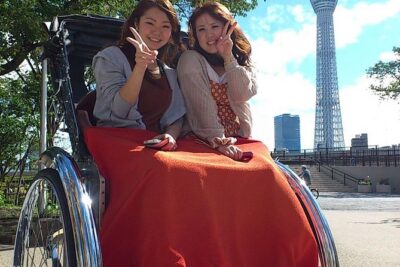 ★ 5.0Tokyo Asakusa Rickshaw TourFrom $42
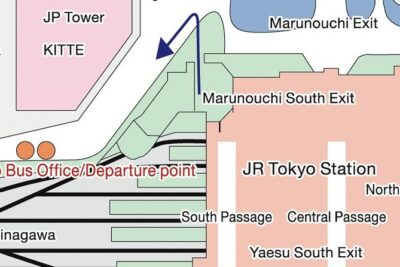 ★ 4.5Tokyo Panoramic 1 Day: Meiji Shrine, Asakusa, Odaiba and SKYTREE®From $85
![[Self-Drive] Tokyo & Daikoku Custom Car Driving Tour - Choosing between the ER34 Skyline and JZA80 Supra](https://tokyoezine.com/wp-content/uploads/2026/08/self-drive-tokyo-daikoku-custom-car-driving-tour.jpg)