Reviewed · JDM & CAR CULTURE
Tokyo: Daikoku Car parking area night Meet & experience JDM
Tokyo’s Daikoku Parking Area is not a normal sightseeing stop. It is a working highway rest area that can turn into a nighttime meeting point for JDM legends, tuned imports, American cars, and supercars. The four-hour trip gets you there without the headache of finding the right roads, understanding access rules, or arranging a car.
In This Article
- Key points to know before booking
- Why Daikoku PA is the main event
- The C1 and Wangan highway ride
- A flexible four-hour evening
- Autobacs Shinonome: useful for shoppers
- Tokyo Tower adds a change of pace
- Conversation is part of the value
- The biggest risk: an empty Daikoku
- What $112 per person really buys
- Timing, clothing, and practical details
- Who will enjoy this most
- Should you book the Daikoku night tour?
- FAQ
- How long does the Daikoku car experience last?
- Where can pickup and drop-off take place?
- Is hotel pickup included?
- Which languages does the driver speak?
- Is entry to Daikoku Parking Area included?
- Is Tokyo Tower admission included?
- What happens if police clear Daikoku Parking Area?
- Can the itinerary be changed?
I like two things right away: the flexible route and the guides’ strong enthusiasm for cars. Several guides, including Ali, David, Kareem, and Mukarram, are praised for good English, smooth driving, and useful talk about Japanese car culture. The main catch is simple: police can clear Daikoku, and one poor outing saw almost no cars at all.
Key points to know before booking
- Daikoku depends on the night: Police may clear the parking area, so the car display is never guaranteed.
- You ride the famous highways: The route uses the C1 and Wangan roads, with city and bay views along the way.
- The guide can adjust the plan: Guests have asked for longer at Daikoku or skipped the car-parts shop.
- The vehicle is usually a van: Do not book this expecting a supercar ride or a racing session.
- Pickup is practical: Hotel, Airbnb, and other accommodation pickup is offered in Tokyo’s 23 wards and Yokohama.
- The price buys access and local help: At $112 per person, the value is strongest if you would struggle to reach Daikoku alone.
Why Daikoku PA is the main event
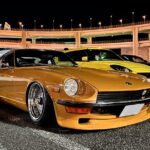
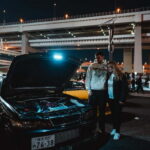
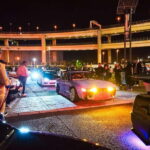
Daikoku Parking Area sits beside Yokohama’s large highway network, far from the easy sightseeing loop around central Tokyo. It is best known among car fans as a place where modified Japanese cars may gather, from Nissan GT-Rs and Toyota Supras to Mazda RX-7s and older custom builds.
You may also see European and American cars, along with high-end names such as Lamborghini, McLaren, and Ferrari. The mix is part of the appeal. One corner can hold a carefully restored classic, while another has a highly modified machine that looks ready for a film set.
The atmosphere matters as much as the cars. You are not simply walking through a museum with labels and ropes. You are seeing a live meeting point, with owners, enthusiasts, highway traffic, bright lights, and the steady movement of people coming and going.
That also makes Daikoku unpredictable. The parking area is public highway infrastructure, not a private event venue. Police may close or clear the gathering, sometimes early in the evening. One outing ended with the area cleared around 8:30 p.m., while another saw almost no cars after the police moved people on.
I would book this as a chance to see Japanese car culture, not as a promise of a certain model or a guaranteed car count. If Daikoku is quiet, your guide should use the time well by trying another approved meeting point or continuing with the city portion of the route.
A few more Tokyo tours and experiences worth a look
The C1 and Wangan highway ride
The drive itself is part of the experience. The C1 and Wangan highways are famous among car fans because they connect Tokyo and Yokohama through a fast-moving web of elevated roads, tunnels, bridges, and bay-side routes.
You are not signing up for a street-racing activity. The tour is conducted under local laws, and the vehicle is used to show you the roads and views rather than encourage reckless driving. This is an important distinction, especially for families or anyone traveling with children.
From the windows, you may catch broad views of Tokyo, Yokohama, industrial waterfront areas, and the city at night. The exact view depends on traffic, weather, and the route used that evening. Bring a camera, but keep your expectations realistic: you are seeing the city from a moving vehicle, not stopping at every viewpoint.
The transport is generally a van, with one review specifically describing a luxurious Toyota Vellfire. Another account makes clear that this is not a supercar pickup. If you want a comfortable way to reach distant car spots, the van is useful. If you expect a dramatic ride in a tuned sports car, this is the wrong product.
A flexible four-hour evening
The stated duration is four hours, with pickup and drop-off in Tokyo or Yokohama. The standard plan includes about one hour at Daikoku Parking Area, roughly 30 minutes at Autobacs Shinonome, and about 30 minutes at Tokyo Tower, with the remaining time used for driving and additional stops.
The route can change. Some guests have requested more time at Daikoku, while another skipped the car shop because it did not suit a younger child. That flexibility is valuable, but you should discuss your priorities with the driver early.
If you are a serious car fan, say so at pickup. You may prefer more time at the parking areas and less time shopping. If you are traveling with a family, you may want the city views and Tokyo Tower included. The guide can respond to your interests when traffic, police activity, and timing allow.
Do not expect every listed stop to receive its full planned time. A police closure, a road delay, or a second car meet can change the evening. That is not automatically a flaw, but clear communication matters.
Autobacs Shinonome: useful for shoppers
Autobacs Shinonome is a large automotive retail stop and a natural addition to a JDM-themed outing. You can browse parts, accessories, tools, and car-related merchandise during the planned 30-minute break.
For a car fan, this may be more than a quick shop. It gives you a look at the practical side of Japan’s car scene, not only the polished machines gathered outside at night. You might find products and styling parts that are hard to locate at home.
The stop is less useful if you have no interest in buying car goods. Thirty minutes is enough for a look around, but not enough for a long shopping session. I would treat it as optional in spirit, even though it appears in the standard plan. Ask to skip it if Daikoku is active and you would rather stay with the cars.
One family did exactly that, choosing to spend the available time elsewhere. This is a good example of using the flexible itinerary sensibly rather than following the schedule for its own sake.
Tokyo Tower adds a change of pace
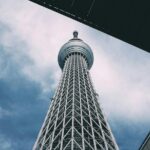
Tokyo Tower gives the outing a second identity. Without it, the trip would be almost entirely about cars and highways. The tower stop adds a familiar Tokyo landmark and a chance for photos against the evening city.
The planned visit is about 30 minutes. That is enough for an exterior photo stop and a quick look around, but not a full tower visit. Entry tickets are not included, so you would need to pay separately if you want to go inside.
This stop is particularly useful if you have limited time in Tokyo or are bringing someone who likes city sights more than modified engines. It also gives the evening a clear ending before the return drive.
Still, car enthusiasts may see it as time taken away from Daikoku. Tell the guide what matters most to you. The route is described as customizable, but the driver cannot control traffic, police decisions, or the actual activity at each parking area.
A few more Tokyo tours and experiences worth a look


Conversation is part of the value
The strongest outings are not just rides to a parking lot. The driver can explain Japanese car culture, the local auto industry, and the difference between what you see in films and what is legal in real life.
The better guide accounts describe smooth driving, strong English, friendly conversation, and useful information about Japan and Tokyo. Ali was praised for explaining both cars and the city. David was described as easy to talk with and particularly helpful on Japanese culture. Kareem was noted for his passion for JDM cars, while Mukarram was praised for prompt communication and adjusting the route.
The assigned guide can vary, so do not assume you will receive a particular person. English and Japanese are offered, and you should have a way to communicate with the driver if you do not have local phone service. WhatsApp contact was used successfully for same-day coordination by one booking party.
The conversation works best when you bring your own interests. Ask about a favorite Japanese model, tuning rules, the local industry, or how the car scene differs from home. The purpose is not a formal lecture. It is a chance to compare car culture across countries while riding through the city where many of these cars originated.
The biggest risk: an empty Daikoku
I would not hide the main weakness. Daikoku can be quiet, cleared, or inaccessible to the kind of gathering you hoped to see. A poor experience involved a visit to Autobacs followed by Daikoku, with no meaningful car display after the police cleared the area.
That outing also had communication problems. The driver reportedly argued about the four-hour length and suggested returning early, even though Tokyo Tower was part of the planned route. The account described poor driving and little discussion about the car scene. This is not the dominant pattern in the supplied feedback, but it is a serious warning because the whole tour depends so heavily on the guide.
A good guide should explain the situation, suggest lawful alternatives, and use the remaining time properly. The tour provider says the route may include Tatsumi and other car-culture locations, but you should confirm what will happen if Daikoku is cleared.
Ask at pickup:
- What is the plan if Daikoku is empty?
- Can we spend longer at another lawful meeting point?
- Is Tokyo Tower still included if the car stop changes?
- How much time will we have at each stop?
Those questions are not fussy. They protect the value of a short, late-night outing.
What $112 per person really buys
The listed price is $112 per person. That is fair if you are staying in Tokyo or Yokohama, want an English-speaking driver, and would not feel comfortable reaching Daikoku and the surrounding highway stops alone.
You are paying for door-to-door transport, local route knowledge, access to a difficult-to-reach location, and the chance to adjust the plan. For a solo visitor, couple, or small group, those pieces can save a great deal of time and stress.
The value drops if your only goal is a guaranteed lineup of particular cars. No tour can control who arrives or when police clear the parking area. Food, drinks, and Tokyo Tower admission are extra, so keep a little room in your budget.
Pickup is offered from hotels, Airbnb stays, and other accommodation in Tokyo’s 23 wards and Yokohama. Airports and seaports are excluded. If you are staying outside those areas, contact the operator before booking to discuss pickup.
Timing, clothing, and practical details
This is a late return by nature. Wear comfortable clothes and shoes, check the weather, and be ready to spend time outside at parking areas. A camera is worthwhile, though nighttime photography can be difficult in changing light.
The activity is wheelchair accessible, and pickup is included. Pets, smoking in the vehicle, alcohol, drugs, and fireworks are not allowed. The activity is listed as unsuitable for people over 95 years old.
Cancellation is free up to 24 hours before the start time, and you can reserve now and pay later. Check the available starting times when booking, since the evening schedule can vary.
Because you may be standing around a parking area or walking between cars, comfortable footwear matters more than dressing up. Keep your hands off vehicles unless an owner clearly invites you to look more closely. You are visiting a real car meeting, not a display built for tourists.
Who will enjoy this most
I would recommend this for:
- JDM fans who want to see Japanese cars in a live setting
- Visitors without a rental car or confidence on Tokyo’s highways
- Parents looking for a memorable evening with a car-loving teenager
- People who want a mix of cars, city views, and a Tokyo landmark
- Visitors who enjoy conversation and can accept a changing route
I would be more cautious if you need a guaranteed supercar ride, a fixed list of models, or a formal tour with every minute locked down. The vehicle is normally a van, the parking areas can change, and Daikoku’s activity is outside the operator’s control.
The experience also suits a first visit to Tokyo because it shows a side of the city that is easy to miss. You see highways, industrial waterfront areas, parking areas, car shops, and a famous tower in one compact evening. It is a different view of Tokyo from the usual temples, shopping streets, and observation decks.
Should you book the Daikoku night tour?
Book it if Daikoku is high on your Japan wish list and you want a practical, lawful way to reach it. The best parts are the highway ride, the chance to see an unpredictable mix of JDM, European, and American cars, and the guide’s personal connection to the subject.
Go in with the right promise: you are buying access to a car-culture evening, not a guaranteed car show. Confirm the backup plan, ask for the full four hours, and tell the driver how you want to divide time between Daikoku, other meeting points, Autobacs, and Tokyo Tower.
At $112 per person, I see solid value for someone who would otherwise have no easy way to reach these places. I would skip it only if a quiet or police-cleared Daikoku would ruin your entire night. For the right car fan, especially one traveling with a teenager, this can become one of the most distinctive evenings in Tokyo.
FAQ
How long does the Daikoku car experience last?
The activity lasts four hours. The return may be late because it is an evening and nighttime outing.
Where can pickup and drop-off take place?
Pickup and drop-off are offered in Tokyo and Yokohama. In Tokyo, pickup is available in the 23 wards from hotels, Airbnb stays, and other accommodation, except airports and seaports.
Is hotel pickup included?
Yes. The driver meets you in the hotel lobby or at the address where you are staying.
Which languages does the driver speak?
Drivers speak English and Japanese. The assigned driver may vary, and guides named in supplied booking information include Ali, David, Kareem, Mukarram, and Rana.
Is entry to Daikoku Parking Area included?
Yes. Entry to Koto and Daikoku Parking Area is included in the activity price.
Is Tokyo Tower admission included?
No. The Tokyo Tower stop is included, but entry tickets for going inside the tower are not.
What happens if police clear Daikoku Parking Area?
The car gathering may end or the parking area may have few cars. The route can include other car-culture stops, including Tatsumi-area locations, but you should confirm the backup plan with the driver.
Can the itinerary be changed?
Yes. The itinerary can be adjusted to include sights and attractions you want to see when timing, traffic, road conditions, and local rules allow.
More Evening Experiences in Tokyo
More Night Tours in Tokyo
More JDM & Car Culture in Tokyo

More tours in Tokyo we've reviewed




JDM & Car Culture, compared.
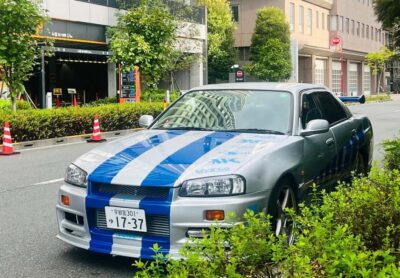 ★ 4.8Tokyo: Fast & Furious Tokyo Drift 3 Experience (Kaila Yu SP)From $157
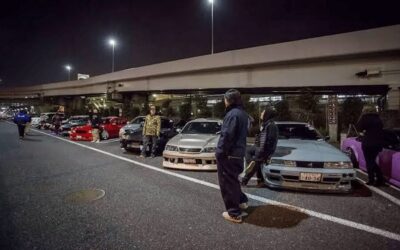 ★ 4.8Tokyo: FAST&FURIOUS EXPERIENCE Daikoku Tokyo Car ClubFrom $157
 ★ 4.8Tokyo Drift: GT-R Car Club R35 Liberty Walk Daikoku meetingFrom $240
 ★ 4.8Tokyo: Daikoku JDM Fast Furious Drift Style Car ExperienceFrom $123
 ★ 4.8Tokyo Drift: GO Daikoku Car Meet R34 Skyline Car ClubFrom $246
 ★ 4.7Tokyo Drift: Daikoku PA Supreme Car Experience 大黒PAFrom $583 hours