Reviewed · JDM & CAR CULTURE
DISCOUNT IN DISCRIPTION: R34 SKYLINE CARMEET AT DAIKOKU
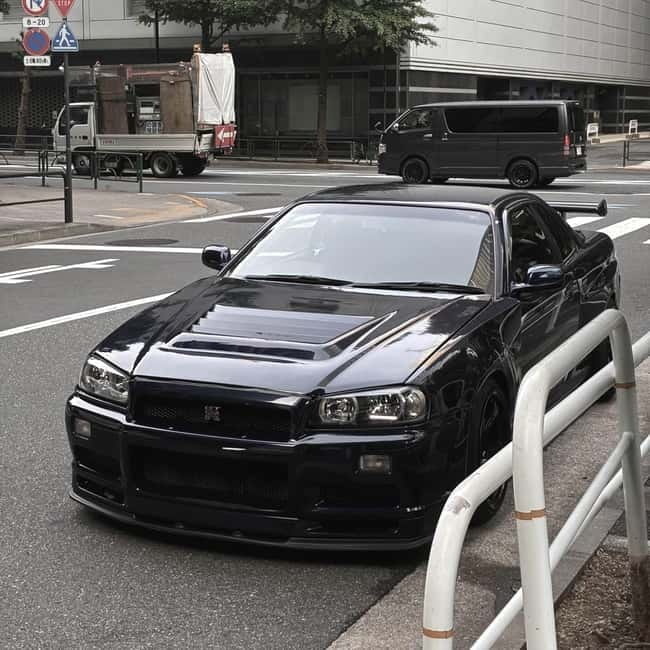
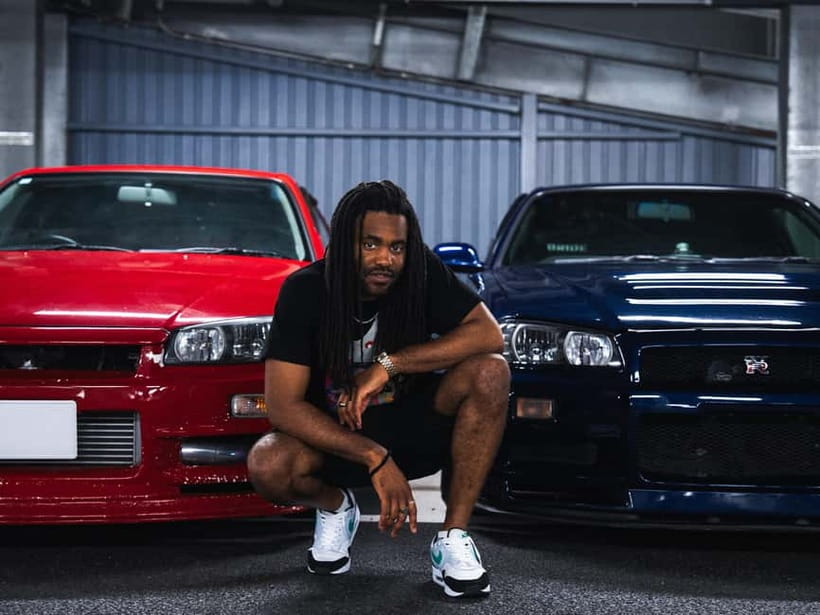
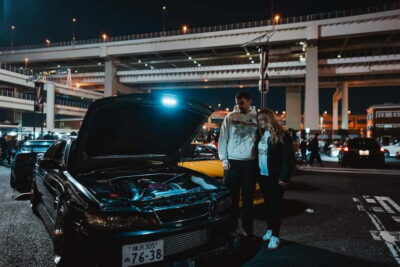
Tokyo’s car culture comes alive on this four-hour private night tour, where you ride in an ER34 Skyline, visit a major auto store, and head to Daikoku PA, the famous meeting point for Japanese performance cars. You are not just looking at parked cars. You are following the roads and bridges that make the experience feel like a real Tokyo cruise.
In This Article
- Key points
- Why This Tokyo Car Tour Feels Different
- Starting in Akihabara and Meeting the Skyline
- Forty Minutes at Autobacs Shinonome
- Daikoku PA, the Main Stop
- Tokyo’s Roads, Bridges, and Night Views
- What the $246 Price Means
- Who Will Enjoy This Most
- Practical Details Before You Book
- Should You Book the ER34 Skyline Tour?
- FAQ
- How long does the car-meet experience last?
- Where can I be picked up?
- Where can I be dropped off?
- Is the tour conducted in English?
- Is this a private tour?
- What car will I ride in?
- What happens if Daikoku Parking Area is closed?
- How much does the experience cost?
- What should I bring?
- Can children join the tour?
I like the direct access to Daikoku PA and the chance to see the city from a car rather than a tour bus. I also like having an English-speaking guide who can explain the JDM scene while taking you through places such as Autobacs Shinonome and across Rainbow Bridge. The main drawback is that Daikoku closes often, and the substitute visit to Umihotaru costs an extra 5,000 yen per person.
Key points
- Ride in an ER34 Skyline: Your transport is part of the attraction, not just a way to get between stops.
- Daikoku PA is the main event: Spend about 90 minutes at one of Japan’s best-known car-meet locations.
- Autobacs Shinonome adds context: You get 40 minutes to browse a major Japanese car store.
- Tokyo night driving is part of the show: The route includes Rainbow Bridge and the roads around Tokyo Bay.
- Daikoku may be replaced: If it closes, Umihotaru PA is available for an additional 5,000 yen per person.
- Private and English-speaking: Hotel pickup and drop-off make this easier than finding Daikoku on your own.
Why This Tokyo Car Tour Feels Different
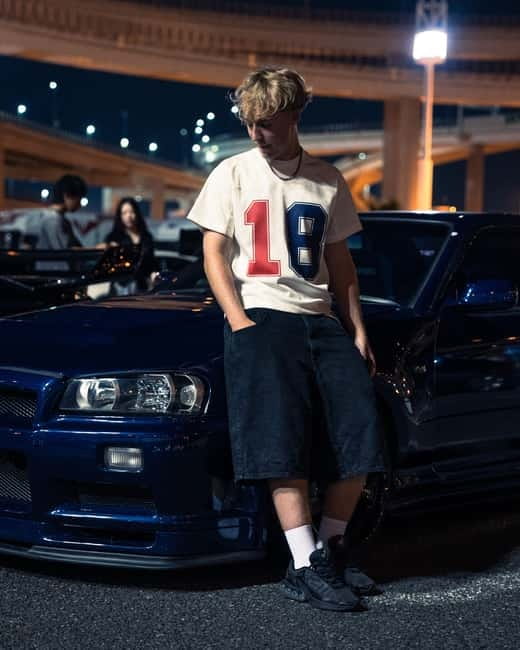
Many Tokyo sightseeing tours keep you on foot or in a standard coach. This one makes the car itself part of the experience. You ride in an ER34 Skyline, a model with a strong place in Japanese performance-car culture, and travel through Tokyo at night toward places that are difficult to reach by public transport.
The appeal is not only the cars parked at Daikoku. It is the whole run: leaving central Tokyo, passing through the city’s night views, crossing bridges, and reaching a large parking area where car fans gather. The route gives you a taste of how Japan’s car scene connects vehicles, highways, shopping, and social meeting points.
Your guide speaks English and is there to explain what you are seeing. Yuto is the guide name specifically associated with the strongest personal praise for this experience, so you can ask when booking if he will be leading your departure. The guide’s role matters here because Daikoku can be busy, changeable, or closed, and local knowledge helps you understand the setting rather than simply take photographs.
This is a private group activity, not a large shared bus excursion. That makes it a better fit if you want a focused outing with friends or family members who already share your interest in cars.
A few more Tokyo tours and experiences worth a look
Starting in Akihabara and Meeting the Skyline
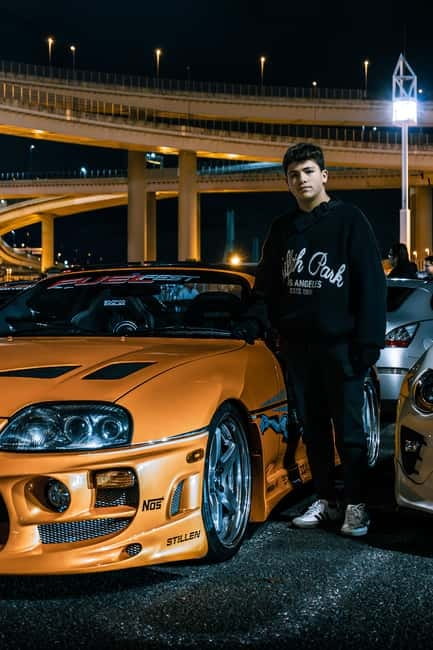
The listed central meeting point is Akihabara Electric Town, with hotel pickup also available. You are asked to email or text your hotel location so the operator can arrange the pickup. If you are staying outside the practical pickup area, confirm the details before you book rather than assuming every Tokyo address is covered in the same way.
The ER34 Skyline is an important part of the opening impression. You are not being taken to a car museum in a generic vehicle. The ride gives you a small piece of the culture before you even reach the meet.
Bring a charged smartphone and camera. You will likely want both during the evening, and a low battery would be an avoidable nuisance. Cash is also listed as something to carry, which is especially useful if you need to pay the replacement-site surcharge or make purchases along the way.
Forty Minutes at Autobacs Shinonome
The first major stop is Autobacs Shinonome, a large Japanese car-related store. You get about 40 minutes for a guided visit and shopping.
This stop helps explain the practical side of Japanese car culture. Daikoku shows the social side, where owners and fans gather. Autobacs shows the commercial side, with the parts, accessories, and car equipment that support that culture.
You should think of this as a compact stop rather than a full shopping expedition. Forty minutes is enough to look around, ask questions, and buy something if an item catches your eye. It is not enough time to examine every product in a large store, especially if you are interested in technical details.
The value depends on your interests. Dedicated car fans will probably enjoy seeing how a Japanese auto store differs from a normal shopping stop. If you are mainly interested in night views and photographs of cars, this is the least scenic part of the evening. Still, it gives the outing more substance than simply driving to a parking area and heading straight back.
Your English-speaking guide can help place the products and car culture in context. That explanation is useful if you know Japanese cars mainly from films, games, or internet clips but do not know much about the everyday scene behind them.
Daikoku PA, the Main Stop
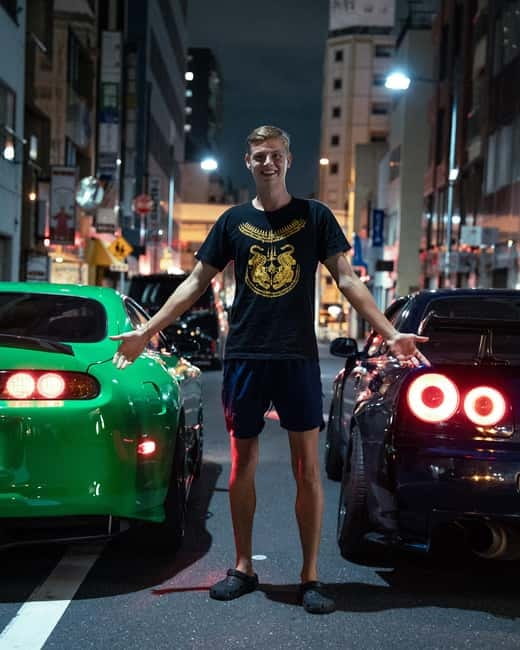
Daikoku Parking Area is the heart of the tour. You spend about 1.5 hours here with guided time and free time.
Daikoku is known as a major gathering point for Japanese car culture. The exact mix of vehicles can change from night to night, so you should not book this expecting a guaranteed list of specific models. The attraction is the chance to see what has gathered when you arrive.
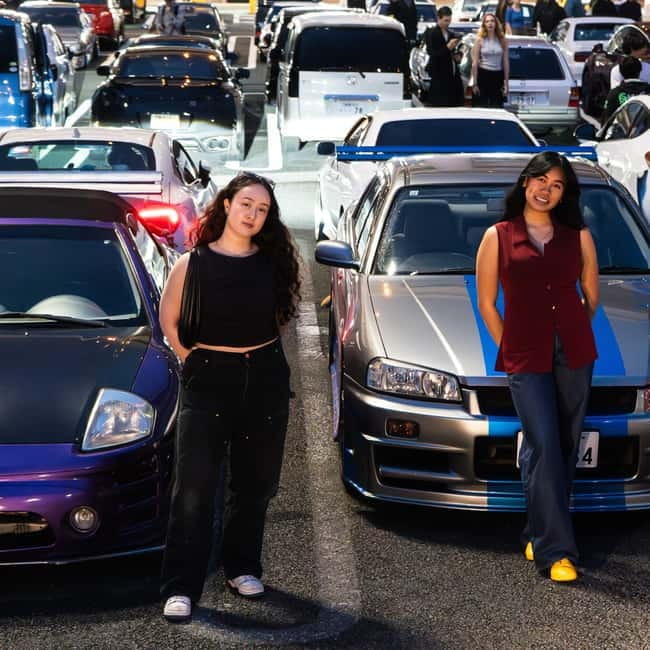
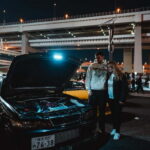
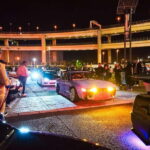
The most exciting part is the scale and variety. The experience has been described as including hundreds of JDM cars, so you might see a broad range of Japanese performance vehicles and modified cars. The atmosphere can feel more like a moving car scene than a static display. Cars arrive, leave, and travel back toward Tokyo, which is why the return drive can be almost as memorable as the parking-area stop.
You get free time to look around, take photographs, and absorb the setting. Follow your guide’s instructions and treat the area as a working parking facility, not a car show created for visitors. Do not block traffic, approach people or vehicles without permission, or assume every car owner wants to be photographed.
This is also where the tour’s value is easiest to judge. If you are deeply interested in JDM cars, an hour and a half at Daikoku, reached in a Skyline with a local guide, can justify much of the price. If you have only a passing interest in cars, the stop may feel long after the first round of pictures.
Daikoku’s frequent closures are the key uncertainty. The closure may be for operational reasons outside the tour operator’s control. If it is shut, the tour goes to Umihotaru PA instead, described here as Japan’s only parking area on the sea. That replacement still gives you a distinctive Tokyo Bay setting, but it is not the same experience as seeing a large car meet at Daikoku.
The replacement also costs an additional 5,000 yen per person because of the extra tolls and distance. Build that possibility into your budget. If Daikoku is the only reason you want to book, ask about current conditions before departure, though a last-minute closure can still happen.
Tokyo’s Roads, Bridges, and Night Views
The road journey is not filler between attractions. You travel along the same broad network of Tokyo roads associated with the local car scene, while seeing the city at night from the passenger seat.
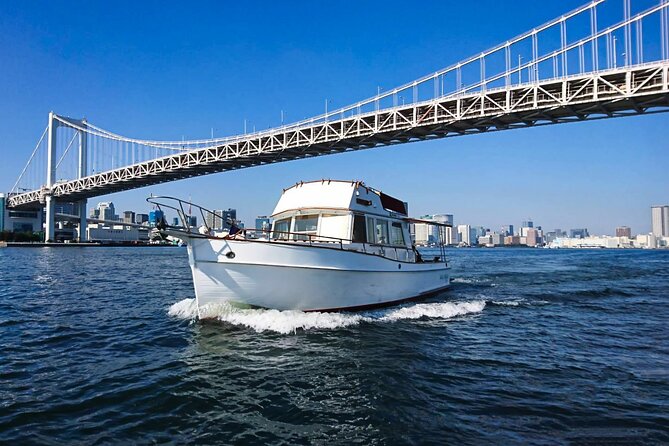
Rainbow Bridge is scheduled as a 30-minute sightseeing stop. It gives the evening a change of pace after the car store and Daikoku. Instead of focusing only on parked vehicles, you get time to take in one of Tokyo’s best-known bridge views and the surrounding waterfront area.
The tour’s return route is part of its character. The strongest praise attached to the experience focuses on driving back from Daikoku in a convoy, crossing the bridge and passing through a tunnel while hearing the sound of other engines. That kind of moment cannot be guaranteed, since it depends on which cars are present and when they leave, but it explains why this tour is more than a simple transfer to a parking lot.
You should keep expectations realistic. This is not a race, and the tour does not promise high-speed driving. It is a guided look at car culture on public roads. The enjoyment comes from the vehicles, the city views, and the feeling of moving through Tokyo at night in a car connected to the scene.
What the $246 Price Means
At $246 per person, this is not a cheap way to spend an evening in Tokyo. The price makes more sense if you value the private format, hotel pickup and drop-off, the ER34 Skyline, an English-speaking guide, and access to a location that is awkward to reach independently.
Daikoku PA is outside the central sightseeing core. Reaching it on your own can involve several transport changes and does not guarantee that the parking area will be open when you arrive. You would also miss the guided connection between Autobacs, the city roads, Rainbow Bridge, and the car meet.
The cost is harder to justify for a casual sightseer who simply wants a few photos of Japanese cars. You could spend much less on a normal Tokyo night tour, and the Daikoku visit is not guaranteed. The private format also means you are paying for a specialized interest rather than a broad city sightseeing program.
For a group of friends who share the same enthusiasm, the value improves. You get a dedicated outing instead of trying to fit a niche interest into a general Tokyo itinerary. Ask yourself one simple question: would you still be excited if the evening included a good car-store visit and Tokyo night drive but Daikoku were closed? If the answer is no, the closure risk matters a great deal.
Who Will Enjoy This Most
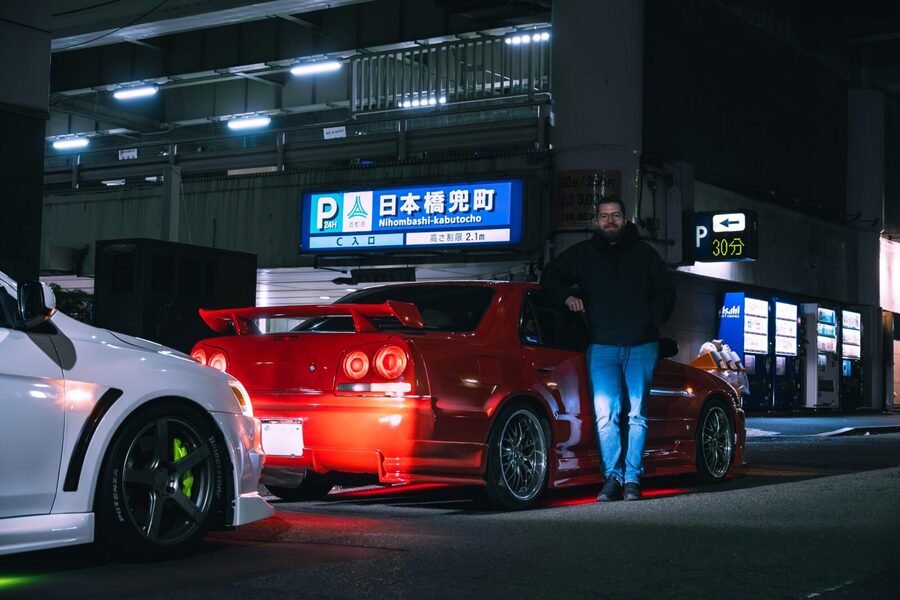
I would recommend this tour to people who already care about Japanese cars, modified vehicles, performance models, or the culture shown in films and racing games. It also suits anyone who wants a different side of Tokyo and prefers a small private outing to a standard sightseeing route.
You do not need to be an expert. A guide can explain the basics, and the visual side of the experience is easy to enjoy. The tour has also been praised as suitable for different age groups, but the official limits matter: it is not suitable for children under 10 or people over 95.
The tour is less suitable if you dislike cars, want a carefully fixed schedule, or need guaranteed access to a particular attraction. It is also not a good fit if your main goal is to drive the Skyline yourself. The information provided describes riding as a passenger, not self-driving.
Alcohol and drugs are not allowed. That is worth noting because the tour takes place at night and includes public roads and a working parking facility. Follow the guide’s instructions and keep the atmosphere respectful.
Practical Details Before You Book
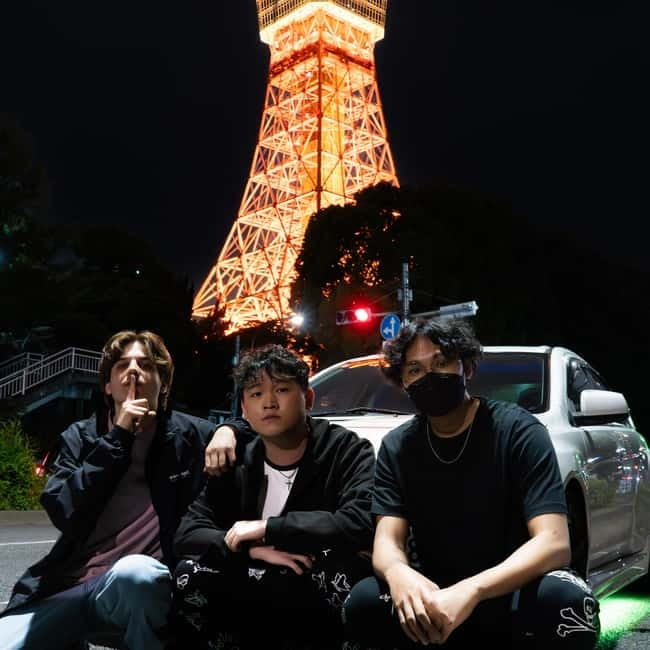
The experience lasts four hours, with start times shown according to availability. Since the tour includes hotel pickup, send your hotel location by email or text as requested. The operator says it will contact you by email within 48 hours, so check your mailbox and reply promptly.
The listed return options include Tokyo and Akihabara Electric Town. Confirm your exact pickup and drop-off arrangement before the evening, especially if you are relying on a hotel transfer.
Bring your passport, camera, cash, and a charged smartphone. The passport requirement is listed among the items to bring, so do not leave it behind simply because you expect to stay within Tokyo.
You can reserve now and pay later, which helps if your plans are still shifting. Free cancellation is available up to 24 hours before the activity for a full refund. That flexibility is useful here because a Tokyo night tour can be affected by Daikoku’s operating status.
The tour is offered in English and runs as a private group. A private departure gives you more room to ask questions about the cars and the local scene than you would normally get on a large group outing.
Should You Book the ER34 Skyline Tour?
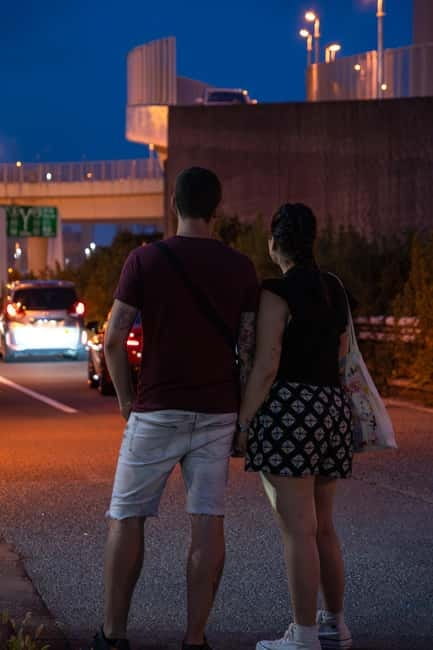
Book it if Japanese car culture is one of your main reasons for visiting Tokyo. The ER34 Skyline ride, English guide, Autobacs stop, Daikoku visit, Rainbow Bridge views, and night drive create a focused experience that ordinary city tours do not offer.
I would hesitate if you are working with a tight budget or if Daikoku is the only part that interests you. The $246 price is substantial, and a closure can mean both a change of plan and an extra 5,000 yen for Umihotaru.
For the right person, this is a memorable half-day built around the feeling of Tokyo’s car scene rather than a checklist of famous landmarks. Go in knowing that the cars and atmosphere vary from night to night, and you will be better prepared to enjoy what the city and its drivers bring to the evening.
FAQ
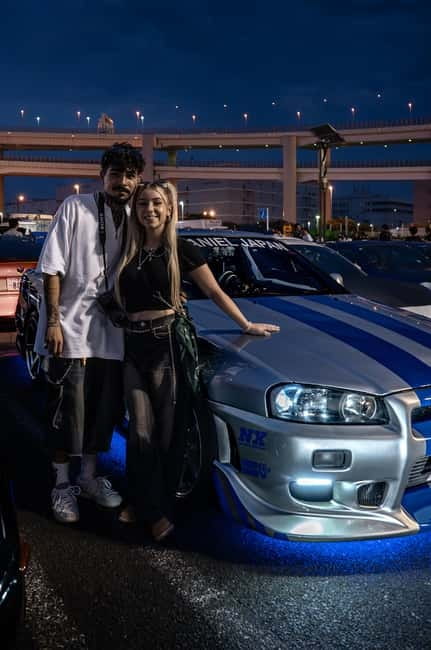
How long does the car-meet experience last?
The experience lasts four hours. Starting times depend on availability.
Where can I be picked up?
Hotel pickup is included, and Akihabara Electric Town is listed as a pickup location. You should email or text your hotel location so the operator can arrange the details.
Where can I be dropped off?
Tokyo and Akihabara Electric Town are listed as drop-off locations. Confirm the exact arrangement with the operator before the tour.
Is the tour conducted in English?
Yes. The experience includes a live English-speaking guide.
Is this a private tour?
Yes. It is offered for a private group rather than as a standard large group outing.
What car will I ride in?
Pickup is by an ER34 Skyline. The vehicle is part of the car-culture experience.
What happens if Daikoku Parking Area is closed?
The tour goes to Umihotaru Parking Area instead. There is an additional charge of 5,000 yen per person for the tolls and extra distance.
How much does the experience cost?
The listed price is $246 per person. The Umihotaru replacement charge is separate if Daikoku is closed.
What should I bring?
Bring your passport, camera, cash, and a charged smartphone.
Can children join the tour?
The experience is not suitable for children under 10 years old or for people over 95 years old. Alcohol and drugs are not allowed.
More JDM & Car Culture in Tokyo
More tours in Tokyo we've reviewed












JDM & Car Culture, compared.
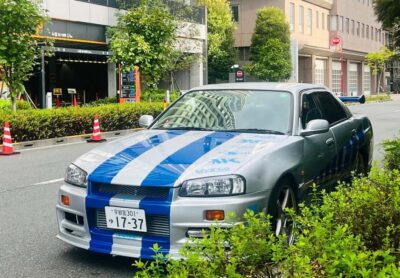 ★ 4.8Tokyo: Fast & Furious Tokyo Drift 3 Experience (Kaila Yu SP)From $157
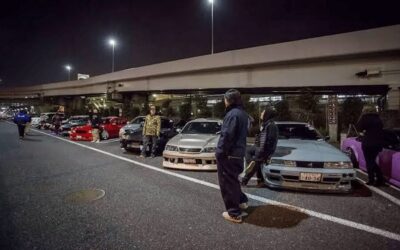 ★ 4.8Tokyo: FAST&FURIOUS EXPERIENCE Daikoku Tokyo Car ClubFrom $157
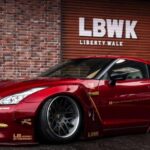
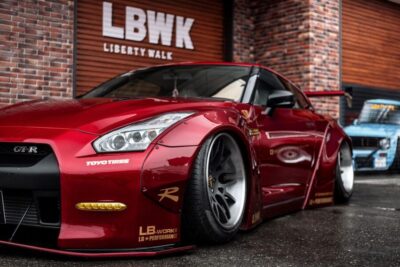 ★ 4.8Tokyo Drift: GT-R Car Club R35 Liberty Walk Daikoku meetingFrom $240
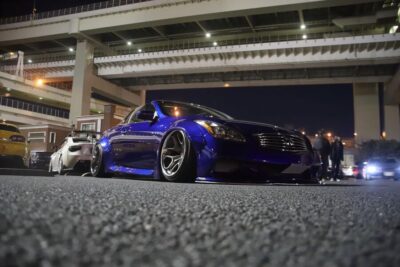 ★ 4.8Tokyo: Daikoku JDM Fast Furious Drift Style Car ExperienceFrom $123
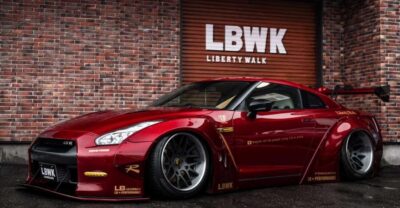 ★ 4.8Tokyo Drift: GO Daikoku Car Meet R34 Skyline Car ClubFrom $246
 ★ 4.7Tokyo Drift: Daikoku PA Supreme Car Experience 大黒PAFrom $583 hours