Reviewed · SUSHI MAKING CLASSES
Shibuya Tokyo: Sushi Making Class (Vegan/Vegetarian/Halal)
Making sushi in Shibuya gives you more than a meal. In 90 minutes, you learn to shape California rolls and nigiri, hear a few lively facts about sushi, and eat the results. The class works especially well for visitors who want a hands-on Japanese activity without spending half a day in a kitchen.
In This Article
- Key points at a glance
- Why a sushi class adds something to a Shibuya day
- The opening sushi quiz puts the meal in context
- Fresh vegetables make plant-based sushi feel complete
- Rolling California rolls takes patience, not cooking talent
- Nigiri gives you the iconic sushi challenge
- Eating your own work is part of the lesson
- What the 58-dollar price includes
- Allow time to find the Shibuya studio
- Who will get the most from this class
- Booking advice for dietary needs and flexible plans
- Should you book the Shibuya sushi class?
- FAQ
- How long does the sushi-making class last?
- Where does the class take place?
- Is the class taught in English?
- Can I choose a vegan or vegetarian menu?
- Are halal-friendly and gluten-free options available?
- What happens if I need to change my menu on the day?
- Can I cancel for a refund?
I like the clear English instruction and the friendly teaching style reported from instructors including Momoyo and Kaito. I also like the practical menu choices: vegan, vegetarian, halal-friendly, and gluten-free options can be arranged instead of forcing everyone into a standard seafood lesson.
The main point to watch is the meeting location. The studio is about a seven-minute walk from Shibuya Station, but the exact meeting point can vary by booking, and one participant needed extra time to find the venue. Arrive early and check the details carefully.
Key points at a glance

- Make and eat your own sushi: Prepare California rolls and nigiri, then sit down to enjoy the food you created.
- Strong choice for plant-based diners: Vegetables such as eggplant, mushrooms, tomato, and avocado replace the usual seafood fillings.
- Dietary requests must be made ahead: Vegan, vegetarian, halal-friendly, and gluten-free options are available, but same-day menu changes are not accepted.
- A useful history lesson comes first: The short sushi quiz explains the dish in a light, social way before the cooking starts.
- English makes the process easy: Local instructors explain the ingredients, rolling method, and shaping techniques in English.
- Central Shibuya setting: The studio is roughly seven minutes from Shibuya Station, making it easy to fit into a day of shopping and sightseeing.
Why a sushi class adds something to a Shibuya day
Shibuya is famous for its giant crossing, department stores, music shops, cafes, and late-night energy. It can also feel like a place where you simply move from one photo stop to the next. This class gives you a reason to slow down and take part in something rather than only look at it.
I like the scale of the activity. Ninety minutes is long enough to learn a few real techniques, but short enough to fit around other plans. You do not need to give up an entire afternoon, and the class offers a welcome break from walking through central Tokyo.
The setting also matters. You are learning sushi in Shibuya, not in a remote cooking school outside the city. After class, you can return to the station area, continue exploring, or make the experience part of a wider food-focused day.
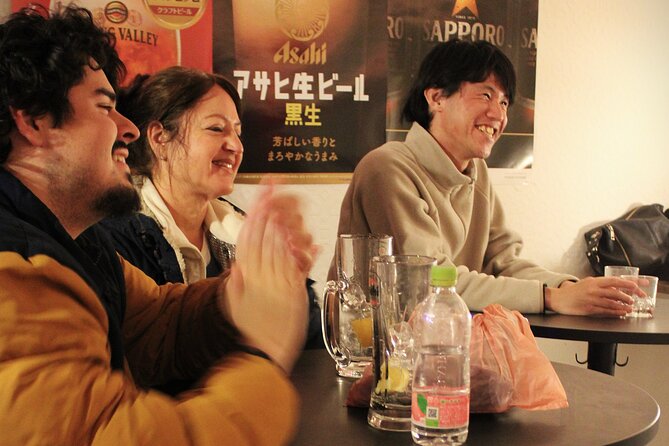
This is not presented as an advanced chef course. The emphasis is on simple instruction, fresh ingredients, useful tips, and the pleasure of making something with your own hands. That makes it a good match for first-time cooks, families, couples, solo visitors, and anyone who wants a social activity that does not depend on nightlife.
A few more Tokyo tours and experiences worth a look


The opening sushi quiz puts the meal in context
The class begins with a short quiz about the history of sushi. This is a smart choice. Instead of launching straight into rice and seaweed, the instructors give you a little context about how Japan’s best-known dish developed.
The quiz is meant to be fun rather than academic. The tone helps people relax, especially if they arrive knowing very little about sushi or feel unsure about working in a cooking class. You get a few memorable facts without sitting through a long lecture.
I value this part because it gives meaning to the food you are preparing. Sushi is not simply rice wrapped around a filling. The quiz provides a quick introduction to the dish as a Japanese food tradition, then moves on before the information becomes heavy.
The introductions from instructors such as Momoyo and Kaito have been singled out for their friendly, easygoing approach. The teaching style appears to be conversational, with small stories and clear explanations rather than stiff formal instruction.
Fresh vegetables make plant-based sushi feel complete
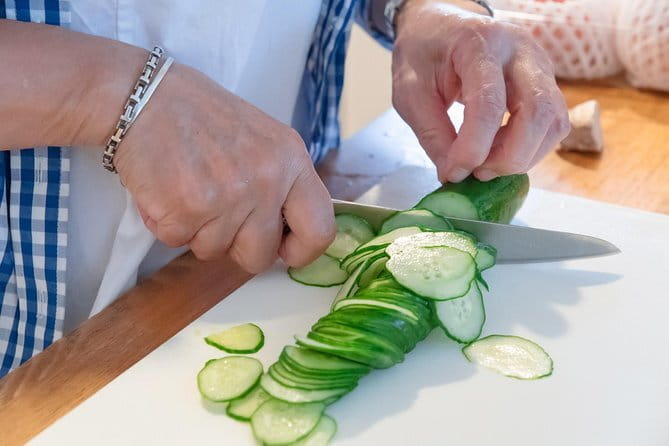
The ingredients are supplied, and the vegan and vegetarian versions use vegetables such as eggplant, mushrooms, tomato, and avocado. These choices give you several colors, textures, and shapes to work with. The result is more interesting than a roll built around one plain filling.
If you are vegan in Japan, this option solves a real dining problem. Sushi counters often focus on fish, and it is not always easy to explain every ingredient in a busy restaurant. Here, your dietary preference is part of the booking process, so the cooking session can be prepared around it.
The halal-friendly and gluten-free choices make the class useful for people who need more than a standard vegetarian menu. Still, you should give the provider your food preferences or restrictions when booking. The menu cannot be changed on the day, so this is not an activity where you should wait until arrival to mention an allergy or dietary need.
I would also treat halal-friendly as a request that needs advance confirmation, not as a reason to skip the booking details. The supplied information says the option is available, but it does not give a full ingredient list or certification details. If your requirements are strict, contact the provider before paying and explain exactly what you need.
Rolling California rolls takes patience, not cooking talent
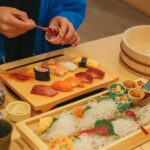
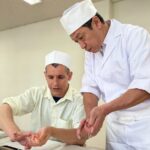
Once the ingredients are introduced, you begin making sushi with the guidance of the English-speaking instructors. You can expect advice on the ingredients, the rolling method, and ways to make the finished sushi look neat.
California rolls are a friendly starting point. The shape is familiar, and the rolling process gives you a clear task to focus on. You will work with the sushi-making tools supplied by the studio, so you do not need to bring equipment or ingredients from home.
The first roll may not look perfect. That is part of the fun. Rice can spread too far, fillings can shift, and the roll may come out a little wider than planned. The instructors are there to show you how to handle those small problems instead of leaving you to guess.
Several people have praised the clear explanations and patient instruction. That matters more here than fancy presentation. A good sushi lesson should leave you knowing what to do differently next time, and the practical tips are meant to travel home with you.
You should also expect the experience to be hands-on. This is not a demonstration where you watch an instructor prepare the food and then receive a plate. You make the sushi yourself, which means the final meal reflects your work, including any imperfect edges.
Nigiri gives you the iconic sushi challenge
The class also covers nigiri, the recognizable form made by shaping rice and placing a topping over it. In this plant-based lesson, the toppings are based on the selected menu rather than raw fish.
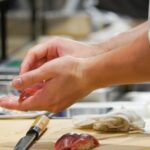
Nigiri can look simple, but getting the rice into a compact, attractive shape takes a little control. That is why it is a useful part of the class. You learn that sushi presentation comes from balance and touch, not just from piling ingredients together.
I like that the lesson includes both rolls and nigiri. The two forms use different movements, so you leave with more than one basic technique. You can later experiment with vegetables available at home, even if your first homemade pieces are not restaurant-perfect.
The instructors are reported to explain each stage in a way that beginners can follow. That makes the class less intimidating for anyone who has never handled sushi rice or seaweed before. You do not need cooking experience to take part.
A few more Tokyo tours and experiences worth a look
Eating your own work is part of the lesson
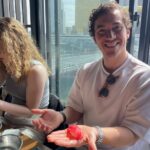
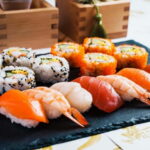
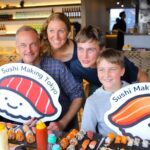
After the preparation, you eat what you have made. The food is not merely packed away as a souvenir. You sit down, taste the finished sushi, and see how the ingredients work together.
This is where the activity earns much of its value. You are not paying only for instruction. You are also receiving a meal, a social experience, and a set of skills you can use again. Some participants describe the portion as a satisfying, full meal, though the exact amount will depend on the menu and your preparation.
The staff can take photos of your sushi before you eat it. That is a small but useful touch, since handmade sushi is easy to photograph and difficult to carry around afterward.
I would keep your expectations sensible. This is a short class, not a full Japanese cooking course, and it will not teach every part of sushi preparation. You will gain an introduction to rolling and shaping, along with some background and ingredient ideas. For most visitors, that is enough to make the experience memorable without making it feel like homework.
What the 58-dollar price includes
At $58 per person, the class is not the cheapest meal you can find in Tokyo. You can eat inexpensive sushi elsewhere, and you can find casual food around Shibuya for less.
The value comes from the combination. The price includes an English-speaking local instructor, the sushi quiz, ingredients, cooking tools, the lesson, and the food you make. It also includes access to a structured activity in a central part of Tokyo, which can be useful when you want a planned break from sightseeing.
I see the price as reasonable for a visitor who values participation. If you only want to eat sushi, use the money at a restaurant. If you want to understand a little more about the dish and learn techniques you can repeat at home, the class offers more than a standard lunch.
The dietary flexibility adds value for plant-based diners and people who need halal-friendly or gluten-free food. Finding a suitable Japanese food activity can take extra planning, so having the menu arranged in advance may be worth the cost.
Allow time to find the Shibuya studio
The studio is about a seven-minute walk from Shibuya Station. That sounds simple, but Shibuya has large station exits, busy streets, and plenty of buildings that can look similar when you are checking your phone.
The meeting point may vary depending on the option you book. I would not leave the station at the last minute. Check the exact instructions, allow extra time, and aim to arrive early enough to find the building without rushing.
The location is convenient once you are there. You can combine the class with Shibuya sightseeing, shopping, or a meal nearby. The activity does not require a long ride across Tokyo, which makes the 90-minute format especially useful.
The class is offered in English, and audio recording is not allowed. You can listen, ask questions, and take photos of your finished sushi, but plan to keep recording equipment out of the session.
Who will get the most from this class
I would recommend this experience to several types of visitors:
- First-time visitors to Japan who want a simple introduction to sushi culture.
- Vegan and vegetarian diners who want a food activity designed around plant-based ingredients.
- People with halal-friendly or gluten-free needs who can provide details before booking.
- Families and couples looking for a shared activity with an edible result.
- Solo visitors who want a friendly class rather than another meal eaten alone.
- Beginner cooks who prefer clear guidance and a relaxed pace.
It may be less suitable if you are looking for a serious chef qualification, a long market visit, or a traditional seafood-focused sushi lesson. The class centers on vegan and vegetarian preparation, with dietary alternatives arranged in advance.
I would also think twice if your schedule is extremely tight. The lesson itself lasts 90 minutes, but you need walking time and a little margin for finding the studio. Shibuya is not the place to race from one appointment to another.
Booking advice for dietary needs and flexible plans
When you book, state your food preference clearly. Choose vegan, vegetarian, halal-friendly, or gluten-free according to your needs, and mention allergies or other restrictions at that point.
Do not assume you can switch menus after arriving. The instructions specifically say that changes cannot be made on the day. This is the most important practical point for anyone with a strict diet.
The booking terms also allow cancellation up to 24 hours in advance for a full refund. A reserve-now-and-pay-later option is available, which helps if your Tokyo schedule is still changing.
The class has a 4.7 rating from 29 ratings, and the strongest praise centers on the friendly staff, clear teaching, enjoyable atmosphere, and tasty food. I would give those points real weight. In a short cooking lesson, a warm instructor can make the difference between feeling lost and leaving with a skill you want to try again.
Should you book the Shibuya sushi class?
Book it if you want to make your own food, need a plant-based or special-diet menu, and like the idea of learning a few sushi techniques in English. The combination of a short history quiz, California rolls, nigiri, and a meal you prepare yourself gives the class a nice rhythm.
I especially recommend it for a vegan visitor in Japan, a family with mixed dietary needs, or a solo visitor who wants an easy social activity in central Tokyo. Momoyo, Kaito, and the other local instructors appear to put real care into making beginners comfortable.
Skip it if your main goal is to eat expertly prepared seafood sushi, or if you want a long, technical cooking course. For everyone else, $58 buys a practical and cheerful Shibuya experience, with skills, food, and a story to take home.
FAQ
How long does the sushi-making class last?
The activity lasts 90 minutes.
Where does the class take place?
The studio is in the heart of Shibuya, about a seven-minute walk from Shibuya Station. The exact meeting point may vary depending on the option booked.
Is the class taught in English?
Yes. The instructor language is English, and the class includes an English-speaking local instructor.
Can I choose a vegan or vegetarian menu?
Yes. Vegan and vegetarian options are available, with ingredients such as eggplant, mushrooms, tomato, and avocado.
Are halal-friendly and gluten-free options available?
Yes. Halal-friendly and gluten-free options are available. You should provide your food preferences and dietary restrictions when booking.
What happens if I need to change my menu on the day?
Menu changes cannot be accommodated on the day of the activity. Submit your dietary needs in advance.
Can I cancel for a refund?
You can cancel up to 24 hours before the activity for a full refund. A reserve-now-and-pay-later option is also available.
More Food Experiences in Tokyo


More Sushi Making Classes in Tokyo
More Shibuya Tours in Tokyo


More tours in Tokyo we've reviewed












Sushi Making Classes, compared.
 ★ 5.0Sushi Making Tokyo Roll and Authentic Japanese Sushi ClassFrom $59
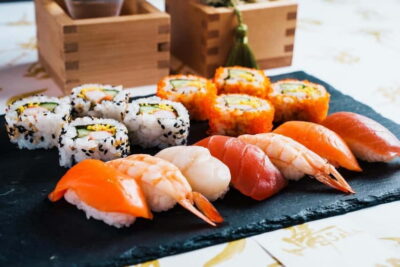 ★ 4.9Tokyo: Roll and Authentic Sushi Making Class in AsakusaFrom $581h 40m
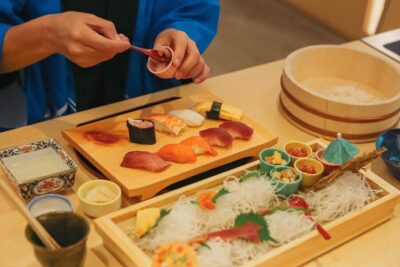 ★ 4.9Tokyo: Sushi Making Class in a Happi Coat near a Famous SpotFrom $421h 30m
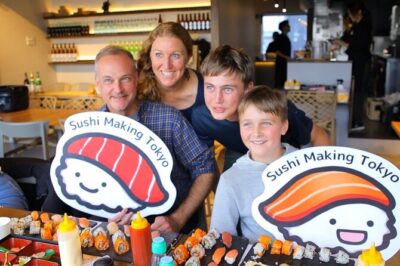 ★ 5.0Sushi Making Tokyo! Popular Maki Sushi & Japanese Sushi(+Recipe!)From $63
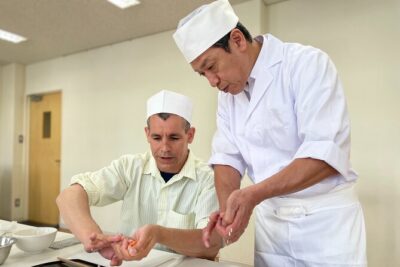 ★ 5.0Tokyo Sushi Making Class in Tsukiji with Professional ChefFrom $49
 ★ 5.0Tokyo Night Foodie Tour in Shinjuku – Seasonal Sushi, Wagyu BeefFrom $111