Reviewed · TEA CEREMONY & MATCHA
Japanese Traditional Breakfast and Tea Ceremony
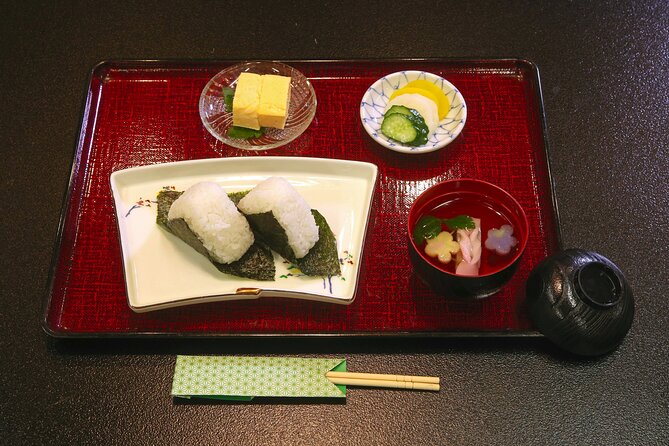
A bowl of hotel cereal cannot compete with a morning that begins with freshly prepared onigiri, a short meditation, and matcha made by a trained tea master. This 90-minute Tokyo experience gives you a close look at Japanese food and tea customs without requiring a full-day excursion or a formal temple visit.
In This Article
- Key Points to Know Before Booking
- Starting the Morning in Shibakōen
- A Light Japanese Breakfast With Onigiri
- The Tea Master Explains the Ritual
- A Short Meditation Before the Matcha
- Your Turn to Prepare Matcha
- What the $60.81 Price Includes
- Who Will Enjoy This Morning Activity
- Practical Details for a Smooth Visit
- Should You Book the Japanese Breakfast and Tea Ceremony?
- FAQ
- Where does the Japanese breakfast and tea ceremony take place?
- What time does the experience start?
- How long does the activity last?
- Is breakfast included?
- Can I make my own matcha?
- Is the tea ceremony explained in English?
- Is transportation included?
- What is the cancellation policy?
I like two things right away. First, you do not only watch the ceremony: you make your own tea with step-by-step instruction. Second, breakfast gives the cultural lesson a useful setting, since you can taste rice balls, traditional sweets, and other local flavors while learning what a Japanese morning meal can look like.
The main drawback is finding the meeting point at Kikai Shinkō Kaikan in Shibakōen may take some care. One person had trouble locating the venue, so you should allow extra time and avoid arriving at 9:00 a.m. with only a few minutes to spare. The group can also reach 28 people, which may feel less intimate than a private tea lesson.
Key Points to Know Before Booking
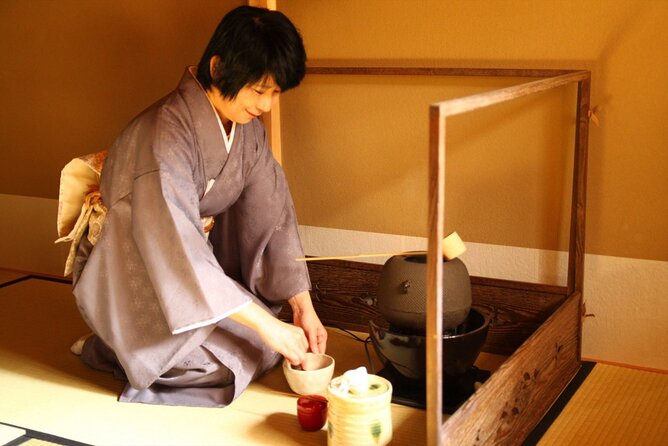
- You make your own matcha: The second tea ceremony is performed by you, with instruction from the host.
- Breakfast includes onigiri: You prepare rice balls and eat them with other Japanese breakfast items and sweets.
- A bilingual tea master leads the experience: The tea master has at least five years of experience and explains the ritual in English.
- Zen is part of the lesson: A short meditation and an explanation of the hanging scroll connect the ceremony to Zen practice.
- The experience lasts about 90 minutes: It starts at 9:00 a.m. and returns to the same meeting point.
- The price is $60.81 per person: That includes breakfast, sweets, matcha, instruction, interpretation, and both tea demonstrations.
Starting the Morning in Shibakōen
The experience begins at 9:00 a.m. at Kikai Shinkō Kaikan, 3-chōme-5-8 Shibakōen, Minato City, Tokyo. The venue is near public transportation, but the address can still be easy to miss, especially if you are navigating Tokyo for the first time.
I would plan to arrive early. Give yourself enough time to find the building, check the address on your phone, and settle in before the meditation begins. Pick-up and drop-off are not provided, so you are responsible for reaching the meeting point and returning from it afterward.
The setting matters because this is not a bus tour with a guide rushing you from one sight to the next. You spend the full experience in one place, with the attention focused on food, tea, utensils, movement, and explanation. That makes it a good choice for your first morning in Tokyo if you want a gentle introduction to Japanese customs.
The group may include as many as 28 people. That is a reasonable size for an organized activity, but do not expect the quiet, highly personal pace of a private tea room. If you are comfortable learning in a small crowd, the group format can make the experience more relaxed and social.
A few more Tokyo tours and experiences worth a look

A Light Japanese Breakfast With Onigiri
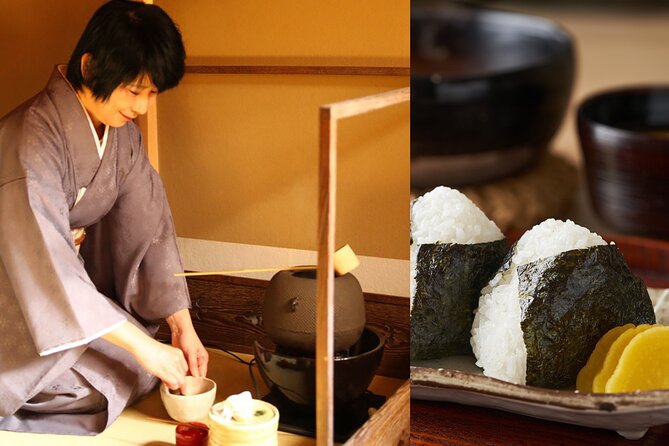
The first practical pleasure is breakfast. You receive a light meal with rice balls and other local flavors, followed by traditional Japanese sweets. The food is not presented as a large buffet, so you should think of it as a cultural tasting and a morning meal rather than a replacement for a hungry person’s full breakfast.
The onigiri is an especially useful part of the experience. You have the chance to make your own rice ball, then eat it with the other items served. This turns a familiar Japanese food into something you understand through your hands, not just your appetite.
Onigiri is simple food, but that simplicity is part of its appeal. Rice, shaping, and a few accompanying ingredients show how everyday Japanese cooking often depends on careful preparation rather than elaborate presentation. The activity also gives families and children something concrete to do before the tea ceremony begins.
I would not book this expecting a detailed cooking class. The focus is still tea and Japanese custom, and the breakfast is described as light. If you need a large meal first thing in the morning, eat something small beforehand or plan another meal later.
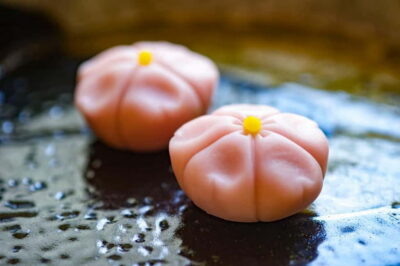
The sweets serve a different purpose. Japanese tea ceremonies traditionally pair bitter matcha with a sweet confection, so the sweets help you understand the flavor balance instead of treating them as a separate dessert course. You are not simply handed a snack. You learn why it belongs with the tea.
The Tea Master Explains the Ritual
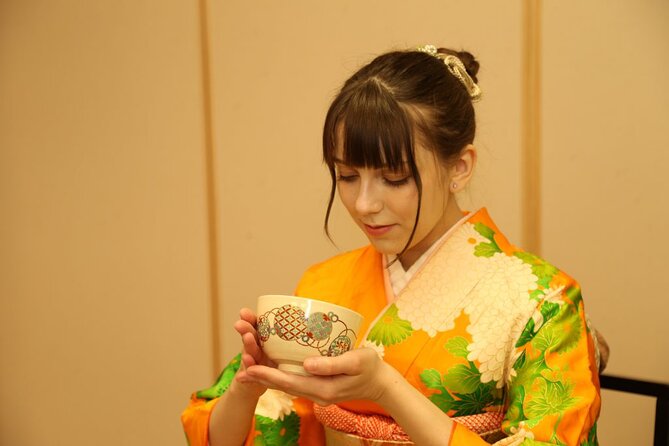
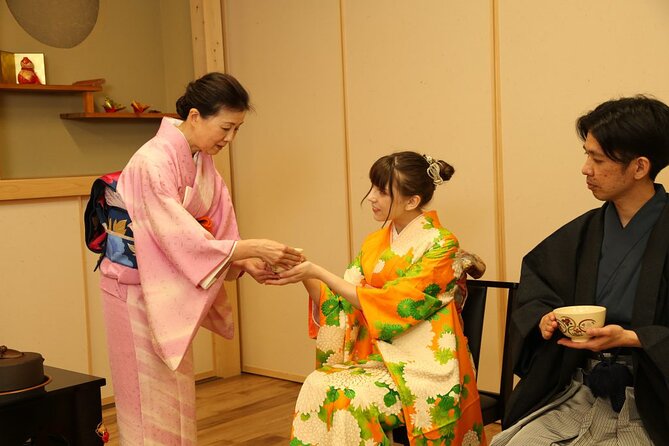
After breakfast, the tea portion begins with a performance by the tea master. The teacher is bilingual, licensed, and has more than five years of experience. An English-speaking guide interpreter also provides hospitality and explains the ceremony, Zen practices, hanging scrolls, and tea utensils.
That English instruction makes a major difference. Tea ceremony involves small gestures and a particular order, and it can be hard to understand if you are watching without context. Here, you learn what the movements mean and why the tools are handled with such care.
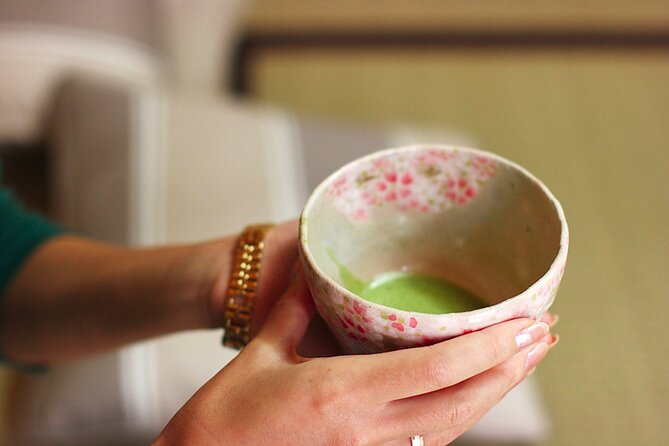
You will drink high-quality matcha prepared by the host. Matcha has a grassy, slightly bitter taste that some first-time drinkers find strong. The sweet confections soften that edge, making the pairing easier to appreciate.
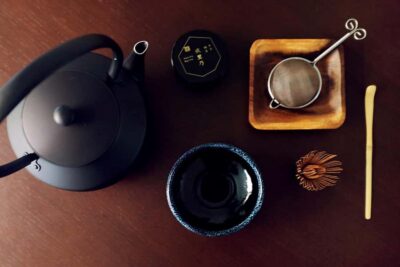
The host explains the tea utensils rather than treating them as decorative objects. You learn to pay attention to the tools, the placement of the objects, and the measured pace of the preparation. These details can seem formal at first, but the explanations make the ceremony easier to follow.
The activity also includes an explanation of a hanging scroll expressing the spirit of Zen. This is a valuable detail because it shows that the ceremony is not only about drinking powdered green tea. The room, the scroll, the utensils, and the quiet period all contribute to the mood and meaning of the occasion.
A Short Meditation Before the Matcha
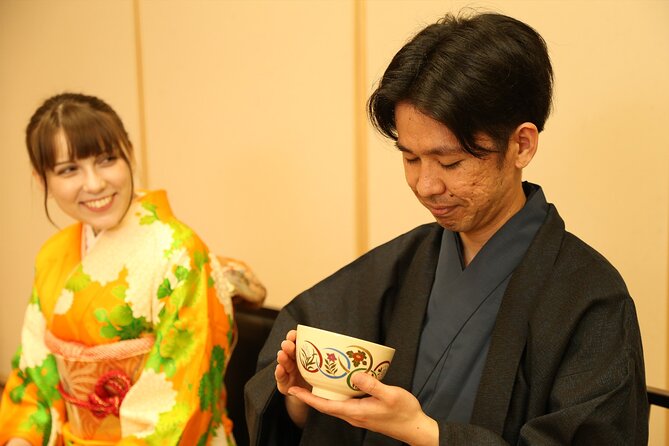
A brief meditation is included near the beginning of the experience. It is not described as a long religious session, and you do not need previous meditation experience. It is simply a pause that helps you shift from Tokyo’s usual speed to the slower attention required by the tea ritual.
I like this part because it gives the ceremony a clear frame. Without a pause, you might focus only on the mechanics: whisk the tea, turn the bowl, drink, and set it down. The meditation encourages you to notice the silence, the movement, and the care behind each step.
The Zen explanation adds useful cultural context, but you should not expect a full lesson in Zen Buddhism. The session is designed for visitors who want a practical introduction. It offers enough background to make the ceremony meaningful without turning the 90-minute activity into a formal religious course.
Families can take part, and the short format helps keep the morning manageable. Very young children may find the quiet movements difficult, but the onigiri activity gives the visit a hands-on element. The experience can work well for a family because breakfast and tea offer two different ways to participate.
Your Turn to Prepare Matcha
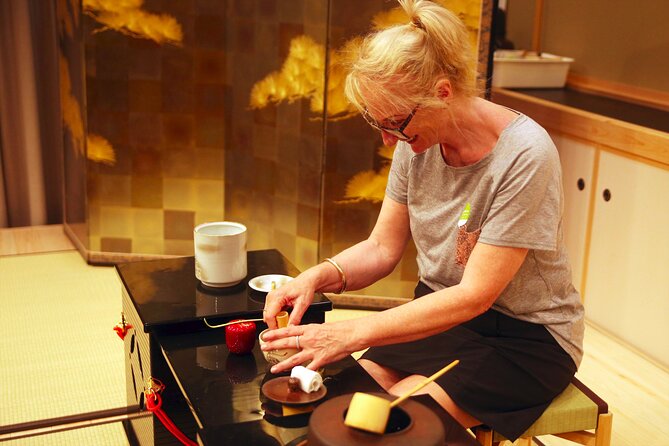
The strongest feature is the chance to make tea yourself. The first ceremony is performed by the tea master, allowing you to watch the full process. The second is performed by you, with instruction.
This two-part structure is much better than being asked to copy the host without seeing the ceremony first. You have time to notice the order of the steps, then try them with guidance. The lesson is intended to give you tea rituals that you can recreate at home.
Do not expect to become a tea master in one sitting. You will not learn every school, rule, or variation of the ceremony in 90 minutes. What you gain is a basic sequence, an understanding of the atmosphere, and enough practical knowledge to prepare matcha with more care when you return home.
The hands-on portion also makes the experience less passive. You are not only listening to commentary or taking photographs. You handle the utensils, prepare the drink, and taste the result. That can make the details easier to remember long after you leave Tokyo.
The tea master’s instruction is especially useful for first-time visitors. You can ask for clarification in English, and the bilingual format helps bridge the gap between the ritual’s formal appearance and its everyday purpose. If you already have extensive experience with Japanese tea ceremony, you may find the lesson introductory rather than advanced.




What the $60.81 Price Includes
At $60.81 per person, this is not the cheapest breakfast in Tokyo. You could buy a filling convenience-store breakfast for far less. The price makes more sense when you see it as a guided cultural activity that also happens to include food.
Your fee covers the breakfast, traditional sweets, authentic matcha, the tea master’s demonstration, your own tea-making session, English explanations, and the short meditation. It also includes context about Zen practices, Japanese hanging scrolls, and tea utensils.
I consider that fair value if you want instruction rather than a meal alone. You are paying for the teacher’s time and the chance to participate, not simply for the ingredients. The experience can also save you from trying to understand a formal tea ceremony by watching from the edge with no explanation.
The value is weaker if your main goal is a large breakfast or a long tea ceremony. The meal is light, the activity lasts about an hour and a half, and the group may be fairly large. You should book it for the combination of food, teaching, and participation.
Group discounts may be available, which could improve the price for families or larger parties. The experience accepts mobile tickets, so you can keep your booking on your phone rather than printing paperwork.
Who Will Enjoy This Morning Activity
I would recommend this experience to first-time visitors who want a clear, approachable introduction to Japanese culture. It is especially suitable if you want to understand a tea ceremony rather than simply watch one for a few minutes.
Families can also get good use from it. The onigiri-making activity gives children something active to do, while the sweets and matcha make the morning feel different from an ordinary sightseeing stop. The family experience described in the feedback suggests the format can work across age groups, though the quiet meditation and formal movements may require patience from younger children.
Food lovers will appreciate the breakfast, but this is not a full cooking tour. You make onigiri and learn about a traditional breakfast, yet the main subject remains tea ceremony and Zen practice.
The experience suits visitors who enjoy cultural explanation. The guide covers the meaning of the hanging scroll and the purpose of the utensils, not just the order of the gestures. If you prefer fast sightseeing and several locations in one morning, this may feel slow.
It also suits people who want something they can continue at home. The chance to make matcha yourself gives the activity a practical result. You leave with a simple ritual to remember, even if you do not purchase special tea equipment.
Practical Details for a Smooth Visit
The meeting point is in Shibakōen, in Minato City. It is near public transportation, but you should still check the exact building and address before leaving your hotel. One useful tip is to arrive early enough to ask for help if the venue does not appear immediately on your map.
The activity begins at 9:00 a.m. and ends back at the meeting point after roughly 90 minutes. That leaves much of the day free for sightseeing, making it easy to pair with other Tokyo plans.
No hotel pick-up or drop-off is offered. Extra food and drinks are also not included. The breakfast is light, so plan your next meal rather than assuming this will carry you through the afternoon.
Confirmation is sent within 48 hours of booking, subject to availability. The activity requires a minimum number of participants, and it can be canceled if that number is not reached. Poor weather can also lead to cancellation, with the option of a different date or a full refund.
Free cancellation is available if you cancel at least 24 hours before the start time. Changes or cancellations made inside that window are not refunded or accepted, so check your Tokyo schedule before booking.
Should You Book the Japanese Breakfast and Tea Ceremony?
Book this experience if you want active participation, English instruction, and a cultural lesson that fits neatly into one morning. The combination of breakfast, onigiri making, meditation, a tea master’s demonstration, and your own matcha preparation gives you more substance than a quick sightseeing stop.
I would be more cautious if you want a private ceremony, a large breakfast, or an advanced study of tea schools. The group can reach 28 people, and the lesson is designed for beginners.
For most first-time visitors, the $60.81 cost is reasonable because it covers both food and instruction. Arrive early at the Shibakōen meeting point, keep your expectations focused on cultural learning rather than a full meal, and you will be set up for a calm and memorable start to the day.
FAQ
Where does the Japanese breakfast and tea ceremony take place?
The activity begins and ends at Kikai Shinkō Kaikan, 3-chōme-5-8 Shibakōen, Minato City, Tokyo 105-0011, Japan.
What time does the experience start?
It starts at 9:00 a.m.
How long does the activity last?
The experience lasts approximately 1 hour and 30 minutes.
Is breakfast included?
Yes. A light Japanese breakfast is included, along with traditional Japanese sweet confections.
Can I make my own matcha?
Yes. After watching a tea ceremony performed by the tea master, you have the opportunity to make your own tea with instruction.
Is the tea ceremony explained in English?
Yes. The experience includes a bilingual licensed tea master and English explanations of the ceremony, Zen practices, hanging scrolls, and tea utensils.
Is transportation included?
No. Pick-up and drop-off services are not included. The meeting point is near public transportation.
What is the cancellation policy?
You can cancel at least 24 hours before the start time for a full refund. Cancellations or changes made less than 24 hours before the start time are not refunded or accepted. Weather or minimum-participant cancellations may result in a different date or a full refund.
More Tea Ceremony & Matcha in Tokyo
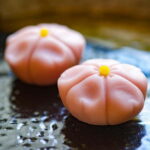


More tours in Tokyo we've reviewed












Tea Ceremony & Matcha, compared.
 ★ 5.0Matcha Making Class in Tokyo with Authentic Japanese Sweets SetFrom $21
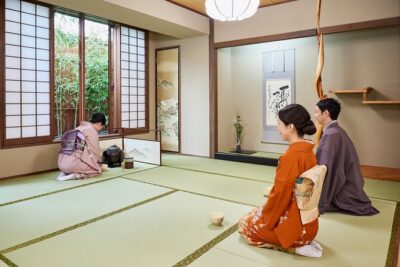 ★ 5.0Kimono Tea Ceremony at Tokyo, Asakusa MaikoyaFrom $55
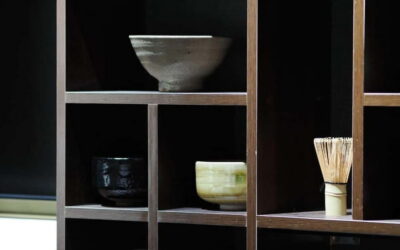 ★ 5.0Tokyo: Traditional Tea Ceremony with a Tea MasterFrom $381 hour
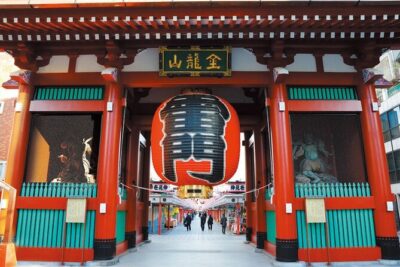 ★ 4.5Dynamic Tokyo: Tokyo Tower, Tea Experience, Bay Cruise Day TourFrom $99
 ★ 4.9Tokyo: Matcha Making Experience with Mochi Sweets in AsakusaFrom $221 hour
 ★ 4.7Tokyo: Matcha and Kimono ExperienceFrom $57