Reviewed · KAMAKURA & ENOSHIMA DAY TRIPS
Kamakura Walking Tour with Local Guide Including Hokokuji Temple
Kamakura packs Japan’s old religious heart into a day trip from Tokyo. This private tour takes you from the bright vermilion gates of Tsurugaoka Hachimangu to the calm bamboo grove at Hokokuji, then on to the Great Buddha and Hasedera Temple.
In This Article
- Key points to know before you book
- Why Kamakura makes a good break from Tokyo
- Tsurugaoka Hachimangu, Kamakura’s starting point
- Hokokuji Temple and its quiet bamboo grove
- Two hours along Komachi Street
- The Great Buddha of Kamakura
- Hasedera and the eleven-faced Kannon
- What the private guide changes
- Price, extra costs, and overall value
- Who should book this Kamakura day?
- Booking and cancellation details
- Should you book it?
- FAQ
- How long does the Kamakura walking tour last?
- What time does the tour start?
- Is hotel pickup included?
- Is this a private tour?
- Which places are visited?
- Are transportation costs included?
- How much are the entrance fees?
- Is lunch included?
- How fit do I need to be?
- Can I cancel for a full refund?
I like two things right away: your guide handles the public transportation, and the group is limited to your party, with a maximum of five people. The history focus is another strong point. Guides such as Take, Hiroyuki Iwai, Steve, and Kobata san have helped make the temples and Buddhist traditions easier to understand.
The main drawback is cost. At $146.59 per person, you still pay transportation, lunch, and three admission fees separately. This is best for you if personal guidance matters more than finding the cheapest way to Kamakura.
Key points to know before you book
- Five-person maximum: This is a private activity, so only your group takes part.
- Five major stops: You visit Tsurugaoka Hachimangu, Hokokuji, Komachi Street, the Great Buddha, and Hasedera.
- Public transportation is part of the day: The guide helps you navigate the trains and buses, but transport costs about ¥2,000 per person.
- Three extra entry fees: Budget ¥400 for Hokokuji, ¥300 for the Great Buddha, and ¥400 for Hasedera.
- About nine hours door to door: The scheduled sightseeing lasts roughly four hours, with the remaining time used for travel.
- Moderate fitness is needed: Expect walking, station transfers, temple grounds, and time on your feet.
Why Kamakura makes a good break from Tokyo
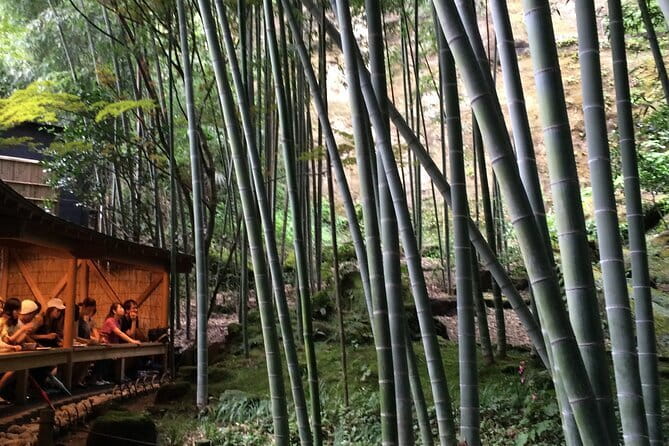
Tokyo can fill a day with towers, shopping streets, and crowded train platforms. Kamakura gives you a different Japan: old shrines, Buddhist temples, wooded paths, and a seaside-town setting within reach of the capital.
The city developed around Tsurugaoka Hachimangu, Kamakura’s best-known Shinto shrine. From there, the day moves through several different religious sites rather than treating Kamakura as one long photo stop. You see a Shinto shrine, Zen temple, Buddhist temple, and the famous bronze Buddha. That variety gives the tour a useful shape.
The trip takes about nine hours, including transportation. That matters. Kamakura is not a single attraction beside a Tokyo station. You need to move between sites, and a private guide can save you from spending the day checking route maps and second-guessing transfers.
Hotel pickup and drop-off are included. The exact pickup arrangements should be confirmed when you book, since the supplied details give a 9:00 am start but do not name a fixed pickup location.
A few more Tokyo tours and experiences worth a look
Tsurugaoka Hachimangu, Kamakura’s starting point
Your first stop is Tsurugaoka Hachimangu, where you spend about 30 minutes. Admission is free, so this part of the day begins without an extra ticket.
This is the right place to start because Kamakura grew around the shrine and its main street. The shrine’s bold colors and broad ceremonial approach give you an immediate sense that Kamakura was once a political and religious center, not simply a day-trip town.
Thirty minutes is enough for an introduction and a look around, but it is not a long, unhurried shrine visit. I would treat this stop as a clear orientation to Kamakura rather than a full study of every building.
A guide adds real value here. The architecture alone is easy to admire, but a guide can explain the difference between Shinto and Buddhist sites, a useful lesson for the rest of the day. Several guide names appear in the tour’s feedback, including Take and Hiroyuki Iwai, both praised for explaining Japanese history and organizing the day well. Guide assignments can change, so you should not book expecting one particular person.
Hokokuji Temple and its quiet bamboo grove
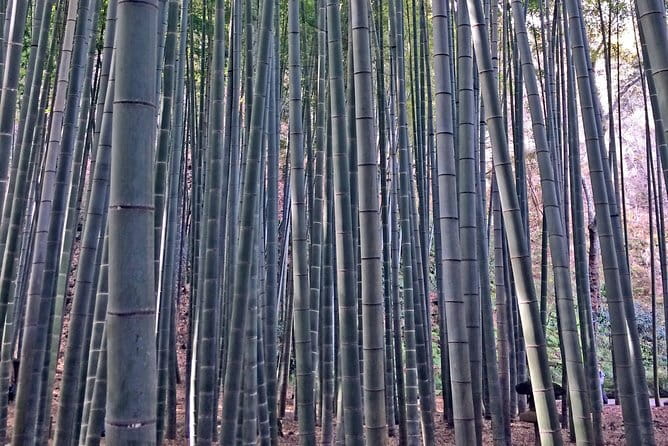
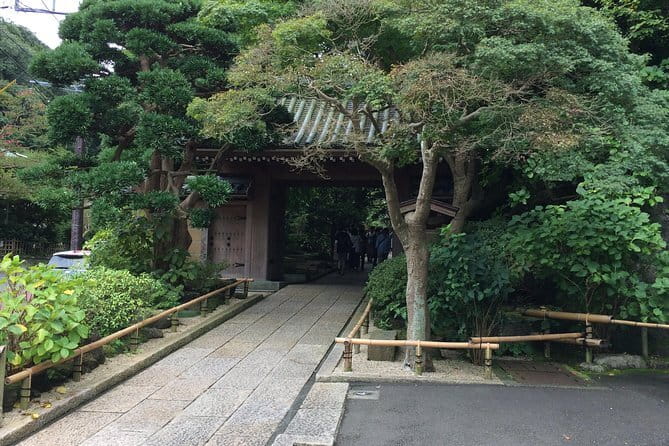
Hokokuji is the most atmospheric stop on the route. You have about an hour here, including time in the temple’s bamboo grove.
This is a Zen temple, and its bamboo garden offers a sharp change from the open approach at Tsurugaoka Hachimangu. Tall bamboo creates a narrow green corridor, and the setting feels quieter and more contained. The garden is the reason many people remember Hokokuji long after the day ends.
Admission is not included. Set aside ¥400 per person for the bamboo grove. The price is modest, but you need to carry some extra yen or otherwise be ready to pay the listed fee.
An hour gives you room to walk through the grove without treating it as a five-minute picture stop. It also gives your guide time to explain Zen practice and the place of the temple within Kamakura’s religious life.
The main practical point is that the grove is only one part of a full day of walking. You may find it easy to linger here, but the schedule still has several major stops ahead.
Two hours along Komachi Street

Komachi Street receives the longest scheduled stop, about two hours. Admission is free, and this is your chance to eat lunch, browse shops, and take a break between temple visits.
The street is famous for shopping in Kamakura. That makes it useful for more than souvenirs. The two-hour window gives you breathing room in a day otherwise built around fixed sites, and lunch is not included, so this is the natural place to buy food and drinks.
I like that the schedule does not rush you through every stop. A private guide can point out places along the street and help you decide how to use your free time, though the supplied details do not promise a particular restaurant or a food tasting.
Keep your expectations in check. Komachi Street is a shopping area, not a quiet temple garden. It may feel busy, especially at popular times. If you prefer religious sites to shopping, two hours may seem long. If you want lunch and time to browse, it is a useful pause.
The Great Buddha of Kamakura
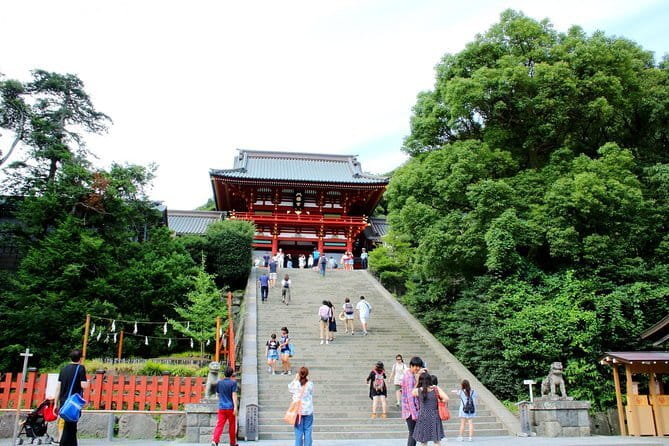
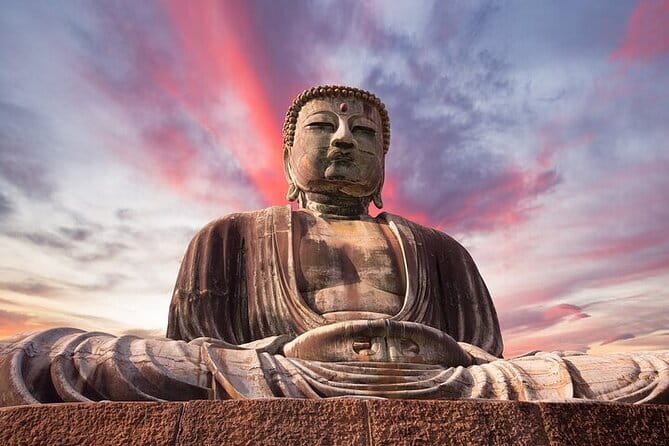
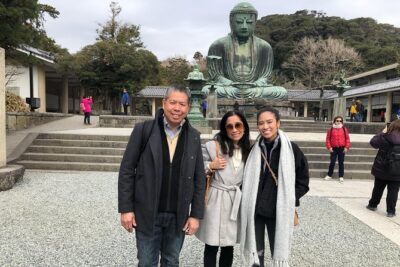
Kotoku-in is home to Kamakura’s most recognizable sight, the 47-foot, or 14-meter, bronze Buddha. You have about 30 minutes at the site.
The statue is powerful because of its scale and simplicity. After the colorful shrine and the enclosed bamboo grove, the Great Buddha gives the day a single, unmistakable focal point. Thirty minutes should allow you to see the statue, take photographs, and hear the main historical explanation from your guide.
Admission costs ¥300 per person and is not included. The tour description does not state that entry inside the statue is included, so you should plan around the main visit listed here rather than expect additional access.
This is one of the stops where a good guide can prevent the experience from becoming a quick photograph. The Buddha is famous, but the reasons it matters are less obvious if you see it without context. The guide’s history notes can connect the statue to Kamakura’s Buddhist identity and to the other religious sites visited during the day.
A few more Tokyo tours and experiences worth a look


Hasedera and the eleven-faced Kannon
The final listed stop is Hasedera Temple, with about 30 minutes to see the eleven-faced Kannon. Admission is ¥400 per person.
Hasedera adds another Buddhist layer to the day. Rather than repeating the Great Buddha, the temple gives you a different sacred image and a more intimate religious focus. The short visit means you should expect an introduction, not a complete tour of every part of the temple grounds.
The schedule places Hasedera after several other stops, so your energy may be lower by this point. That is why the moderate fitness warning matters. You should be comfortable walking between sites, using public transportation, and remaining active for much of the day.
The supplied details do not specify the amount of stair climbing or the exact route through the temple. If mobility is a concern, ask the operator before booking. The tour is near public transportation, but that does not mean every temple area will be level or effortless.
What the private guide changes
The strongest feature here is not simply the list of places. It is the chance to see Kamakura with a person who can explain what you are looking at and help you move between sites.
Public transportation is part of the experience. The guide helps you navigate trains and buses with your group, giving you a practical look at how people move around Japan. Transport is not free, though. The stated estimate is around ¥2,000 per person for the customer and guide, separate from the tour price.
That arrangement also explains why the nine-hour length should not be mistaken for nine hours of sightseeing. The scheduled visits add up to about four hours. The rest is travel time, transfers, and movement between Kamakura’s separate attractions.
The private format helps with flexibility. One family used a guide named Steve while recovering from illness, and the guide adjusted the day to suit their condition. That does not guarantee the same level of adjustment in every booking, but it shows why a private tour can work better than a fixed coach excursion when your group has different ages or energy levels.
The group limit is listed as five people. For a couple, family, or small group of friends, that creates a more personal day than a large bus tour. It also means the per-person price may feel easier to justify when divided among several people, though each person still pays the listed tour rate.
Price, extra costs, and overall value
The listed price is $146.59 per person. That includes the professional guide and hotel pickup and drop-off, but not transportation between attractions, food, drinks, or entry fees.
Your known extra admission costs add up to ¥1,100 per person:
- Hokokuji bamboo grove: ¥400
- Kotoku-in Great Buddha: ¥300
- Hasedera Temple: ¥400
Add about ¥2,000 per person for transportation, plus lunch and drinks. The final cost is therefore notably higher than the headline price.
I would not choose this tour as the budget option. You are paying for private guiding, door-to-door service, route help, and a full day built around Kamakura’s main religious sites. If you are comfortable planning trains, buses, tickets, and meal stops yourself, an independent visit may cost less.
I do see the value for a first visit, especially if you want history explained in plain terms. The strongest guide feedback centers on organization, friendliness, historical instruction, and help using public transportation. One guide even used an educational folder to explain Japanese Buddhism and Kamakura to a family with two teenage sons.
The tour also offers group discounts, though the supplied information does not state the discount amount. Ask for the exact price for your group before paying.
Who should book this Kamakura day?
I would recommend it for you if:
- You are staying in Tokyo and want a full-day cultural outing.
- You prefer a guide to handle train and bus navigation.
- You want several major Kamakura sites in one day.
- You are traveling with up to five people.
- You value historical explanation more than the lowest price.
- You have moderate fitness and can stay active for much of the day.
Families may find the private format especially useful. The guide can adjust the pace more easily than a large group tour, and the combination of shopping, a giant Buddha, a bamboo grove, and shrine visits gives children and teenagers several kinds of activity.
It is less suitable if you want a slow temple retreat, a dedicated food tour, or a long beach visit. Komachi Street offers time for shopping and lunch, but the main purpose is cultural sightseeing across multiple locations.
Booking and cancellation details
The tour starts at 9:00 am and offers hotel pickup and drop-off. Confirmation is provided at booking, and the meeting area is near public transportation.
Free cancellation is available if you cancel at least 24 hours before the local start time. Cancellations or changes made less than 24 hours before the start are not accepted for a refund.
Because the tour is often booked well in advance, with an average booking lead time of 67 days, plan ahead if your Tokyo dates are fixed. The mobile ticket is convenient, and the tour is available as a private activity for your group.
Should you book it?
Book this Kamakura tour if you want the day organized around the city’s major religious sights and you would rather learn as you go than manage every train, bus, and ticket yourself. The combination of Tsurugaoka Hachimangu, Hokokuji, the Great Buddha, and Hasedera gives you a strong first look at Kamakura.
Skip it if price is your main concern or if you are happy to plan independently. The extra transportation and admission costs matter, and several stops are brief.
For a small group that wants a private guide, hotel pickup, clear historical context, and an efficient day outside Tokyo, this is a sensible choice. Just budget for the add-ons and expect a busy nine hours, not a leisurely temple day.
FAQ
How long does the Kamakura walking tour last?
The tour lasts approximately nine hours. About four hours are assigned to sightseeing stops, and the remaining time is used for travel between locations.
What time does the tour start?
The stated start time is 9:00 am.
Is hotel pickup included?
Yes. Professional guide service and hotel pickup and drop-off are included.
Is this a private tour?
Yes. Only your group participates, with the group limited to five people.
Which places are visited?
The route includes Tsurugaoka Hachimangu Shrine, Hokokuji Temple Bamboo Grove, Komachi Street, Kotoku-in Great Buddha, and Hasedera Temple.
Are transportation costs included?
No. Transportation to and from the attractions for you and the guide costs around ¥2,000 per person.
How much are the entrance fees?
Hokokuji costs ¥400 per person, Kotoku-in costs ¥300 per person, and Hasedera costs ¥400 per person. These fees are not included.
Is lunch included?
No. Lunch and drinks for both you and the guide are not included.
How fit do I need to be?
A moderate level of physical fitness is recommended. You should be prepared for walking, public transportation, and spending much of the day on your feet.
Can I cancel for a full refund?
Yes, if you cancel at least 24 hours before the experience start time. Cancellations or changes made less than 24 hours before the start are not refunded.
More Walking Tours in Tokyo

More Temples & Meditation in Tokyo
More Kamakura & Enoshima Day Trips in Tokyo


More tours in Tokyo we've reviewed












Kamakura & Enoshima Day Trips, compared.
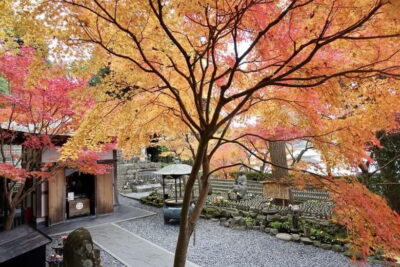 ★ 4.5Tokyo: Kamakura & Enoshima Day Trip including Temple TicketsFrom $589 hours - 570 minutes
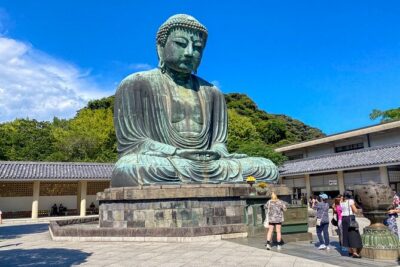 ★ 5.0Mount Fuji, Kamakura, Big Buddha, & Lake Ashi Day TripFrom $109
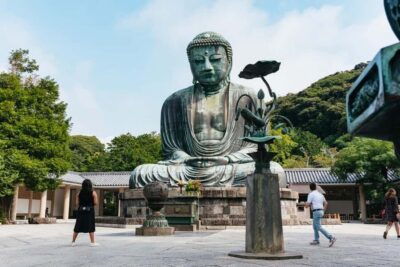 ★ 4.7Tokyo: Mt Fuji, Kamakura, Lake Ashi & Big Buddha Guided TourFrom $50
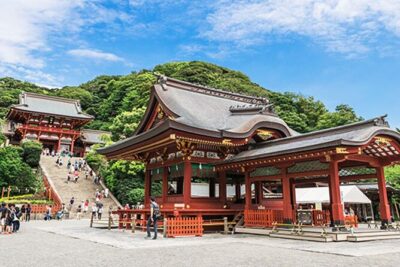 ★ 4.5From Tokyo: Kamakura & Enoshima 1-Day Bus TourFrom $66
 ★ 4.9Tokyo:Sea of Mount Fuji, Hakone Ropeway, Ōwakudani, EnoshimaFrom $5010 hours
 ★ 5.0Kamakura 8 hr Private Walking Tour with Licensed Guide from TokyoFrom $201