Reviewed · MT FUJI DAY TRIPS
From Tokyo/Yokohama: Mt.Fuji & Hakone Private Day Tour
The best part of this private Mt. Fuji day tour is simple: you are not tied to a bus schedule. Your English-speaking guide and driver collect you from your hotel or apartment, then shape the day around the weather, your group, and the places you most want to see. The Fuji route can include Oshino Hakkai, shrines, lakeside views, Oishi Park, the Chureito Pagoda, and more.
In This Article
- Key points to know before booking
- Why a private van works well for Mt. Fuji
- The first choice: Fuji or Hakone
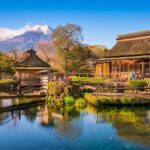
- Oshino Hakkai: a gentle start among mountain springs
- Kitaguchi-hongu Fuji Sengen Shrine and Shimoyoshida Honcho Street
- Lake Kawaguchiko: your main break of the day
- Oishi Park and the changing view of Fuji
- Arakurayama Sengen Park and the 498-step climb
- The Hakone alternative: Lake Ashi, Owakudani, and the ropeway
- Guides make the difference
- Price, timing, and small costs
- Who should book this day trip?
- Should you book the Mt. Fuji private tour?
- FAQ
- How long does the private Mt. Fuji and Hakone tour last?
- Is hotel pickup included?
- Can I visit Mt. Fuji and Hakone on the same day?
- How many people can join the private tour?
- Is lunch included?
- Can the van reach Mt. Fuji 5th Station all year?
- How difficult is the Chureito Pagoda visit?
I like the door-to-door pickup and the clean, air-conditioned van with Wi-Fi and bottled water. I also like the human touch: guides such as Ali, David, Sam, Bajwa, Faris, Imran, and Tom have helped with photos, ticket purchases, lunch suggestions, and small itinerary changes. The main catch is important: you must choose either the Fuji-area route or the Hakone route. You cannot realistically cover both in one 10-hour day.
Key points to know before booking

- A private van for up to six people: The $406 price is for the group, not each person, making it more attractive for families and small groups.
- Weather shapes the day: Mt. Fuji views are never guaranteed, but the driver can seek better viewpoints when clouds cover the mountain.
- The listed route is Fuji-focused: Oshino Hakkai, Lake Kawaguchiko, Oishi Park, and Chureito Pagoda form the main sightseeing plan.
- Chureito Pagoda means 498 steps: There is no elevator, so plan for a steep climb.
- Mt. Fuji 5th Station has seasonal limits: From July 1 through September 10, private vehicles cannot drive there. A shuttle bus costs 1,000 yen.
- Lunch and admission cost extra: Bring cash or a card for food, ropeways, cruises, and other paid attractions.
Why a private van works well for Mt. Fuji

Mt. Fuji is an awkward day trip by public transport. The sights are spread across several towns, and the best photo stop can change with the clouds. A private vehicle lets you move on when a view is poor, stay longer at a good one, and avoid figuring out several bus connections.
You get around 10 hours from pickup to drop-off. That sounds generous, but Tokyo traffic can eat into the day. The drive to the Fuji area is listed as about two hours each way, so expect roughly four hours in transit if you start and finish in Tokyo. Pickup times can also shift by up to 30 minutes because of highway traffic.
The van is air-conditioned, includes Wi-Fi and bottled water, and is designed for a private group of up to six. For a family or group of friends, $406 works out to about $68 per person if all six places are filled. For two people, the price is much steeper, but you are paying for privacy, hotel pickup, a dedicated vehicle, and a guide who can adjust the route.
I would choose this format over a large coach if you care about taking photos, need a flexible pace, or have children or older relatives with you. A coach may cost less, but it will not wait while you finish lunch, stop for an extra family photo, or change plans because Fuji has disappeared behind clouds.
A few more Tokyo tours and experiences worth a look
The first choice: Fuji or Hakone
The description presents Mt. Fuji and Hakone as one combined experience, but the practical instructions say to choose one route. This is not a minor detail. Fuji-area sights and Hakone attractions are spread out, and trying to force both into one day would leave you rushing from one stop to the next.
The Fuji route is the better choice if your main goal is seeing and photographing Mt. Fuji. It includes traditional shrines, villages, lake views, parks, and the famous Chureito Pagoda. The itinerary below follows this option.
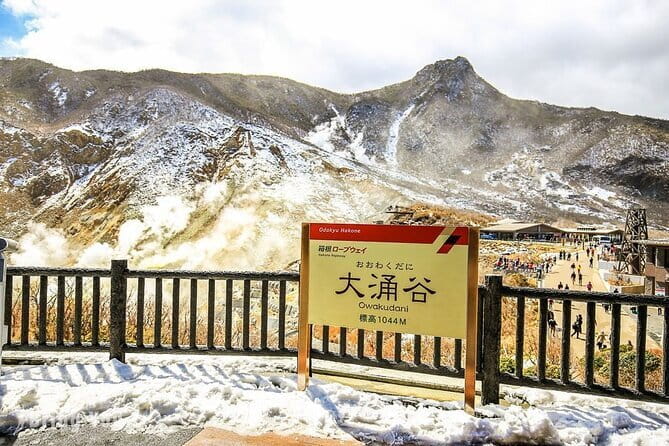
The Hakone route is better if you want Lake Ashi, the Hakone Shrine, Owakudani, the ropeway, the pirate cruise, and the Gora Open Air Museum. It has more paid activities and transport connections, including the cruise and ropeway, so budget extra for tickets.
You can ask the provider to customize the Hakone route, and the company welcomes suggestions. For a personal plan, contact the provider by email or WhatsApp before booking. Also confirm pickup details if you are staying outside Tokyo.
Oshino Hakkai: a gentle start among mountain springs

Oshino Hakkai is scheduled for about 40 minutes. This is a short stop, but it gives you a pleasant introduction to the Fuji area, with traditional scenery, walking paths, and views toward the mountain when conditions cooperate.
Your guide can walk with you and explain what you are seeing. The stop is not built for a long visit at this pace, so treat it as a quick orientation and photo break rather than a full morning outing.
Wear comfortable shoes. You will be walking at several stops, and the day includes shrine grounds, parks, streets, and a long stair climb later on.
Kitaguchi-hongu Fuji Sengen Shrine and Shimoyoshida Honcho Street

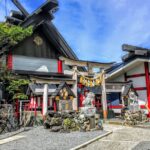
The 30-minute visit to Kitaguchi-hongu Fuji Sengen Shrine adds a cultural layer to a day that could otherwise become a series of viewpoints. Sengen shrines are linked with worship of Mt. Fuji, and this stop gives you a chance to see a quieter side of the region.
The guide can provide context about Japanese religion, history, and local customs. Imran, for example, is described as offering clear explanations about Japanese culture and society, while several other guides have been praised for giving useful background without turning the day into a lecture.
After the shrine, the van stops at Shimoyoshida Honcho Street for about 20 minutes. This is mainly a photo stop. The street is popular because it frames Fuji behind the town, producing the classic combination of Japanese buildings, a straight road, and the mountain in the distance.
Your driver may know the best angle and can help take group photos. David and Ali are both described as especially helpful with pictures, which matters when you want everyone in the frame instead of handing your camera to a stranger.
Lake Kawaguchiko: your main break of the day

Lake Kawaguchiko receives about 80 minutes, making it the longest scheduled stop on the Fuji route. You have time here for photos, a meal, shopping, and a walk by the water.
The lake is one of the strongest places to see Fuji from a distance, but views depend entirely on weather. A clear morning can produce a grand mountain reflection, while low cloud may hide the summit. The private format helps because your guide can look for another angle, but no driver can control the sky.
Lunch is not included. You can arrange your own meal, and the guide may suggest a local place. One guide helped a group find a sushi lunch before they continued toward Hakone. That kind of local help is useful, but remember that restaurant costs are yours.
The schedule allows enough time for a relaxed break, but not for every possible activity. If you want the Kachi Kachi Ropeway, ask about fitting it in before the day begins. Ropeway tickets are not included, and a long queue could reduce your time at the lake or another stop.
A few more Tokyo tours and experiences worth a look
Oishi Park and the changing view of Fuji

Oishi Park is scheduled for 30 minutes and is another strong photo stop beside Lake Kawaguchiko. The appeal is the open view across the water toward Fuji, with seasonal plantings adding color in the foreground.
This is also a useful place to accept the limits of a Fuji day trip. The mountain may be clear at one stop and hidden five minutes later. Guides have sometimes found excellent viewpoints even on overcast days, but you should book this experience for the region, not for a guaranteed postcard image.
If the mountain is visible, use this stop for wide photos. If it is not, enjoy the lake and park, then let your guide decide if another nearby viewpoint is worth the drive.
Arakurayama Sengen Park and the 498-step climb

The final major stop is Arakurayama Sengen Park, scheduled for about 40 minutes. This is home to the famous Chureito Pagoda viewpoint, one of the most recognizable Fuji photographs.
There is a price for that picture: 498 steps to the hilltop, with no elevator. The climb can be tiring, particularly after a full day of walking or for anyone with limited mobility. Comfortable shoes are essential, and you should tell the guide if your group needs more time.
At the top, you may see the pagoda, Fuji, and the town spread below in one frame. The view is worth considering, but do not treat the climb as a small stroll. If someone in your group cannot manage the stairs, ask about spending time in the park area instead.
The Hakone alternative: Lake Ashi, Owakudani, and the ropeway

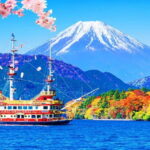
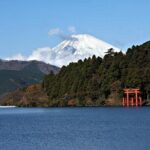
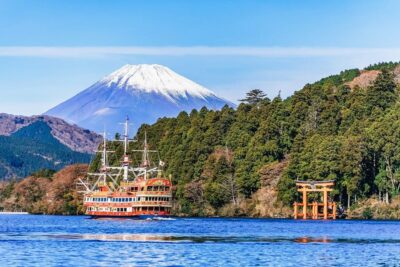
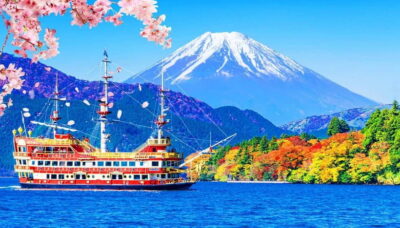
If you choose Hakone rather than Fuji, the suggested route changes completely. It includes Lake Ashi, a pirate cruise to Motohakone or Hakone Machi, the ropeway from Owakudani toward Togendai, Hakone Shrine, and the Gora Open Air Museum.
Lake Ashi gives you a water-based view of the Hakone area. The pirate cruise is a paid activity, and the ropeway is also extra, so check the day’s costs before you commit. These attractions can make Hakone feel more active than the Fuji route, but they also introduce schedules, queues, and admission fees.
Hakone Shrine provides the cultural stop, while the Gora Open Air Museum adds an art-focused visit. You should choose this route if those attractions matter more to you than Oshino Hakkai, Kawaguchiko, and Chureito Pagoda.
Do not expect to combine the two full routes. The company can adjust stops within the Hakone plan, but the day is not long enough to do justice to both regions.
Guides make the difference
This is sold as a guide and driver service, not only a car rental. The guide speaks English, and the company also lists Urdu, Punjabi, Hindi, and Japanese. That range may help mixed-language families or groups.
The strongest part of the service is practical assistance. Ali has helped with tickets, lunch arrangements, photos, and route decisions. David has adjusted plans for families, answered questions at each stop, and helped children enjoy the day. Sam has been praised for smooth driving, a clean car, and useful suggestions for other Japanese cities. Bajwa is described as friendly and attentive, while Faris is noted for clear English and detailed explanations.
Guide quality can vary by assignment, so you cannot guarantee one particular person unless the provider confirms it. If you have a preferred guide, ask before booking. The available driver languages and the guide’s role should be clarified in advance.
Price, timing, and small costs
The group price is $406 for up to six people. That is fair value for a full private day if you fill the van, especially with hotel or Airbnb pickup and drop-off included. It is less compelling for one or two people unless privacy and convenience matter more than the lowest possible fare.
Bring a camera, comfortable shoes, cash, and a credit card. Lunch, personal purchases, ropeway tickets, cruise tickets, and admission fees are separate. Mt. Fuji 5th Station has a listed entrance fee of 2,100 yen, but the seasonal shuttle from the parking area is listed at 1,000 yen when private vehicles cannot continue.
From July 1 through September 10, private vehicles cannot drive to the 5th Station during hiking season. You must use the shuttle bus from the Mt. Fuji parking area if you want to go higher. Ask about current access when booking, since mountain transport rules can affect the route.
Pickup is available from hotels, hostels, Airbnbs, apartments, and other addresses in Tokyo’s 23 wards. It is not available from airports, ports, or stations, so check first if you are arriving that day. Outside Tokyo, including Yokohama, Hakone, Odawara, Kawasaki, and Fujiyoshida, contact the provider to confirm arrangements.
The driver may arrive up to 30 minutes late because of traffic. You should wait in the hotel lobby, and the stated waiting rule allows the driver to wait 60 minutes for a late customer before leaving. Confirm child-seat needs, allergies, or other requirements before the tour.
Who should book this day trip?
I would recommend it most to families, groups of friends, and anyone who values a flexible schedule. The private van is also useful if you want to avoid the strain of combining trains and local buses across the Fuji region.
It suits photographers because the driver can help locate viewpoints and take pictures. It suits first-time visitors who want cultural stops alongside scenery. It is less suitable for someone who wants a long, quiet hike, a guaranteed summit view, or a full Fuji and Hakone combination.
The tour is not suitable for people with altitude sickness or anyone over 95 years old. Chureito’s stairs also make the Fuji route a poor fit for anyone unable to manage a steep climb.
Should you book the Mt. Fuji private tour?
Book it if you want a comfortable, adjustable day from Tokyo and can accept that weather controls the main attraction. The strongest value comes when five or six people share the $406 group price, and the guide’s help with photos, food, tickets, and route changes adds real convenience.
Choose the Fuji route for mountain views, shrines, lakes, and the Chureito Pagoda. Choose Hakone for Lake Ashi, the cruise, Owakudani, the ropeway, and museums. Make that choice before booking, bring money for extras, and confirm pickup and 5th Station access in advance. With those points clear, this is a practical way to see a wide stretch of the Fuji area without spending the day chasing buses.
FAQ
How long does the private Mt. Fuji and Hakone tour last?
The activity lasts 10 hours, including pickup and drop-off. The Fuji itinerary lists about two hours of van travel at the start and another two hours at the end.
Is hotel pickup included?
Yes. Pickup and drop-off are included from hotels, hostels, Airbnbs, apartments, and other addresses in Tokyo’s 23 wards. Pickup from airports, ports, and stations is not available.
Can I visit Mt. Fuji and Hakone on the same day?
You must choose either the Fuji-area itinerary or the Hakone itinerary. The provider says it cannot cover both full routes in one day.
How many people can join the private tour?
The private group price covers up to six people.
Is lunch included?
No. Lunch is not included, and you must also pay for personal expenses and paid activities.
Can the van reach Mt. Fuji 5th Station all year?
From July 1 through September 10, private vehicles cannot drive to 5th Station during hiking season. You can use a shuttle bus from the Mt. Fuji parking area for 1,000 yen.
How difficult is the Chureito Pagoda visit?
You must climb 498 steps to reach the hilltop and pagoda. There is no elevator, so the stop requires comfortable shoes and a reasonable level of mobility.
More Private Tours in Tokyo


More Hakone Day Trips in Tokyo
More Mt Fuji Day Trips in Tokyo

More tours in Tokyo we've reviewed












Mt Fuji Day Trips, compared.
 ★ 5.0Mt Fuji and Hakone 1-Day Bus Tour Return by Bullet TrainFrom $163
 ★ 4.0Mt Fuji & Hakone Cruise, Drum Show Bullet Train 1 Day from TokyoFrom $149
 ★ 4.4Tokyo Mt Fuji 5th St & Hakone Cruise Bus Tour w/Bullet TrainFrom $15410 hours
 ★ 4.5From Tokyo: Mount Fuji Full-Day Sightseeing TripFrom $6810 hours
 ★ 4.7Tokyo: Mt. Fuji Tour, Hakone Ropeway, Owakudani, Lake AshiFrom $5410 hours
 ★ 4.4Tokyo:Mt.Fuji,Kawaguchiko Oishi Park,Arakurayama Sengen ParkFrom $5410 hours