Reviewed · FULL-DAY
Tokyo to Kyoto 1-Full Day Private Guided Tour
Kyoto is a long way from Tokyo, but this private day trip lets you see its biggest sights without changing hotels. In roughly nine hours, you can move from the Bamboo Forest and Golden Pavilion to Nishiki Market, Gion, and the red torii gates of Fushimi Inari. It is a fast, demanding day, but an efficient one.
In This Article
- Key points before you book
- A very full day from Tokyo to Kyoto
- Bamboo Forest, Nonomiya Shrine, and Tenryu-ji
- Kinkaku-ji, Kyoto’s Golden Pavilion
- Nishiki Market and a practical lunch break
- Pontocho Alley in just 20 minutes
- Gion and the old Kyoto streets
- Fushimi Inari and the famous red torii gates
- What the private guiding adds
- The real price of the day
- Who should choose this Kyoto day trip
- Should you book it?
- FAQ
- How long does the Tokyo to Kyoto private tour last?
- How many people can join the private tour?
- Are bullet train tickets included?
- Is transportation in Kyoto included?
- Is Tokyo Station pickup included?
- Is lunch included?
- Are entrance fees included?
- Can I cancel for a full refund?
I like the private format, since your guide can keep a family together, help with train stations, take photos, and adjust the pace. I also like the range of places covered, from quiet temple gardens to food stalls and old entertainment districts. The big catch is price: the advertised $490 is only the tour charge. Bullet trains, local transport, a private vehicle, guide pickup, admissions, lunch, and tips can add a large amount.
Key points before you book

- Tokyo to Kyoto in one day: You get a quick look at Kyoto without packing up and moving hotels.
- Six major areas: The route includes the Bamboo Forest, Kinkaku-ji, Nishiki Market, Pontocho, Gion, and Fushimi Inari.
- Private group of up to 10: Your party gets its own guide rather than joining a large coach group.
- Transport costs are separate: Bullet train tickets cost about ¥28,000 per person for the round trip, depending on the ticket selected.
- A hired Kyoto vehicle may cost ¥100,000: This is listed as a cash charge for up to five people, with the same amount shown for larger groups, so confirm the exact arrangement before paying.
- Guide quality can vary: Guides praised by name include Ahmed, Midori, Mini, Yuka, Yukari, and Kazz.
A very full day from Tokyo to Kyoto

The day begins in Tokyo, but the sightseeing happens mostly in Kyoto. You arrange your own bullet train tickets unless the operator gives you a different plan, and the published transport cost is separate from the $490 tour price.
The train ride takes a substantial part of the day. One schedule described by a customer used an 8:00 AM departure and arrived in Kyoto around 10:15 AM. Another used a 6:30 AM train and reached Kyoto around 8:30 AM. Your start time matters. An early train gives you more time at the shrines, but it also makes for a very early morning.
Some guides meet you at Kyoto Station. Ahmed has helped people select a train time, find the correct platform, board the train, and then meet them after arrival. That kind of station help is valuable if you have just arrived in Japan and are still learning the rail system.
A private vehicle and driver in Kyoto can make this schedule possible. You avoid moving a group through several train and bus connections, which saves time at each stop. But this convenience is expensive, and the car charge is not included in the advertised tour price.
The day may end before your return train. One itinerary brought a group back to Kyoto Station at 5:00 PM for a 7:00 PM train, while another ran from around 9:00 AM to 7:00 PM. Ask for a written timetable before booking your return ticket. A one-day Kyoto trip needs a little breathing room for traffic, queues, and finding the right platform.
Other guided tours in Tokyo
Bamboo Forest, Nonomiya Shrine, and Tenryu-ji
The first sightseeing stop is the Bamboo Forest area in Arashiyama. Tall bamboo stalks line the walking route, creating one of Kyoto’s most recognizable scenes. The passage is brief, scenic, and easy to understand at a glance, which makes it a sensible first stop after the train ride.
The surrounding area also connects the bamboo walk with Nonomiya Shrine and the garden at Tenryu-ji Temple. Tenryu-ji adds the sort of carefully arranged pond and garden views that make Kyoto feel different from Tokyo. If your guide has room in the schedule, the temple garden gives this stop more substance than a quick photo at the bamboo path.
The scheduled time is about one hour, so do not expect a slow exploration of all Arashiyama. You may have to choose between extra garden time, a longer bamboo walk, and staying on schedule for the rest of Kyoto.
This is also one of the places where crowds and walking speed matter. The tour is private, but the public paths are not. A private guide can keep you moving and point out the cultural details, yet cannot make the popular route empty.
Kinkaku-ji, Kyoto’s Golden Pavilion
Kinkaku-ji, often called the Golden Pavilion, is the visual centerpiece of many first visits to Kyoto. The building reflects across a pond, with gardens and trees framing the view. You follow a set visitor route rather than wandering wherever you like, but the main sight is memorable even during a short stop.
The planned visit lasts about an hour. That is enough to see the pavilion, walk through the garden route, and hear the basic background from your guide. It is not enough for a slow temple visit or extended photography if the site is crowded.
Admission is listed as not included for this stop. That is one reason to keep cash available in Japanese yen, even though the tour itself is booked by mobile ticket. Entrance charges should be confirmed in advance because the general inclusion notes and individual stop details do not read perfectly consistently.
The value here comes from having someone explain what you are looking at instead of treating Kinkaku-ji as a quick picture stop. Guides such as Ahmed, Midori, and Kazz received especially warm comments for explaining the meaning and background of Kyoto’s sights. Still, your visit will be brief compared with staying overnight in Kyoto.
Nishiki Market and a practical lunch break

Nishiki Market is known as Kyoto’s Kitchen, and it offers a different mood from the temples. The market runs through a narrow shopping district filled with food stalls and small shops. You might find seafood, prepared foods, sweets, pickles, and local ingredients, although the exact selection and opening conditions can change.
The itinerary allows about an hour. That gives you time to look, sample something, and choose lunch, but lunch is not included in the tour price. If you have allergies, dietary limits, or a strong preference for a local Japanese meal, tell the guide early.
One strength of a private tour is that you can ask for help with menus and purchases. Midori was able to accommodate a request for an authentic Japanese meal, while Yuka was praised for helping with translation at shops and finding good places to eat. Those practical touches can be more useful than another long temple explanation.
Nishiki is not simply a place to rush through for photos. It is one of the few stops where you can experience everyday food culture and buy something small to take home. The drawback is time. If lunch runs long, another temple or shopping stop may be shortened.
Pontocho Alley in just 20 minutes

Pontocho is a narrow historic lane running parallel to the Kamogawa River. Traditional wooden buildings line the route, and the area is especially atmospheric later in the day when its restaurants and nightlife begin to stir.
The scheduled visit is only 20 minutes. Think of this as a quick walk and orientation, not a full evening in Pontocho. You will get a sense of the architecture and location, then move on.
That short stop makes sense in a Tokyo to Kyoto day trip. Pontocho is close to Nishiki Market and Gion, so it can be added without a major detour. If old lanes and dining are your main reason for visiting Kyoto, however, you will want a longer stay in the city.
Other private tours in Tokyo


Gion and the old Kyoto streets

Gion is Kyoto’s best-known traditional district, with narrow lanes, wooden machiya houses, teahouses, and a strong connection to geisha culture. The attraction is not one single monument. It is the atmosphere of the streets and the chance to see a part of Kyoto shaped by older customs and architecture.
The itinerary gives Gion about an hour. That is enough for a guided walk through selected streets, but not a leisurely evening meal or a broad look at every corner. Admission is also listed as not included, although the core experience is walking through the district.
Your guide can add real value here by explaining how the district works and by reminding you to behave respectfully. Gion is a living neighborhood, not a stage set. Keep photography polite, follow local signs, and do not block narrow lanes while taking pictures.
The route through Gion may also depend on traffic and the timing of the other stops. If you care more about Gion than Nishiki Market or Pontocho, say so before the day begins. The private setup gives you a better chance to shape priorities, though the long list of stops limits how much you can change.
Fushimi Inari and the famous red torii gates

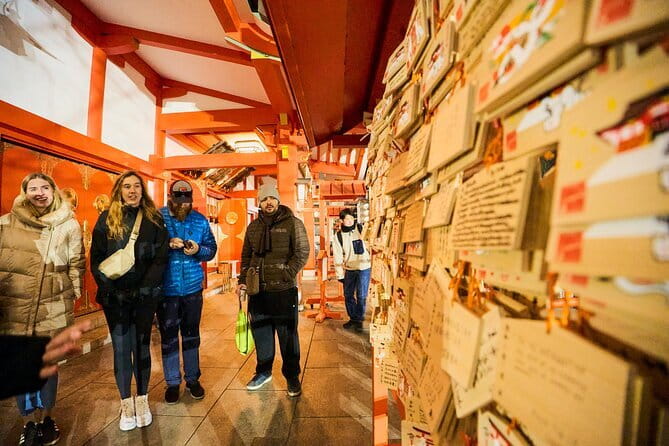
Fushimi Inari-taisha is known for its long paths of red torii gates climbing through wooded hills. The gates create the classic Kyoto image, but the shrine is more than a photo stop. It is a major Shinto site dedicated to Inari, a deity linked with rice, business, and prosperity.
The planned visit lasts about an hour. You can walk through the lower gate sections and see the main shrine area, but you will not reach every part of the mountain trail in that time. The route rises, includes stairs, and can become tiring after a full day of sightseeing.
This is where a private guide can help you judge how far to go. If someone in your party has a knee problem or limited stamina, tell the guide at the start. Ahmed was specifically praised for keeping an eye on a slower member of a group, but each group should still set a realistic walking pace.
Admission is listed as not included. As with Kinkaku-ji and Gion, confirm the exact entrance arrangements before the tour date. The shrine is a powerful final stop because it feels different from the formal gardens and city streets earlier in the day.
What the private guiding adds

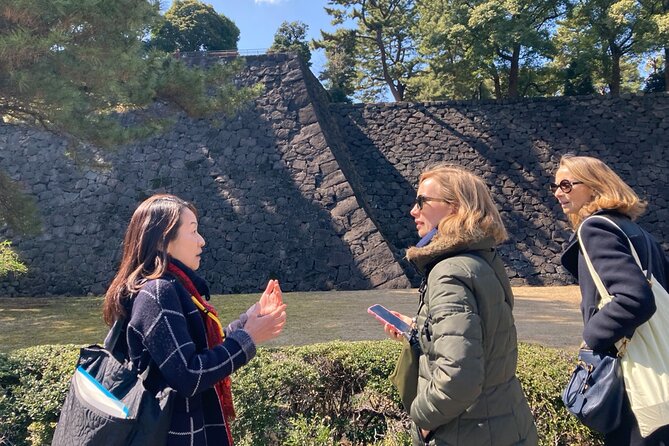
The best part of this format is not simply having a person walk beside you. It is the help with timing, stations, translations, photos, and decisions. A good guide can explain why a gate, statue, garden, or neighborhood matters, then let you enjoy quiet time without filling every minute with talk.
Several guides have received strong praise. Ahmed is often associated with careful planning, historical explanations, patience, and help at train stations. Midori has been praised for fitting many sights into a tight day, taking photos, and adjusting plans for a family. Yuka was singled out for local suggestions, translation, photographs, and lively explanations. Mini, Yukari, and Kazz were also praised for warmth, useful background, and keeping groups on schedule.
That said, the experience is not guaranteed to feel the same with every guide. One poor account described a guide as unfriendly and not very informative. Another cancellation dispute raised concerns about communication. I would contact the operator before the cancellation deadline and ask for the guide’s name, meeting point, transport plan, and complete cost.
The private group limit is up to 10 people. A group of four or five may fit comfortably in the vehicle option described by past customers. A larger group should ask exactly what vehicle will be used and how the ¥100,000 transport charge applies.
The real price of the day
The headline price is $490 per group, up to 10 people. That can look attractive when divided among a larger party, but it does not represent the full cost of a Tokyo to Kyoto day.
The listed extra charges are substantial:
- Bullet train tickets from Tokyo to Kyoto and back: about ¥28,000 per person, depending on the ticket.
- Kyoto transportation by vehicle: ¥100,000 in cash for up to five people, with the listing also showing ¥100,000 per booking for larger groups. Confirm this unusual wording.
- Tokyo Station pickup guide cost: ¥60,000 in cash, if that pickup option applies.
- Lunch, some entrance fees, and gratuities: extra.
For two people, the train cost alone is about ¥56,000. Add a ¥100,000 vehicle and the $490 tour fee, and the final bill can be several times higher than the first number you saw. For a group of five or more, the per-person cost improves, but the total remains large.
You may be able to use public transport instead of hiring a car and driver. One small group of four did that and found it manageable with guide assistance. Do not assume this is automatically included or available for every departure. Ask whether the guide can accompany your group by train and bus, and request the full price in writing.
The value is strongest for people who place a high price on time, private attention, and not having to manage Kyoto’s transport on a single day. It is weaker if you have several days in Japan and can stay overnight in Kyoto, buy your own rail tickets, and visit fewer places at a slower pace.
Who should choose this Kyoto day trip
I would consider this tour if you are based in Tokyo, have only one free day, and feel that Kyoto is too important to skip. It suits families, small groups, older adults who prefer organized transfers, and people who want help with language and navigation.
It also suits first-time visitors who want a broad introduction. You will see nature, temples, food culture, historic streets, and a major shrine in one sweep. The day gives you a strong first impression, even if it cannot provide a full understanding of Kyoto.
I would hesitate if you dislike early starts, long train rides, tight schedules, or surprise cash charges. You should also think twice if shopping, quiet temple time, or evening dining matters more to you than checking off major sights.
Free cancellation is available until 24 hours before the start time. Changes or cancellations inside that window are not accepted for a refund, and poor weather may lead to a new date or a full refund. Since the weather policy and transport charges matter, read the final terms before committing.
Should you book it?
Book this experience if your Japan itinerary leaves only one day for Kyoto and you want that day organized around the major sights. The guide can save time, help with trains and translations, and make a difficult schedule feel manageable. Ask specifically for the total cost, vehicle plan, train timing, meeting point, and guide assignment before the 24-hour cancellation deadline.
Skip it if you can spend a night or two in Kyoto. A slower visit will cost less stress and give you time for the temples, markets, alleys, and evening atmosphere that this hurried day can only sample.
For the right group, this is a useful Kyoto overview, not a cheap excursion. Go in with clear expectations, enough yen, and a willingness to move briskly.
FAQ
How long does the Tokyo to Kyoto private tour last?
The tour duration is approximately nine hours. Actual sightseeing time depends on your train schedule, traffic, return train, and the order of stops.
How many people can join the private tour?
The private tour is for your own group, with up to 10 people.
Are bullet train tickets included?
No. Bullet train tickets from Tokyo to Kyoto and back are listed as an additional cost of about ¥28,000 per person, depending on the ticket selected.
Is transportation in Kyoto included?
Transportation costs are listed as separate. The stated cash charge is ¥100,000 for up to five travelers, but you should confirm how the charge applies to larger groups.
Is Tokyo Station pickup included?
A Tokyo pickup guide cost of ¥60,000 in cash is listed if you choose Tokyo Station pickup. Confirm whether this applies to your meeting arrangement.
Is lunch included?
No. Lunch is not included in the tour price.
Are entrance fees included?
The general information mentions entrance fees, but individual stops list Kinkaku-ji, Gion, and Fushimi Inari admission as not included. Confirm the exact entrance costs before departure.
Can I cancel for a full refund?
You can cancel at least 24 hours before the local start time for a full refund. Cancellations or changes made less than 24 hours in advance are not accepted for a refund. If poor weather cancels the experience, you may be offered another date or a full refund.
More Full-Day in Tokyo



More Private Tours in Tokyo
More Guided Tours in Tokyo


More tours in Tokyo we've reviewed












Full-Day, compared.
 ★ 4.5From Tokyo: Mount Fuji Full-Day Sightseeing TripFrom $6810 hours
 ★ 4.9From Tokyo: Mount Fuji Full Day Customizable Private TourFrom $407
 ★ 5.0Tokyo Private Full-Day Tour by Car or VanFrom $321
 ★ 4.5Tokyo: Mt. Fuji and Kawaguchiko Full-Day English Guided TourFrom $82
 ★ 4.7From Tokyo: Must-Visit Mount Fuji Highlight Full-Day TourFrom $6911 hours
 ★ 4.5Mt. Fuji, Hakone Full-Day Private Tour with English Driver GuideFrom $495