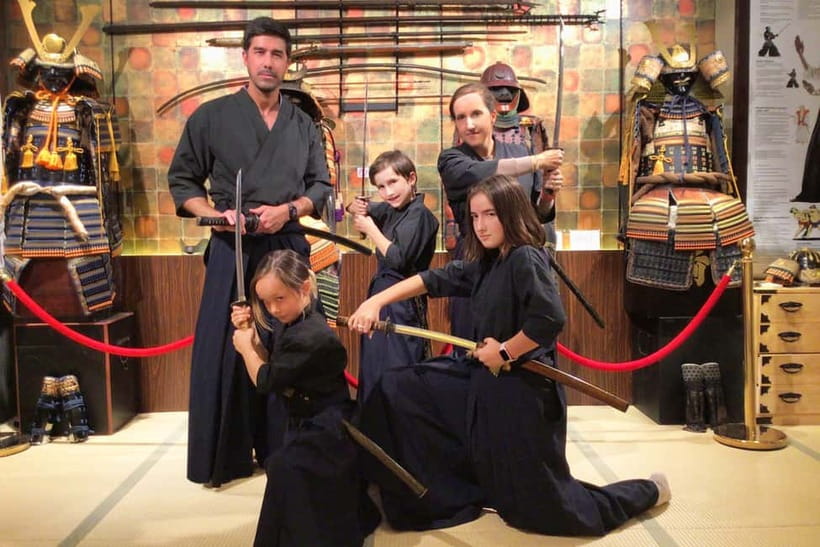
Reviewed · SAMURAI & NINJA EXPERIENCES
Samurai Ninja Museum Asakusa: Samurai Sword Lesson & Tour
The best part of this Asakusa experience is that you do not only look at samurai displays. You put on hakama, armor, and a helmet, then learn a short katana routine under an instructor’s direction. I like the hands-on format, and I like that the museum visit adds useful context instead of leaving you with a costume photo and little else.
In This Article
- Key points
- Putting on the Hakama and Samurai Armor
- Learning the Katana Routine with Ryo and Other Sensei
- Touring the Samurai and Ninja Museum
- Trying Shuriken and Ninja Activities
- How Much Time You Really Get
- Is $63 a Fair Price?
- Who Will Enjoy This Most?
- Practical Booking Advice for Asakusa
- Should You Book the Samurai Ninja Museum Experience?
- FAQ
- How much does the Samurai Ninja Museum Asakusa experience cost?
- How long does the activity last?
- Is the tour conducted in English?
- What is included in the experience?
- Can children join the activity?
- What is the largest possible group?
- Do I need previous sword experience?
- Can I take photographs during the experience?
- Is the venue wheelchair accessible?
- Can I cancel for a refund?
I also appreciate the family-friendly setup. Children old enough to follow instructions can try the ninja weapons activity and supervised foam-sword play, while the English-speaking guides keep the history lively. The main drawback is time: two hours passes quickly, and the sword practice can feel brief when the group is full. Children under six cannot enter.
Key points
- Katana practice with an instructor: Learn basic handling and a short choreographed routine rather than simply posing with a sword.
- Samurai clothing and armor: Use hakama, armor, and a helmet for photos against themed backgrounds.
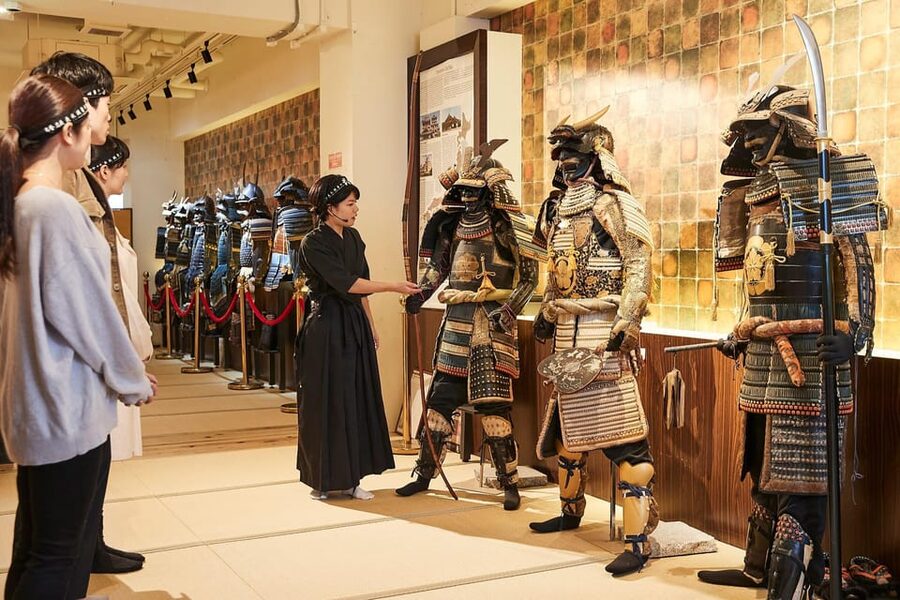
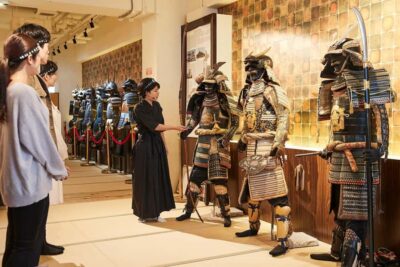
- Museum tour with historical context: Explore a compact collection covering samurai and ninja culture in Japan.
- Ninja weapons trial: Try throwing shuriken as part of the activity.
- Family-friendly sword play: Some sessions include supervised practice with foam swords.
- Small-group format: Groups can reach 16 people, with private and smaller options available.
Tokyo offers plenty of places where you can look at old objects behind glass. This activity takes a different route. At the Samurai Ninja Museum in Asakusa, you learn a little, dress the part, handle a katana, and take home photographs that feel more personal than a standard museum visit.
At $63 per person for two hours, this is not a low-cost museum ticket. You are paying for instruction, clothing, armor, guided interpretation, and several activities in one compact visit. I think the price makes the most sense for families and first-time visitors who want a structured cultural activity rather than a long, quiet museum stop.
The experience has earned a 4.8 rating from 306 reviews, with especially strong praise for the sword instructors. Ryo is frequently singled out for patient, clear teaching and a good sense of humor. Other sessions may feature Kenny, Koki, Kai, Momo, Nao, or Ren, so the exact feel can vary with your guide.
Putting on the Hakama and Samurai Armor
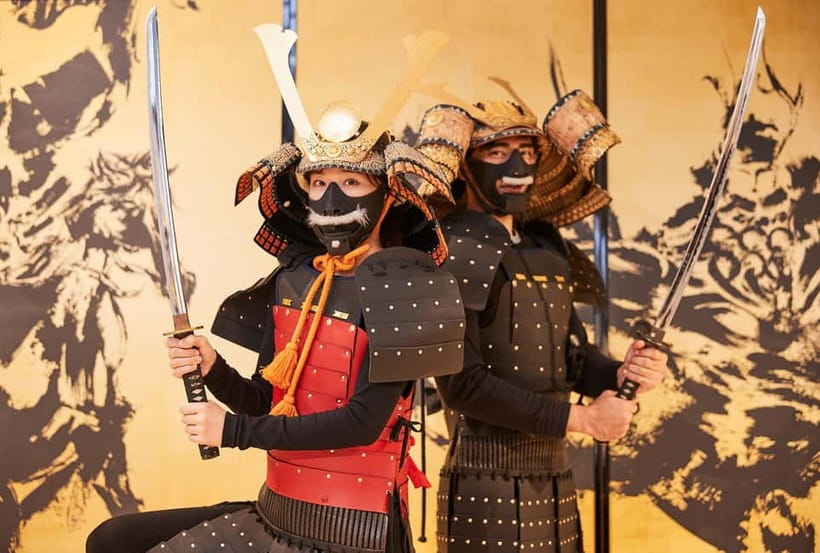
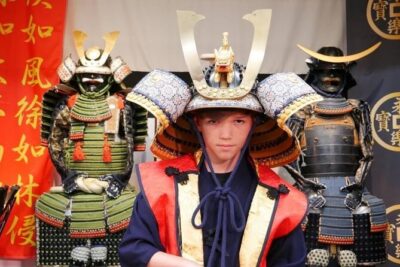
The visit begins with the visual transformation. You use a hakama, the traditional divided skirt-like garment associated with samurai dress, and may add samurai armor and a helmet. This is the point when the activity shifts from ordinary sightseeing to participation.
You do not need to arrive knowing anything about Japanese sword traditions. The staff help you gear up, and the clothing is supplied as part of the experience. The costume period also gives you time to pose for photographs before or around the lesson, depending on the session’s flow.
The photo opportunities are one of the activity’s simplest strengths. The museum has samurai-themed backgrounds and displays that give your pictures more character than a plain studio wall. If you are visiting with children, bring a phone with enough storage and decide in advance who will take the pictures. The setting encourages quick snapshots, and the two-hour schedule does not leave much room for a separate photo session.
The clothing is also useful for families who want one shared activity. Adults can take part rather than simply watch children dress up. Several families have found the costume portion just as memorable as the lesson, especially when grandparents or parents join the photos.
A few more Tokyo tours and experiences worth a look



Learning the Katana Routine with Ryo and Other Sensei
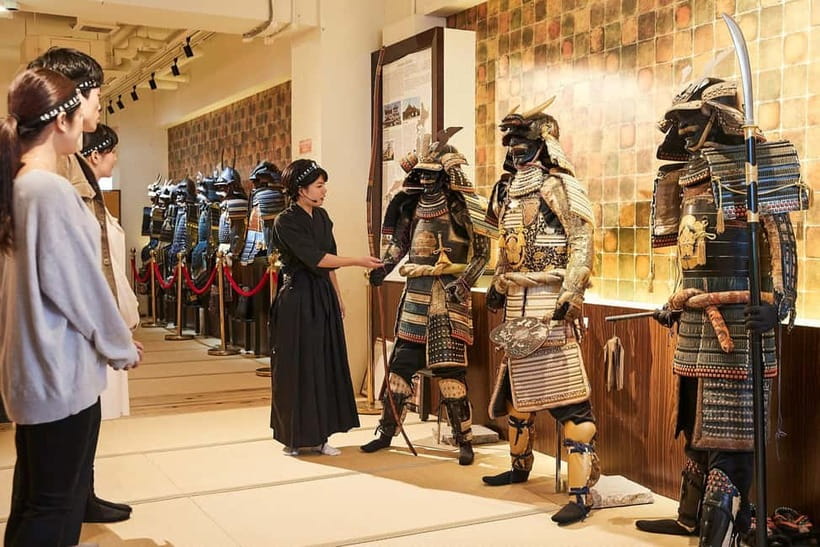
The sword class is the heart of the experience. Your instructor demonstrates how to hold the katana and guides you through basic movements. The goal is not to train as a martial artist in two hours. Instead, you learn a short sequence that can be practiced and performed with the group.
Ryo receives particularly warm praise for working patiently with beginners. He runs his own dojo, according to the information shared about the activity, and several sessions describe him as polite, professional, funny, and easy to follow. Kenny has also been praised for clear English and an entertaining teaching style, while Koki led a memorable lesson for one family.
The best way to approach this section is to treat it as a performance workshop. You are learning posture, timing, and a set routine, not receiving a full course in swordsmanship. That distinction matters. If you expect serious martial arts instruction, the class will be too short. If you want to learn safe basic movements and feel the rhythm of a samurai demonstration, it delivers much more.
Some sessions finish with a traditional sword dance or a short routine performed by participants. That gives the lesson a clear payoff. You begin as a complete novice and finish with something recognizable that you can demonstrate for a camera.
The swords used for the formal handling practice are described as real or traditional katana in the experience material, so follow every instruction closely. The playful partner fighting described by families uses foam swords and is supervised. Do not treat the activity as free-form sword combat. The fun depends on keeping the movements controlled.
A full group can include up to 16 people. That is still a manageable number, but it can affect your practice time. One four-star account found the museum portion rushed, and another felt that a crowded class with several small children made it harder to complete every movement. If you want more individual attention, choose a private or smaller-group option when available.
Touring the Samurai and Ninja Museum
The museum portion gives the activity its educational backbone. You learn about the origins and development of the samurai, the end of the samurai era, and the place these figures hold in modern Japan. The displays also cover ninja culture and weapons.
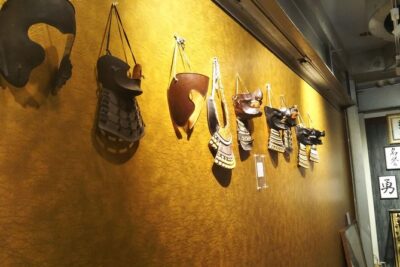
This is a compact collection rather than a major national museum. That is not a weakness if you understand what you are booking. You can see a small selection of samurai antiques and themed displays, then hear an organized explanation from an English-speaking guide. The visit is designed to keep moving, which works well for children and teens.
Ren has been praised for lively explanations, and Momo is noted for keeping younger participants engaged. The strongest guides use humor, questions, and a simple timeline rather than giving you a dry list of dates. That makes the museum more useful before or after the sword lesson because you understand why the objects and costumes matter.
The trade-off is depth. You will not study individual artifacts for long or receive a university-level lecture on Japanese military history. The tour provides a clear introduction, not a specialist course. I see this as a good first stop for visitors who want context without giving half a day to a formal museum.
The order of activities may vary. Some sessions start with dressing and photos, move upstairs for the sword class, then finish with the museum tour. Others may arrange the history portion differently. Allow the guides to set the pace, since the lesson, photographs, and museum talk all share the same two-hour window.
Trying Shuriken and Ninja Activities
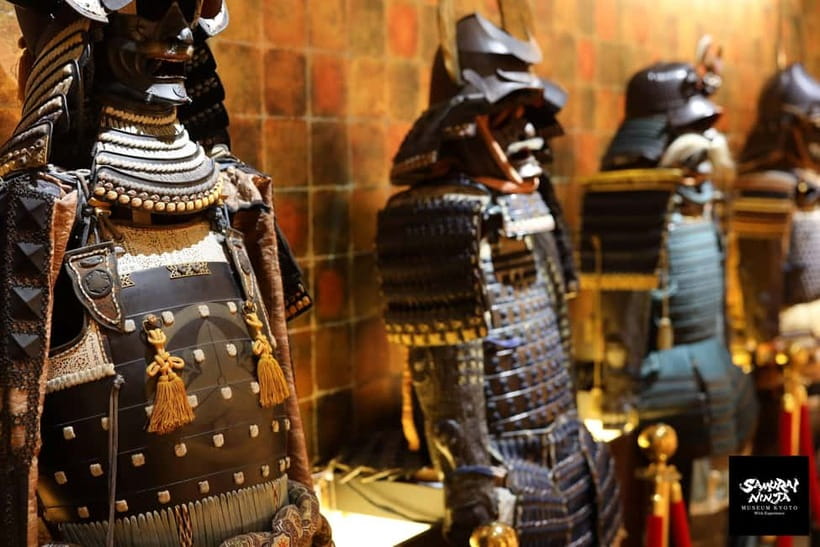
The ninja section adds variety after the samurai lesson. You can try a ninja weapons activity, including shuriken throwing at a target. It is a simple challenge, but it gives children and adults something active to do after listening to the museum guide.
Several accounts describe a shuriken competition or game. That competitive touch works well for families because it gives everyone a clear goal without requiring advanced skill. The activity is less about proving accuracy than enjoying a safe, unusual experience that you are unlikely to find on a normal Tokyo sightseeing route.
The ninja material also helps prevent the visit from becoming only a samurai costume session. You get a broader look at the warrior figures that appear so often in Japanese popular culture. Still, keep your expectations measured. The ninja trial is one part of a larger program, not a separate full-length ninja class.
How Much Time You Really Get
The advertised duration is two hours, and the schedule packs in several elements:
- Dressing in hakama and, where arranged, samurai armor and a helmet
- Photo opportunities with themed backgrounds
- A guided introduction to samurai and ninja history
- Katana instruction and routine practice
- Supervised foam-sword play in some sessions
- A ninja weapons trial, including shuriken throwing
That is a generous list for two hours. It also explains why the class can feel short. You are changing clothes, moving between activities, listening to explanations, posing for pictures, and practicing a routine. If sword handling is your main reason for booking, choose a small group and arrive ready to focus.
I would not schedule another urgent activity immediately afterward. The experience itself lasts two hours, but the exact meeting point depends on the option you book, and the activity may move between areas of the venue. Check your booking details carefully and keep some breathing room in your day.
A few more Tokyo tours and experiences worth a look



Is $63 a Fair Price?
At $63, the value depends on what you compare it with. A standard museum entrance would cost less, but it would not include clothing, armor, instruction, photographs, or a weapons trial. A private martial arts lesson could cost more while offering less history and fewer family activities.
For a family of four, the total cost rises quickly. Even so, I can see the appeal when the activity becomes a shared memory for adults and children rather than another attraction where the children wait for the adults to finish reading. The strongest value comes from using every part of the visit: join the photos, listen to the history, take the sword practice seriously, and try the ninja activity.
The price is less convincing if you want an extended museum visit or detailed martial arts training. In that case, the compact format may leave you wanting more. The experience is best understood as a cultural workshop with a museum component, not as a full museum day or a professional sword course.
Free cancellation up to 24 hours before the activity and reserve-now, pay-later booking make it easier to fit into a changing Tokyo schedule. Wheelchair access is available, though the exact meeting point and option details should be checked before you book.
Who Will Enjoy This Most?
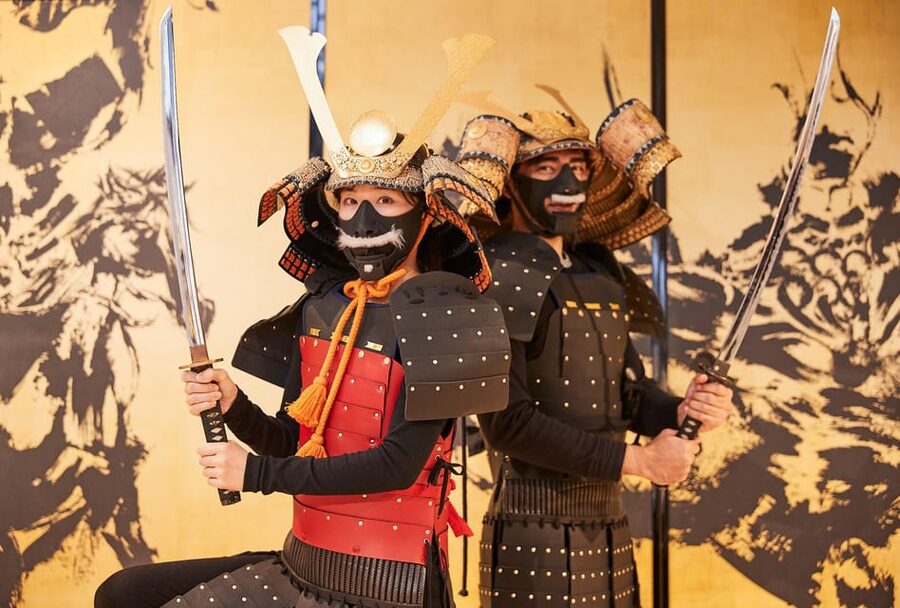
I would recommend this to families with children aged six and up, couples who want unusual photographs, and adults who enjoy Japanese history but prefer to learn by doing. It is especially good for children around school age and teenagers, who may lose interest in a standard museum but stay focused when a sword routine and target game are part of the visit.
The activity also suits first-time visitors who want a gentle introduction to samurai and ninja culture. English is the tour language, and the guides are accustomed to complete beginners. You do not need special clothing or previous experience.
Children under six cannot enter the samurai venue. Children who are old enough to participate should still be able to follow instructions, especially during katana handling and foam-sword play. The activity is family-friendly, but it is not a place for unsupervised running.
Adults should join rather than stand at the side. The lesson becomes more entertaining when the whole group attempts the routine together, and the photographs are better when everyone commits to the role. You may also find that the partner sword-play section is more fun for adults than expected.
Practical Booking Advice for Asakusa
Check the meeting point for the specific option you select, since it may vary. English is the listed tour language, and private or small-group formats are available alongside larger sessions of up to 16 people.
If you care most about instruction, book the smallest group you can find. If you are visiting with children, an ordinary group may work well because the activity has a playful pace and several short sections. If your children are very young, remember the under-six restriction before paying.
Wear something comfortable enough for changing clothes and moving through a short practice routine. The provided hakama, armor, and helmet are part of the experience, so you do not need to bring a costume. Keep your phone ready for the themed photographs, but listen carefully during the sword lesson before reaching for the camera.
The activity is in Asakusa, an area already known for traditional Tokyo sights. It fits well into a day that includes other cultural stops, but do not plan it as a rushed gap between fixed reservations. The meeting details vary, and the two-hour schedule is full.
Should You Book the Samurai Ninja Museum Experience?
Book it if you want to do more than view Japanese warrior culture from behind a display case. The combination of hakama dressing, katana practice, armor photos, museum interpretation, and shuriken throwing gives you a lot for one two-hour session.
I would be more cautious if your main goal is serious sword training or a long, quiet museum visit. The class is introductory, the collection is compact, and a full group can make the practice feel brief. A private or smaller option is worth considering if detailed instruction matters to you.
For families, first-time visitors, and anyone who enjoys a little theatrical fun with solid historical explanation, this is an easy recommendation. At $63, it is not the cheapest activity in Tokyo, but it combines enough separate experiences to make the price reasonable, especially when the sword lesson is led by a strong instructor such as Ryo.
FAQ
How much does the Samurai Ninja Museum Asakusa experience cost?
The listed price is $63 per person.
How long does the activity last?
The experience lasts two hours.
Is the tour conducted in English?
Yes. English is the listed tour language, and the activity includes a live English-speaking guide.
What is included in the experience?
The activity includes a samurai sword lesson, use of hakama, a samurai helmet, samurai armor, themed photo opportunities, and a ninja weapons trial.
Can children join the activity?
Children can join if they are at least six years old. Children under six cannot enter the samurai venue.
What is the largest possible group?
The activity can have a maximum of 16 participants. Private and small-group options are also available.
Do I need previous sword experience?
No previous experience is stated as a requirement. The lesson teaches basic katana handling and a short routine, making it suitable for beginners.
Can I take photographs during the experience?
Yes. The activity includes themed photo opportunities with samurai backgrounds, clothing, armor, and a helmet.
Is the venue wheelchair accessible?
Yes. The activity is listed as wheelchair accessible.
Can I cancel for a refund?
You can cancel up to 24 hours in advance for a full refund. Reserve-now, pay-later booking is also available.
More Museum Experiences in Tokyo



More Samurai & Ninja Experiences in Tokyo
More Asakusa Tours in Tokyo


More tours in Tokyo we've reviewed












Samurai & Ninja Experiences, compared.
 ★ 4.5Tokyo: Samurai Restaurant Show Ticket with 2 DrinksFrom $551h 30m
 ★ 4.6Tokyo: Samurai Ninja Museum Guided tour and ExperienceFrom $27
 ★ 5.0Skip the lines Basic Ticket at SAMURAI NINJA MUSEUM TOKYOFrom $28
 ★ 5.0Tokyo: Authentic Samurai Training at a DojoFrom $211
 ★ 5.0Best Samurai Experience in TokyoFrom $65
 ★ 4.6Tokyo: Legend Samurai Entertainment Night in Kanda ShrineFrom $44