Reviewed · TOKYO FOOD TOURS
Classic Tsukiji Food Tour
Tsukiji’s wholesale fish auction has moved, but its outer market remains a superb place to eat your way through Tokyo. This three-hour morning walk takes you from coffee to seafood tastings, a neighborhood shrine, and a full market breakfast, with local vendors and food traditions woven into the route.
In This Article
- Key points to know before booking
- Why Tsukiji still earns a place on your Tokyo schedule
- Starting with coffee at Turret Coffee Tsukiji
- Tsukiji Hongan-ji adds a calm pause
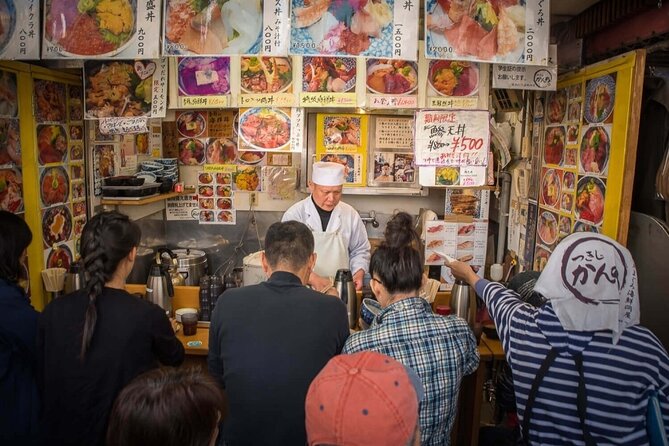
- Walking the outer market stalls
- Tasting seasonal bites, not just admiring them
- Visiting Namiyoke Inari Shrine
- Finishing with a full Tsukiji breakfast
- Is $231 a fair price?
- Who will get the most from this food walk?
- Timing, group size, and practical advice
- Should you book the Classic Tsukiji Food Tour?
- FAQ
- Where does the Classic Tsukiji Food Tour start?
- What time does the tour begin?
- Where does the tour finish?
- How long does the experience last?
- Is breakfast included?
- Are additional food and drinks included?
- Can I join if I am vegetarian or gluten-free?
- How large is the group?
- What happens if the tour is canceled because of weather?
I especially like the small maximum of 10 people, which should make it easier to ask questions, and the fact that breakfast is included rather than leaving you to guess what to order. Guides named Asami, Jordan, and Asha have led this experience, though your guide may differ. The main drawback is the price: at $231 per person, this is a serious splurge for a three-hour walk, and it is not a good match for vegans or anyone who avoids seafood.
Key points to know before booking
- Tsukiji after the auction: The wholesale vendors moved, but the outer market still has seafood shops, restaurants, and food stalls with long-running local ties.
- A full seafood breakfast is included: You get one drink and a market breakfast, with additional food and drinks at your own cost.
- Small-group format: The tour accepts a maximum of 10 people, a useful size for a crowded food district.
- More than a food crawl: Tsukiji Hongan-ji and Namiyoke Inari Shrine add religious and neighborhood context.
- Bring cash: Credit cards are not generally accepted for market purchases.
- Dietary limits matter: Vegetarian, pescatarian, and gluten-free arrangements are available, but the tour is not recommended for vegans or people who eat no seafood.
Why Tsukiji still earns a place on your Tokyo schedule
Many first-time visitors hear that Tokyo’s wholesale fish market moved and assume Tsukiji is no longer worth visiting. That misses the point. The auction operation relocated, but the outer market continues to hold specialty seafood shops, small restaurants, food counters, and suppliers that chose to remain in the area.
This tour is built around that surviving food quarter. You are not simply walking past stalls while a guide recites facts. You stop to taste local products, meet the people selling them, and see how a market neighborhood works in the morning.
I like that the route includes foods beyond fish. The tour focuses on Tsukiji’s seafood identity, but the food stops cover many Japanese tastes, including a sweet snack at the end. That gives you a wider view of the area than a meal at one sushi counter would.
The early start is part of the appeal. Meeting at 8:30 am at Turret Coffee Tsukiji puts you in the market during its active morning hours. It also leaves much of your day free for Ginza, the Imperial Palace area, or another Tokyo neighborhood.
A few more Tokyo tours and experiences worth a look

Starting with coffee at Turret Coffee Tsukiji
The meeting point is Turret Coffee Tsukiji at 2-chōme-12-6 Tsukiji. The tour begins with coffee, a practical way to get settled before several hours of walking and tasting.
This first stop is short, listed at about five minutes, but it gives the guide a natural place to introduce the neighborhood and the morning plan. It also makes the meeting point easy to identify. You return to the same address at the end, so there is no complicated final transfer to arrange.
You will need to reach Tsukiji on your own. Hotel pickup and drop-off are not included, and transportation costs are separate. The area is near public transportation, but the tour does not include transit.
Because the market has its own calendar, the exact order of stops and available foods can change. Restaurants may close for public holidays, weather may affect the route, and seasonal items may not be available every day. The operator can substitute stops when needed, so you should treat the listed route as a strong outline rather than a fixed script.
Tsukiji Hongan-ji adds a calm pause
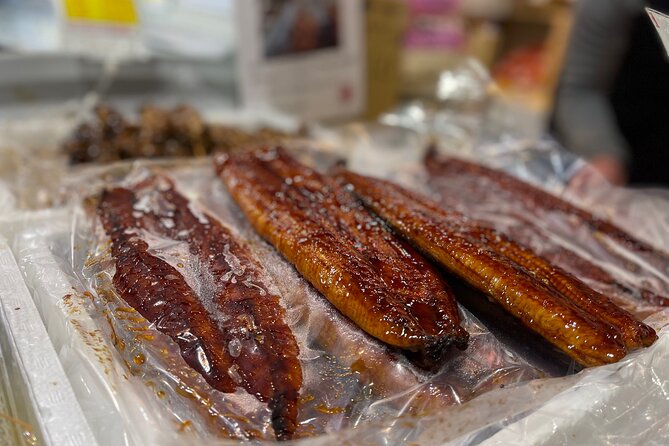
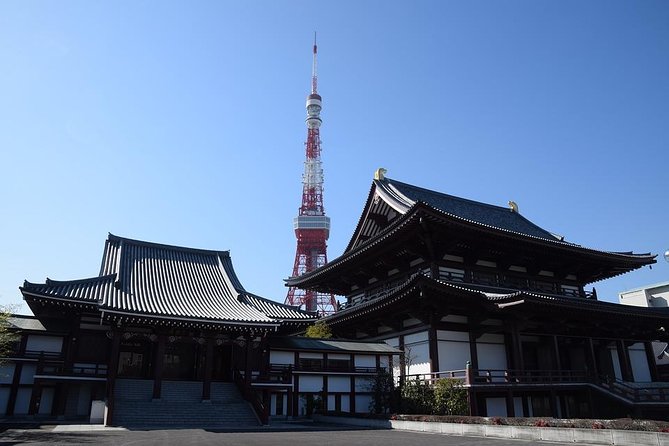
The route includes Tsukiji Hongan-ji, the large Buddhist temple near the market. The supplied schedule does not give a precise tasting or visit length here, but its presence adds useful contrast to the food-focused walk.
Tsukiji can feel packed and noisy around the market lanes. A temple stop gives you a chance to pause and see the district as more than a place to eat. It also helps explain why the market area has meaning beyond its shops and restaurants.
Do not expect a long temple tour unless your guide’s schedule allows it. The main focus remains the market and its food. Still, I like having this stop in the mix because it breaks up the eating and gives the morning a stronger sense of place.
Walking the outer market stalls
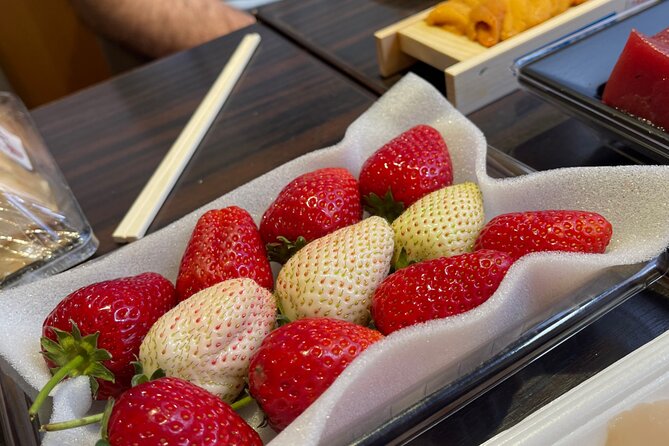
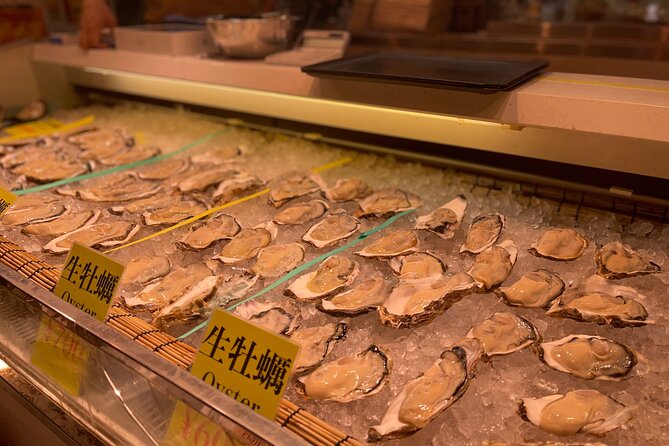
The main section takes you through the specialty fish market, where seafood vendors and traders continue to work. The schedule assigns about 20 minutes to one outer-market stop and another 20 minutes to the fish-market portion, though the actual timing can shift.
Those numbers should not be read as four separate, tightly timed attractions. The market portion is a guided walk through a working food district, with pauses for tastings and explanations. You may see seafood specialists, market shops, and vendors offering seasonal products.
One of the best parts of this format is the chance to ask what you are seeing. Japanese food labels and unfamiliar ingredients can be hard to interpret on your own. An English-speaking guide can explain how particular foods fit into Japanese cooking and daily eating habits.
The tour also introduces food traditions that reach back more than 100 years. That does not mean every shop is unchanged, but it does give you a sense of continuity. Tsukiji remains useful because people still come here to buy, sell, prepare, and eat food, not simply to look at an old market district.
You should expect close quarters and plenty of standing. The experience requires a moderate level of physical fitness, so comfortable shoes are sensible. The supplied information does not promise seating at every stop, and market walks are generally easier when you are ready to keep moving.
Tasting seasonal bites, not just admiring them
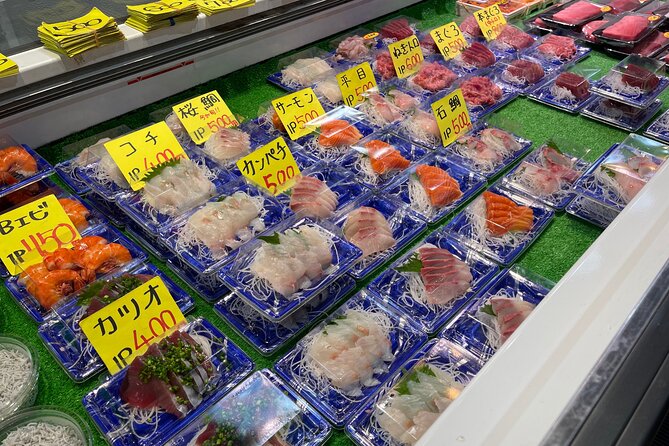
A special tasting break is part of the market walk. The exact dishes are not fixed, since seasonal availability and vendor schedules affect the food. That uncertainty is actually appropriate for a market tour, but it also means you should not book expecting a precise menu.
The tour is designed to let you try things you may not find elsewhere in Tokyo. Your guide can place each bite in context, explain what it is, and help you understand why it belongs in Tsukiji.
This is where the guide makes the biggest difference. The guides named in the tour information include Asami, Jordan, and Asha. Asami and Jordan have led the walk together, with Jordan described as an experienced guide and Asha also praised for explaining Japanese fish cuisine clearly. The guide assigned to your date may be different, but the experience depends heavily on having someone who can connect the food to local customs.
The food is not the only point. You also get a look at the relationship between vendors, shoppers, and the market’s daily rhythm. That makes this a better choice for someone who wants cultural explanation along with breakfast.
A few more Tokyo tours and experiences worth a look
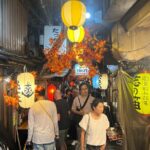
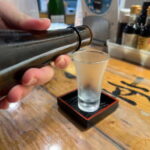



Visiting Namiyoke Inari Shrine
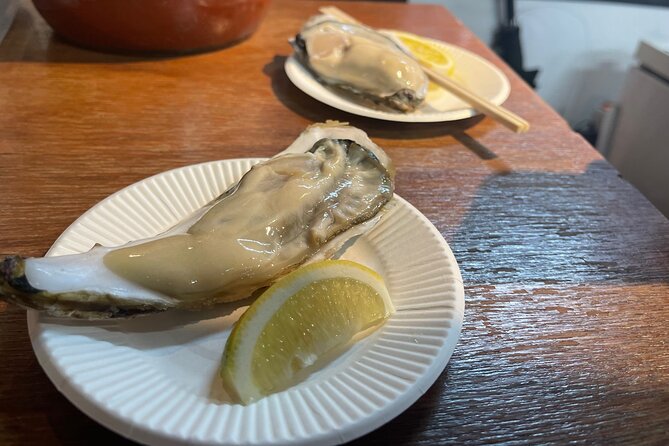
Namiyoke Inari Shrine is a small but meaningful stop on the route, listed at about five minutes. The tour includes a blessing there, and the shrine has a connection to the market community.
This is a quick visit, not a full religious lecture. Still, it gives the morning a ritual pause after the market tastings. You can see how food districts in Japan often sit alongside temples and shrines, with working people visiting them as part of ordinary neighborhood life.
The short stop also keeps the tour focused. If you want extended time at every religious site, this is not that kind of excursion. If you appreciate a brief cultural moment between food stops, it works well.
Finishing with a full Tsukiji breakfast
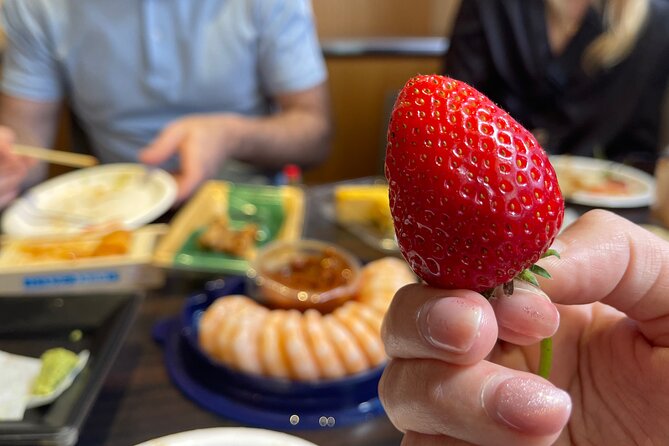
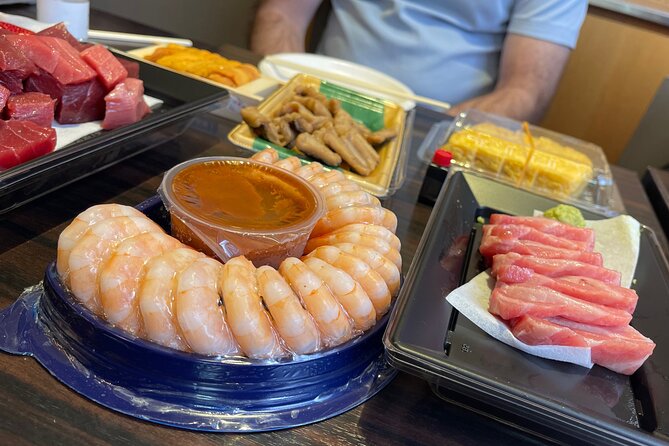
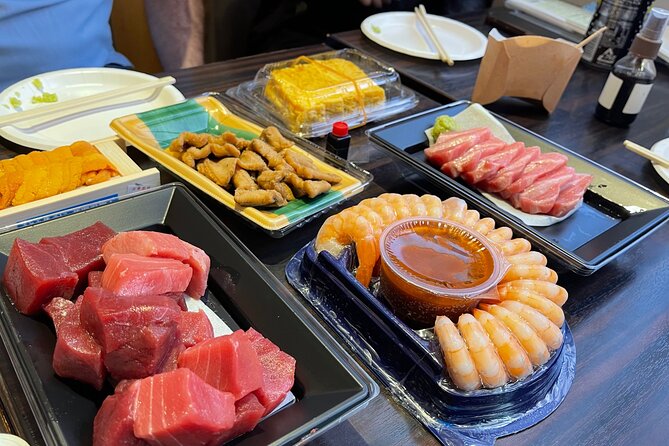
The included breakfast is the financial and practical center of the experience. You receive a full Tsukiji specialty seafood breakfast, along with one drink. The meal gives you a proper chance to sit down and make sense of the tastes you have encountered during the walk.
That inclusion matters in Tokyo, where a seafood meal in a famous market district can quickly become expensive. You are still paying a premium for the guide, tastings, planning, and access to local food knowledge, but you are not paying $231 merely for a stroll and a cup of coffee.
The breakfast also helps explain why the tour lasts about three hours. This is not a quick sampler with one bite at each stop. You have time for coffee, market visits, seasonal tasting, the shrine, and a substantial meal.
A sweet Japanese snack finishes the morning on a lighter note. As with the savory tastings, the exact item may depend on what is available that day. Additional drinks or food are not included, so bring cash if you want to continue eating or buy items to take home.
Is $231 a fair price?
At $231 per person, this is expensive by Tokyo walking-tour standards. You can visit Tsukiji independently for far less, especially if you are comfortable choosing food stalls and restaurants without help.
The value comes from several things working together:
- A local English-speaking guide
- A small group capped at 10 people
- Multiple tastings
- One drink
- A full seafood breakfast
- Cultural stops at Tsukiji Hongan-ji and Namiyoke Inari Shrine
- Help understanding unfamiliar market foods
I would not book this for a budget meal alone. I would consider it if you want a structured first introduction to Tsukiji, worry about ordering in a busy food district, or prefer having someone explain what you are eating.
The tour is also useful early in a Tokyo visit. After three hours, you will have a better sense of the area and can return later on your own for shopping. Just remember that market purchases and extra food are separate expenses, and credit cards are not generally accepted.
Who will get the most from this food walk?
This tour suits first-time visitors who want a guided introduction rather than a self-directed market hunt. It is also a good fit for people who enjoy asking questions and trying foods they might otherwise pass by.
Families can book it, but children must be accompanied by an adult. A copy of passport information is required for children aged 10 and above. The moderate fitness requirement makes it less suitable if you have trouble walking or standing for several hours.
Dietary needs should be addressed before booking. Vegetarian, pescatarian, and gluten-free options are available. The tour is not recommended for vegans or people who eat no seafood, since seafood is central to both the tastings and the included breakfast.
Solo visitors should email the operator before booking. That note suggests solo arrangements may need special handling, so do not assume you can simply arrive without checking.
Timing, group size, and practical advice
The 8:30 am start is early enough to catch the market’s morning energy, but it is not an overnight fish-auction outing. The tour lasts about three hours and begins and ends in the Tsukiji area.
Bring comfortable walking shoes, a mobile ticket, and cash. The tour confirmation is issued at booking, and the experience is near public transportation, but you are responsible for getting to and from the meeting point.
The maximum group size of 10 is worth noting. Tsukiji’s lanes are easier to navigate in a smaller group, and a compact group allows the guide to keep tastings and explanations organized. Even so, you are visiting a working market, not a private museum. Crowds, shop schedules, and weather can affect the pace.
Free cancellation is available if you cancel at least 24 hours before the local start time. Changes made within 24 hours are not accepted and are not refunded. If poor weather cancels the experience, you can be offered another date or a full refund. The same applies if the minimum number of participants is not reached.
Should you book the Classic Tsukiji Food Tour?
Book it if you want guided access to Tsukiji’s food culture, a substantial breakfast, and clear explanations in English. The strongest reasons are the small group, the included meal, and the mix of market food with temple and shrine stops.
Skip it if you are comfortable exploring Tsukiji alone, need a low-cost breakfast, or avoid seafood. At $231, the price only makes sense when you value the guide’s food knowledge, the organized tastings, and the ease of having breakfast arranged for you.
For a first Tokyo morning focused on local food, this is a polished and well-planned choice. Just bring cash, expect a changing seasonal menu, and leave room in your appetite for the full meal at the end.
FAQ
Where does the Classic Tsukiji Food Tour start?
The tour starts at Turret Coffee Tsukiji, 2-chōme-12-6 Tsukiji, Chuo City, Tokyo 104-0045, Japan.
What time does the tour begin?
The tour starts at 8:30 am.
Where does the tour finish?
The tour ends at 2-chōme-12-6 Tsukiji, in the Tsukiji area, at the same address listed for the meeting point.
How long does the experience last?
The walking food tour lasts approximately three hours.
Is breakfast included?
Yes. A full Tsukiji specialty seafood breakfast and one drink are included.
Are additional food and drinks included?
No. Additional drinks and food are not included.
Can I join if I am vegetarian or gluten-free?
Vegetarian, pescatarian, and gluten-free options are available. The tour is not recommended for vegans or people who eat no seafood.
How large is the group?
The tour has a maximum of 10 travelers.
What happens if the tour is canceled because of weather?
If poor weather causes cancellation, you are offered a different date or a full refund.
More Food Experiences in Tokyo
More Tokyo Food Tours in Tokyo
More Tsukiji Market Tours in Tokyo

More tours in Tokyo we've reviewed












Tokyo Food Tours, compared.
 ★ 5.0Tokyo: Shinjuku Food Tour (13 Dishes at 4 Local Eateries)From $86
 ★ 4.9Tokyo: Shinjuku Food Tour (13 Dishes and 4 Eateries)From $97
 ★ 5.0Tokyo Night Foodie Tour in Shinjuku – Seasonal Sushi, Wagyu BeefFrom $111
 ★ 5.0Eat and Drink Like a Local: Tokyo Ueno Food Tour-Taverns&RamenFrom $95
 ★ 5.0Tokyo: Shibuya Food Tour (13 dishes and 4 Eateries)From $77
Tokyo: Shinjuku Food Tour – 15 Dishes, 3 Drinks, 4 EateriesFrom $723 hours
★ 5.0Tokyo: Shibuya Food Tour (13 dishes and 4 Eateries)From $77
Tokyo: Shinjuku Food Tour – 15 Dishes, 3 Drinks, 4 EateriesFrom $723 hours