Reviewed · COOKING CLASSES
Unique Private Cooking Class with a Tokyo Local Emi
Tokyo’s restaurant food gets plenty of attention, but home cooking tells you more about daily life. In Emi’s private class, you prepare three dishes together, then sit down to eat what you made over sake and tea. This is a hands-on lesson, not a demonstration from the sidelines.
In This Article
- Key points to know before booking
- What this Tokyo cooking class is really like
- Why Japanese home cooking feels different from restaurant food
- Meeting Emi and finding the cooking space
- Choosing your three dishes
- A hands-on lesson with time for questions
- Eating the meal you prepared
- The optional stop after the meal
- What the $99 price gets you
- Who will enjoy this class most
- Final booking advice
- FAQ
- How long does Emi’s cooking class last?
- How many dishes will I prepare?
- Can Emi accommodate allergies or vegetarian requests?
- Does everyone in the group prepare the same food?
- What food and drinks are included?
- Where does the class meet?
- Can children join the experience?
I like the personal scale and the practical recipes. Emi teaches at your pace, answers questions about Japanese food and customs, and sends you home with recipes you can make again. I also like the optional stop afterward at a local sweet shop, tea and pottery shop, or supermarket. The main consideration is space: a home kitchen can feel cozy for two or three people, but larger groups use a studio, where about ten steps lead to the cooking area.
Key points to know before booking
- Choose three dishes in advance: Everyone prepares the same main menu, so send Emi your choice at least four days before the class.
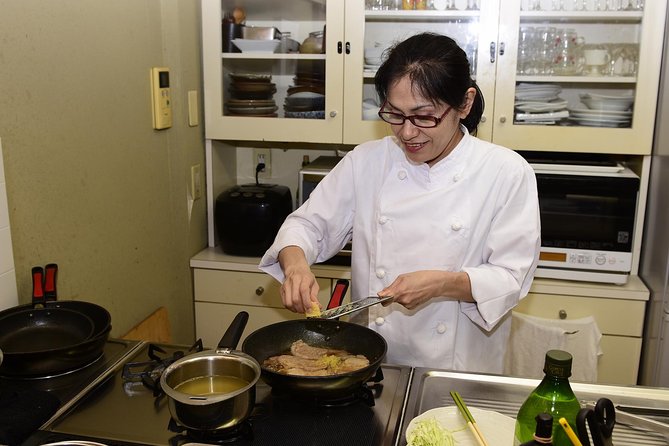
- Expect real participation: You chop, mix, shape, and cook rather than simply watch.
- Emi teaches beyond recipes: Conversation often covers Japanese customs, ingredients, dining manners, and daily life in Tokyo.
- The meal and drinks are included: Start with green tea or barley tea, then eat your finished dishes with sake.
- The setting depends on your group: Weekend groups of two or three may cook in Emi’s home; larger groups and weekday bookings use her studio.
- Plan your route carefully: The meeting point is near Nerima City Hall, and the experience ends where it begins.
What this Tokyo cooking class is really like
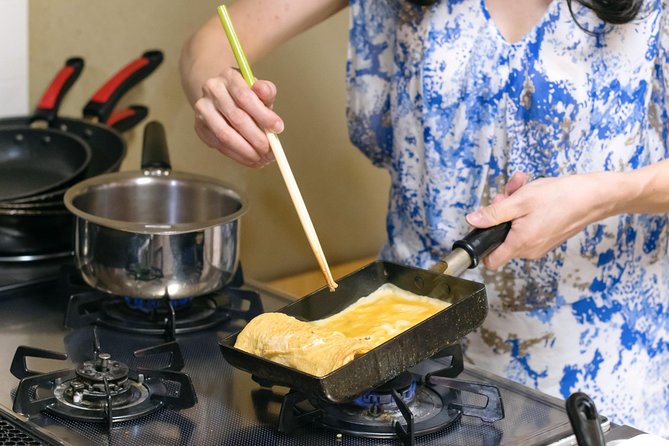
This three-hour experience is built around a simple idea: learn a few useful Japanese dishes from a local person, then enjoy the meal together. You begin with mugi-cha, or barley tea, and settle into the kitchen before choosing or confirming the dishes you will prepare.
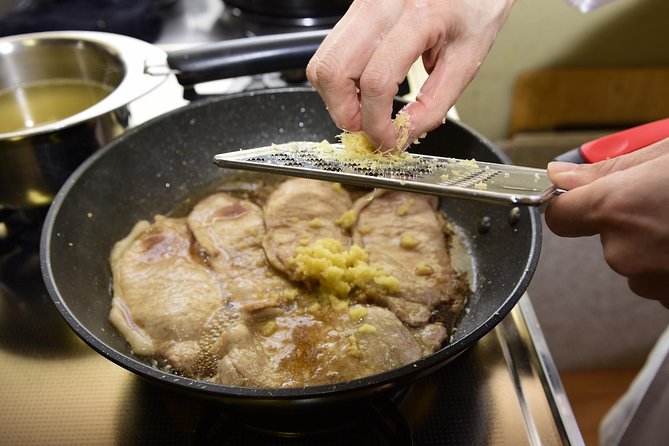
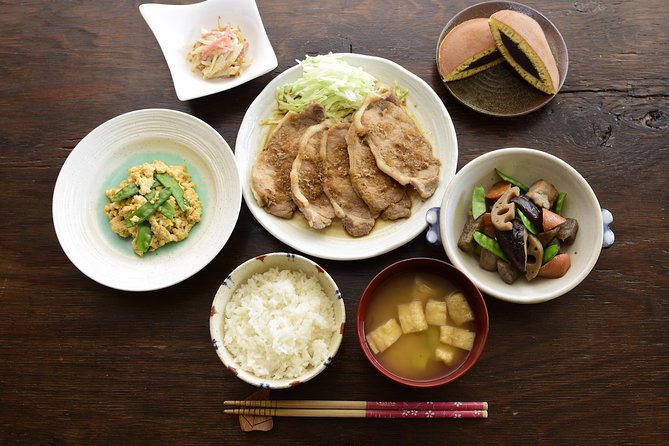
The cooking itself takes about 1.5 to 2 hours. Emi demonstrates each step, then lets you do the work. Past menus have included gyoza, yakisoba, ginger pork, tempura, tonkatsu, onigiri, karaage, miso soup, salmon with hijiki seaweed, and shrimp dishes.
The exact menu can change. Emi offers choices and can adapt the food to allergies, dietary needs, and cooking preferences. Still, there is an important rule: your whole group prepares the same main dish. If you are traveling with friends who want different meals, this class may require a little compromise.
At the end, you sit down with Emi to eat. Green tea and barley tea are included, as is sake. Coffee may also be available. The class includes all food and drink, so arrive hungry rather than stopping for a large meal first.
Other cooking classes in Tokyo

Why Japanese home cooking feels different from restaurant food
A restaurant meal shows you polished dishes. This class shows you how ordinary Japanese meals come together. That difference is the main reason I would choose this experience over a standard food tour if you want to carry a skill home.
You learn the small decisions that make a dish work: how to fold gyoza, how to prepare ingredients, how to manage cooking order, and how to bring several dishes to the table as one meal. The value is not just the food you eat in Tokyo. It is the chance to repeat the meal in your own kitchen.
The dishes are also a useful window into Japanese food culture. Emi talks about customs and dining manners while you cook, so the meal has context. You may learn why a dish is prepared in a certain way, how ingredients are used at home, or what makes a simple meal feel properly Japanese.
I especially like that the menu is not locked into one fixed set. One group prepared shrimp gyoza, vegetarian yakisoba, and ginger-fried pork. Another made tempura, tonkatsu, and onigiri. This gives you room to select foods that match your interests, though you need to communicate early.
Meeting Emi and finding the cooking space
The listed meeting point is Nerima City Hall at 6-chōme-12-1 Toyotamakita, Nerima City, Tokyo 176-8501. The activity is near public transportation, and the end point is the same meeting point.
The exact setting depends on the day and group size. On weekends, groups of two or three may cook at Emi’s home. Groups of four or more, along with weekday bookings, use her cooking studio. Larger groups must reserve two to three months ahead because studio space is limited.
Communication before the class matters. Emi provides directions, and she may arrange to meet you at a station or help if you are having trouble finding the place. Still, I would allow extra time. Nerima is not the part of Tokyo most first-time visitors know best, and arriving late cuts into your cooking time.
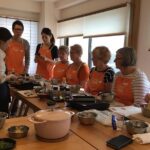
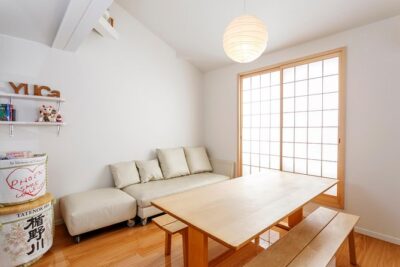
The home setting is a big part of the appeal for a small group. It feels personal and gives you a glimpse of a local routine rather than another commercial activity. The tradeoff is a compact kitchen. In one account, two people prepared the food while another person watched and took pictures because there was not room for everyone to work at once.
At the studio, larger groups can work more comfortably, but you should note the accessibility detail. There are about ten steps leading to the studio. Children aged nine and under cannot join, while children aged ten and older pay the adult price.
Choosing your three dishes
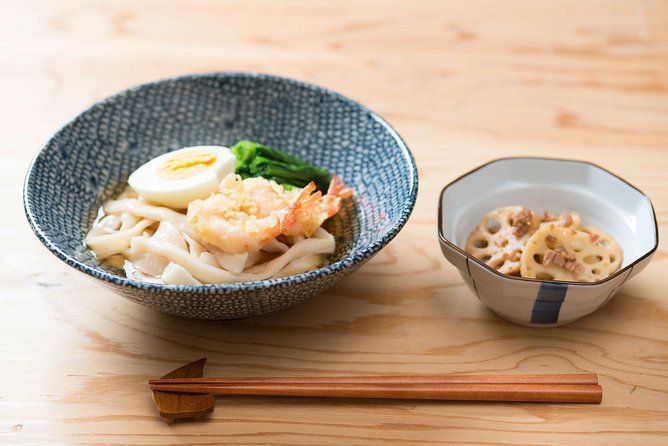
Emi asks you to select three dishes from her menu and share your choice at least four days before the class. If she does not hear from you, she chooses the menu herself.
This deadline is easy to overlook, but it affects the whole class. Ingredients must be bought and the cooking plan must work for everyone, so do not wait until the day before. Send your menu preference soon after booking, especially if you have a vegetarian request or an allergy.
The menu can be adjusted, but all members of your group need to eat the same main dish. Vegetarians can be accommodated, though the group menu may change. Okonomiyaki contains fish granule soup stock, so that dish needs special care if you avoid fish.
The menu examples suggest a good range of difficulty and style:
- Gyoza gives you a tactile task, especially when shaping and folding the dumplings.
- Ginger pork offers a simple home-style dish that is practical to repeat.
- Yakisoba is familiar to many people but can taste different when prepared in a Japanese kitchen.
- Tempura and karaage teach techniques that many people want to master but rarely attempt at home.
- Onigiri and miso soup offer a gentler look at everyday Japanese food.
- Salmon with hijiki seaweed brings less familiar ingredients into the meal.
If you have a strong interest in one dish, ask about it before booking. One group received tempura even though it was not on the expected list, so Emi may have some flexibility when her schedule and ingredients allow it. Do not count on an unlisted dish, but it is worth asking.
A hands-on lesson with time for questions
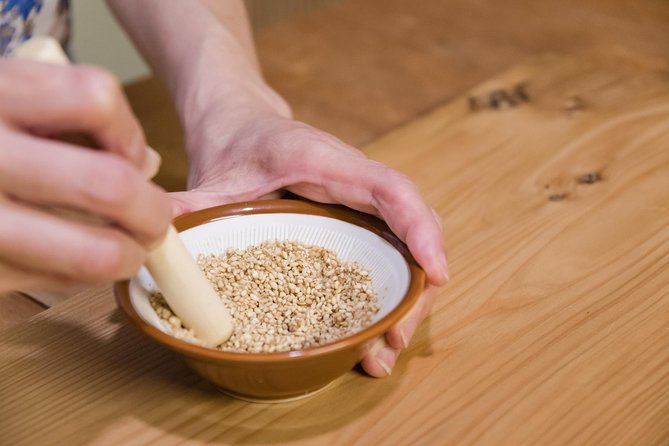
The best part of the format is the balance between instruction and doing. Emi shows you what to do, then you take over the preparation. This works well for beginners because you can ask questions as they arise instead of trying to copy a fast demonstration.
You should expect to make mistakes. Folding gyoza neatly takes practice, and frying foods requires attention. Emi’s patient approach helps keep the mood relaxed, with conversation and humor mixed into the lesson. The class is less about producing perfect restaurant plates and more about understanding a method you can use later.
English communication is described as easy, and the class leaves room for questions about Tokyo, ingredients, and Japanese culture. Some people use the cooking time to ask about places to visit, local snacks, supermarkets, or customs. That makes the experience useful beyond the kitchen.
The pace also suits people who do not want a rushed activity. The cooking lasts up to two hours, followed by the meal. You are not pushed through a string of unrelated stops. Instead, one host, one kitchen, and a few dishes give the experience a calm focus.
Other private tours in Tokyo




Eating the meal you prepared
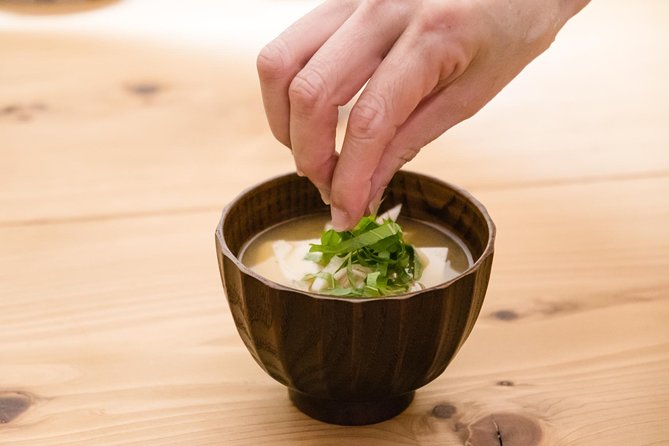
After the cooking, Emi serves the dishes you made and joins you for the meal. This final part matters. You can taste the difference between a dish you watched someone else prepare and one you shaped and cooked yourself.
Sake is included, along with green tea and barley tea. Since all food and drink are part of the price, you can treat the class as both a lesson and lunch or dinner. The portion is intended to fill you, so do not schedule it immediately after a major meal.
Dining with Emi also brings in Japanese table manners and customs. You can ask about how the dishes are served, what people say before eating, and how a home meal differs from dining out. These details make the experience feel more personal than a recipe class in a large tourist facility.
You should not expect a formal restaurant service or elaborate presentation. The reward is the conversation and the sense of sharing a meal in a local setting. For some people, that informal quality will be the highlight. If you prefer a polished cooking school with lots of workspace and professional equipment, this may feel basic.
The optional stop after the meal
Emi can take you to one additional place after the class, if you ask in advance. You may choose a Japanese sweet shop, a Japanese tea and pottery shop, or a supermarket before being dropped at Nerima Station.
This is a smart add-on because it extends the lesson into the neighborhood. A supermarket stop can help you identify ingredients and snacks you might otherwise pass by. A sweet shop or pottery store gives you a small local shopping experience without adding a separate tour.
You must choose one place, not all three. Tell Emi before the class if you want this option included. The stop is especially helpful if you want edible souvenirs or hope to continue exploring Japanese food after the meal.
The nearby Harry Potter Museum is about a 20-minute walk from Emi’s apartment. If you are visiting TeamLab Borderless in Azabudai Hills, the Oedo Line can take you from Azabu-Juban Station to Nerima without a transfer. These connections may help you fit the class into a day, but allow time for the cooking and meal rather than trying to squeeze in too many major sights.
What the $99 price gets you
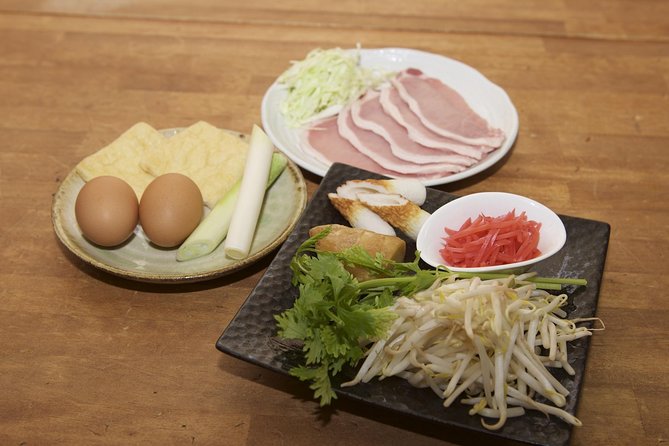
At $99 per person, this is not the cheapest way to eat in Tokyo. You can buy an excellent restaurant meal for less, and a supermarket lunch will cost far less. The price makes more sense when you count the private instruction, three dishes, ingredients, drinks, recipes, and several hours of conversation with a local host.
The private format is especially good value for couples, families with older children, and small groups who would rather have direct attention than share a large class. You are not paying for a bus, a string of tourist stops, or a cooking show. You are paying for time in a kitchen and a meal made by your group.
Recipes add lasting value. You can return home with instructions for dishes such as gyoza, ginger pork, tempura, or karaage and try them again. That makes the experience a better buy for people who enjoy cooking or collecting food memories they can recreate.
Group discounts are available, though the exact saving is not specified. Larger groups should reserve well ahead because four or more people need a studio and availability can be tight. Since the class is private, your group controls the social atmosphere, which is useful if you want an intimate activity.
Who will enjoy this class most
I would choose Emi’s class if you want to meet a local person, learn by doing, and take a slower break from Tokyo’s major sights. It suits curious eaters, beginner cooks, couples, friends, and families with children aged ten or older.
It is also a strong choice for repeat visitors who have already eaten plenty of sushi and ramen. Home-style dishes offer a different view of Japanese food, and the recipes give you something useful to bring home.
Think twice if your group cannot agree on a menu, if anyone has strict dietary needs but does not communicate them early, or if you need a fully step-free setting. The small home kitchen may also be limiting for a group of three people who all want to work at once.
The class has earned a 5.0 rating from 131 reviews, with 100 percent recommending it. That does not remove the practical limits: the location takes planning, the menu requires advance agreement, and the home setting is not spacious. But the consistent praise for Emi’s patience, warmth, clear teaching, and personal help gives you a good sense of what this experience is designed to do well.
Final booking advice
Book this class if you want a personal food memory, not just another meal. Send Emi your menu choice and dietary information right away, confirm the meeting instructions, and leave enough time to reach Nerima.
I would especially recommend it for two or three people on a weekend, when the home setting can make the class feel most intimate. Larger groups should reserve two to three months ahead and expect to cook in the studio. With free cancellation up to 24 hours before the start time, you have some flexibility, but changes or cancellations inside that window are not refundable.
FAQ
How long does Emi’s cooking class last?
The experience lasts about three hours. The hands-on cooking portion takes approximately 1.5 to 2 hours, followed by the shared meal.
How many dishes will I prepare?
You choose three dishes from Emi’s menu. The experience description also refers to making three to four authentic home-style dishes, depending on the selected menu.
Can Emi accommodate allergies or vegetarian requests?
Yes. You should provide allergy information, dietary restrictions, and cooking preferences when booking, then contact Emi after confirmation to discuss the menu. Vegetarian requests are possible, but the group menu may change.
Does everyone in the group prepare the same food?
Yes. The menu can be tailored to your group, but everyone needs to prepare the same main dish. Send your menu choice at least four days before the class, or Emi will select one for you.
What food and drinks are included?
The class includes the food you prepare and eat, green tea, barley tea, and sake. Coffee may also be included. Hotel pickup and drop-off are not included.
Where does the class meet?
The listed meeting point is Nerima City Hall, 6-chōme-12-1 Toyotamakita, Nerima City, Tokyo 176-8501, Japan. Weekend groups of two or three may cook at Emi’s home, while larger groups and weekday bookings use her cooking studio.
Can children join the experience?
Children aged nine and under cannot participate. Children aged ten and older are charged the same price as adults.
More Cooking Classes in Tokyo
More Private Tours in Tokyo
More Cooking Classes in Tokyo
More tours in Tokyo we've reviewed












Cooking Classes, compared.
 ★ 5.0Ramen & Gyoza Cooking Class in Tokyo with Local Supermarket VisitFrom $122
 ★ 5.0Ramen and Sushi Cooking Class with Sake Pairing Set in TokyoFrom $79
 ★ 4.9Tokyo: Wagyu and 7 Japanese Dishes Cooking ClassFrom $673 hours
 ★ 5.0Tokyo Washoku 4-hour Cooking Class: From Market to TableFrom $79
 ★ 5.0Professional Ramen & Gyoza with Ramen Chef in a restaurant!From $159
 ★ 5.0Small-Group Wagyu Beef and 7 Japanese Dishes Tokyo Cooking ClassFrom $72