Reviewed · GUIDED
Highlights of Tokyo Private Tour with a Licensed Guide
Tokyo can feel impossible to grasp in one day, but this six-hour private tour gives you a sensible first look at the city through four very different neighborhoods. You move from the quiet grounds of Meiji Jingu to youthful Harajuku, the food stalls of Tsukiji Outer Market, and old Tokyo around Sensoji Temple in Asakusa.
In This Article
- Key points at a glance
- Four sides of Tokyo in six hours
- Starting beneath the trees at Meiji Jingu
- Harajuku and Omotesando, from pop fashion to polished shopping
- Tsukiji Outer Market for breakfast or lunch
- Asakusa and Sensoji, Tokyo’s old-town finish
- What the private guide changes
- Trains, walking, and the real pace of the day
- Is $466 good value for your group?
- Who will enjoy this Tokyo day tour?
- FAQ
- How long does the Tokyo private tour last?
- What sights are included?
- Is hotel pickup included?
- What languages are available?
- Is transportation included?
- Is lunch included?
- Can children under five join for free?
- Is the tour suitable for people with mobility issues?
- Should you book it?
I like the private format, which lets your guide adjust the pace and answer your questions instead of herding you through a fixed script. I also like the practical side: transportation fees are included, and past guides such as Shizuko, Mamiko, and Ena have helped visitors understand Tokyo’s train system. The main drawback is time. Six hours is enough for highlights, but not for lingering at every stop, and the tour involves plenty of walking and station transfers.
Key points at a glance
- Four contrasting Tokyo districts: Meiji Shrine, Harajuku, Tsukiji Outer Market, and Asakusa give you a broad introduction in one morning and afternoon.
- Private licensed guide: Your guide can adapt the pace, explain local customs, and focus on your interests.
- Public transport included: Train fares are covered, and the route offers useful practice for using Tokyo’s rail system on your own.
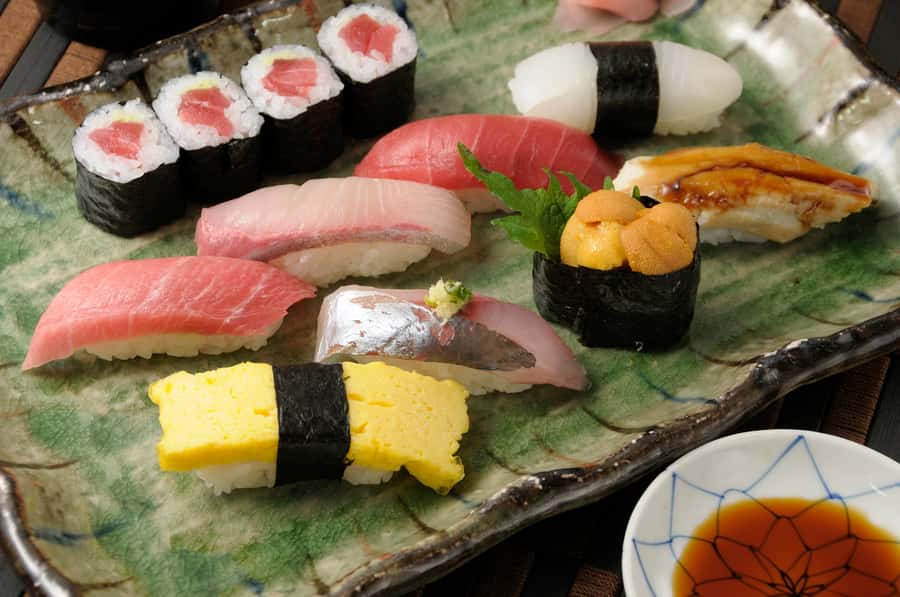
- Food stop at Tsukiji: You can browse fresh seafood and unfamiliar Japanese foods, with the option of a small breakfast or lunch.
- Flexible sightseeing: Guide Ena adjusted time between sights for personal interests, even dropping one stop when the schedule grew tight.
- Walking matters: Comfortable shoes are essential, and station access can be difficult if you need elevators or escalators.
Four sides of Tokyo in six hours
This is not a tour for one narrow subject. It is a quick, well-spread introduction to Tokyo, moving between a Shinto shrine, a fashion district, a food market, and one of the city’s oldest temple areas.
That variety is the strongest reason to book it. You do not spend six hours in one museum or stay in one part of town. Instead, you get a useful sense of how Tokyo changes from block to block. The calm forest around Meiji Jingu feels far removed from Harajuku’s youth fashion, while Tsukiji and Asakusa offer two more traditional sides of the city.
The route uses public transport, not a private vehicle. That keeps the experience closer to ordinary Tokyo life, but it also means you deal with stations, stairs, crowds, and the limits of a fixed six-hour day. If you want door-to-door comfort, this is not the right style of tour.
The published schedule begins with pickup in Tokyo, followed by a train ride to Meiji Shrine, Harajuku, another train ride to Tsukiji Outer Market, lunch, a final train ride, and Asakusa. The general description presents Tsukiji first, so confirm the precise order and starting time when you book. Either way, the four main areas are the heart of the experience.
Other guided tours in Tokyo
Starting beneath the trees at Meiji Jingu
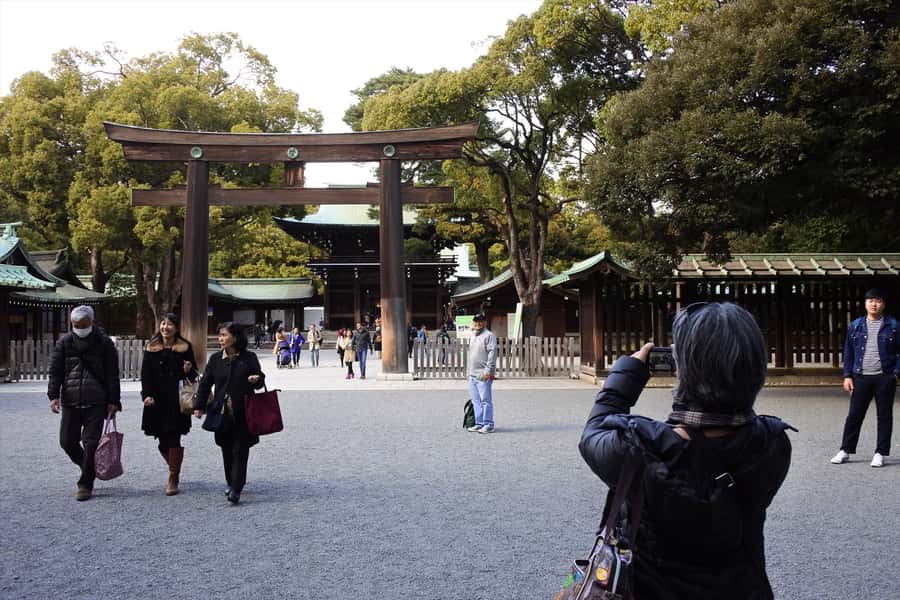
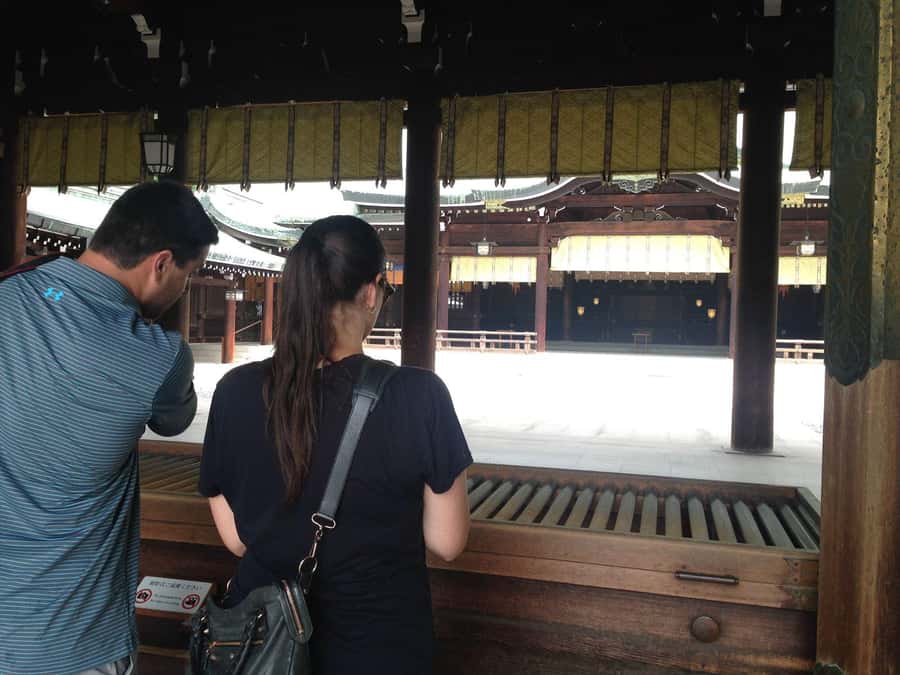
Meiji Jingu is a good first stop because it gives you a quiet counterpoint to Tokyo’s hard-edged city streets. The shrine is one of the biggest in Tokyo, and the approach offers a chance to learn how a major Shinto site fits into modern Japanese life.
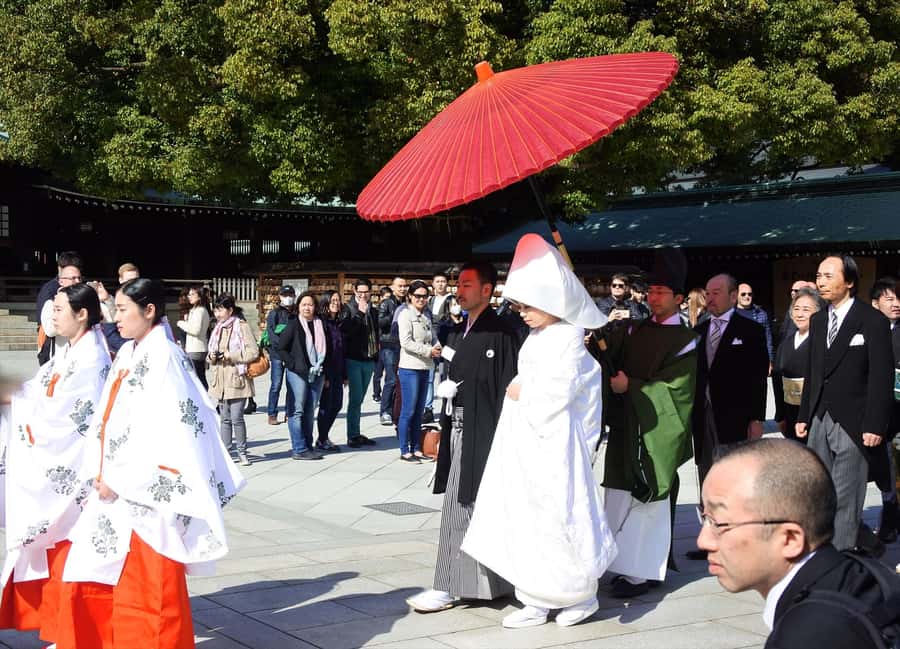
A licensed guide adds real value here. You can ask about shrine etiquette, what you are seeing, and the meaning of the setting rather than simply walking through a wooded path and taking photographs. If luck is on your side, you might see a traditional Japanese wedding, a memorable moment that no schedule can promise.
The shrine visit also sets a useful tone for the rest of the day. You are not only checking off a famous site. You are seeing a place where religious practice, ceremony, and everyday city life meet. Keep in mind that sightseeing at a shrine is primarily an outdoor walking experience, so weather and footwear matter.
Harajuku and Omotesando, from pop fashion to polished shopping
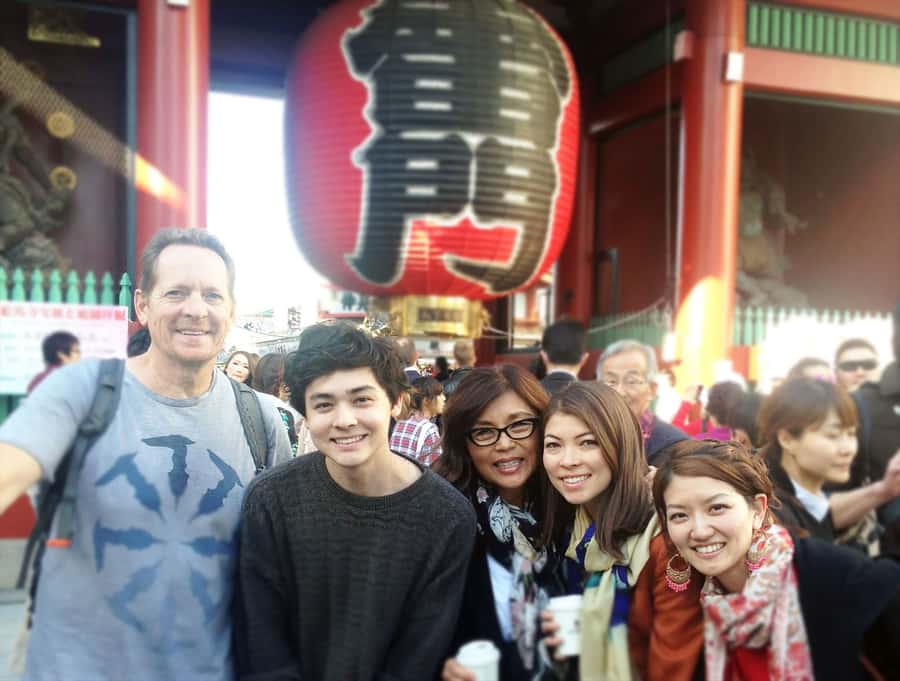
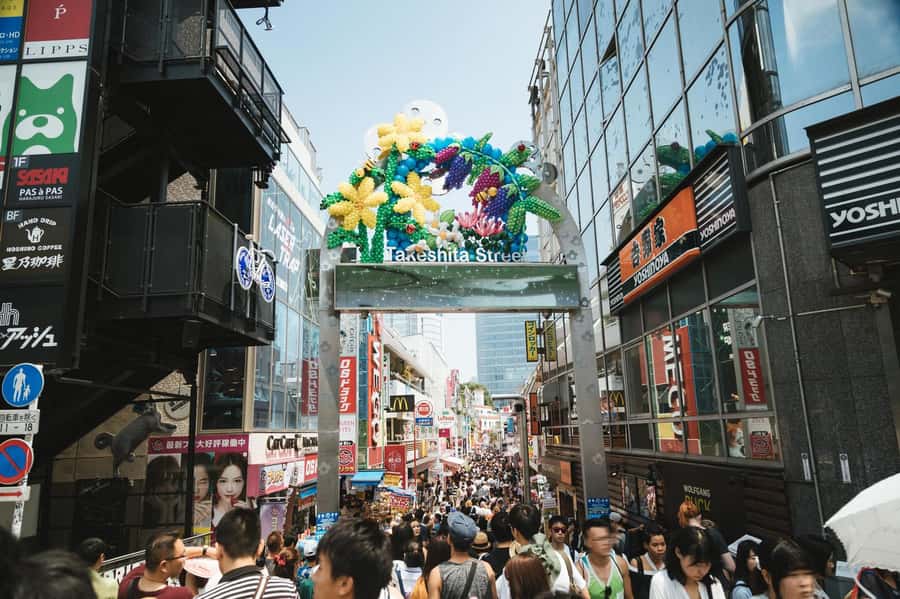
After Meiji Jingu, the tour moves into Harajuku and Omotesando. These areas are famous for teenage pop fashion, and they provide a sharp change from the shrine grounds.
Harajuku is the place to look at Tokyo’s playful youth style and browse shops. Omotesando brings a more polished shopping atmosphere. You can ask your guide to explain what you are seeing, point out areas that match your interests, or help you decide how much time to spend browsing.
This is one of the tour’s more flexible sections. If you enjoy fashion, people-watching, and shopping, you may want to use your time here for a meal or a quick look around. If shopping is not your priority, tell the guide early. Guide Ena was praised for adjusting the day around personal interests and allowing extra time at selected stops, even when that meant dropping one location.
That flexibility is useful, but it has a cost. The tour cannot give you a full shopping afternoon and still provide meaningful time at the other three areas. You will need to choose between browsing and moving on. The guide can help make that choice, but the clock still wins at the end of six hours.
Tsukiji Outer Market for breakfast or lunch
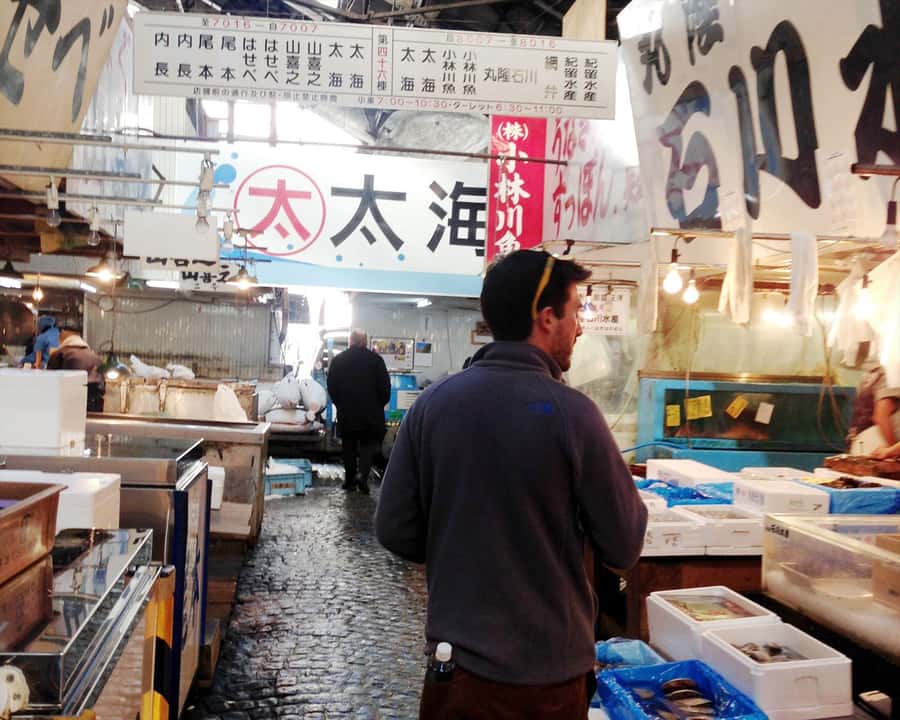
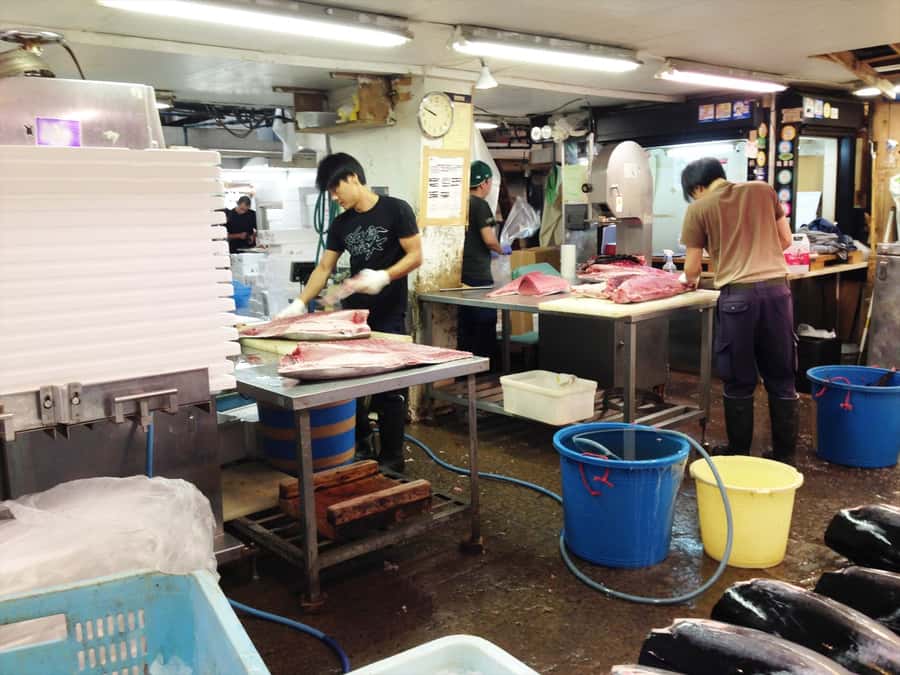
Tsukiji Outer Market supplies the day’s most direct food experience. You can see stalls selling fresh seafood and try foods that may be unfamiliar. If the schedule brings you here early, a small breakfast is possible. The tour also lists lunch at Tsukiji, so the market can serve as the main meal stop.
I like this part because it is less formal than a restaurant tasting. You can look, ask questions, and decide what appeals to you. A guide can help you understand what you are seeing and make the market less confusing, especially if you are not used to Japanese food displays.
Lunch is not included for you or the guide. Plan to pay separately, and remember that the market is a place for browsing and small food purchases rather than a single all-inclusive meal. The exact amount you spend will depend on what you choose.
There is one important scheduling issue: this tour is not held when Tsukiji Outer Market is closed. Check the operating date carefully before committing to your plans. Since the market is central to the experience, a closure is not a minor change.
The itinerary includes a train ride of about 20 minutes before Tsukiji and another train ride of about 20 minutes afterward. Those transfers are not wasted time. They show you how Tokyo’s neighborhoods connect and give your guide a chance to explain the rail system. Shizuko was especially praised for making the subway easier to understand, helping people feel more confident using it on a later day.
Asakusa and Sensoji, Tokyo’s old-town finish
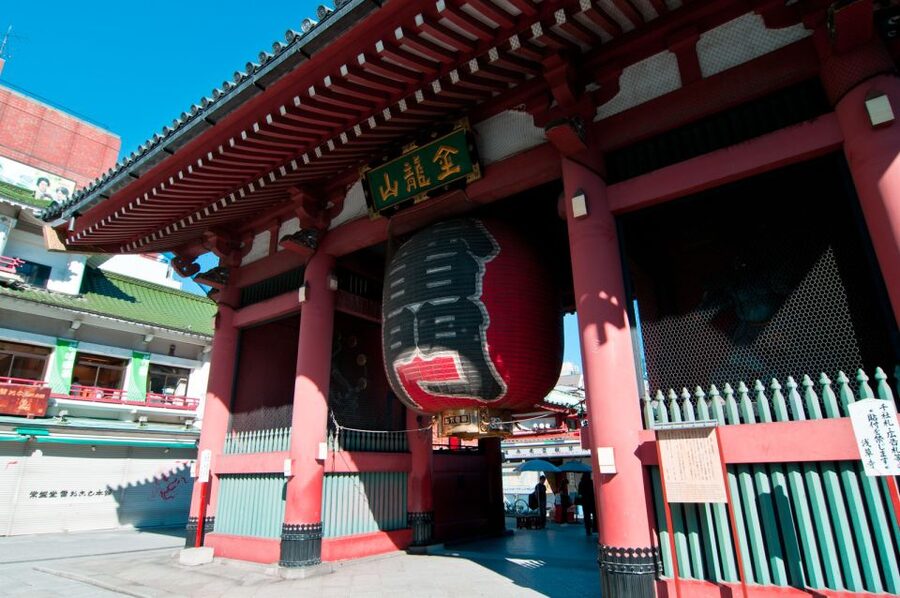
The final major stop is Asakusa, home to Sensoji Temple, one of Tokyo’s oldest and best-known temple areas. This is where the tour shifts toward traditional souvenirs, temple architecture, and an older style of city sightseeing.
Nakamise, the shopping street leading toward the temple, is lined with shops selling typical Japanese souvenirs. It is a practical place to buy gifts because you can browse after the formal sightseeing portion. If you still want to shop once the tour ends, the finish point is in Asakusa, so you can stay on your own.
Asakusa also works well as the final stop because it leaves you with more freedom than a timed museum visit. You can continue shopping, explore nearby streets, or simply finish where the tour does. The formal endpoint is in Asakusa at 1-3-2 Asakusa, Taito City.
A guide can give Sensoji and Nakamise more context, but do not expect a long, slow temple study in this format. You are covering several districts in one day. If you want extensive time at the temple, you may need to continue independently after the six-hour tour.
One guide also took visitors to the Asakusa Tourist Information Building, where the view was praised as breathtaking. That stop is not listed as a guaranteed part of the standard route, so treat it as an example of what a guide may suggest, not a promise of the itinerary.
Other private tours in Tokyo


What the private guide changes
The guide is the reason this tour can cover so much without feeling like a simple checklist. A private group gives you room to ask questions, stop for a photograph, or spend longer in a place that interests you.
The guide languages are English, French, German, and Spanish. The experience is led by a nationally licensed guide, which is especially useful at Meiji Jingu and Sensoji, where a few cultural explanations can make the visit far more meaningful.
Several guide names appear in the available feedback. Shizuko handled a large group with ease on a busy Saturday and explained the subway system clearly. Mamiko combined the Tokyo sightseeing with a sky restaurant lunch and a visit to the Caretta Shiodome area, although those additions are not guaranteed in the published route. Ena took a flexible approach, giving more time to preferred sites and accepting that one place had to be left out.
The common lesson is simple: tell your guide what matters to you. If food comes first, say so. If you want shrine customs explained, make that clear. If shopping is your goal, ask for help using the Harajuku and Omotesando time well. A private tour works best when you participate in shaping it.
Trains, walking, and the real pace of the day
Transportation fees are included, and the schedule lists three train rides of about 20 minutes each. That saves you from buying individual tickets while also giving you a useful introduction to Tokyo’s public transport.
You should still expect a physically active day. You walk through shrine grounds, shopping streets, a food market, and temple approaches. Many stations have few elevators or escalators, so contact the guide in advance if you have mobility concerns. This is not a minor footnote. Transfers can be tiring, especially when combined with six hours of sightseeing.
Wear comfortable shoes. Arrive on time, too. If the tour starts late because of participants, it still ends at the planned time. In a six-hour schedule, a late start can quickly turn a relaxed market visit into a rushed one.
Hotel pickup is included for hotels in any of Tokyo’s 23 wards. The experience finishes in Asakusa rather than returning you to your hotel, which is useful if you want to continue there but less convenient if you have evening plans elsewhere.
Is $466 good value for your group?
The listed price is $466 per group up to one person. Because the price description is unusual for a private experience, check the booking screen carefully if more than one person will attend and confirm how the final group price is calculated.
The value depends on what you need. If you have only one day in Tokyo, the tour combines a licensed guide, hotel pickup within the 23 wards, and transportation fees. You also avoid the time and stress of planning a route between four distant-feeling parts of the city.
The price is harder to justify if you are already comfortable with Tokyo trains and have several days in town. You could visit these areas independently and spend more time in each one. The tour is paying for organization, interpretation, and flexibility, not for an exclusive attraction or included meal.
Lunch is extra for you and the guide. Breakfast at Tsukiji is optional, not included, and any shopping or food purchases are your responsibility. Budget for those separately.
The private format becomes more valuable for families, first-time visitors, and groups with different interests. A guide can balance shrine time, shopping, food, and temple sightseeing more effectively than a fixed public group. Children under five go free, which can improve the value for families, though the walking and station transfers still deserve attention.
Who will enjoy this Tokyo day tour?
I would choose this experience if you have one free day and want a broad introduction without spending your own time working out the train connections. It suits first-time visitors who want context as well as photographs.
It is also a good fit for people who want a private pace. You can ask questions, request adjustments, and use the guide’s help to understand Tokyo beyond its famous views. The included transportation and pickup simplify the day.
You may want another option if you prefer a slow food tour, a dedicated shopping day, or a long temple visit. This route covers a lot, but its strength is variety rather than depth. People with mobility limits should discuss station access before booking, since elevators and escalators are limited at many stops.
The overall rating is 4.5 from 11 reviews, and the highest praise focuses on guide quality, flexibility, subway explanations, and the ability to handle a large group. Those are the qualities that matter most here. The sights are famous, but the guide determines whether six hours feels useful or rushed.
FAQ
How long does the Tokyo private tour last?
The tour lasts six hours. Check availability for the available starting times.
What sights are included?
The tour includes Meiji Jingu Shrine, Harajuku, Omotesando, Tsukiji Outer Market, and Asakusa, including the Sensoji Temple area and Nakamise shopping street.
Is hotel pickup included?
Yes. Pickup is included from hotels located in any of Tokyo’s 23 wards.
What languages are available?
The live guide languages are English, French, German, and Spanish.
Is transportation included?
Yes. Transportation fees are included, and the tour uses public trains. The schedule lists train rides of about 20 minutes between several stops.
Is lunch included?
No. Lunch is not included for you or the guide. You may eat at Tsukiji or in another area mentioned during the tour.
Can children under five join for free?
Yes. The tour is free for children under five.
Is the tour suitable for people with mobility issues?
The tour involves walking and public transport. Many stations have few elevators or escalators, so tell the guide in advance about any mobility issues.
Should you book it?
Book this tour if you have one day, want Tokyo’s major contrasts, and value a private guide who can explain the city and adjust the pace. Meiji Jingu, Harajuku, Tsukiji, and Asakusa make a strong first-day mix, and the train practice can help you explore independently afterward.
Think twice if you want a slow, specialized experience or if the $466 group price does not fit your party. Confirm the exact price, starting time, route order, and market operating date before booking. For the right visitor, this is an efficient and human way to get oriented in a huge city, with enough freedom to make the day feel personal rather than mechanical.
More Private Tours in Tokyo
More Guided Tours in Tokyo


More tours in Tokyo we've reviewed





Guided, compared.
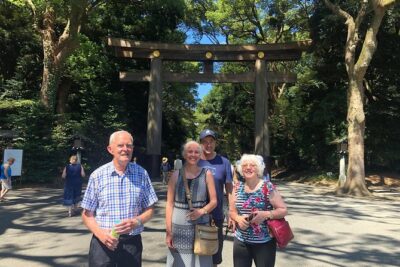 ★ 5.0Tokyo 6hr Private Tour with Government-Licensed GuideFrom $155
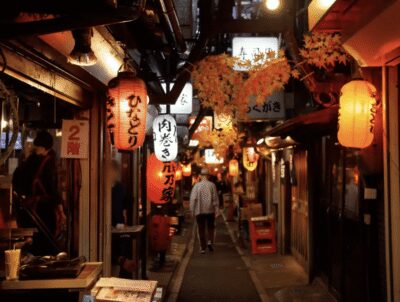 ★ 4.9Tokyo: Shinjuku Local Bar and Izakaya Guided Walking TourFrom $343 hours
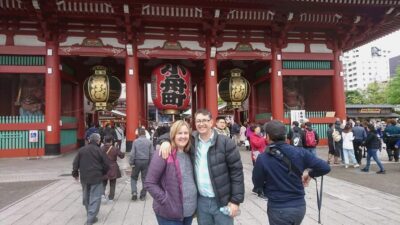 ★ 4.8Tokyo: Private City Highlights Tour with Local GuideFrom $1064 - 8 hours
 ★ 4.9Tokyo: Tsukiji Fish Market Guided Walking TourFrom $222 hours
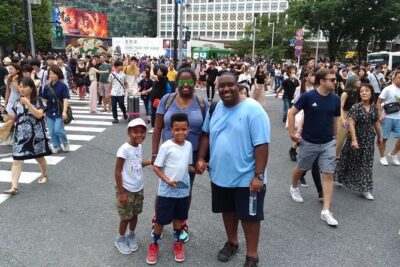 ★ 5.0Tokyo 4hr Private Tour with Government-Licensed GuideFrom $109
 ★ 5.0Tokyo Guided Small-Group Biking TourFrom $106