Reviewed · ASAKUSA TOURS
This is Asakusa! A Tour Includes the All Must-Sees!
Asakusa packs old Tokyo, temple gates, food stalls, kitchen shops, river views, and Tokyo Skytree into one busy district. This private six-and-a-half-hour tour gives you a guide to handle the crowds and explain what you are seeing, rather than leaving you to guess your way through the streets.
In This Article
- Key points to know before booking
- Why a private Asakusa tour can be worth it
- Starting above the crowds at Asakusa Culture Tourist Information Center
- Senso-ji and Asakusa Shrine, Tokyo’s traditional core
- Shopping streets with old Asakusa character
- Kappabashi, where cooks shop for serious tools
- Lunch at Gonpachi with river and Skytree views
- Tokyo Skytree, the modern finish
- Tokyo Solamachi and the Oshiage finish
- What the $137.29 price really covers
- Who will get the most from this tour
- Should you book it?
- FAQ
- How long does the tour last?
- Is this a private tour?
- Where does the tour start?
- Where does the tour end?
- Are food, admission fees, and transportation included?
- Is Tokyo Skytree admission included?
- Can the tour change because of weather or closures?
I like the mix of major sights and useful local stops, especially Kappabashi kitchenware town and the lookout at the Asakusa Culture Tourist Information Center. I also like that the tour ends near Skytree instead of returning you to the starting point, giving you a practical way to continue your evening.
The main caution is cost clarity. The advertised price is $137.29 per person, but transportation, admission fees, meals, and a small optional experience cost extra. You should also confirm the exact Asakusa Station meeting point before the day begins.
Key points to know before booking

- A private guide keeps the day personal: Only your party takes part, so you can ask questions about Buddhism, local customs, shopping, and daily life.
- The route covers two sides of Tokyo: You begin among Asakusa’s traditional temples and finish beside the modern Tokyo Skytree.
- Kappabashi is a practical stop: Expect shops selling knives, tableware, and professional kitchen tools, with time to browse or buy.
- Lunch at Gonpachi costs extra: The handmade soba restaurant offers views toward the Sumida River and Tokyo Skytree.
- The day includes both free and paid sights: Many stops have no admission charge, but the Skytree and other costs are not included.
- Meeting-point details matter: The tour begins at Asakusa Station and ends at Oshiage Station, but you should clarify the station exit or exact location.
Why a private Asakusa tour can be worth it

Asakusa is easy to reach, but it is not always easy to read. The streets around Senso-ji can feel crowded, the temple grounds have their own customs, and the shopping lanes are packed with places that mean more when someone explains them.
That is where this tour earns its keep. You are not simply being led from one photo stop to another. The guide can explain the difference between a Buddhist temple and a Shinto shrine, point out the meaning behind important buildings, and answer questions about Japanese life as you walk.
The private format is especially useful for a family or small group with mixed interests. You can spend more time looking at kitchen knives, ask for help with a purchase, or shift the pace if the crowds become tiring. Several guides have received especially warm praise for being polite, attentive, and flexible, including Haruo, Macky, Walt, and Sayaka. Guide assignments can change, so do not book solely on the expectation of meeting one particular person.
The strongest appeal is the route itself. You get the classic Asakusa sights, but also a few places that make the district feel less like a checklist. Hoppy Street gives you a glimpse of an old-fashioned drinking quarter. Kappabashi shows how serious Japan is about food preparation. Gonpachi adds a proper meal and river views before the day shifts toward Skytree.
A few more Tokyo tours and experiences worth a look

Starting above the crowds at Asakusa Culture Tourist Information Center
The tour begins at Asakusa Station, with the Asakusa Culture Tourist Information Center as the first stop. Allow about 15 minutes here.
The center is useful for orientation, but the important feature is the observation terrace near the top. From here, you can look across Asakusa and get your bearings before entering the busy temple district. It is a smart first stop because the area becomes easier to understand once you can see how the streets, river, temple grounds, and major buildings fit together.
Admission is free. The practical issue is finding your guide. The meeting information gives an Asakusa Station address, but one group had trouble because a taxi was directed to a train station rather than the intended meeting location. Before departure, confirm the station name, exit, and exact meeting point with OTOMO Travel Guide. This small step could prevent a frustrating start.
Senso-ji and Asakusa Shrine, Tokyo’s traditional core

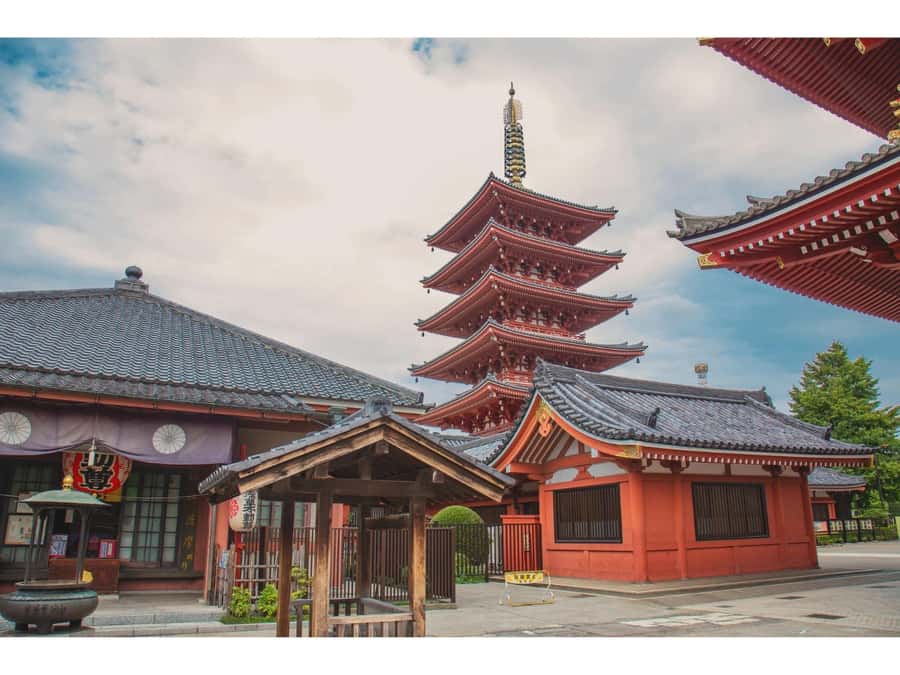
Senso-ji receives about an hour, making it the main cultural stop. Tokyo’s oldest temple is famous for its large red lanterns and bright red buildings, which have become symbols of Asakusa.
Your guide can help turn the grand entrance and temple grounds into something more than a photo opportunity. You can ask about Buddhist customs, the role of the temple, and the proper way to approach religious sites. The crowds can be thick, but a private guide helps you move with more purpose and keeps the visit from becoming a confused shuffle through the central paths.
The temple is free to enter, though any optional activity or purchase is your responsibility. The listed optional experience cost is 100 yen per person, but the specific activity is not described, so ask your guide what it involves before paying.
Asakusa Shrine is only a short visit, around 15 minutes, but it adds an important contrast. It is a Shinto shrine associated with the Sanja Matsuri, one of Tokyo’s major festivals. Your guide can explain how Shinto shrines differ from Buddhist temples, while also pointing out why these two religious sites sit so close together.
That distinction is one of the most useful parts of the day. You do not need a lecture on religion, but a clear explanation helps you understand why the buildings, rituals, and symbols differ.
Shopping streets with old Asakusa character

The 15-minute walk through Asakusa Nishi-sando Shopping Street shows a more commercial side of the neighborhood. Festival-themed decorations and traditional-style shops give the street a cheerful appearance, though the area also reflects how strongly Asakusa depends on tourism.
This is a short stop, so you should not expect a long shopping session. Instead, treat it as a link between the temple district and the food and market streets ahead. If you see something you want to buy, tell your guide early. The route has several stops, and browsing time may be limited.
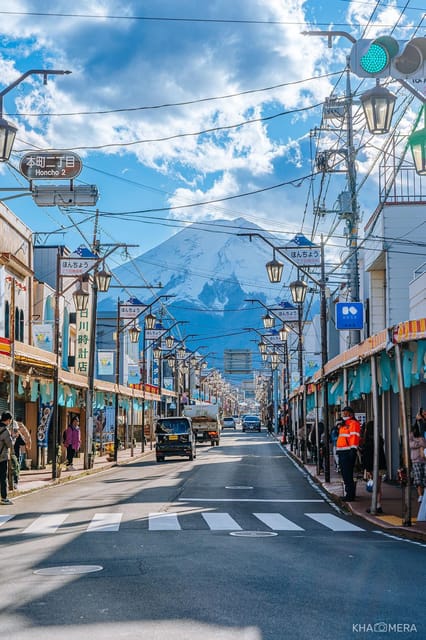
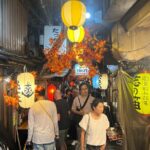
Hoppy Street gets only about five minutes, but that is enough to see its outdoor tables, inexpensive drinks, and restaurant-lined atmosphere. It is a local-style drinking street that now attracts plenty of sightseers, so it sits somewhere between everyday Tokyo and a well-known sightseeing stop.
The name comes from Hoppy, a low-alcohol drink often mixed with shochu, though the supplied tour details do not promise a tasting. Do not assume a drink is included. This is mainly a quick look at the street and its atmosphere.
Kappabashi, where cooks shop for serious tools

Kappabashi Street, also known as Kappabashi Dogugai, gets around 30 minutes. This is one of the most distinctive stops on the route.
The district is packed with specialty shops selling knives, tableware, cooking tools, and other supplies used by professional kitchens. It is a good place to see a side of Japanese food culture that has nothing to do with sitting down at a restaurant. The tools, displays, and shop selection show how much care goes into preparation and presentation.
If you are interested in Japanese knives, this stop can be especially valuable. One group received help with a knife purchase, which is exactly the kind of practical assistance that makes a private guide useful. A guide can help with communication and explain what you are looking at, but you should still check the price, care instructions, and shipping arrangements yourself.
Thirty minutes is enough for an introduction, but not enough to inspect every shop. If kitchenware is a major reason you want to visit Kappabashi, tell OTOMO Travel Guide in advance and ask if the route can allow more browsing time. The tour is private, so there may be some room to adjust the pace, but no change is guaranteed.
Lunch at Gonpachi with river and Skytree views

Gonpachi is scheduled for about 50 minutes. It is a handmade soba restaurant at the foot of Azumabashi Bridge, with large windows looking toward the Sumida River and Tokyo Skytree.
This meal gives the route a needed pause. By this point, you have covered temple grounds, shopping streets, and a kitchenware district. Sitting down for soba lets you rest while keeping the focus on Japanese food.
The meal is not included. The stated meal estimate is 1,200 yen per person, though your actual bill may differ depending on what you order. Food and drinks at visited stops are paid by you, so budget for this separately from the advertised tour price.
The 50-minute allocation suggests a straightforward meal rather than a leisurely restaurant visit. If you need extra time for lunch, or if your group has specific dietary needs, discuss that with the guide at the start of the day. The information provided does not list dietary accommodations.
Tokyo Skytree, the modern finish

The itinerary allows about 1 hour and 10 minutes for Tokyo Skytree. At 634 meters, it is Japan’s tallest building and opened in 2012. The complex includes the tower, a mall, an aquarium, and office buildings.
The tower changes the feel of the day. Asakusa gives you temples, old shopping lanes, and streets tied to long-standing customs. Skytree gives you a modern Tokyo viewpoint and a large entertainment complex. That contrast is one of the tour’s best design choices.
Admission is not included. The cost breakdown lists 3,400 yen per person for admission fees, but it does not state exactly how that amount is allocated. Ask your guide what ticket or observation level is planned before entering. You should also understand that admission prices can vary by ticket type or date.
The guide can help you navigate the complex, but the value of the visit depends on what you want from Skytree. If you care most about city views, the tower is the main attraction. If you prefer shopping or indoor entertainment, Tokyo Solamachi gives you more time to browse.
Tokyo Solamachi and the Oshiage finish

The final stop is Tokyo Solamachi, the commercial center next to Skytree. The planned time is about 30 minutes.
Solamachi follows a new downtown concept and combines shopping, entertainment, dining, and other attractions. Thirty minutes gives you a quick look rather than a full shopping trip. It is still useful because you finish in a large, easy-to-use complex rather than being dropped somewhere unfamiliar.
The tour ends at Oshiage Station, near Skytree, rather than at Asakusa Station. This is convenient if you plan to continue around Skytree, shop at Solamachi, or take the train onward from Oshiage. If you prefer to return to Asakusa, tell your guide in advance and ask if the finishing point can be changed.
The listed itinerary adds up to less than the full six hours and 30 minutes, which leaves time for walking, transfers, explanations, and the natural delays of a crowded district. Still, this is a full half-day outing. Wear shoes suitable for walking and avoid planning a tight appointment immediately afterward.
What the $137.29 price really covers
At $137.29 per person, this is not a bargain sightseeing walk. You are paying for a private guide, a planned route, and the ability to ask questions throughout the day. The guide’s necessary expenses are included, but your own costs are not.
The stated estimated extra cost is 4,880 yen per person:
- Transportation: 180 yen
- Admission fees: 3,400 yen
- Meal costs: 1,200 yen
- Optional experience: 100 yen
Treat this as a planning estimate rather than a guaranteed final bill. The information also says that all transportation, admission, food, and drink costs at visited stops are paid by you. A group of four will therefore need to multiply those extra costs by four, in addition to the tour price.
The private format gives the price more value for couples, families, or small groups who want personal attention. It is harder to justify for a solo visitor who is comfortable researching Asakusa and navigating Tokyo independently. Group discounts may improve the per-person cost, so check the current rate for your party size before booking.
Who will get the most from this tour
I would choose this experience if you are visiting Tokyo for the first time and want Asakusa explained rather than simply photographed. It suits people who want a guide for religious sites, help moving through busy streets, and a clear introduction to both traditional and modern Tokyo.
It is also a good fit for families and small groups with different priorities. One person can ask about temple customs, another can focus on knives or tableware, and someone else can ask about local restaurants or daily life.
The tour may be less suitable if you want a slow, flexible day with lots of unplanned shopping. The route covers nine stops, and several receive only 15 or 30 minutes. Private does not mean unlimited time. Tell the guide at the beginning if Senso-ji, Kappabashi, lunch, or Skytree matters most to you.
The tour is near public transportation, and most people can participate. Bad weather may lead to changes in transportation, destinations, or routes. Temporary closures can also require substitute stops.
Should you book it?
Book this tour if you want a well-shaped introduction to Asakusa, especially if temple customs, local food, kitchenware, and Skytree all appeal to you. The guides are praised for patience, courtesy, English ability, and attention to individual requests, with Sayaka and the other named guides receiving particularly warm comments.
I would book it for a first Tokyo visit, a family group, or anyone uneasy about handling Asakusa’s crowds alone. I would skip it if you are confident with Tokyo transit, want to spend hours shopping at Kappabashi, or prefer choosing each stop at your own pace.
Before paying, confirm the exact meeting point, ask what Skytree admission covers, and set aside the additional 4,880 yen estimate per person. With those details clear, this private route offers a useful balance of Tokyo icons and everyday interests.
FAQ
How long does the tour last?
The tour lasts approximately 6 hours and 30 minutes.
Is this a private tour?
Yes. The activity is private, and only your party participates.
Where does the tour start?
It starts at Asakusa Station, listed at 1-chome-1-3 Asakusa, Taito City, Tokyo 111-0032, Japan. Confirm the exact station exit and meeting location before the tour.
Where does the tour end?
It ends at Oshiage Station near Tokyo Skytree, listed at 1-chome-1-65 Oshiage, Sumida City, Tokyo 131-0045, Japan. You can ask the guide about changing the finishing point.
Are food, admission fees, and transportation included?
No. These costs are paid by you. The estimated additional cost is 4,880 yen per person, including transportation, admission fees, meals, and an optional experience.
Is Tokyo Skytree admission included?
No. Tokyo Skytree admission is not included in the tour price. The cost breakdown estimates 3,400 yen per person for admission fees.
Can the tour change because of weather or closures?
Yes. Bad weather may change the transportation, destinations, or route. Temporary closures may also require alternative stops.
More Asakusa Tours in Tokyo
More tours in Tokyo we've reviewed












Asakusa Tours, compared.
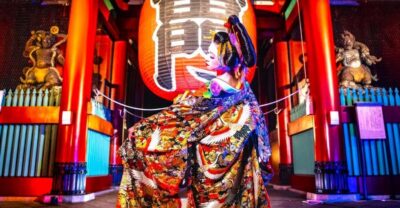 ★ 4.8Tokyo: Japanese Dance Cabaret Theater Asakusa-Kaguwa TicketFrom $492 hours
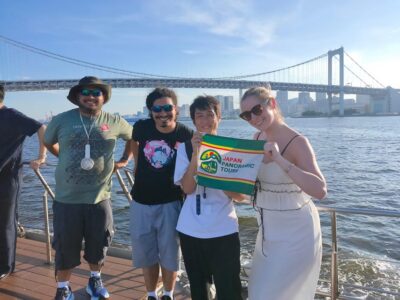 ★ 4.7Tokyo: Meiji Shrine, Asakusa, Skytree Bus Tour and CruiseFrom $12210 hours
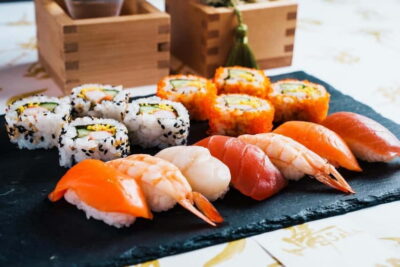 ★ 4.9Tokyo: Roll and Authentic Sushi Making Class in AsakusaFrom $581h 40m
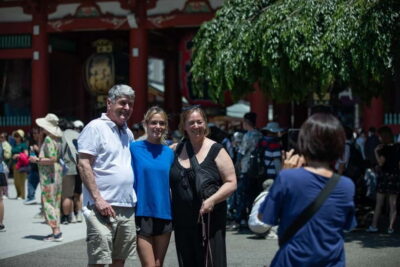 ★ 4.8Tokyo: Asakusa Walking Tour with Sensoji Temple VisitFrom $222 hours
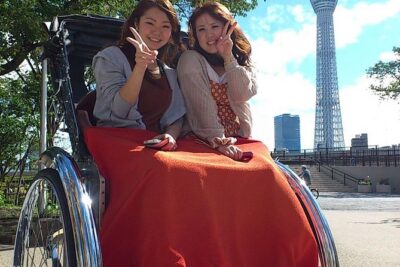 ★ 5.0Tokyo Asakusa Rickshaw TourFrom $42
 ★ 4.5Tokyo Panoramic 1 Day: Meiji Shrine, Asakusa, Odaiba and SKYTREE®From $85