Reviewed · TOKYO
Tokyo:Celebrate Unique Japanese New Year Tradition Festivity
Tokyo’s Oji Fox Parade turns New Year’s Eve into a strange, beautiful folk tale. More than 200 people in fox masks and traditional clothing carry lanterns to represent kitsunebi, the foxfires said to guide supernatural foxes to Oji Inari Shrine.
In This Article
- Why Oji’s Fox Parade Is Worth Your New Year’s Eve
- Meeting at JR Oji Station
- A Local Bar, Snacks, and One Included Drink
- Otonashi Water Park and the Story of Oji
- Oji Shrine Before the Midnight Crowd
- Waiting for Midnight and Seeing the Foxfires
- How Much Is the Three-Hour Option Worth?
- Who Will Enjoy This Experience Most?
- Six Questions to Ask Before You Book
- Should You Book the Oji Fox Parade Tour?
- FAQ
- Where does the tour meet?
- How long does the experience last?
- What is included in the three-hour option?
- Is the tour available in English?
- What should I bring?
- Can children or wheelchair users join?
I like the reserved viewing area, which matters greatly at a once-a-year event. I also like the mix of shrine visits, local folklore, and a small izakaya stop rather than a standard city countdown. The main caution is organization: the evening may feel more like being escorted between stops than receiving a fully explained cultural tour.
- Lantern-lit fox procession: See the annual re-enactment inspired by a famous ukiyo-e woodblock print.
- Reserved viewing zone: Watch the parade from a permitted area away from the heaviest crowd pressure.
- Oji’s shrine circuit: Visit Otonashi Water Park and Oji Shrine before midnight.
- Optional izakaya hour: Choose the three-hour version for local snacks and one beer, wine, or other included drink.
- English or Chinese guidance: Meet the guide at JR Oji Station, where they will carry a fox mask.
- A late-night practical note: Wear warm clothes and comfortable shoes, and expect to stand or walk.
Why Oji’s Fox Parade Is Worth Your New Year’s Eve

Tokyo offers plenty of countdown choices, but many involve packed streets, loud music, and little sense of place. Oji offers something stranger and more local. Its New Year’s Eve celebration is built around an old legend: foxes from across the Kanto region gather under a sacred tree, then travel to Oji Inari Shrine.
The scene was made famous through ukiyo-e art. This modern parade brings that image into the present with people in fox masks, kimono, and glowing lanterns. You are not watching real animals or a historical procession preserved unchanged through the centuries. You are watching a carefully staged community tradition based on folklore, and that distinction helps set the right expectation.
The most impressive part is the visual effect. At night, the lanterns create a line of warm points of light, while the masks give the procession a playful and slightly eerie mood. It is theatrical, but not in the polished theme-park sense. The event connects a Tokyo neighborhood with its shrines, local stories, and New Year customs.
The two-hour option focuses on the viewing area and shrine visits. The three-hour option adds a stop at a local bar for snacks and one drink. I would choose the longer version if you want a social start to the evening and do not already have dinner plans. Choose the shorter version if the parade is your only goal.
Meeting at JR Oji Station

You meet at the north entrance of JR Oji Station on the Keihin-Tohoku Line. Oji is also served by the Tokyo Metro Namboku Line. If you arrive through the metro, use Exit 3 and walk to the ground-level north entrance of the JR station.
The guide is identified by a fox mask. That is a useful detail on a crowded New Year’s Eve, when station exits can fill quickly and phone service may be slow. Arrive with enough time to find the correct entrance rather than treating the station as a casual meeting point.
The tour information does not give the guide’s name, but English and Chinese service is offered. Keep your expectations realistic about the guiding style. The evening’s strongest feature is access to the parade, while the amount of explanation may vary. Some of the practical feedback about the experience described limited introductions, little advance information, and guides mainly leading the group from one place to the next.
That does not make the tour useless. It does mean you should ask questions early. At the station, confirm the order of stops, when you will eat, where the viewing area is, and how long you will wait before midnight.
If you're still narrowing it down, here are other tours in Tokyo we've reviewed.


A Local Bar, Snacks, and One Included Drink
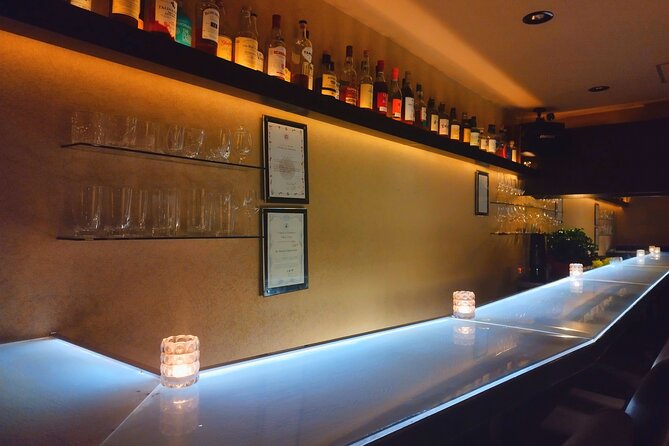
The three-hour version begins with about an hour at a local bar. Beer, wine, and local snacks are included, with one drink for each participant. This is a modest stop, not a full food tour, so do not book it as your main New Year’s Eve meal unless the provider confirms otherwise.
The value here is convenience. On December 31, finding an open restaurant near a major event can be difficult, and an arranged table removes one problem. You can warm up, have a drink, and meet the rest of the group before going outside.
The food has received a more favorable impression than the guiding in the available feedback. The portions were described as more than enough, and the hosts at the bar were friendly. The weak point was the lack of explanation about the dishes. If you are curious, ask what you are eating. You may get more cultural context by asking directly than by waiting for a formal introduction.
Alcohol is not permitted in the vehicle, though the supplied itinerary does not describe vehicle transport as part of this experience. The sensible approach is to drink lightly. You still have walking, outdoor waiting, and a midnight crowd ahead.
If you are under 12, this experience is not suitable. Families with older children should also consider the late hour, cold weather, and period of waiting before the procession.
Otonashi Water Park and the Story of Oji

The group then visits Otonashi Water Park for roughly 15 minutes. This is a short stop, so think of it as a setting for local context and photographs rather than a full park visit.
The park connects naturally with Oji’s water and shrine traditions. The tour description promises information about the area’s shrines and Japanese New Year customs, but the exact amount of explanation depends on the guide. You will get the most from this stop if you ask how the park relates to Oji’s religious story and the fox legend.
Fifteen minutes passes quickly, especially if the group is moving toward the main event. Comfortable shoes matter here. The tour is only two or three hours, but it includes several stops and outdoor movement, not simply a seated performance.
Oji Shrine Before the Midnight Crowd

The shrine visit lasts about 45 minutes. Oji Shrine is one of the tour’s most meaningful stops because it gives you a quieter religious setting before the parade takes over the night.
Japanese New Year is closely linked with shrine visits. People often go to a shrine during the first days of the year to pray for good fortune, health, and a good start. This event takes place on New Year’s Eve, so you are seeing the transition into that important period rather than only watching a street show.
At the shrine, listen for an explanation of the difference between the fox figures associated with Inari worship and the human participants wearing fox masks for the parade. Those details help you read the scene properly. The fox is a familiar figure in Japanese folklore, often connected with cleverness, transformation, and the service of Inari, a deity associated with rice and prosperity.
The shrine stop also offers a break from the crowd. You can look at the architecture, observe how visitors behave, and prepare for the much busier viewing period. Flash photography is not allowed, so use your camera without flash and be respectful around worshippers.
Waiting for Midnight and Seeing the Foxfires

The group moves to the viewing point for the main procession. About 30 minutes is listed for this stop, though the actual experience includes waiting for the midnight countdown. One booking account described standing for around 20 minutes before midnight, followed by a very good view of the parade from the reserved area.
This is where the reserved access earns its keep. Oji’s Fox Parade is a once-a-year event, and a popular public celebration can become difficult to see from ground level. The designated viewing zone is described as government-permitted and arranged to give the group a clear view. You avoid some of the uncertainty of arriving alone and searching for a usable spot.
Still, reserved access does not mean a private performance. You will be sharing the area with other participants, and you may still need to stand. The parade itself is not described as a long show with commentary at every stage. It is a visual procession, and you should expect atmosphere, lantern light, masks, and movement rather than a continuously narrated program.
When the countdown ends, watch for the contrast between modern Tokyo and the old legend being acted out in front of you. The city does not disappear, but the lanterns and masks change how the street feels. This is the tour’s best photograph opportunity, although the no-flash rule and nighttime conditions will challenge phone cameras.




How Much Is the Three-Hour Option Worth?

The two options are listed at approximately JPY 10,000 for two hours and JPY 15,000 for three hours. The shorter choice includes the parade viewing and shrine visit. The longer choice adds snacks and one drink at the bar.
The price is easier to justify if you care about the reserved viewing area. A solo visitor can potentially attend the public celebration independently, but finding the right spot, understanding the local setting, and arranging food on New Year’s Eve can be inconvenient. The tour bundles those pieces together.
The value becomes less convincing if you are mainly paying for detailed guiding. Some booking feedback described little explanation from the guides, no clear briefing about the schedule, and a sense that the group was simply led from the station to the bar and then to the viewing location. One account felt that the restaurant place and parade spot could have been arranged independently.
That criticism is fair. A reserved place is useful, but the tour should also explain why the event matters and what you are seeing. Before booking, decide what you value most:
- For reliable parade access, the price may be reasonable.
- For food and a drink, the extra JPY 5,000 buys an hour at the bar.
- For a lecture-style cultural tour, the experience may not deliver enough explanation.
- For a simple escort to the event, you may prefer to make your own plans.
The advertised price in US dollars is around $64 per person, but the listed yen prices are the better guide. Check the current amount at booking, since exchange rates and sales platforms can change the final cost.
Who Will Enjoy This Experience Most?
I would recommend this for adults and older children who like folklore, shrine visits, unusual local celebrations, and nighttime photography. It is also a good fit if you want to avoid Tokyo’s standard countdown scene and prefer a neighborhood event with a strong visual identity.
The three-hour version suits you if you enjoy having a drink and snacks before an event. The two-hour version suits you if you have dinner elsewhere or want to limit your time outside in winter.
This is not the right choice for wheelchair users, people with back problems, pregnant people, or anyone with a heart condition or another serious medical concern. Children under 12 cannot join. The walking and standing are not extreme on paper, but the cold, late hour, crowd conditions, and shrine paths add up.
Bring warm clothing, comfortable shoes, and a camera. Do not smoke during the activity, and do not use flash photography. You should also be prepared for some waiting and ask the guide for the schedule at the start.
Six Questions to Ask Before You Book

The best way to improve the experience is to take an active role. Ask for explanations at the shrine, confirm the timeline, and do not assume every stop will come with a full briefing. If the guide is quiet, you can still use the setting well by asking about the fox legend, the lanterns, and the New Year customs.
The parade itself is the part that cannot easily be recreated on another night. It takes place once a year, and the reserved viewing area may save you a great deal of uncertainty. The food stop is pleasant but secondary, and the cultural value depends partly on how much the guide explains.
Should You Book the Oji Fox Parade Tour?

Book it if your priority is a clear viewing position for a rare New Year’s Eve event. The fox masks, kimono, lanterns, shrine setting, and old legend give you a memorable alternative to a downtown countdown. I especially like the reserved area and the choice between a short parade-focused outing and a longer version with a drink and snacks.
Skip it if you expect a polished, highly narrated cultural program. The strongest criticism is not about the parade or the food. It is about weak communication, limited explanations, and an improvised feeling before midnight. You may find the experience worthwhile as escorted access to the event, but not as a fully developed guided lesson.
For most people, I would choose the two-hour option unless the izakaya stop is important to you. It keeps the focus on the fox procession and shrine visit while limiting the extra cost. If you book, arrive early, dress warmly, ask questions at the first meeting point, and treat the parade viewing as the main prize.
FAQ
Where does the tour meet?
Meet at the north entrance of JR Oji Station on the Keihin-Tohoku Line. From Tokyo Metro Oji Station, use Exit 3 and walk to the ground-level north entrance of JR Oji Station.
How long does the experience last?
You can choose a two-hour or three-hour option. The two-hour version includes the fox procession viewing and shrine visit. The three-hour version also includes snacks and one drink at a local bar.
What is included in the three-hour option?
The three-hour option includes fox procession viewing, a shrine visit, snacks, and one drink. The drink may be beer, wine, or another included beverage listed by the local bar.
Is the tour available in English?
Yes. Live guiding is offered in English and Chinese.
What should I bring?
Bring comfortable shoes, warm clothing, and a camera. Flash photography is not allowed.
Can children or wheelchair users join?
Children under 12 cannot join, and the activity is not suitable for wheelchair users. It is also not recommended for people with back problems, pregnant people, or those with heart problems or other serious medical conditions.
More tours in Tokyo we've reviewed












Tokyo, compared.
 ★ 5.0Mt Fuji and Hakone 1-Day Bus Tour Return by Bullet TrainFrom $163
 ★ 5.01-Day Tokyo Bus TourFrom $129
 ★ 4.6Tokyo: teamLab Planets TOKYO Digital Art Museum Entry TicketFrom $251 day
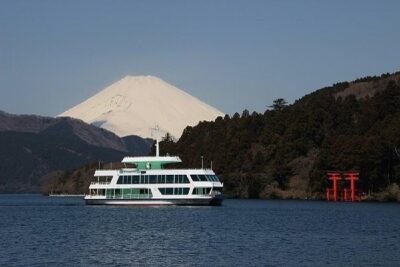 ★ 4.0Mt Fuji & Hakone Cruise, Drum Show Bullet Train 1 Day from TokyoFrom $149
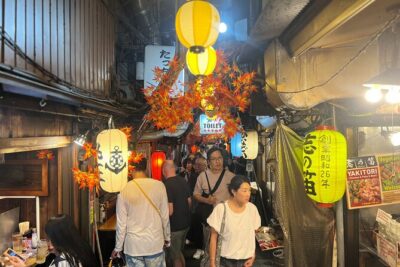 ★ 5.0Tokyo: Shinjuku Food Tour (13 Dishes at 4 Local Eateries)From $86
 ★ 4.4Tokyo Mt Fuji 5th St & Hakone Cruise Bus Tour w/Bullet TrainFrom $15410 hours