
Reviewed · TSUKIJI MARKET TOURS
Tokyo: Toyosu & Tsukiji Market Adventure with Tuna Auction
At 4:30 or 4:45 in the morning, Tokyo is still quiet. Inside Toyosu Market, the mood changes fast as giant tuna move through the auction area and buyers inspect the catch. This private tour gives you a guide beside you to explain what you are seeing, then leads you on to old Tsukiji for breakfast and market snacks.
In This Article
- Key points to know before booking
- Why the tuna auction is worth the early alarm
- Meeting your guide before dawn
- Toyosu Market: more than a tuna photo
- From Toyosu to old Tsukiji by local bus
- Tsukiji Outer Market: eat, browse, repeat
- The shrine stop adds a quiet pause
- What the private guide adds
- Is $167 a fair price?
- Practical details that shape the morning
- Who should book this market morning?
- Should you book the Toyosu and Tsukiji tour?
- FAQ
- How long does the Tokyo market tour last?
- Where does the tour start?
- Is the tuna auction lottery included?
- What happens if I do not win the auction lottery?
- Is breakfast included in the price?
- What language is the tour offered in?
I like the private format, especially for families and small friend groups. Guides such as Emi, Yumi, Sachiyo, and Tomoko have been praised for clear explanations and warm help with navigation. I also like the two-market contrast: Toyosu is the modern working market, while Tsukiji’s outer market is better for browsing food stalls, pottery, knives, tea, and other useful Japanese goods.
The main drawback is the early start and extra transport cost. You must arrange and pay for a taxi to Toyosu because public transport is not running early enough, and breakfast, drinks, and the bus fare to Tsukiji are not included.
Key points to know before booking
- The tuna auction begins your morning: See the auction from the second-floor viewing area, or apply separately for the limited first-floor lottery.
- Your guide makes the market easier: An English-speaking private guide explains the auction, translates the setting, and points out places to eat and shop.
- Toyosu and Tsukiji feel different: Toyosu is the professional wholesale market, while Tsukiji is the older outer market filled with small shops and ready-to-eat food.
- Food is a major part of the outing: Plan to buy breakfast and snacks such as sushi, sashimi, grilled eel, fishcakes, yakitori, mochi, and matcha treats.
- Plan the early taxi carefully: Staying near Toyosu, Tsukiji, or Ginza can reduce the taxi fare and make the pre-dawn meeting easier.
- The tour ends at Tsukiji: This is useful if you want to keep eating and shopping, but it is not a round-trip hotel transfer.
Why the tuna auction is worth the early alarm
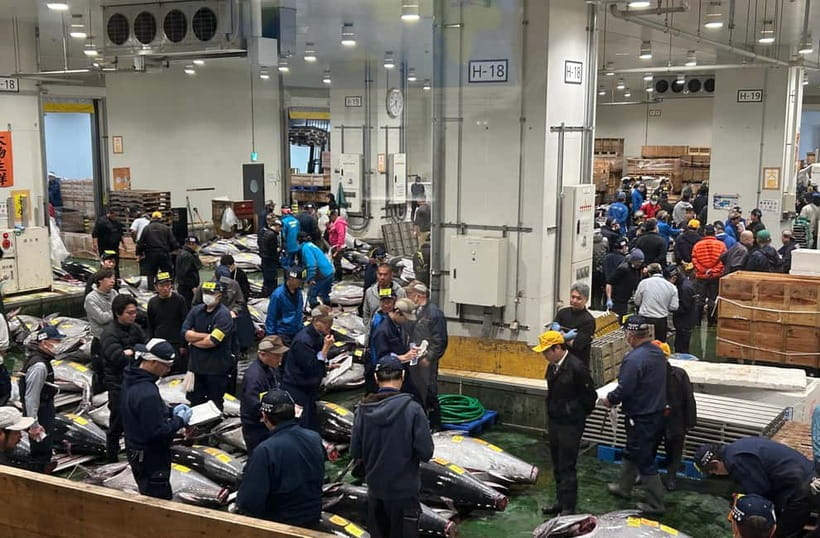
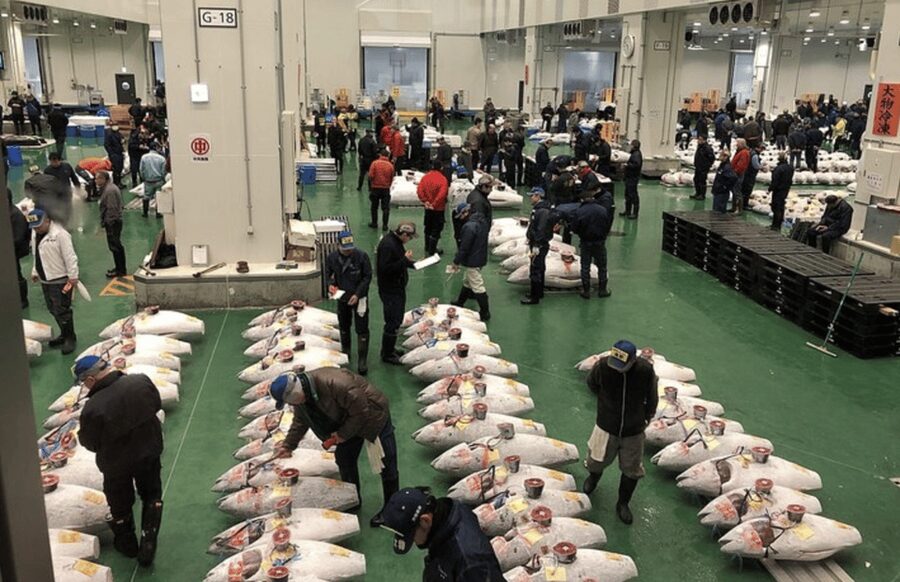
The tuna auction is the reason to book this experience. You are not simply walking through a food hall. You are watching a professional market at work, with your guide providing the background needed to understand the activity.
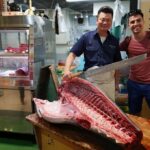
Toyosu is known here as the world’s biggest fish market, and the auction area is its main attraction. The tour takes you to the observation area and explains how the tuna sale works. Guides have used prepared presentations and detailed explanations to help visitors follow what can otherwise seem like a fast, closed-off business process.
Your exact view depends on the tuna auction lottery. The first-floor viewing area requires a separate application, and you should reserve the tour by the fifth day of the previous month if you want to apply for that option. Winning the lottery is not guaranteed, so you should treat it as a bonus rather than the basic promise of the tour.
If you do not win, you can still watch from the second floor. That view is farther away, but it lets you see the auction activity without losing the main purpose of the morning. If you win, bring your passport or another accepted form of identification on tour day.
This is a good example of where a private guide earns the fee. The auction has rules, timing, and viewing arrangements that are not obvious when you first arrive. Guides including Sachiyo, Emi, Yumi, and Tomoko have been praised for explaining the auction clearly and helping groups get into position.
A few more Tokyo tours and experiences worth a look
Meeting your guide before dawn
The tour can begin with hotel pickup or at Shijyo Mae Station, depending on the option you select. Since trains and buses are not operating early enough, you need a taxi to Toyosu if you are coming from your hotel.
The taxi ride is listed as about 30 minutes, although your actual journey depends on your hotel location and traffic. The fare is your responsibility. A hotel in Toyosu, Tsukiji, or Ginza is the practical choice, since it keeps this first transfer shorter and less expensive.
Hotel pickup is especially useful in the dark. Several guides have met groups at their hotels and helped them reach the market without having to find an unfamiliar station before sunrise. If your group includes children, older family members, or anyone who dislikes early navigation, this convenience matters.
The meeting time requires some discipline. Previous groups have started around 4:30 or 4:45 in the morning, so this is not a casual breakfast outing. I would arrange the taxi through your hotel the night before and leave extra time for finding the pickup point.
Toyosu Market: more than a tuna photo
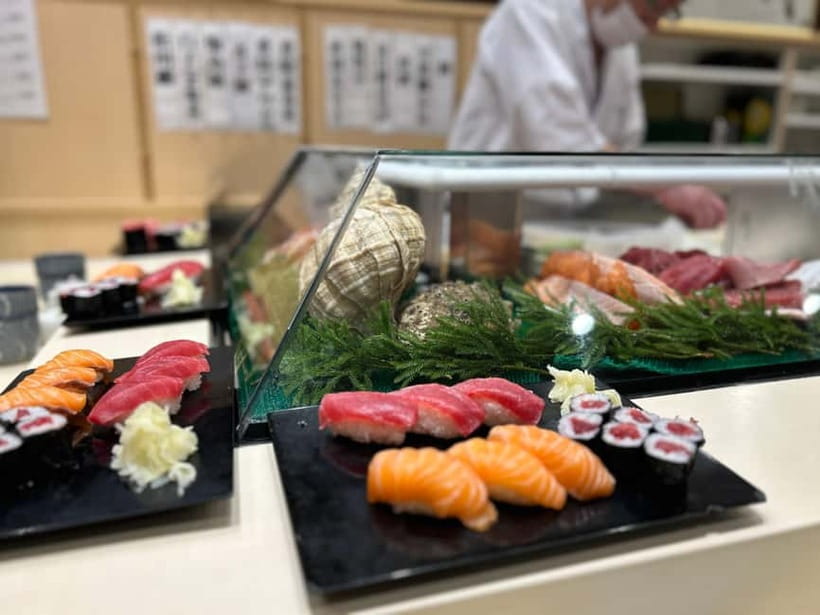
After the auction viewing, you spend about 70 minutes at Toyosu. The guide takes you through the professional market and the food-related shops, explaining what you are seeing and helping you choose where to eat.
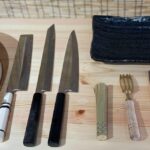
The market visit can include shops selling Japanese knives, pottery, chopsticks, matcha, miso, pickles, and sake. This makes Toyosu useful for shopping, not just sightseeing. A Japanese knife or set of chopsticks may be a more practical souvenir than another decorative Tokyo item, but check airline and customs rules before buying anything sharp or liquid.
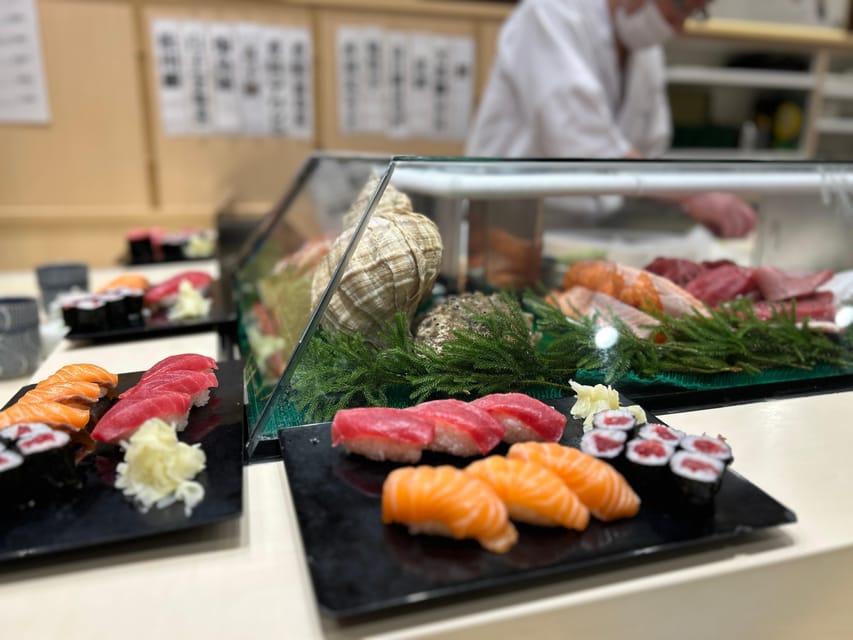
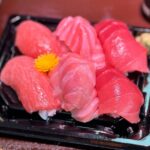
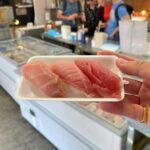
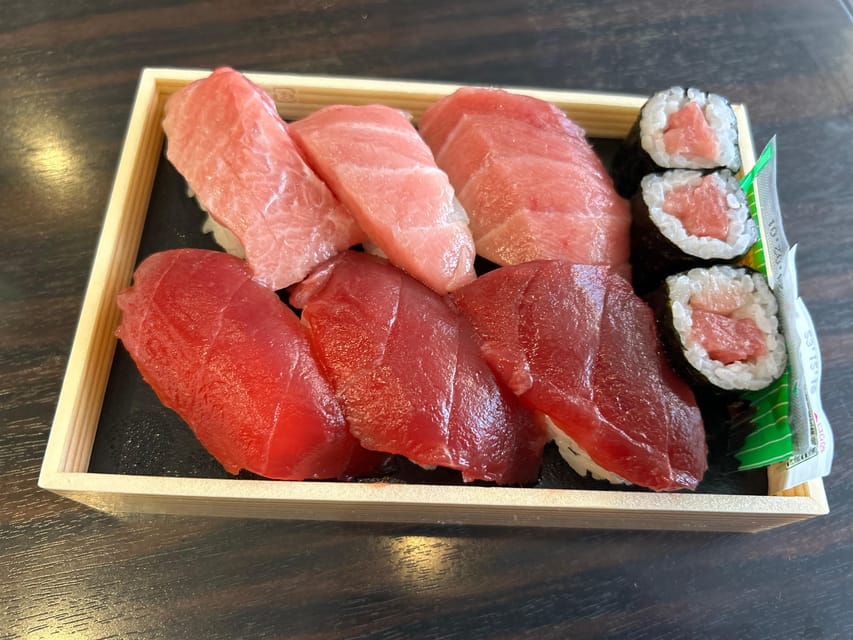
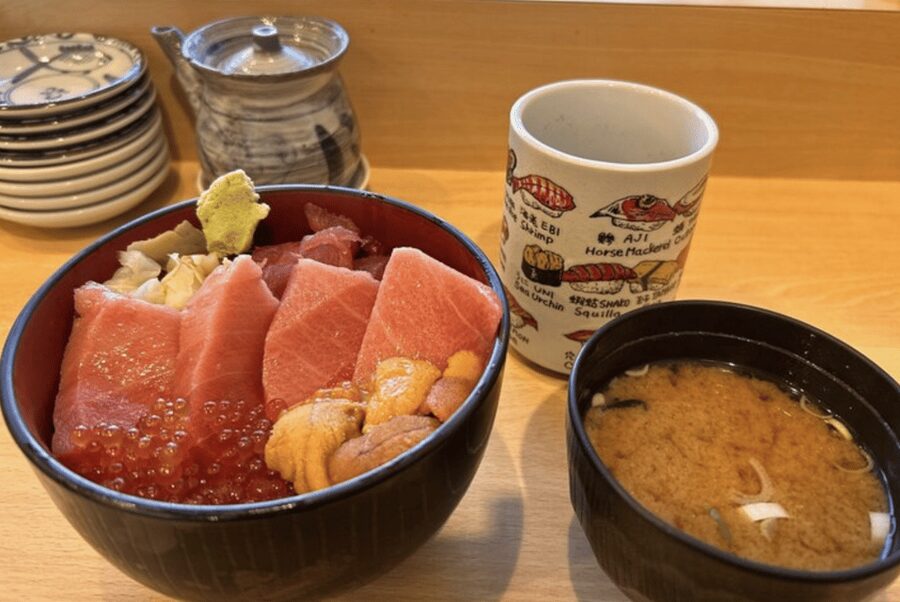
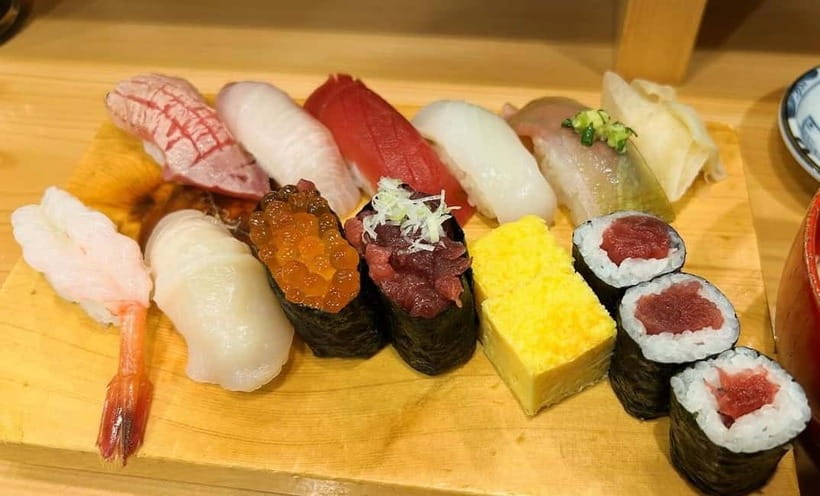
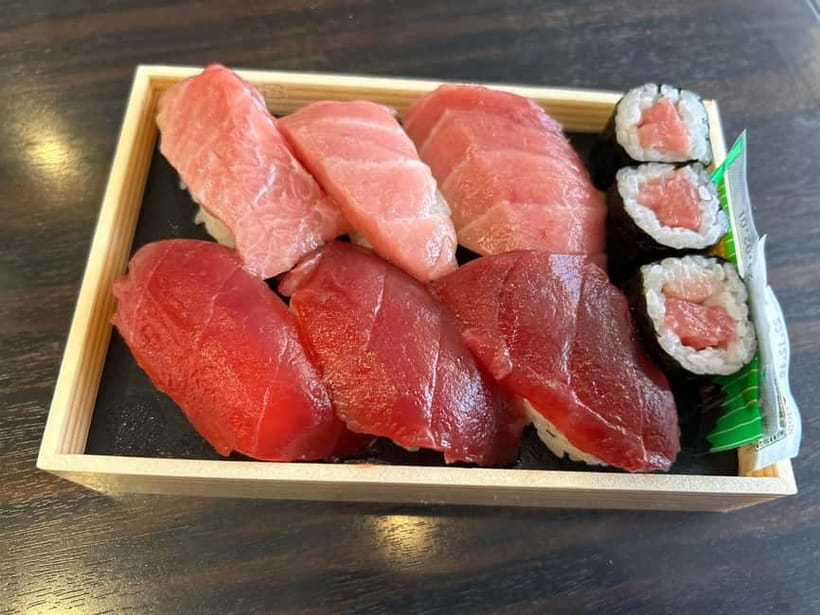
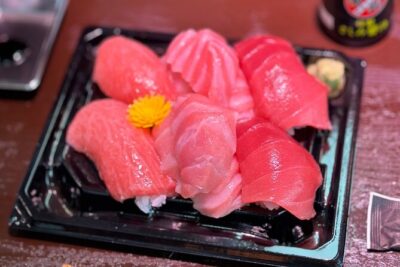
The market also offers your first chance to eat. An exquisite sushi restaurant is among the breakfast recommendations, and fresh sashimi breakfasts have been part of the experience for some groups. Breakfast is not included in the tour price, so you should budget separately for the food you choose.
That payment system gives you freedom. You can spend on a full sushi meal, select one or two items, or simply browse if you are not hungry at such an early hour. The tradeoff is that the advertised price does not cover what may become the morning’s main meal.
I like having a guide at this point because the choices can feel overwhelming. Emi, Yumi, and other guides have helped groups identify local products, good food stops, and suitable souvenirs. Some guides have also adjusted the food and shopping choices for children or different interests.
From Toyosu to old Tsukiji by local bus
After Toyosu, the group takes a local bus to Tsukiji. The ride is listed at about 15 minutes, and the bus fare is not included.
This short transfer connects two different sides of Tokyo’s seafood trade. Toyosu is the modern professional market where the auction takes place. Tsukiji is the old outer market, where small businesses continue to sell food, kitchen goods, and prepared bites to the public.
The guide handles the route between the two markets, which is helpful if you do not know the area. Still, this is not a private vehicle transfer, and you should allow for the fact that the group is using public transport.
Tsukiji Outer Market: eat, browse, repeat
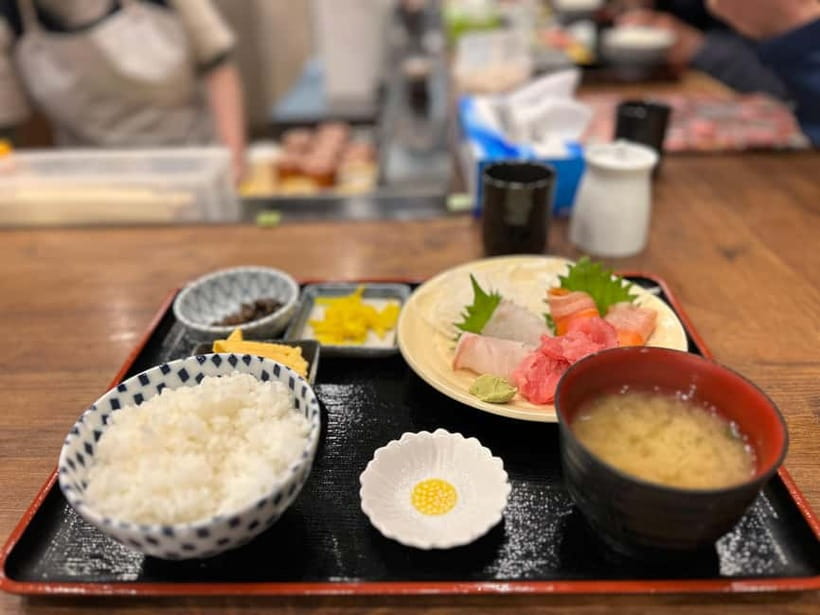
You get about 70 minutes at Tsukiji, including a guided walk and food tasting. This is where the tour becomes less formal and more hands-on.
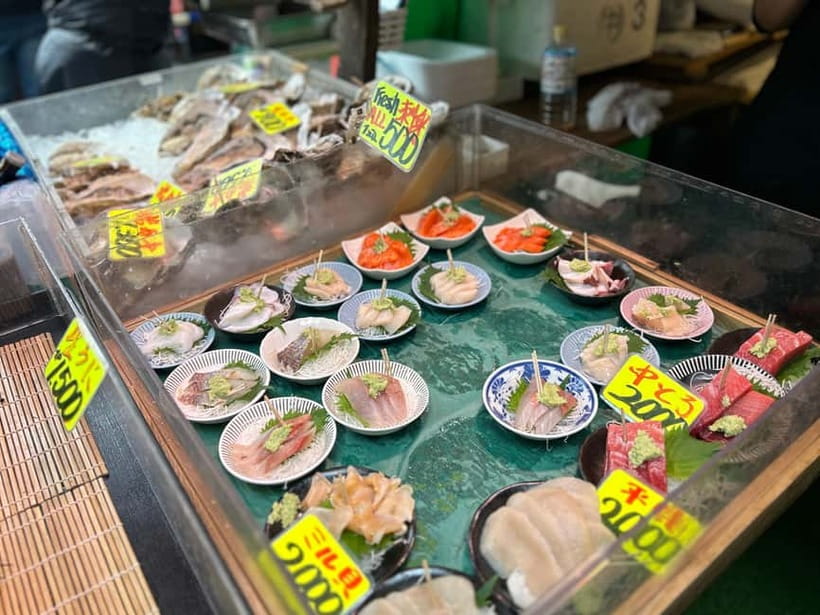
You might stop for sushi or sliced sashimi, grilled eel, yakitori, a tuna steak, fried fishcakes, rice cake, mochi, or candied fruit. Local vegetable and fruit shops add a different side of Japanese food culture, while matcha shops provide a sweet break.
The best way to approach this section is with a flexible appetite. You are likely to see more food than you can reasonably eat in one morning, so ask your guide which items suit your group. If you have children, the market offers more choices than raw seafood alone, including grilled foods, sweets, rice-based snacks, and mochi.
Tsukiji is also the stronger stop for small purchases. Pottery shops, knife sellers, chopstick displays, tea stores, pickle shops, and other specialist counters give you a chance to buy something connected to everyday Japanese cooking.
Guides have pointed out particular vendors, explained local products, and suggested items such as furikake. That kind of help is valuable when labels are unfamiliar or when you want to avoid buying a random souvenir with little connection to Japanese life.
The market can be crowded, and the walk takes place among food shops and customers. You should wear comfortable shoes, stay close to your guide, and keep your group together. A private tour helps here because the guide can adjust the pace more easily than a large group outing.
Other shopping tours in Tokyo
The shrine stop adds a quiet pause
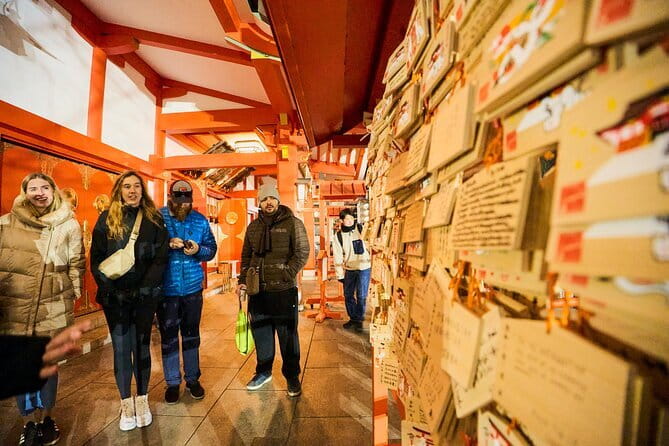
The route includes a visit to a local shrine between the market experiences. The supplied details do not name the shrine, so you should not expect a specific famous landmark as part of the booking.
The stop gives the morning a calmer pause. After the noise, food, and movement of the markets, a shrine offers a chance to see a more reflective side of the neighborhood. Your guide can provide cultural context and help you understand appropriate behavior, such as how to approach the grounds respectfully.
This is a small part of a three-hour tour, not a separate shrine-focused visit. Its value comes from the change of pace and the link between the working market district and local daily life.
What the private guide adds
The English-speaking guide is included, and the group is private. That is the strongest feature after the auction itself.
A good guide turns a confusing market into a readable one. Tomoko has been praised for polite explanations and a detailed tuna auction presentation. Yumi has been noted for her friendly manner, clear background information, and help with the best places at Tsukiji. Emi has helped with market details, food choices, souvenirs, and wider Tokyo logistics. Sachiyo has been praised for arranging early hotel pickup and explaining the auction and Japanese culture.
Guide assignments vary, so you cannot assume you will receive a particular person. Still, the repeated praise for Emi, Yumi, Sachiyo, and Tomoko points to the kind of service this tour aims to provide: patient explanations, practical help, and the ability to modify choices for children or personal interests.
A private group also helps if one person wants sushi while another prefers pottery or tea. You are not locked into the pace of strangers. The guide can answer questions as they arise, which is much harder in a large walking group.
The tour is listed as wheelchair accessible, but the early taxi, bus ride, market surfaces, and crowded food areas are still worth discussing with the operator before booking if anyone in your group has mobility needs.
Is $167 a fair price?
At $167 per person, this is not the cheapest way to visit Tokyo’s markets. You still pay for the taxi from your hotel, the bus from Toyosu to Tsukiji, and your own breakfast and drinks.
The price makes more sense if you value access and explanation. You are paying for a three-hour private tour, an English-speaking guide, help with the auction process, a planned route through two market districts, and advice on food and shopping. If you tried to arrange the same morning alone, you could save money, but you would need to manage the pre-dawn taxi, auction viewing rules, market navigation, bus transfer, and food choices yourself.
For a family or group of friends, the cost may compare favorably with several separate guided activities because the private guide is shared by your group. Solo visitors and couples should weigh the price more carefully.
The tour is a better value if the auction is a top priority and you want context rather than a quick look. It is a weaker value if you mainly want to eat at Tsukiji, since you could visit the outer market independently later in the morning.
Practical details that shape the morning
The activity lasts three hours and finishes at Tsukiji Outer Market, not back at your hotel. That makes it easy to continue eating and shopping after the formal tour, but you must arrange your return or onward journey.
Free cancellation is available up to 24 hours before the start for a full refund. You can also reserve and pay later, which helps if your Tokyo schedule is still changing.
Bring identification if you win the first-floor auction lottery. Wear shoes suited to walking and leave room in your luggage for food products, pottery, chopsticks, or other market purchases.
I would also avoid planning another demanding early activity immediately afterward. You may finish with a full stomach, several purchases, and a very early start behind you.
Who should book this market morning?
I would recommend it most strongly to first-time visitors who want an introduction to Japanese seafood culture without having to work out the market system alone. It also suits families, since the guide can suggest cooked foods and sweets as well as sushi and sashimi.
Food lovers will get the most from the combination of auction viewing, sushi, grilled eel, market snacks, and specialist shops. Shoppers should bring an extra bag and consider the knife, pottery, tea, pickle, sake, and chopstick options.
You may want to skip it if you dislike early mornings, do not want to pay for taxis and food in addition to the tour fee, or prefer to explore markets without a guide. The auction lottery also means the closest viewing position is not guaranteed.
Should you book the Toyosu and Tsukiji tour?
Book this tour if seeing the tuna auction is high on your Tokyo list and you want a private guide to explain the setting. The combination of modern Toyosu, old Tsukiji, a local shrine, Japanese breakfast, and food shopping gives you much more than a single market stop.
Go in with clear expectations: the tour starts before dawn, the auction lottery is optional and uncertain, and several costs are extra. If those conditions work for you, the $167 price buys a well-organized morning with strong personal guidance, especially valuable for families and small groups.
FAQ
How long does the Tokyo market tour last?
The tour lasts three hours. It includes about 70 minutes at Toyosu, about 70 minutes at Tsukiji, and transportation between the two markets.
Where does the tour start?
You can meet your guide at your hotel or at Shijyo Mae Station, depending on the option selected. The tour information recommends staying near Toyosu, Tsukiji, or Ginza to reduce the early taxi cost.
Is the tuna auction lottery included?
The lottery is optional and requires your own registration. If you want the first-floor viewing area, reserve the tour by the fifth day of the previous month and remember that you must still register for the lottery.
What happens if I do not win the auction lottery?
You can still watch the tuna auction from the second-floor viewing area. If you win the lottery, bring your passport or another accepted form of identification.
Is breakfast included in the price?
No. Breakfast, drinks, the taxi from your hotel, and the bus fare from Toyosu to Tsukiji are not included. Your guide provides recommendations for sushi and other market food.
What language is the tour offered in?
The tour includes a live English-speaking guide. It is a private group experience, and wheelchair accessibility is listed among the activity details.
More Markets in Tokyo
More Shopping Tours in Tokyo
More Tsukiji Market Tours in Tokyo
More tours in Tokyo we've reviewed












Tsukiji Market Tours, compared.
 ★ 5.0Tokyo Tsukiji Fish Market Food and Culture Walking TourFrom $99
 ★ 5.0Tokyo: Tsukiji Fish Market Food and Walking tourFrom $30
 ★ 4.9Tokyo: Tsukiji Fish Market Guided Walking TourFrom $222 hours
 ★ 5.0Tokyo Sushi Making Class in Tsukiji with Professional ChefFrom $49
 ★ 5.0Tsukiji Fish Market Guided Tour and Sushi Making with Pro ChefFrom $104
★ 4.7Tokyo: Tsukiji Fish Market Food and Culture Walking TourFrom $963 hours
★ 5.0Tsukiji Fish Market Guided Tour and Sushi Making with Pro ChefFrom $104
★ 4.7Tokyo: Tsukiji Fish Market Food and Culture Walking TourFrom $963 hours

![TOKYO: [LANCER EVO] JDM TOUR /DAIKOKU CARMEET ENGLISH GUIDE - Starting in Shibuya, Akihabara, or central Tokyo](https://tokyoezine.com/wp-content/uploads/2026/08/tokyo-lancer-evo-jdm-tour-daikoku-carmeet-english-guide.jpg)