Reviewed · TSUKIJI MARKET TOURS
Awesome Private Tour: Tsukiji, Asakusa, Shinjuku, Shibuya
Tokyo is easiest to understand when you connect its very different neighborhoods, and this private tour lets you do exactly that. You can pair Tsukiji’s food stalls and temple with Asakusa’s old Tokyo streets, or swap in Shibuya, Yanaka, Akihabara, or another area that fits your interests.
In This Article
- Key points to know before booking
- Why a private Tokyo tour can work so well
- Tsukiji Outer Market and Tsukiji Hongan-ji
- Ginza and Kabuki-za
- Asakusa, Nakamise, and Senso-ji
- Tokyo Skytree, Akihabara, and Ueno
- Shibuya Crossing and the Hachiko area
- Harajuku and Meiji Shrine
- Yanaka, Nakano, and Kichijoji for a quieter day
- Shinjuku after dark: Omoide Yokocho, Kabukicho, and Golden Gai
- Time, transport, and the real cost
- Who should book this experience?
- Should you book the Tokyo private tour?
- FAQ
- How long does the private Tokyo tour last?
- What areas can I visit?
- Is the tour private?
- Is the guide English-speaking?
- Which guides may lead the tour?
- Are transportation costs included?
- Are food and drinks included?
- Are attraction tickets included?
- Is the tour wheelchair accessible?
- Can I cancel for a full refund?
I like the one-on-one flexibility and the practical help. Guides such as Abu, Maruf, and Ayoub can adjust the pace, suggest places to eat, and help shape the rest of your Tokyo visit. The main catch is value: $116 per person is fair for a private guide, but transportation, food, and attraction tickets cost extra.
Key points to know before booking
- Tsukiji starts the day with food and local flavor: You can browse the Outer Market, ask for eating tips, and visit nearby Tsukiji Hongan-ji.
- You choose the Tokyo that suits you: Select classic districts such as Asakusa and Shibuya, or quieter areas such as Yanaka and Kichijoji.
- The private format keeps the pace flexible: Small groups make it easier to stop for photos, take breaks, or change the plan.
- The route can stretch from four to eight hours: A half-day plan works best for two or three areas, while a longer booking allows more ground.
- You pay for transit and extras yourself: Subway fares, food, museum or tower tickets, and other activities are not included.
- This is a strong first-day orientation: Your host can help with restaurants, shopping areas, transport, and plans for the rest of your stay.
Why a private Tokyo tour can work so well
Tokyo is not one single city experience. It is a collection of districts with different moods, building styles, food traditions, and shopping scenes. The old temple quarter of Asakusa feels far removed from the giant screens of Shibuya, even though both are linked by the same efficient subway system.
That contrast is the real strength of this experience. Instead of following a fixed group route, you can build a day around what matters to you. If this is your first visit, you might want the classic sights. If you have already seen the major landmarks, you can spend more time in Yanaka, Nakano, or Kichijoji.
The private setup also matters in Tokyo’s heat, crowds, and complicated stations. One guest specifically appreciated the breaks built into a hot-weather visit. That is good practical planning. A tour that looks simple on a map can become tiring once you add stairs, station transfers, temple grounds, market lanes, and shopping streets.
The guide is not only there to explain what you are seeing. Abu has helped with food choices at Tsukiji, shop suggestions around Senso-ji, and a lunch stop near Akihabara. Maruf has been praised for planning and taking photos, while Ayoub has led a pleasant, custom neighborhood walk. The exact guide depends on availability, but the useful point is clear: this experience can help with the rest of your Tokyo plans, not just the hours spent together.
A few more Tokyo tours and experiences worth a look
Tsukiji Outer Market and Tsukiji Hongan-ji
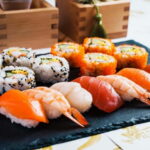
Tsukiji is a smart place to begin if food is high on your list. The Outer Market is a maze of small food shops, counters, and stalls, with plenty to browse even though the wholesale fish market moved to Toyosu in 2018. You can use this stop for a guided walk, photos, shopping, or a quick snack.
Allow about 30 minutes for the market in the standard plan. That is enough for an introduction, but it is not a long food tour. If you want to eat several things, shop slowly, or ask for detailed food advice, tell your host in advance and consider giving Tsukiji more time.
This is where a local guide can add real value. The market offers many choices, and a short visit can feel rushed if you do not know where to begin. Abu has provided eating suggestions here, making this a useful stop for anyone who wants help choosing Japanese foods rather than simply photographing the stalls.
A short walk brings you to Tsukiji Hongan-ji, an unusual Buddhist temple with a striking exterior. The visit is brief, around 15 minutes, but it gives the morning a cultural counterpoint to the market. You move from food, commerce, and narrow shop lanes to a place of worship and quiet observation.
Ginza and Kabuki-za
From Tsukiji, the route can continue on foot toward Ginza. Kabuki-za is passed along the way, and the Ginza stop allows time for photos, sightseeing, and shopping.
Ginza is Tokyo’s polished, expensive side. It is best for architecture, department stores, luxury brands, gourmet food, and sleek cafes. You do not need to buy anything to enjoy a walk here, but you should know what kind of district it is. This is not the place for the cheapest meal or the most old-fashioned street scene.
The Kabuki-za Theatre is a useful landmark even if you do not attend a performance. A full kabuki show would require separate planning and a ticket, and no attraction admissions are included in the tour price. If traditional theatre interests you, ask your host what might fit your schedule, but do not count on a performance during a short visit.
Asakusa, Nakamise, and Senso-ji
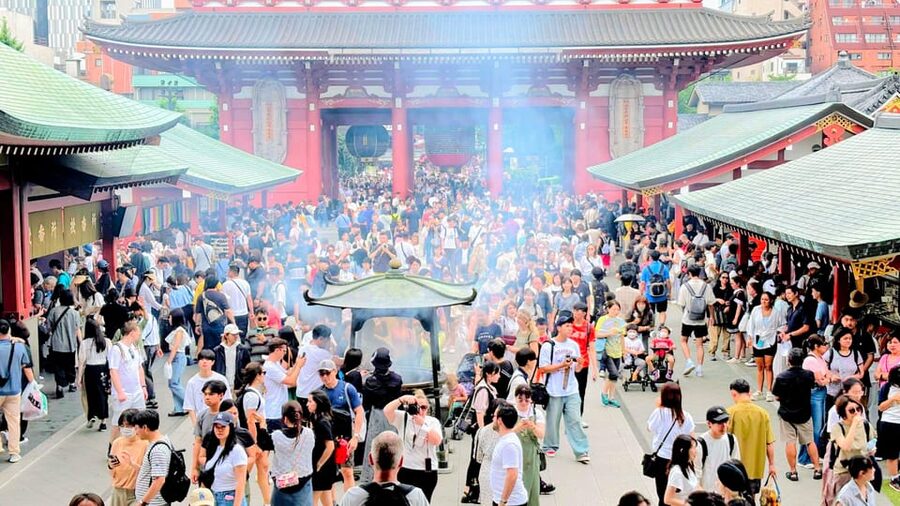
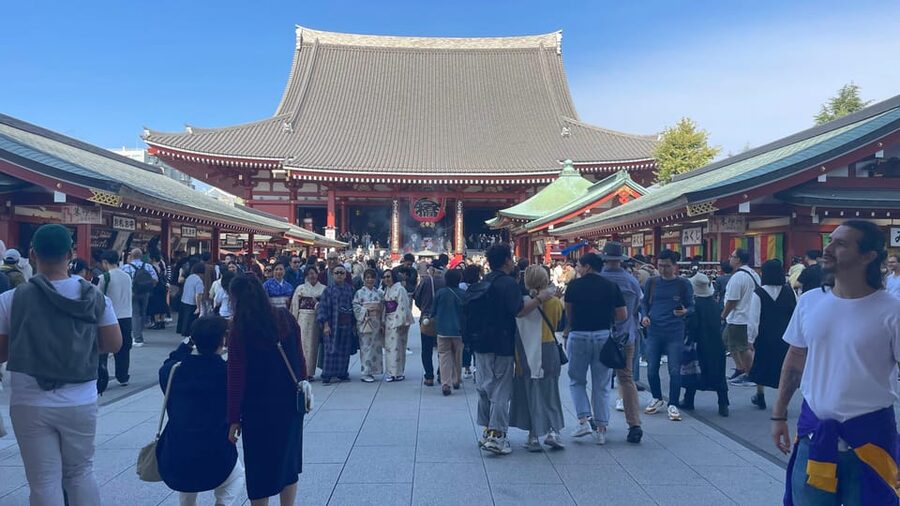
Asakusa gives you one of the clearest looks at Tokyo’s older downtown character. Nakamise Shopping Street leads toward Senso-ji, with souvenir shops, traditional snacks, and small stalls lining the approach to the temple.
You can expect about 20 minutes on Nakamise and around 30 minutes at Senso-ji, including free time and photos. The temple is Tokyo’s oldest and most important Buddhist temple, and the enormous Kaminarimon Gate makes an instantly recognizable first impression.
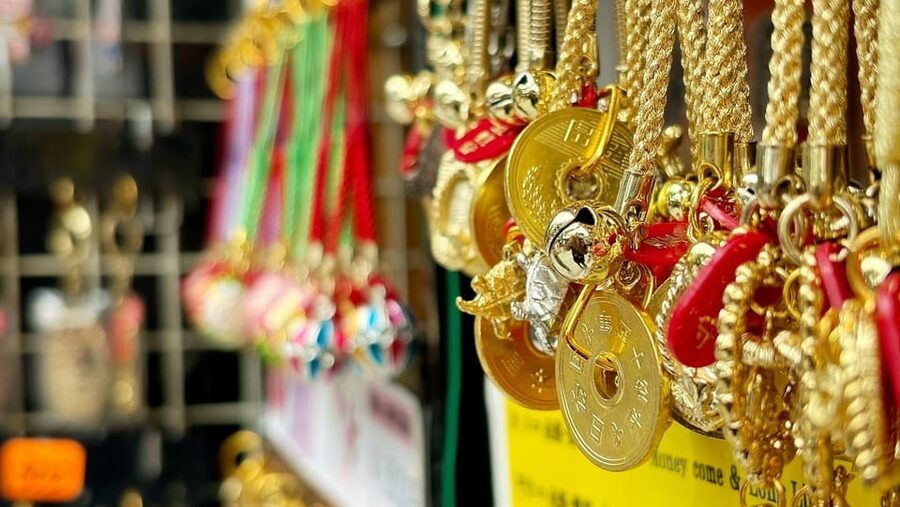
The best part of having a guide here is learning how to read the place respectfully. Your host can explain the setting, point out useful shops, and help you understand the difference between sightseeing and religious practice. One visit included shop suggestions near Senso-ji, which is the kind of practical detail that can save you from wandering through rows of nearly identical souvenirs.
Asakusa is also a good choice for visitors who want a gentler pace. You can stop for a snack, take photos, or sit down for a break. The drawback is crowding around the main temple approach, especially at popular times. If you prefer quieter lanes, ask to add Yanaka or another old neighborhood instead.
Tokyo Skytree, Akihabara, and Ueno
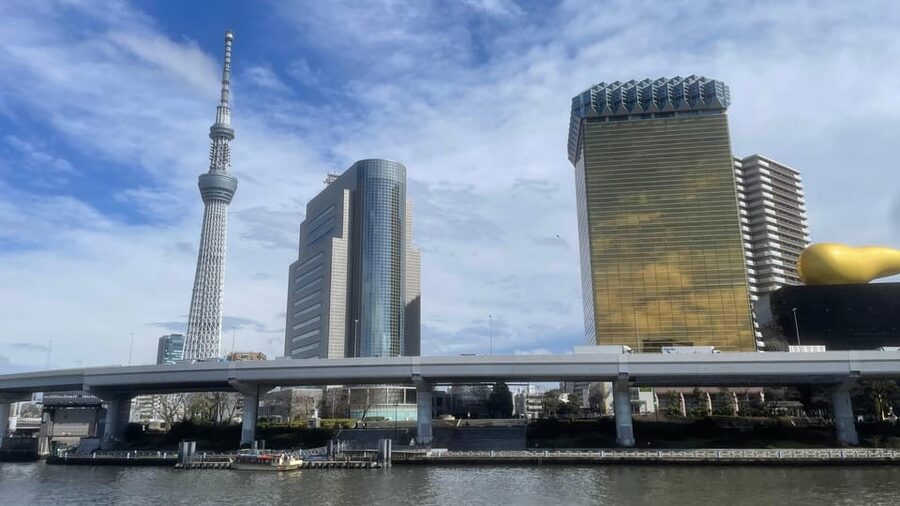
The longer route can include Tokyo Skytree, Akihabara, and Ueno, but these stops need careful time planning. Tokyo Skytree alone may receive up to two and a half hours in the extended schedule, which makes it difficult to combine with many other districts in a genuine four-hour tour.
Skytree is useful if you want a major city view, modern Tokyo architecture, or time in the shopping complex below the tower. Admission is not included, so you will pay separately if you go up. If your priority is simply seeing the tower from outside, the stop can be much shorter.
Akihabara suits fans of manga, anime, games, electronics, and Japanese pop culture. The planned visit allows roughly 30 minutes, enough to get a taste of the district but not enough for a serious shopping session. If you have a specific store or collectible in mind, tell your host before the tour so the route can be focused.
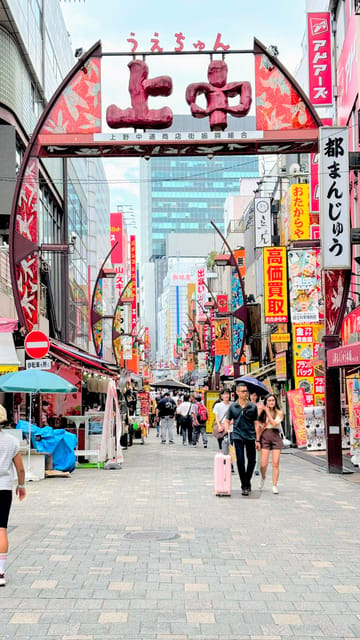
Ueno offers a different mix, with shopping, sightseeing, and cultural stops. The provided plan allows about 20 minutes, which is brief for the area. You might find this useful as an orientation, but a museum visit or a longer park visit would need extra time and likely a separate ticket.
These three areas are all worthwhile, but trying to cover them along with Tsukiji, Ginza, Asakusa, Shibuya, and Shinjuku would be too much for a relaxed half-day. The private format helps, but it does not remove Tokyo’s travel time.
A few more Tokyo tours and experiences worth a look

Shibuya Crossing and the Hachiko area
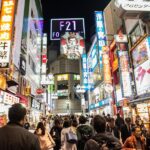
Shibuya is the modern counterpoint to Asakusa. At the famous crossing, waves of people move in every direction while giant screens and department stores surround the intersection. It is a quick, unmistakable Tokyo moment, and the tour allows about 30 minutes for photos, walking, and free time.
Nearby, the Hachiko Statue honors the dog who waited for his owner each day. It is a small memorial in a very busy district, but it gives the area a human story amid all the noise and advertising.
Shibuya works well for visitors interested in fashion, entertainment, restaurants, and nightlife. It is less useful if you want a slow cultural visit, since the main crossing area can feel crowded and commercial. I would pair it with Meiji Shrine or Harajuku if you want a stronger balance between city energy and quiet spaces.
Harajuku and Meiji Shrine
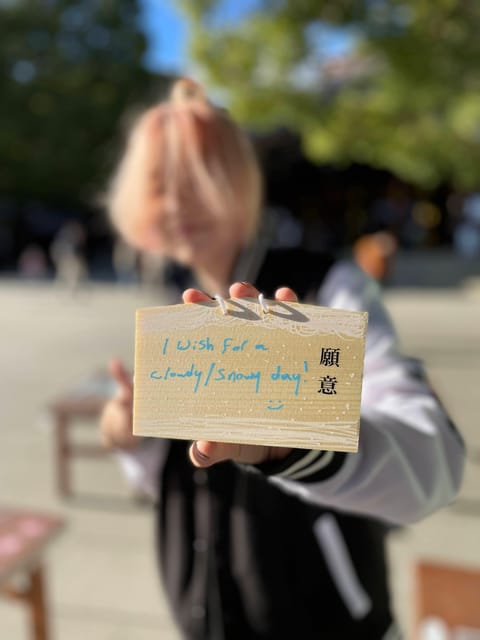
Harajuku offers two sharply different experiences within a short distance. Takeshita Street is known for youth fashion, unusual cafes, and small boutiques. The street is compact and lively, but its narrow scale means it can become hard to move through at busy times.
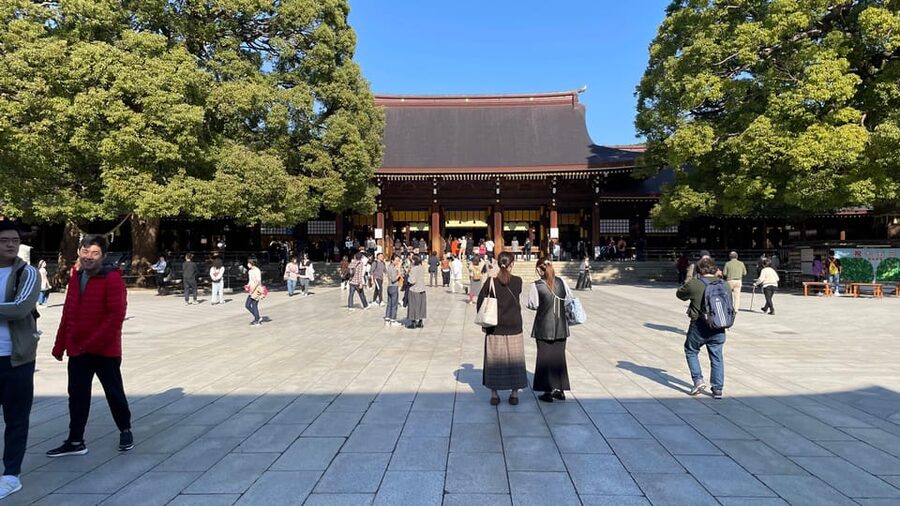
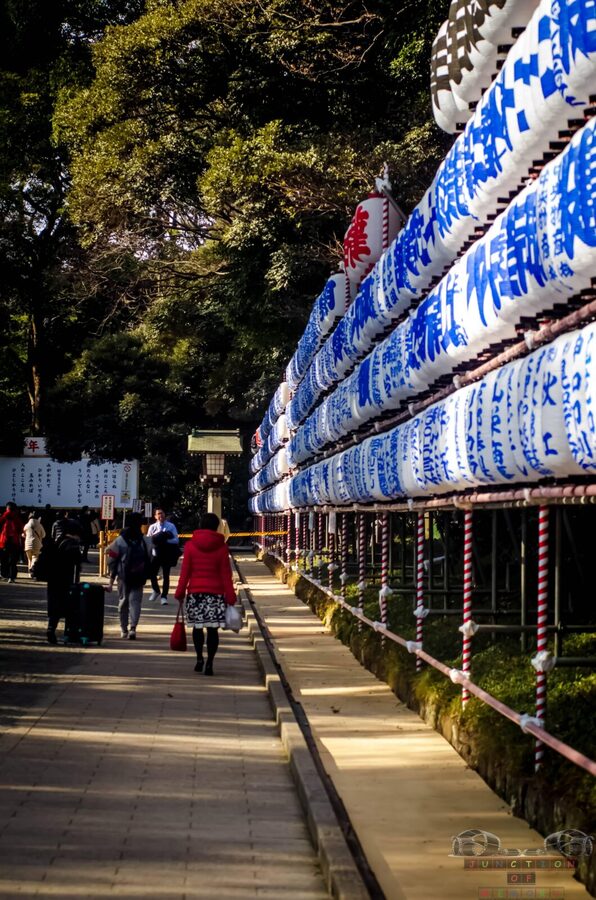
Meiji Shrine provides the contrast. Set within a large wooded area, it feels calm after the shops and crowds of Harajuku. The visit is valuable even if you are not deeply interested in religion because it shows how Tokyo protects quiet ceremonial spaces inside a huge modern city.
The tour description presents Harajuku as one possible area rather than a guaranteed stop on every route. Make your interests clear when booking. If you want fashion and street culture, give Harajuku a proper place in the plan. If you want the shrine, tell your host not to treat it as a quick photo stop.
Yanaka, Nakano, and Kichijoji for a quieter day
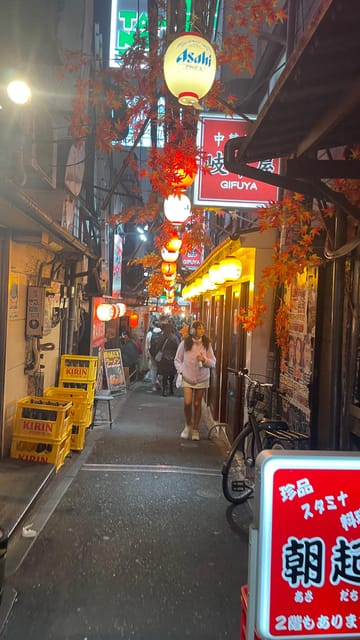
Yanaka is one of the best choices if you want a slower look at old Tokyo. Narrow lanes, local temples, and Yanaka Ginza shopping street provide a more residential feel than the main tourist centers. You can browse small shops, try street food, and walk without the sense that every corner is built around a landmark.
Nakano is the choice for pop culture with a local shopping-street feel. Nakano Broadway is packed with manga, anime, collectibles, and related stores. You will want extra time if you plan to browse seriously, so a brief stop is better for orientation than buying.
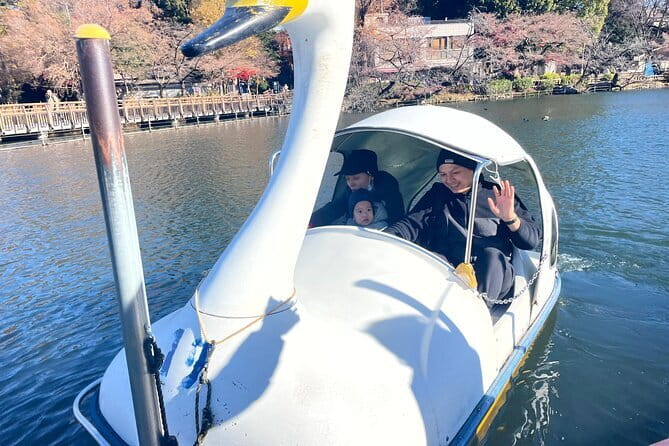
Kichijoji offers a relaxed afternoon around Inokashira Park. The park has a boating lake, and nearby streets include cafes, vintage shops, and food markets. This is a fine pick if you want a break from major sightseeing and prefer a neighborhood with a laid-back feel.
These districts show why customization matters. A family interested in food may choose Tsukiji and Asakusa. A pop-culture fan may prefer Nakano and Akihabara. Someone returning to Tokyo may get more from Yanaka and Kichijoji than from another pass through Shibuya.
Shinjuku after dark: Omoide Yokocho, Kabukicho, and Golden Gai
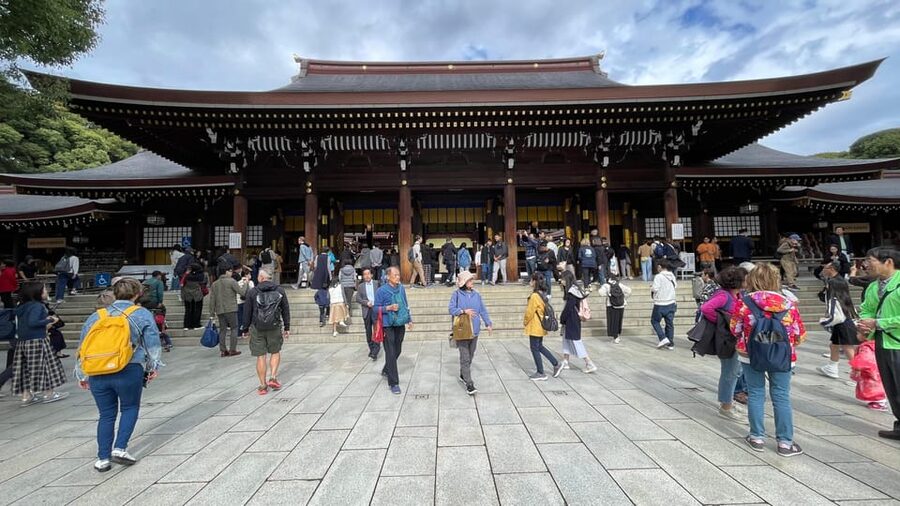
The Shinjuku portion can include Omoide Yokocho, Kabukicho, and Golden Gai. These are close enough to connect on foot, but they offer different views of Tokyo nightlife.
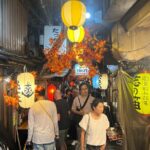
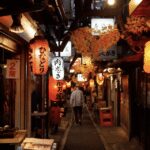
Omoide Yokocho is a narrow lane area known for small eateries and an old-fashioned drinking-street atmosphere. A 20-minute stop is enough to see the setting and decide if you want to return for food later. Any meal or drink costs extra.
Kabukicho is Shinjuku’s famous entertainment district. You can walk through with a guide, take photos, and get a basic sense of the area. The planned 30-minute visit is a quick look, not a full night out.
Golden Gai is made up of tiny bars and narrow lanes. The stop is around 20 minutes, so you may see the area without settling into a bar. If you plan to drink, check costs and any entry rules at the venue. The guide can help you understand the area, but admission, food, and drinks are not part of the tour.
This evening route is best for adults interested in Tokyo nightlife and urban atmosphere. It is not the strongest fit for someone seeking temples, parks, or museums.
Time, transport, and the real cost
The advertised price is $116 per person. For a private experience with an English-speaking host, that can be good value if you want personal advice, a flexible route, and help making sense of Tokyo’s districts. The value drops if you only want a few landmarks that are easy to reach on your own.
You are responsible for subway and other transportation costs during the tour. That matters because the possible route crosses much of Tokyo. You also pay separately for food, drinks, tower admission, and any other attraction tickets.
The duration is given as four to eight hours. A four-hour visit should focus on two or three areas, with limited time at each. A longer booking makes more sense if you want to combine Tsukiji, Asakusa, Shibuya, and Shinjuku, or if you want time for Skytree, shopping, and meals.
Ask for a clear plan before you start. The long list of possible stops includes far more than any sensible half-day can cover. A good private tour is not about collecting the largest number of neighborhoods. It is about choosing a few places and giving them enough time to mean something.
The tour is offered as a private group and is wheelchair accessible. Free cancellation is available up to 24 hours before the start, and you can reserve now and pay later, which helps if your Tokyo schedule is still changing.
Who should book this experience?
I would recommend it most strongly to first-time visitors with limited time, families who need a flexible pace, and people who want help choosing food and neighborhoods. It also suits anyone who feels uneasy about navigating Tokyo’s subway system or wants a local person to shape the rest of the trip.
It is less suitable if you prefer a fixed museum tour, a dedicated food crawl, or a low-cost group walk. One positive assessment also noted that the price felt high compared with other food experiences. That is a fair comparison: this is a private city orientation, not an all-inclusive tasting tour.
For the best result, arrive with two or three priorities. Tell your host if you care most about temples, food, shopping, architecture, anime, photography, or nightlife. If you do, the private format can turn a broad Tokyo checklist into a useful, personal day.
Should you book the Tokyo private tour?
Book it if you want a flexible guide, personal restaurant and shopping advice, and a chance to connect several Tokyo districts without handling every detail yourself. Abu, Maruf, and Ayoub have each brought different strengths, from food suggestions to photos and custom neighborhood walks.
Skip it if you want every cost included or if you are comfortable planning your own subway routes. At $116 per person plus transit, meals, and tickets, the price makes most sense when you use the guide’s local advice and keep the route focused. Choose two or three areas, leave room for breaks, and you should get much more from the experience than by trying to see all of Tokyo in one sweep.
FAQ
How long does the private Tokyo tour last?
The experience can last from four to eight hours. Check the available starting times and choose the duration that matches the number of neighborhoods you want to visit.
What areas can I visit?
Possible areas include Tsukiji, Asakusa, Shibuya, Harajuku, Ginza, Ueno, Yanaka, Nakano, Kichijoji, Akihabara, Tokyo Skytree, and Shinjuku.
Is the tour private?
Yes. It is offered for a private group, allowing the host to adjust the route and pace around your interests.
Is the guide English-speaking?
Yes. The live tour guide speaks English.
Which guides may lead the tour?
Guides named in the experience information include Abu, Maruf, and Ayoub. The assigned host depends on availability.
Are transportation costs included?
No. You are responsible for subway and other transportation costs during the tour.
Are food and drinks included?
No. Additional food and drinks are paid for separately.
Are attraction tickets included?
No. Entrance fees for attractions or activities are not included in the price.
Is the tour wheelchair accessible?
Yes. The experience is listed as wheelchair accessible.
Can I cancel for a full refund?
Yes. You can cancel up to 24 hours in advance for a full refund. You can also reserve now and pay later.
More Asakusa Tours in Tokyo

More Shibuya Tours in Tokyo
More Shinjuku Tours in Tokyo

More tours in Tokyo we've reviewed












Tsukiji Market Tours, compared.
 ★ 5.0Tokyo Tsukiji Fish Market Food and Culture Walking TourFrom $99
 ★ 5.0Tokyo: Tsukiji Fish Market Food and Walking tourFrom $30
 ★ 4.9Tokyo: Tsukiji Fish Market Guided Walking TourFrom $222 hours
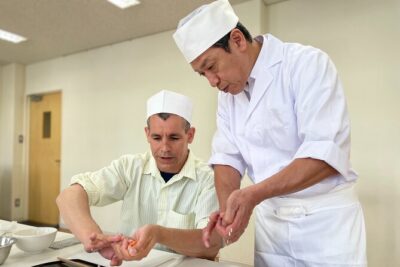 ★ 5.0Tokyo Sushi Making Class in Tsukiji with Professional ChefFrom $49
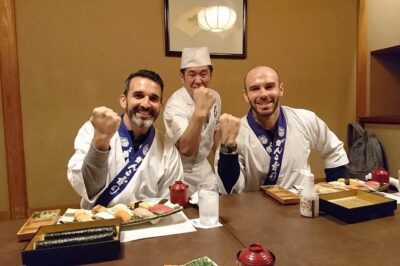 ★ 5.0Tsukiji Fish Market Guided Tour and Sushi Making with Pro ChefFrom $104
★ 4.7Tokyo: Tsukiji Fish Market Food and Culture Walking TourFrom $963 hours
★ 5.0Tsukiji Fish Market Guided Tour and Sushi Making with Pro ChefFrom $104
★ 4.7Tokyo: Tsukiji Fish Market Food and Culture Walking TourFrom $963 hours