Reviewed · ASAKUSA TOURS
Asakusa’s Historic Treasures
Asakusa’s past is not kept behind glass. On this four-hour afternoon tour, you move from temples and shrines to a festival-themed food hall, then sit down to sing karaoke and cook monja. Guide Miley connects the pieces with local history and personal knowledge of both Asakusa and Akihabara.
In This Article
- Key points to know before booking
- Asakusa told through dates, places, and changing customs
- Starting at Burger King Asakusa Azumabashi
- Asakusa Yokocho and the festival mood
- Temples, shrines, and buildings that survived the war
- Karaoke with a free drink bar
- Cooking monja, Asakusa’s distinctive comfort food
- Finishing near Ninja House
- Is $164.72 a fair price?
- Who will enjoy this Asakusa afternoon?
- Final booking advice
- FAQ
- How long does the Asakusa tour last?
- What time does the tour start?
- Where does the tour meet?
- What activities are included?
- How large is the group?
- Can I cancel for a full refund?
I like the small group of no more than nine, which gives the walking and food stops a friendly feel. I also like the mix of old and new: surviving buildings and religious sites come first, while karaoke and monja show how Asakusa is enjoyed today. The main drawback is the price, $164.72 per person, which is high for a four-hour outing if you mainly want sightseeing.
Key points to know before booking
- A history-led walk from 628 to 2012: The tour presents Asakusa in chronological order, helping you see how the district changed over time.
- A lively three-part activity mix: You visit Asakusa Yokocho, sing karaoke with a free drink bar, and prepare monja with one drink included.
- Miley leads the experience: She is praised for keeping the mood upbeat while explaining local customs, temples, shrines, and area history.
- A maximum of nine people: The small group suits visitors who prefer conversation and hands-on participation over a large guided walk.
- A 2 p.m. start: The schedule leaves your morning free, but the tour runs into the evening.
- Optional continuation at Ninja House: The formal tour ends near Ninja House, where you can choose to stay for a drink with the guide.
Asakusa told through dates, places, and changing customs

Many tours show you Senso-ji and send you on your way. This one takes a broader view of Asakusa. Its theme is time travel, moving through the district’s story from 628 to 2012 and asking you to notice how temples, shrines, buildings, food, and entertainment fit together.
That approach matters because Asakusa can feel like several neighborhoods in one. A quiet religious site may be a short walk from crowded shopping lanes. Old buildings sit near modern restaurants. A tourist-friendly festival space can lead into a very Japanese evening of karaoke and monja cooking.
Miley is the key to making those contrasts useful rather than confusing. She has worked in both Asakusa and Akihabara, so she can place the area within the wider character of Tokyo. The supplied information does not promise a long list of named monuments, and you should not book this expecting a museum-style lecture. Instead, expect an accessible walk with historical context, local customs, and plenty of interaction.
The historical portion focuses on temples and shrines, including buildings that survived the war. The dates provided, 1649 to 1945, frame a period of construction, change, and wartime survival. You will get more from this section if you pause to notice what has endured, what has been rebuilt, and how religious sites differ from one another.
A few more Tokyo tours and experiences worth a look

Starting at Burger King Asakusa Azumabashi
The meeting point is Burger King Asakusa Azumabashi, at Cross Bil Royal Palace, 2-chome-20-6 Kaminarimon, Taito City. The tour begins at 2 p.m., and the location is near public transportation.
Give yourself enough time to reach the meeting point. Tokyo addresses can be difficult to read quickly, especially when a place name such as Asakusa Azumabashi is paired with a building address. A mobile ticket is provided, so keep the booking confirmation easy to open on your phone.
The afternoon start is practical for a day when you want a relaxed morning. You could use the earlier hours for another part of Tokyo, then meet the group in Asakusa. The tradeoff is that the experience is not a short morning introduction. With four hours of walking, food, and karaoke, plan for an afternoon and early evening commitment.
The group limit is nine people. That is small enough for the guide to speak with individuals, explain how to make monja, and keep the karaoke session from feeling like a private party with strangers packed into a room. It also means the experience may feel more social than a standard sightseeing walk.
Asakusa Yokocho and the festival mood

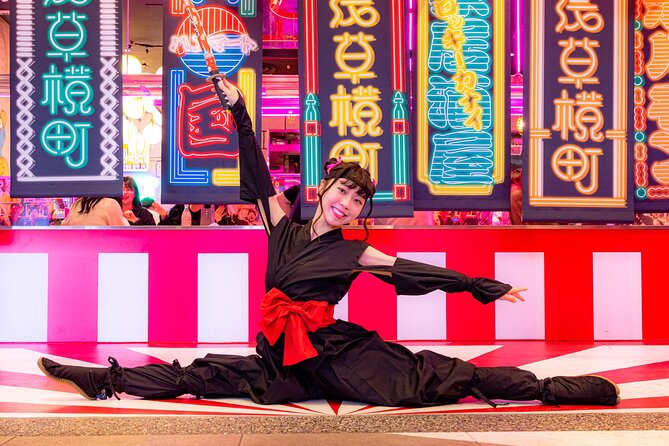
The first listed stop is Asakusa Yokocho, a photogenic theme park-style space built around Japanese festivals. You have about 20 minutes there, with admission included.
This is not presented as an ancient religious site. Its value is visual and playful. You can take photos among festival-inspired settings before moving into the more serious historical side of Asakusa. It gives the tour a quick change of pace and helps explain one reason the district works so well for visitors: old customs are often presented alongside modern entertainment.
The short time here is useful. You get the atmosphere without giving up most of the afternoon to staged photo spots. Still, keep your expectations in check. If you prefer quiet streets and unpolished local scenes, this may feel more commercial than the temples and shrines that follow.
I would treat Asakusa Yokocho as a warm-up rather than the main event. Bring your phone ready for photos, but do not assume this stop provides a detailed cultural demonstration. Its purpose is to add color and energy before the tour settles into history, food, and singing.
Temples, shrines, and buildings that survived the war

The walking section is the tour’s anchor. You visit temples and shrines to understand their differences, while also looking at buildings that made it through the war.
That distinction is valuable. First-time visitors sometimes group every Japanese religious building together, but temples and shrines serve different traditions and have different visual cues. A guide can point out those differences as you move through the area, giving you a better basis for exploring other parts of Japan later.
The tour frames Asakusa in chronological order. The date range from 628 to 2012 suggests a long view, from the district’s early origins through modern redevelopment. The supplied details do not give a fixed list of every site or the precise walking route, so you should expect the guide to shape the explanation around the conditions and pace of the day.
Miley’s role is especially important here. Her appeal is not only energy. She is also credited with explaining history and customs in a way that stays fun, even in poor weather. That combination suits visitors who find formal lectures dry but still want more than a quick photo at a gate.
The walk may be less comfortable in rain, since the experience requires good weather and can be canceled if conditions are poor. Wear shoes suited to walking and carry only what you want to manage during the food and karaoke stops. The tour is four hours, so comfort will affect your enjoyment more than a carefully planned outfit.
Karaoke with a free drink bar

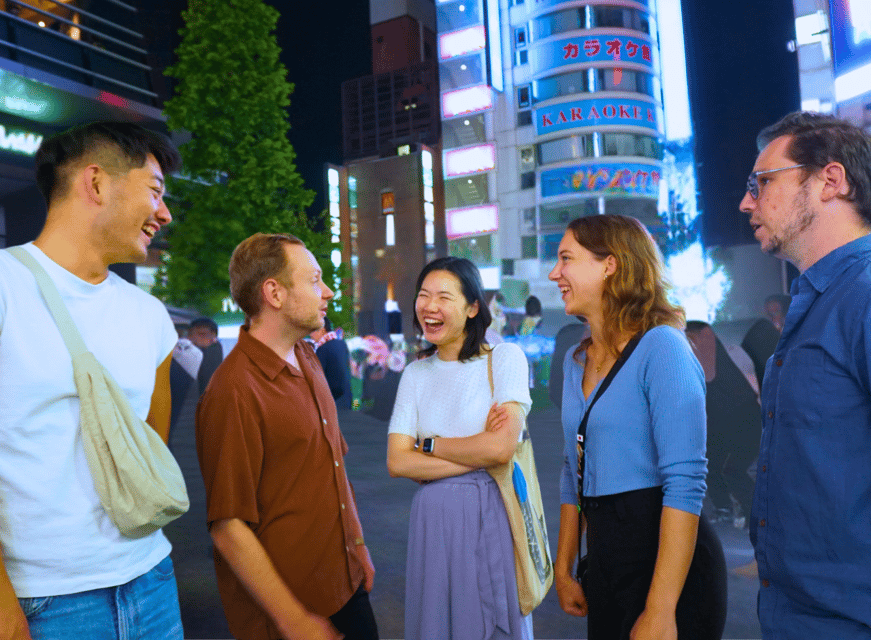
The karaoke session lasts about one hour. Japan is widely associated with karaoke, and the tour uses it as a hands-on cultural stop rather than a quick explanation. A free drink bar is included.
You do not need to be a serious singer to understand why this works. Karaoke in Japan is often a social activity, and a guided session gives you a simple way to join in without having to work out the system alone. The small group also helps. With up to nine people, the room should have a more cooperative feel than a large organized event.
The free drink bar adds value, though it should not be mistaken for an unlimited meal or a major inclusion. The details do not specify the drink selection, so check with the provider if you have dietary or beverage concerns.
This stop is also where Miley’s personality matters most. The experience is repeatedly praised for being upbeat and interactive, and her ability to keep the energy high is a central part of the tour. If you want a quiet, private sightseeing experience, an hour of group karaoke may not suit you. If you like meeting people and trying something you might not book alone, this is one of the strongest reasons to choose the tour.
Karaoke also breaks up the walking. After the temples and shrines, you get a seated activity with a clear social focus. That balance helps explain why the experience feels more like an evening with a local host than a standard four-hour historical tour.
Other historical tours in Tokyo

Cooking monja, Asakusa’s distinctive comfort food

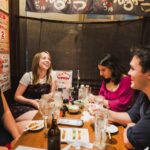
The final major activity is a monja meal. Monja is described as a food born in Asakusa, and Miley teaches you how to prepare it. One drink is included with the meal.
Monja has a soft, loose texture that can surprise first-time diners. The tour’s own description uses blunt humor about its appearance, which is useful preparation: this is not a polished dish designed only for photographs. It is casual, interactive food, and its appeal comes from the taste and the shared cooking process.
This is more valuable than simply being handed a plate. You learn how the dish is made, take part in the preparation, and get a food memory tied to Asakusa. For many visitors, that kind of meal says more about a neighborhood than another stop at a familiar restaurant chain.
The food portion lasts about one hour. One drink is included, but the information does not specify the exact menu, portion size, or options for allergies and dietary restrictions. If you avoid certain ingredients, ask before booking or contact Smiley Walk in advance. Do not assume that a dish prepared on a shared cooking surface will meet a strict dietary need.
Monja is also a good fit for curious eaters who enjoy regional specialties. It may be a poor match if you want a refined multi-course meal or dislike cooking at the table. The experience is intentionally casual and participatory.
Finishing near Ninja House

The scheduled ending point is 2-chome-4-3 Asakusa, near Ninja House. The formal tour finishes there, but you can choose to continue your evening with a drink at Ninja House and Miley.
This optional add-on is useful if you enjoy the guide and want to keep talking. It also means the four-hour estimate is not necessarily the end of your night. Since the drink at Ninja House is described as an option, treat it as an extra choice rather than part of the $164.72 package.
The end point is in Asakusa, so you can continue exploring on your own afterward. The tour does not promise transport back to your hotel, and none is needed for the stated itinerary. Plan your evening around the Asakusa ending rather than expecting a return transfer.
Is $164.72 a fair price?

At $164.72 per person, this is an expensive four-hour experience. You are not paying only for entry to a temple or a meal. The price covers a guide-led historical walk, a festival-themed stop, an hour of karaoke with a free drink bar, and a monja meal with one drink.
That package can make sense if you value a host who keeps the day moving and want several activities arranged for you. The small group limit also adds something that a cheap self-guided walk cannot provide. Miley’s history explanations, humor, and hands-on help with monja are central to the value.
The price is harder to justify if you mainly want to see Asakusa’s religious sites. You can explore the district independently for far less, then choose your own restaurant and karaoke venue. This tour earns its higher cost through convenience, company, and the unusual combination of activities.
I would book it for a first or repeat visit when you want a social evening with structure. I would skip it if you prefer to set your own pace, already know Asakusa well, or do not care for karaoke and interactive dining.
Who will enjoy this Asakusa afternoon?
This tour is a strong fit for you if:
- You want history explained in plain language rather than read from signs.
- You enjoy switching between sightseeing, food, and entertainment.
- You are willing to sing karaoke with a small group.
- You want to try monja and learn how to prepare it.
- You like a guide with a lively, personal style.
- You are traveling with friends, a couple, or as a solo visitor who enjoys meeting people.
It is less suited to you if you need a quiet itinerary, want a strict architectural tour, or prefer a long meal with plenty of menu choice. The walk and activities also make good weather important. If the provider cancels because of poor weather or because the minimum group size is not met, you can choose another date or experience, or receive a full refund.
Miley has also led tours in Akihabara, and the information provided indicates that she knows both districts well. That makes this experience a good choice if you want a guide who can explain Asakusa as part of Tokyo’s wider patchwork of neighborhood identities.
Final booking advice
Book Asakusa’s Historic Treasures if you want more than temple photos. Its best feature is the blend of dates, religious sites, karaoke, and monja. You get a look at old Asakusa, then a direct taste of how people enjoy the district now.
The deciding factor is not the sightseeing alone. It is your willingness to join the group, sing a little, cook your meal, and let Miley set the pace. At $164.72, that social, hosted format needs to be what you want. If it is, the small group and unusual activity mix make the cost easier to understand. If not, explore Asakusa independently and spend your budget on the specific temples, food, or entertainment that interest you most.
FAQ
How long does the Asakusa tour last?
The experience lasts approximately four hours.
What time does the tour start?
The tour starts at 2 p.m.
Where does the tour meet?
You meet at Burger King Asakusa Azumabashi, Cross Bil Royal Palace, 2-chome-20-6 Kaminarimon, Taito City, Tokyo 111-0034, Japan.
What activities are included?
The tour includes a visit to Asakusa Yokocho, a one-hour karaoke experience with a free drink bar, and a one-hour monja experience with one drink included.
How large is the group?
The experience has a maximum of nine travelers.
Can I cancel for a full refund?
Yes. You must cancel at least 24 hours before the local start time for a full refund. Cancellations or changes made less than 24 hours before the start are not accepted for a refund.
More Historical Tours in Tokyo
More Asakusa Tours in Tokyo
More tours in Tokyo we've reviewed












Asakusa Tours, compared.
 ★ 4.8Tokyo: Japanese Dance Cabaret Theater Asakusa-Kaguwa TicketFrom $492 hours
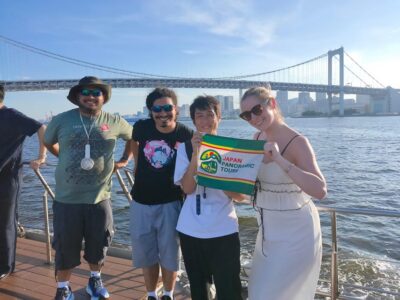 ★ 4.7Tokyo: Meiji Shrine, Asakusa, Skytree Bus Tour and CruiseFrom $12210 hours
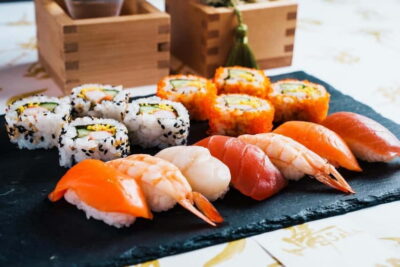 ★ 4.9Tokyo: Roll and Authentic Sushi Making Class in AsakusaFrom $581h 40m
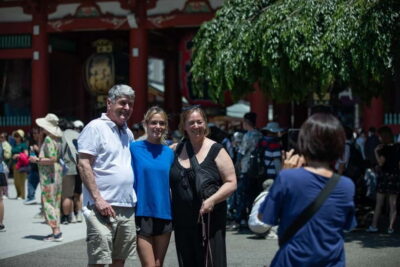 ★ 4.8Tokyo: Asakusa Walking Tour with Sensoji Temple VisitFrom $222 hours
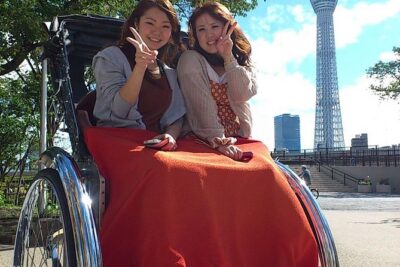 ★ 5.0Tokyo Asakusa Rickshaw TourFrom $42
 ★ 4.5Tokyo Panoramic 1 Day: Meiji Shrine, Asakusa, Odaiba and SKYTREE®From $85