Reviewed · SAKE TASTING
Unlimited SAKE Tasting《OVER-THIRTY-BOTTLES》From ALL OVER JAPAN!
More than 30 bottles of sake from across Japan turn this small Tokyo tasting into a serious introduction to the country’s favorite drink. You’ll sample styles from different regions, learn how brewing methods affect flavor, and compare notes with a guide such as Nana or Suemi. I like the rare bottles, the Japanese snacks, and the friendly setting. The main catch is that the actual number tasted can vary, with past sessions ranging from 16 to 32 samples.
In This Article
- Key points at a glance
- Why this tasting is different from ordering sake at dinner
- Meeting at Yoyogi-Uehara Station
- How the two-hour sake session works
- Thirty bottles, forty bottles, or fewer?
- Snacks, brunch bites, and a useful palate break
- The value of the $85.66 price
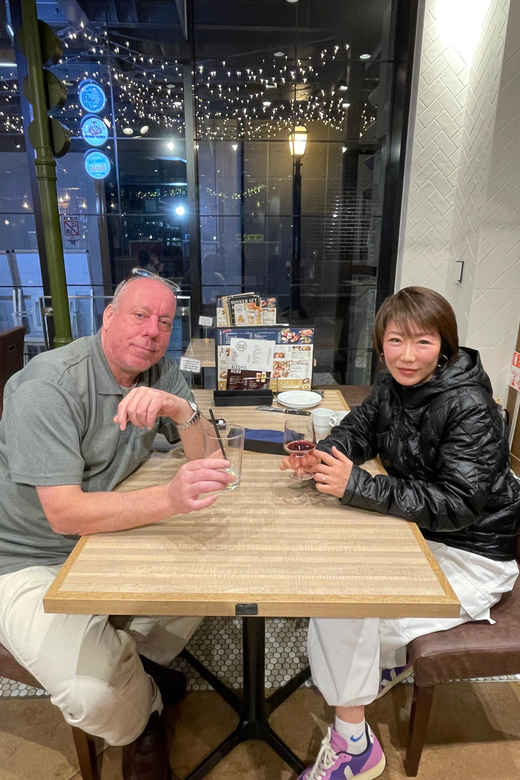
- The small-group setting and guide style
- Who should book this Tokyo experience?
- Booking, weather, and cancellation details
- Should you book the unlimited sake tasting?
- FAQ
- Where does the sake tasting meet?
- How long does the experience last?
- How many types of sake can I taste?
- How many people are in the group?
- Are food and nonalcoholic drinks included?
- Can I cancel for a refund?
I also like the easy location, just 10 seconds from Yoyogi-Uehara Station and roughly 10 minutes from Shinjuku or Shibuya by train. The small group, normally no more than four people, gives the sommelier time to answer questions. At $85.66, it is good value for serious sake fans, though it may feel expensive if you only want one or two casual drinks.
Key points at a glance

- Taste 30 to 40 premium sakes: The selection includes bottles from Japan’s 47 prefectures, including hard-to-find examples.
- Small groups matter: The usual maximum is four people, with an advertised activity capacity of six.
- Guides add the real value: Nana and Suemi explain production, regions, and taste differences in a relaxed way.
- Japanese food comes with the sake: Expect small appetizers, snacks, brunch-style bites, bottled water, and a soft drink chaser.
- Convenient Yoyogi-Uehara setting: The meeting point is beside the station, between the popular Shinjuku and Shibuya areas.
- A flexible tasting pace: Past sessions have included 16, 28, and 32 different sakes, so your final count depends on timing and group pace.
Why this tasting is different from ordering sake at dinner

A restaurant menu may tell you a sake’s name, region, and price. It rarely gives you a useful way to compare ten, twenty, or thirty bottles side by side. This experience is built around comparison, which is the best way to understand how much sake can vary.
You’ll learn about production areas, brewing methods, and flavor differences while tasting. The point is not simply to drink as much as possible. It is to notice how one sake differs from the next, and to find the styles you would actually order again.
The selection focuses on top-class sake, with an emphasis on Junmai and higher grades. That matters because the tasting is not padded with ordinary supermarket bottles. You may encounter rare examples that are difficult to find even in Japan, although availability can change.
The phrase all-you-can-drink needs a little context. The experience provides access to a large collection during the two-hour session, but you should not assume that you will taste every bottle. Some sessions have reached 32 samples, while another included 16 and another 28. Your guide may slow down for questions, food pairings, or a detailed explanation of a bottle.
If you're still narrowing it down, here are other tours in Tokyo we've reviewed.


Meeting at Yoyogi-Uehara Station
The meeting point is Starbucks Coffee at Acorde Yoyogi-Uehara, at 3-8-5 Nishihara in Shibuya, Tokyo. The activity is described as only 10 seconds from Yoyogi-Uehara Station, which makes this one of the easier food-and-drink experiences to fit into a busy Tokyo day.
You can also reach the area in about 10 minutes from Shinjuku or Shibuya. That gives you a useful planning choice: schedule the tasting before dinner, use it as a break from sightseeing, or make it part of an evening around western Tokyo.
The activity returns to the meeting point. No air-conditioned vehicle is included because none is needed. You reach the venue by public transportation and remain there for the session.
I would arrive on time. One person who came late still managed to taste 16 varieties because the guide waited and gave as much time as possible, but arriving late will naturally cut into your tasting. With a short two-hour format and a small group, every minute counts.
How the two-hour sake session works
The supplied details do not set out a rigid minute-by-minute route, and that is probably part of the appeal. This is a seated tasting in one venue rather than a tour through several breweries. You meet the guide, settle in, and begin working through the collection while learning what you are drinking.
The guide explains how sake is made and how production affects the final taste. You’ll hear about production areas and compare different bottles as the tasting progresses. The format allows you to ask questions instead of simply receiving a lecture.
Nana is identified as a guide and sommelier, while Suemi is praised for bringing a warm, energetic feel to the session. The exact guide is not guaranteed, but the activity is clearly designed around a host who can explain the bottles and keep the group involved.
You might taste a clean, light sake beside one with more body or sweetness, then discuss why they differ. The useful lesson is not memorizing labels. It is learning what to look for when you order sake later in your trip or shop for a bottle at home.
The session can also include playful touches. A past description refers to a quiz, which suggests that the atmosphere is not formal or stiff. The tone is closer to a friendly tasting with instruction than to a technical certification class.
Thirty bottles, forty bottles, or fewer?

The headline promises more than 30 bottles, and the included description advertises 30 to 40 types from around Japan. That is the upper end of the experience, not a guaranteed count for every person.
The recorded tasting totals range from 16 to 32. This difference may reflect late arrival, group pace, the amount of explanation, and how long each person spends with a bottle. If you want to taste as widely as possible, arrive early and keep your questions moving along without rushing the group.
The selection is said to draw from all 47 prefectures. That gives the tasting a broad national frame, since sake-making traditions and available rice differ by region. Still, you should read this as a large national selection rather than a promise that you will personally drink one bottle from every prefecture in two hours.
The quality claim is stronger than the quantity claim. One session included 32 sakes described as Junmai and above, meaning the emphasis was on premium bottles rather than filler. For someone already interested in sake, that is a major reason to book.
For a first-time drinker, the volume can be both exciting and tiring. You do not need to force yourself to taste every pour. Small samples and a water chaser let you focus on differences rather than simply keeping up.
Snacks, brunch bites, and a useful palate break

Food is included, and it is more than an afterthought. The experience provides unique Japanese snacks chosen to match sake, along with small Japanese appetizers described as brunch. Bottled water and a free soft drink are also included as chasers.
These bites matter because sake can blur together when you taste too many styles without food. A salty or savory snack can reset your palate and give you a better sense of how a bottle works with Japanese food.
Do not book this expecting a full restaurant meal. The food is there to support the tasting, not replace lunch or dinner. If you have a large appetite, plan another meal before or after the session.
The food also gives you a practical lesson. Sake is not only a drink to sip by itself. It is closely tied to Japanese dining, and matching it with small bites helps explain why a bottle that seems ordinary alone may work beautifully with food.


The value of the $85.66 price

At $85.66 per person, this is not a cheap drinking stop. It becomes better value when you use the educational side of the experience, the premium selection, food, photos, souvenir, and the access to bottles you might not otherwise find.
Buying 30 or more individual pours in Tokyo would quickly become expensive, especially if the bottles are premium or rare. The price also covers a sommelier-led session in a group of no more than four people, which gives you far more personal attention than a large bar event.
The calculation changes if you are mainly looking for a quick introduction. Someone who does not enjoy alcohol, or who prefers a single well-chosen drink, may find the price high. The experience is designed for curiosity and variety, not for a short toast.
Group discounts are listed as a feature, though the available details do not specify the discount amount. If you are booking with friends, check the final price for your group before paying.
The small-group setting and guide style

The normal maximum is four people, while the wider activity information gives a capacity of six. The operator also says that the tour is often sold out because it aims to keep the group small. I would treat four as the practical expectation and book ahead, especially since the average booking lead time is 47 days.
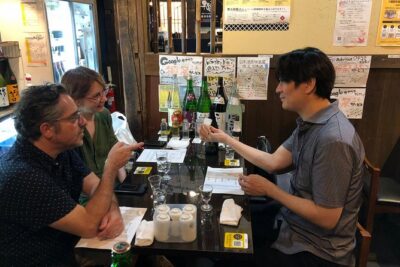
A small group changes the tone. You can ask why one bottle tastes dry, what a label means, or how a region affects production without waiting behind a busload of people. It also makes it easier to share tasting notes and find out what others notice.
The personalities of the guides are part of the experience. Nana handled a late arrival with patience and explained the origins and differences among the samples. Suemi is described as energetic, kind, and personable, with a style that can make the room feel more like a friendly gathering than a class.
That warmth will suit you if you like conversation and informal instruction. If you want a quiet, highly structured lecture with exact tasting notes for every bottle, this may feel loose. The activity places equal weight on learning and having a good time.
Photos during the tour are included, as is a souvenir to help you remember the session. The details of the souvenir are not fixed, so do not book solely for a specific gift. The operator has acknowledged that this part may change.
Who should book this Tokyo experience?

I would recommend it most strongly to:
- Sake beginners who want a clear way to compare styles instead of guessing from a menu.
- Experienced drinkers interested in premium Junmai and rare bottles from different parts of Japan.
- Couples and small groups who prefer conversation and personal attention.
- Food-focused visitors who want to understand sake alongside Japanese snacks and appetizers.
- Shinjuku or Shibuya sightseers looking for an easy two-hour activity close to a major train route.
It is less suitable for anyone avoiding alcohol, anyone needing a full meal, or anyone who dislikes tasting several drinks in a short period. Families can ask about paid babysitting. The team includes licensed babysitters who have worked abroad and in group homes, and the service may allow parents to join the tasting while children take part in traditional Japanese activities. This must be arranged separately.
Most people can participate, and the activity is near public transportation. The supplied information does not give detailed accessibility notes, so contact the operator if you have specific mobility or seating needs.
Booking, weather, and cancellation details
Confirmation is sent when you book, and the ticket is mobile-friendly. Free cancellation is available up to 24 hours before the local start time. Cancellations or changes made inside that window are not accepted for a refund.
The experience requires good weather and a minimum number of participants. If poor weather or low numbers force a cancellation, you will be offered another date or experience, or a full refund. Those terms are worth noting when you build this into a tightly planned Tokyo itinerary.
Should you book the unlimited sake tasting?
Book it if you want to understand sake through comparison, not just drink a glass with dinner. The combination of a central station location, premium bottles, Japanese snacks, a tiny group, and guides such as Nana or Suemi gives you a useful introduction with plenty of personality.
Go in with realistic expectations about the bottle count. The advertised range is 30 to 40, but actual sessions have reached anywhere from 16 to 32. Arrive promptly, drink at your own pace, use the water and soft drink, and focus on finding the flavors you like.
At $85.66, this is a specialist experience rather than a bargain bar crawl. For sake fans and curious first-timers who value instruction, rare bottles, and a relaxed setting, it earns the price. For a casual drink or a full meal, spend your money elsewhere.
FAQ
Where does the sake tasting meet?
The meeting point is Starbucks Coffee at Acorde Yoyogi-Uehara, 3-8-5 Nishihara, Shibuya, Tokyo, 151-0066. It is about 10 seconds from Yoyogi-Uehara Station.
How long does the experience last?
The tasting lasts approximately two hours and ends back at the meeting point.
How many types of sake can I taste?
The experience advertises access to 30 to 40 types from across Japan. Actual tasting totals can vary, with recorded sessions ranging from 16 to 32 varieties.
How many people are in the group?
The activity says it can accommodate up to six people, but the operator aims to hold sessions for no more than four participants. Small groups are a central part of the format.
Are food and nonalcoholic drinks included?
Yes. The experience includes Japanese snacks, small appetizers described as brunch, bottled water, and a free soft drink to use as a chaser. You do not need to pay the guide separately for meals or drinks.
Can I cancel for a refund?
Yes, if you cancel at least 24 hours before the local start time. Cancellations or changes made less than 24 hours before the start are not refundable. If the operator cancels because of weather or insufficient numbers, you can choose another date or experience, or receive a full refund.
More tours in Tokyo we've reviewed












Sake Tasting, compared.
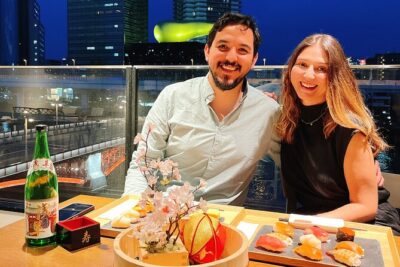 ★ 5.0Ramen and Sushi Cooking Class with Sake Pairing Set in TokyoFrom $79
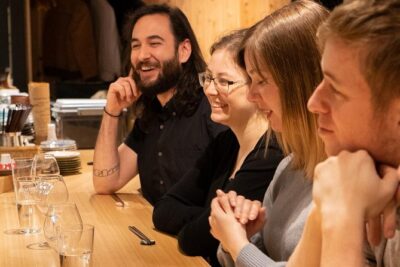 ★ 5.0Sake Tasting Masterclass in Shinjuku (8+ Varieties with a Pro)From $72
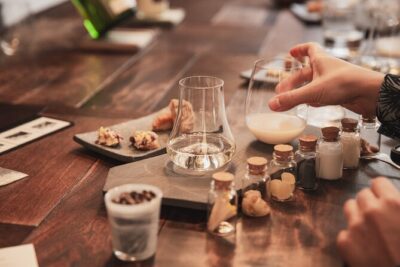 ★ 5.0Sake Omakase in Tokyo: Guided Tasting by Certified SommeliersFrom $79
 ★ 5.0Tasting All Types of Sake with SommelierFrom $62
 ★ 5.0Wagyu & Sake Pairing in Shinjuku – Steak, Shabu-Shabu & MoreFrom $148
 ★ 5.0Tokyo Wagyu & Sake Pairing Tasting Experience with Local FlavorsFrom $151