Reviewed · SHINJUKU TOURS
Tokyo Shinjuku : Private Walking Night Tour with Pachinko
Shinjuku after dark is more than giant signs and crowded crossings. This private walk takes you into Omoide Yokocho, Kabukicho’s side streets, a pachinko hall, and Hanazono Shrine, giving you a closer look at the district’s older and stranger corners.
In This Article
- Key points to know
- Starting at the Lion statue in Shinjuku
- Omoide Yokocho and the small-scale side of Tokyo
- Learning pachinko without guessing at the machines
- Kabukicho beyond the neon signs
- Hanazono Shrine, a quieter pause
- What the private format really adds
- Who will enjoy this Shinjuku walk
- Practical planning for the evening
- Should you book the Shinjuku pachinko tour?
- FAQ
- How long is the Tokyo Shinjuku night tour?
- Where does the tour begin?
- Where does the tour finish?
- Is the tour private?
- Is the guide available in English?
- Is pachinko included in the price?
- Are food and drinks included?
- Can families join the tour?
I like the private format, since your guide can adjust the pace and swap pachinko for another activity if your children cannot take part. I also like the practical introduction to pachinko, a game that is hard to understand when you walk into a hall alone.
The main caution is timing. The activity is sold as 90 minutes, but the detailed route lists enough stops for longer, and one booking ended after about 50 minutes. Confirm the plan and the pachinko portion at the start.
Key points to know
- Omoide Yokocho: Walk narrow lanes lined with small bars and eateries, with food and drinks available at your own cost.
- Private English guide: You receive live interpretation and local explanation for your own group.
- Pachinko lesson: The guide explains the basics and helps you try the game, but your gaming money is separate.
- Kabukicho after dark: See more than the famous neon, including quieter side streets and local businesses.
- Family flexibility: Pachinko may be replaced with another activity when children cannot join.
- Easy meeting point: Meet at the Lion statue on the ground floor outside Shinjuku Station’s East Exit.
Starting at the Lion statue in Shinjuku
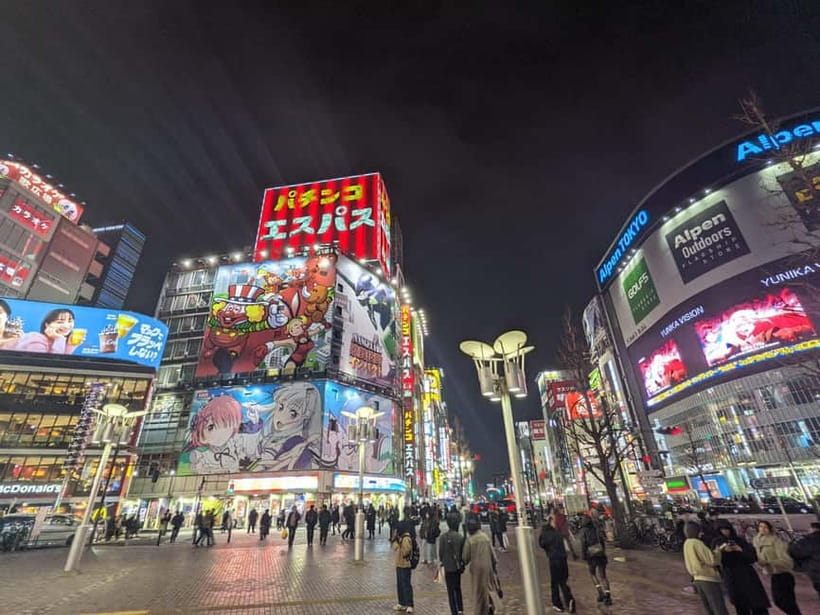
Your meeting point is the ground-floor area at Shinjuku Station’s East Exit, near the Lion statue, described as a pyramid with a lion head. Shinjuku Station is enormous, so allow extra time to reach the correct exit. The tour does not begin at a quiet neighborhood corner. It begins in one of Tokyo’s busiest transport districts.
This is useful if you want help getting your bearings before heading into the side streets. Your guide handles the navigation, translation, and interpretation, so you can spend less time checking your phone and more time watching the neighborhood change around you.
The activity is listed as a 90-minute private tour with an English-speaking guide. Zen is named in several bookings and is praised for friendly conversation, photographs, and adapting the walk to the group. Another guide may lead your tour, so treat Zen as a possibility rather than a guarantee.
A few more Tokyo tours and experiences worth a look
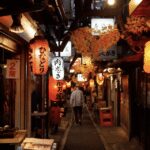
Omoide Yokocho and the small-scale side of Tokyo

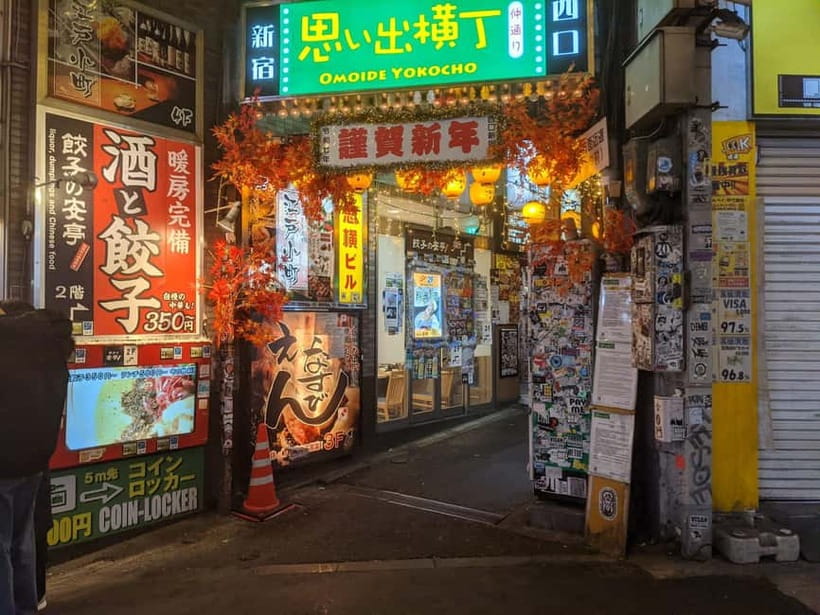
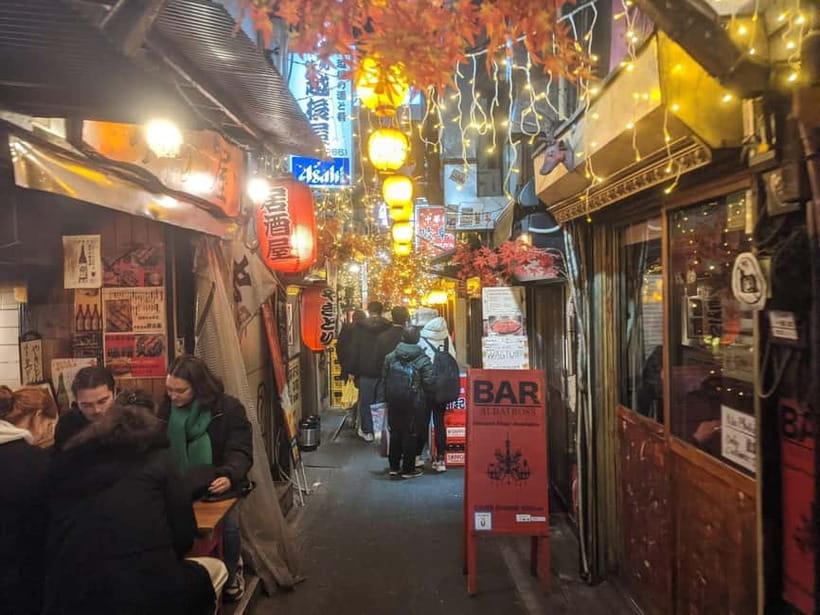
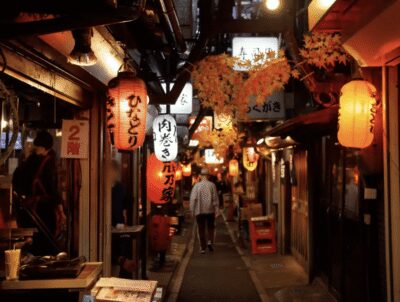
One of the most appealing stops is Omoide Yokocho, also called Memory Lane. Its narrow passages and tiny eating places offer a sharp contrast to the wide roads and tall signs around Shinjuku Station.
The area carries a postwar Tokyo atmosphere, with compact bars and food stalls packed closely together. You can smell grilled food, look into intimate dining rooms, and see how limited space shapes Japanese nightlife. The tour price does not include anything you eat or drink, so you should treat this as a place to look, ask questions, and decide if you want to spend extra.
This stop works best when your guide provides context. A short explanation about the alley’s past and its role in Shinjuku can make the lanes feel more meaningful than a quick photo stop. If you want to eat here, tell your guide early, since a meal can take up much of a 90-minute tour.
Do not expect a long sit-down dinner as part of the experience. The stated focus is walking and sightseeing, with food available separately. That keeps the basic price low, but it means you pay for any snacks or drinks on top.
Learning pachinko without guessing at the machines
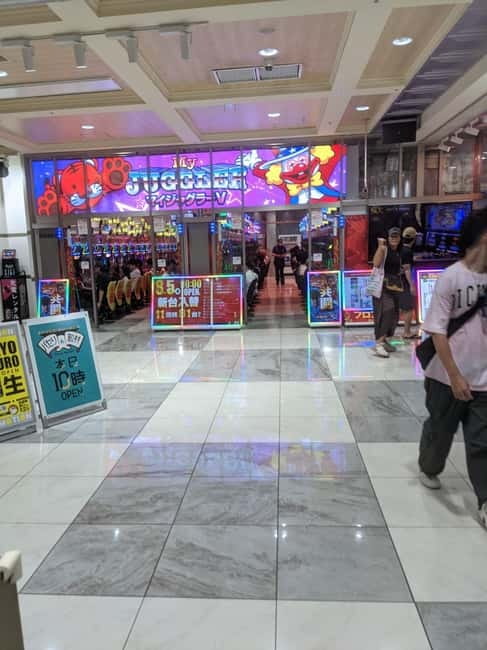
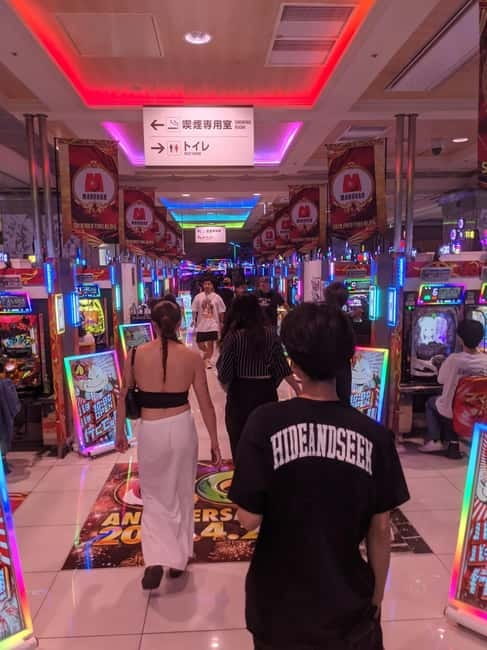
Pachinko is the tour’s unusual feature. For many people, a pachinko hall looks like a wall of flashing machines, metallic noise, and unfamiliar rules. Having someone explain the process can make the visit much less intimidating.
Your guide is meant to show you how the game works and help you try it. The pachinko fee is not included, and the amount you spend depends on your own choice. Set a firm budget before you begin. Any money won or lost is part of your personal gaming session, not part of the tour price.
One booking described winning 32,000 yen, but that is luck, not a normal result or a promise. You should regard pachinko as a cultural stop with a small entertainment budget, not as a way to fund your evening.
There is an important quality check here. One guest found that the guide knew very little about pachinko and ended up watching a basic YouTube explanation during the visit. That is a serious weakness for anyone booking mainly for the game. Ask at the beginning how much time will be spent in the hall and whether your guide can explain the rules directly.
For children, pachinko may not be suitable. One family had the activity changed because their children could not take part, and Zen arranged other options. This flexibility is a strong reason to consider the private version if you are traveling as a family.
Kabukicho beyond the neon signs
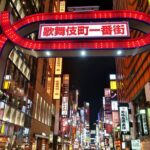
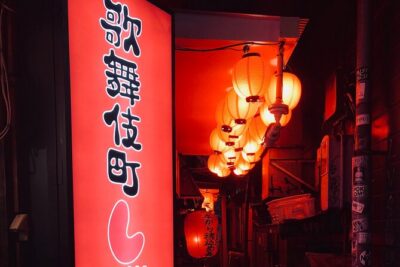
Kabukicho is Shinjuku’s famous entertainment district, but this walk aims to show more than the main signs and broad streets. Your guide takes you through side lanes and points out bars, eateries, and the less polished edges of the area.
At night, Kabukicho can feel intense. A private guide helps you move through it with more confidence and gives you someone to ask when a sign, doorway, or local custom is unclear. The tour is presented as safe and suitable for couples and families, but the district remains an adult entertainment area in parts. Parents should keep that in mind when deciding how much of the route suits their children.
The value here is not simply seeing Kabukicho. It is learning how the district changes from one block to the next. The bright main roads draw attention, while the smaller streets reveal the everyday businesses and narrow spaces that support the nightlife economy.
You might find that the guide spends more time talking than taking you to formal sights. That can be a plus if you want local orientation. It can be a minus if you expect a fixed list of landmarks and a detailed historical lecture at every stop.
Hanazono Shrine, a quieter pause
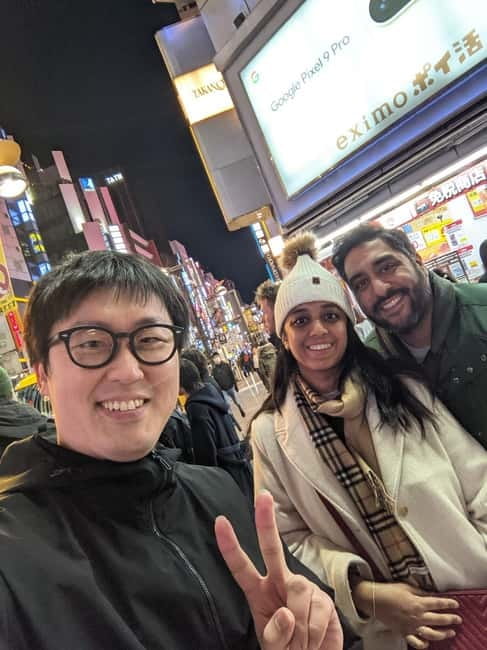
Hanazono Shrine provides a useful change of pace. After the noise of game halls and Kabukicho, the shrine offers a more subdued setting within the same Shinjuku area.
The visit includes guided sightseeing, but the supplied details do not promise a ceremony, special access, or a long religious explanation. Think of it as a brief cultural stop rather than a full shrine tour.
This contrast is one of the route’s strengths. In a short walk, you move from postwar alleyways to entertainment streets, then to a Shinto shrine. You get a sense of how different parts of Tokyo share the same district without blending into one another.
The itinerary also includes general sightseeing in Shinjuku before returning to the East Exit. Since the exact order and time at each stop can vary, use the private format to ask for the parts that matter most to you.
A few more Tokyo tours and experiences worth a look



What the private format really adds
At $19 per person, this is inexpensive for a private city walk. The value is strongest when your group wants help with navigation, translation, and first-hand guidance in places that can feel confusing at night.
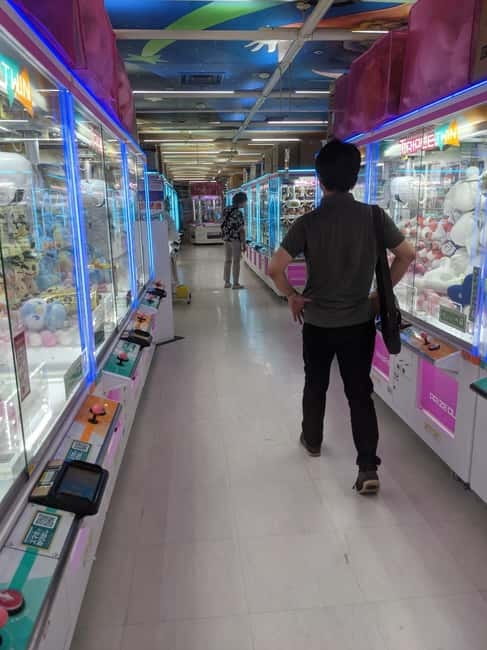
A private tour also allows personal choices. Couples can spend more time on pachinko or conversation. Families can avoid the game and focus on alleys, arcades, Kabukicho, and the shrine. A guest from India reported that the guide tailored the outing closely to the group and respected their preferences, which is exactly where a private booking can beat a large group tour.
You should not read the low price as covering a full evening. Food, drinks, pachinko, and any other personal spending are extra. The fee pays for the guide’s time and interpretation, not a meal or a gaming credit.
The biggest value question is duration. The activity is advertised for 90 minutes, while the stop-by-stop outline appears longer, with separate time blocks for Shinjuku, Omoide Yokocho, Kabukicho, pachinko or arcade time, Hanazono Shrine, and the return walk. One booking reported a 50-minute finish and missed several planned areas. Ask your guide to confirm the expected end time before setting up another reservation.
Who will enjoy this Shinjuku walk
I would suggest this tour to first-time Tokyo visitors who want a gentle introduction to Shinjuku at night without handling every turn alone. It also suits couples looking for something more distinctive than a standard neighborhood stroll.
Families can benefit from the guide’s ability to adjust the plan. Since pachinko may not work for children, ask what replacement activity is possible before you begin. The experience is wheelchair accessible according to the activity details, though the route includes narrow alleyways, so it is wise to confirm how the current path will be handled for your group.
This is also a good fit if you are curious about Japanese gaming but do not want to enter a pachinko hall without help. The guide can explain the basic process and help you get started. Just remember that the quality of that explanation may vary, as one booking found.
I would be more cautious if your main goal is detailed history. The tour promises local insight into Shinjuku, but the available experiences range from very well received guidance to a report of little historical context. Tell the guide what you want to learn instead of assuming the walk will follow a prepared history lecture.
Practical planning for the evening
Wear comfortable shoes. The route is on foot and moves through station areas, lanes, entertainment streets, and shrine grounds. Nighttime crowds, narrow passages, and frequent stops make easy walking shoes a better choice than anything formal.
Meet on the ground floor at the East Exit and look for the Lion statue. The published location is 35.69212249999999, 139.7010791, and a Google Maps link is supplied for checking the exact spot. Because Shinjuku Station has many exits, do not rely on simply following signs for Shinjuku Station. You need the East Exit.
Bring some extra money if you want food, drinks, arcade games, or pachinko. The tour price covers the guide, translation, and interpretation only. For pachinko, decide your spending limit before entering the hall.
Cancellation is free up to 24 hours in advance for a full refund, and you can reserve now and pay later. The activity is offered for private groups, so the final price depends on the $19-per-person rate and the size of your party.
Should you book the Shinjuku pachinko tour?
Book it if you want a short, private introduction to Shinjuku’s backstreets and Japanese gaming culture. The combination of Omoide Yokocho, Kabukicho, Hanazono Shrine, and pachinko gives you more variety than a simple neon-sign walk. The strongest praised qualities are friendly guides, useful local help, good conversation, photographs, and the ability to change the plan for families.
Book with a clear request. Tell the guide whether you care most about pachinko, local history, food alleys, photography, or family-friendly sightseeing. Confirm the length and route at the start, since the advertised 90 minutes may not match every outing.
I would choose this tour for orientation and atmosphere, not for a guaranteed expert pachinko lesson or a long formal history tour. At $19 per person, it offers good potential value, especially for a private group, but your experience depends heavily on the guide and on how actively you shape the evening.
FAQ
How long is the Tokyo Shinjuku night tour?
The activity is listed as a 90-minute private walking tour. The detailed route includes several longer time blocks, so confirm the expected duration with your guide when you meet.
Where does the tour begin?
It begins at Shinjuku Station’s East Exit on the ground floor, near the Lion statue, described as a pyramid with a lion head.
Where does the tour finish?
The walk returns to the JR Shinjuku East Exit Station Square.
Is the tour private?
Yes. It is offered as a private group experience, so the guide can adjust the outing to your group’s preferences.
Is the guide available in English?
Yes. The activity includes a live English-speaking guide, translation, and interpretation.
Is pachinko included in the price?
No. The pachinko gaming fee is separate and depends on how much you choose to spend.
Are food and drinks included?
No. Any food or drinks are paid for separately at the venue.
Can families join the tour?
Yes. The activity is presented as suitable for families and couples. If children cannot take part in pachinko, the guide may arrange alternative activities, depending on the group and the situation.
More Walking Tours in Tokyo


More Night Tours in Tokyo
More Shinjuku Tours in Tokyo
More tours in Tokyo we've reviewed












Shinjuku Tours, compared.
 ★ 5.0Tokyo: Shinjuku Food Tour (13 Dishes at 4 Local Eateries)From $86
 ★ 5.0Tokyo Bar Hopping Tour in Shinjuku (All-You-Can-Drink + Dinner)From $106
 ★ 4.9Tokyo: Shinjuku Local Bar and Izakaya Guided Walking TourFrom $343 hours
 ★ 4.9Tokyo: Shinjuku Food Tour (13 Dishes and 4 Eateries)From $97
 ★ 5.0Tokyo Night Foodie Tour in Shinjuku – Seasonal Sushi, Wagyu BeefFrom $111
 ★ 5.0Tokyo: Shinjuku Local Bar & Izakaya Crawl TourFrom $39