Reviewed · MT FUJI DAY TRIPS
Mount Fuji Day Tour:Lake Kawaguchi, HealingVillage,Oshino Hakkai
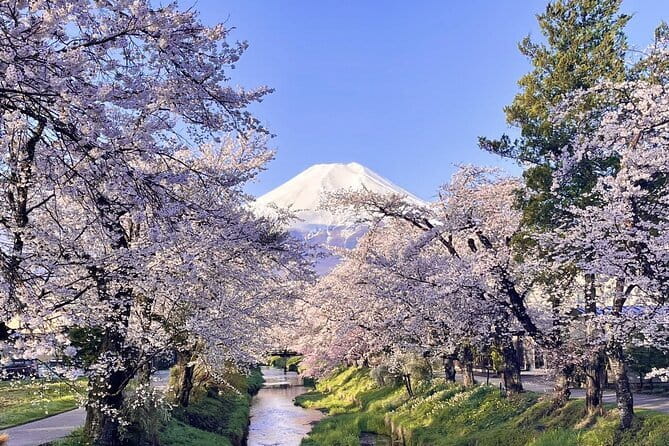
Mount Fuji is the star here, but the real appeal is how many sides of the mountain you see in one day. You’ll visit Arakurayama Sengen Park, clear spring ponds at Oshino Hakkai, Lake Kawaguchi, and a thatched-roof village beside West Lake.
In This Article
- Key points to know before booking
- Why this Fuji day trip works from Tokyo
- Arakurayama Sengen Park and the famous Fuji view
- Oshino Hakkai and its eight clear ponds
- Oishi Park beside Lake Kawaguchi
- Saiko Iyashi no Sato Nemba, the thatched-roof village
- What the $46.91 price really covers
- Guides, group size, and the day’s rhythm
- Weather, crowds, and seasonal changes
- Who should book this experience
- Should you book this Fuji day tour?
- FAQ
- How long does the Mount Fuji day tour last?
- What locations does the tour visit?
- Is Mount Fuji guaranteed to be visible?
- Is transportation included?
- Is the Saiko Healing Village entrance ticket included?
- Are food and drinks included?
- Can I eat on the bus?
- How many people can join the tour?
- Does the itinerary change during autumn?
- What happens if traffic delays the return?
I like the easy door-to-door format, especially when Tokyo traffic and rural bus schedules could turn this outing into a puzzle. I also like the variety: temple grounds, mountain water, flower gardens, and old-style village buildings give the day more substance than a single photo stop.
The main caution is timing. The tour can run late in traffic, particularly on weekends, holidays, and during cherry blossom season. One booking also suffered a 45-minute delay when the guide was caught by a subway service outage, so do not schedule a flight, train, or evening event immediately afterward.
Key points to know before booking
- Four Fuji-area stops in about 10 hours: You cover Arakurayama Sengen Park, Oshino Hakkai, Oishi Park, and Saiko Iyashi no Sato Nemba in one long day.
- The price covers the practical basics: At about $46.91 per person, you get a driver, multilingual guide, fuel, tolls, parking, pickup and drop-off at the meeting point, plus the 500-yen village ticket.
- Mount Fuji views depend on weather: You get several viewing angles, but clouds can hide the mountain.
- Oshino Hakkai brings the clearest water: Eight ponds are fed by snowmelt filtered through volcanic rock, making this one of the day’s most distinctive stops.
- The vehicle may hold up to 40 people: It is easier than public transport, but do not assume a tiny, quiet minibus.
- Bring cash and leave your evening open: Food is not included, eating is not allowed on the bus, and traffic can shorten or rearrange stops.
Why this Fuji day trip works from Tokyo
Mount Fuji is close enough to tempt you from Tokyo, yet far enough that planning the route takes real effort. You would need to coordinate trains or buses, local connections, walking, and admission details. This tour puts a driver behind the wheel and links four places that are awkward to combine independently in a single day.
That convenience is the strongest reason to book. You can look out the window instead of checking transfer times, and the route includes tolls, fuel, and parking. The guide also helps keep the day moving, though exact stop lengths can change if road conditions become difficult.
The tour lasts about 10 hours. That is a full day, not a quick side trip. You should expect time on the road, especially in heavy traffic, but the changing scenery helps break up the journey.
The advertised format is a small-group tour, yet the stated maximum is 40 people. Read that as a shared coach experience rather than a private outing. The guide may also be working with people speaking several languages, which can make commentary less personal and slow the group at meeting points.
A few more Tokyo tours and experiences worth a look
Arakurayama Sengen Park and the famous Fuji view
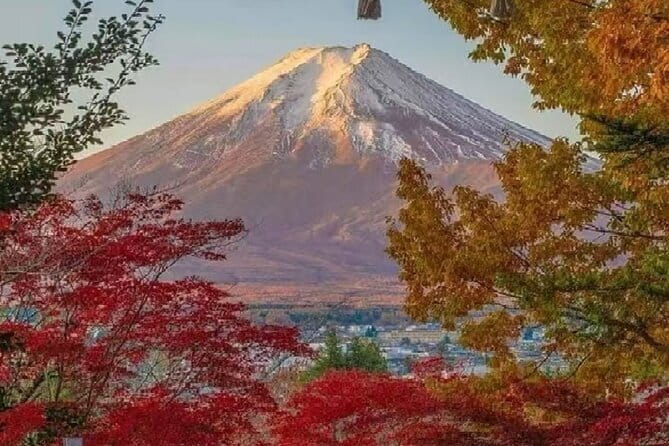
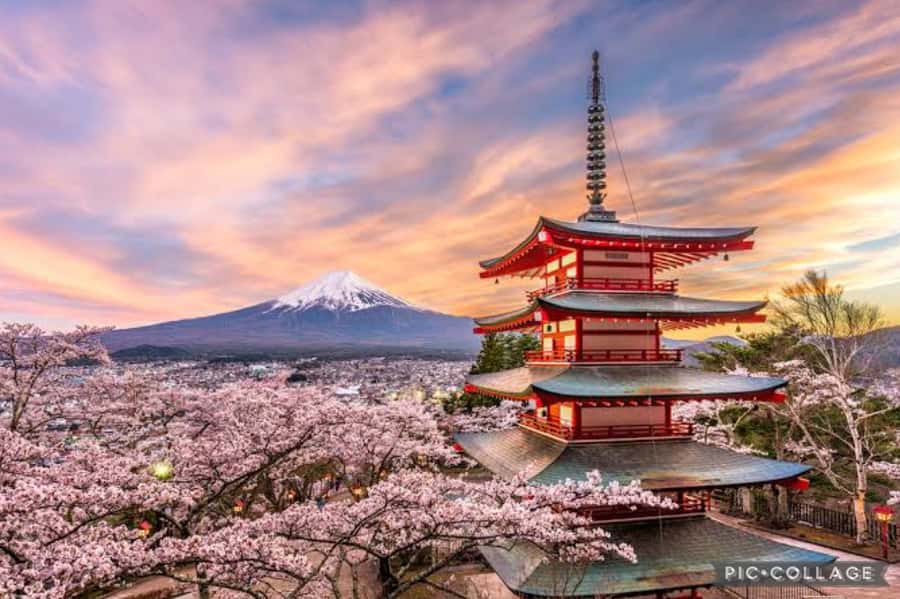
The first stop is Arakurayama Sengen Park, with about 1 hour and 10 minutes set aside. This is the stop most associated with the classic Japan photograph: Mount Fuji, a pagoda, and a hillside setting in one frame.
The park combines a religious site with a high viewpoint, so you get more than a simple roadside photo. It is a good opening stop because it gives you an immediate sense of the mountain’s scale and the surrounding area.
Admission is not included, according to the tour details, so check what you may need to pay on arrival. The listed stop time can sound generous, but keep in mind that viewpoints may involve uphill walking and stairs. If you want several photographs rather than one quick snapshot, use your time carefully.
This is also the stop most vulnerable to poor visibility. If Fuji is covered by cloud, the pagoda and town views are still there, but the main image loses its center. That is not a fault of the operator. Weather around the mountain changes quickly, and no tour can guarantee a clear summit.
Oshino Hakkai and its eight clear ponds
Oshino Hakkai gets about 1 hour and 10 minutes. Its eight ponds are fed by snowmelt from Mount Fuji, filtered for years through volcanic rock. The water is the point here: clear, cold-looking, and striking against the traditional buildings and mountain backdrop.
I find this stop valuable because it gives you a physical connection to Fuji. You are not only looking at the volcano from a distance. You are seeing how water from the mountain shapes the villages below.
The site is also a heritage area, with old-style structures, shops, and places to pause. The tour does not include food or drinks, so this may be a useful place to buy something, but bring cash. The area around Mount Fuji can include restaurants and small businesses that do not accept cards.
One practical warning: the tour notes do not permit eating on the bus under Japanese law. Plan to eat during a stop, not while riding between them. Since the schedule is tight, you may want to keep your meal simple rather than count on a long restaurant break.
Oishi Park beside Lake Kawaguchi
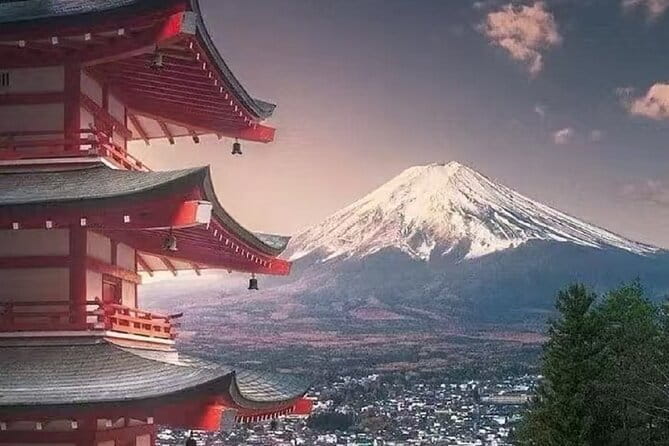
Oishi Park is scheduled for about 40 minutes. It sits beside Lake Kawaguchi and is known for seasonal plant displays, with lavender in summer and red autumn foliage later in the year. The lake adds a broad, open view, while Fuji may appear beyond it when the weather cooperates.
This is the most relaxed photo stop on the route. After the crowded feel that can come with a famous pond village or elevated park, the lakeside setting gives you room to look around and take pictures without rushing through a major attraction.
Forty minutes is enough for a walk and photographs, but not a long lakeside outing. If the group arrives late because of traffic, this stop may be shortened. The operator also warns that attractions can be adjusted or canceled when conditions require it.
There is one seasonal change to note. From October 26 through November 20, the route uses the Kawaguchiko Maple Corridor instead of Oishi Park. That can be a pleasant swap during autumn color season, but it means you should not expect the exact same stop on every date.
Saiko Iyashi no Sato Nemba, the thatched-roof village

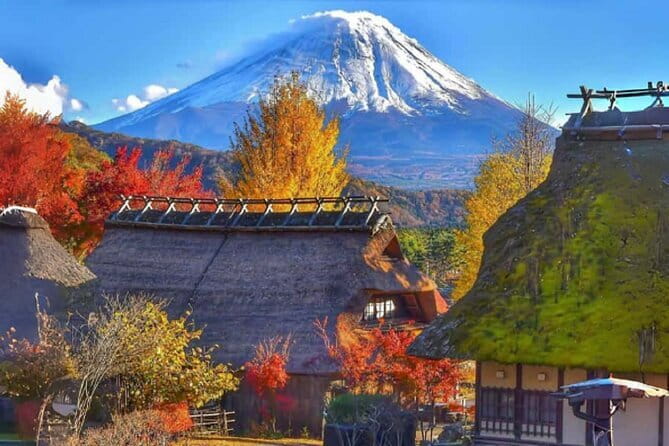
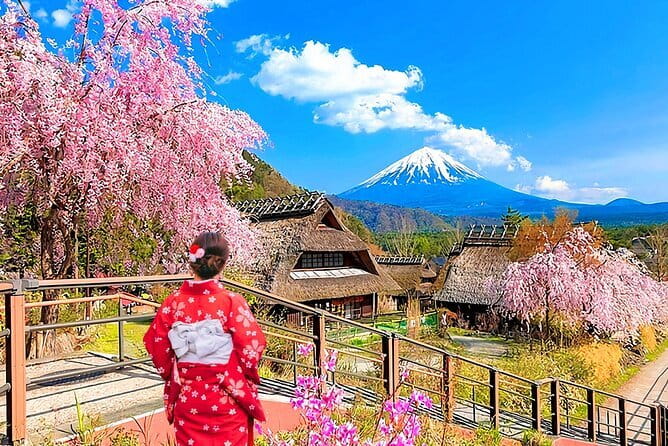
The final listed stop is Saiko Iyashi no Sato Nemba, also called the West Lake Healing Hometown Root Field. You have about one hour to walk through a village of traditional thatched-roof houses near Lake Saiko.
This stop adds cultural interest to a day that could otherwise become a chain of viewpoints. The buildings give you a sense of older rural Japan, and the setting near West Lake is quieter than the city. The tour describes it as the Mount Fuji area’s version of Shirakawa-go, though you should treat that as a comparison, not expect an identical site.
The 500-yen admission ticket is included, which improves the value of the tour. The other listed attractions do not include admission tickets, so this is the one clear entrance fee already handled for you.
Allow time to wander rather than simply photograph the first house. The village setting, roof shapes, and Fuji-area views work together. If you enjoy traditional architecture and want something beyond the standard mountain lookout, this may be your favorite stop.



What the $46.91 price really covers
At roughly $46.91 per person, the tour is priced as a low-cost way to reach several places outside Tokyo. The important value is not just the admission coverage. It is the bundled transport, including a professional driver, fuel, tolls, parking, and pickup and drop-off at the designated meeting point.
Driving this route yourself would add rental costs, toll decisions, parking concerns, and the burden of navigating when traffic is heavy. Public transport may be possible, but connecting four stops in one day would take more work and could leave you watching the clock.
The price does not cover meals or drinks. It also does not cover admission tickets at Arakurayama Sengen Park, Oshino Hakkai, or Oishi Park, if fees apply. Bring cash for food and small purchases, since some places in the Fuji area may not accept cards.
The value depends on your priorities. If you want maximum independence, long visits at each stop, or a private guide, this is not the right format. If you want a straightforward route with several strong photo opportunities and minimal planning, the price is reasonable.
Guides, group size, and the day’s rhythm
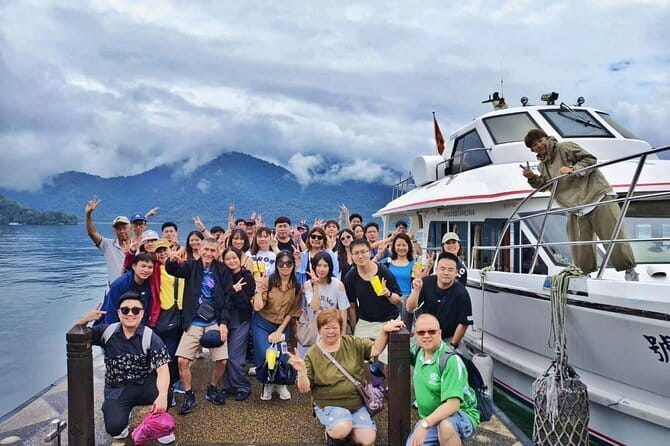
A multilingual guide and professional driver accompany the group. One highly positive experience singled out Wanting, also identified as Rachel, for being helpful and informative. Guide quality can shape a long coach day, so that is a useful sign, though the exact guide may vary.
The tour is not limited to one language group. People speaking different languages may share the vehicle, and commentary may be divided among them. That can reduce the amount of detailed explanation you receive, but it also keeps the tour open to a wider range of visitors.
The biggest operational risk is the Tokyo departure. One tour began about 45 minutes late when the guide was delayed by a subway outage, and there was no on-site management to organize the wait. The supplier explained the delay, but the incident shows why you should arrive early, confirm the meeting point, and keep your schedule after the tour clear.
The evening before departure, the supplier sends important information around 9 PM, including the guide’s phone number, driver details, and vehicle license plate. Since the booking platform does not share your email automatically, you need to email your address to the supplier after booking.
The final meeting-point photos in the product gallery are worth checking. Use those images to recognize the location rather than relying only on a general Tokyo address.
Weather, crowds, and seasonal changes
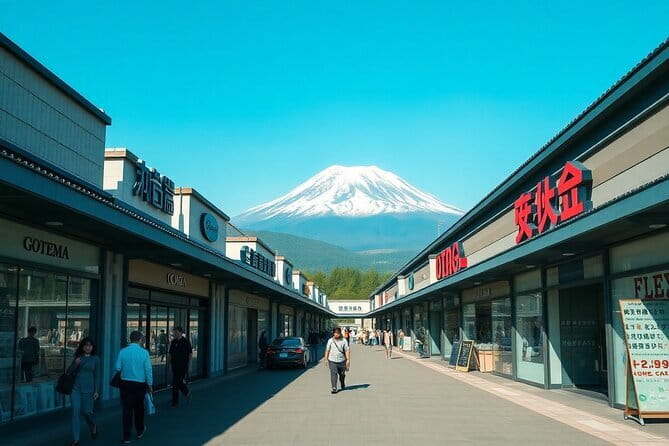
Mount Fuji is not guaranteed to appear. That matters because the mountain is the visual reason for most of the tour. The route still offers ponds, lakes, village buildings, and gardens when clouds move in, but you should book this as a Fuji-area day, not a guaranteed Fuji photograph.
Crowds can also change the feel of the day. Weekends, holidays, and cherry blossom season may bring heavy traffic and crowded attractions. Return times can stretch, and stops may be shortened, rearranged, or canceled when needed.
Autumn brings a special route adjustment from October 26 to November 20, when the Maple Corridor replaces Oishi Park. Summer offers lavender at Oishi Park, while autumn can bring red leaves. The tour therefore changes with the calendar, but the exact view depends on weather and timing.
Dress and pack for a day outdoors, though the supplied details do not specify clothing requirements. At minimum, comfortable walking shoes, cash, water, and a phone with enough battery for photographs make sense. Food is not included, and you cannot eat on the bus, so plan your meals around the stops.
Who should book this experience
I would choose this tour if you are based in Tokyo and want to see several Fuji-area highlights without renting a car. It suits first-time visitors, photographers who want multiple viewpoints, and anyone who values a fixed route over independent problem-solving.
It is also a good match if you want more than a mountain photo. Oshino Hakkai gives you spring water and rural buildings, while Saiko Iyashi no Sato Nemba adds traditional architecture. The combination feels more rounded than a trip that only visits Lake Kawaguchi.
I would hesitate if your schedule is tight. The stated return time is not guaranteed, and the operator specifically advises against booking later activities or transport. I would also hesitate if you dislike shared coaches, multilingual commentary, or short visits.
Free cancellation is available when you cancel at least 24 hours before the local start time. Changes or cancellations inside that window are not accepted for a refund, so check your plans early.
Should you book this Fuji day tour?
Book it if you want four Fuji-area settings in one organized day for a modest price. The best parts are the range of scenery, the included transport costs, the clear ponds at Oshino Hakkai, and the traditional village at Saiko Iyashi no Sato Nemba.
Skip it if you need a guaranteed Fuji view, a private experience, or a firm arrival time back in Tokyo. The tour’s one poor experience involved a late start, and heavy traffic can affect the whole schedule.
For most visitors with one spare day, I think the convenience is the point. Arrive prepared for crowds, carry cash, confirm the meeting point, and leave your evening open. You will get the most from it by treating the day as a scenic outing, not a precisely timed transfer service.
FAQ
How long does the Mount Fuji day tour last?
The tour lasts approximately 10 hours.
What locations does the tour visit?
The route includes Arakurayama Sengen Park, Oshino Hakkai, Oishi Park, and Saiko Iyashi no Sato Nemba near West Lake.
Is Mount Fuji guaranteed to be visible?
No. Weather conditions are unpredictable, and visibility of Mount Fuji cannot be guaranteed.
Is transportation included?
Yes. A professional driver, fuel, toll charges, parking fees, and pickup and drop-off at the designated meeting point are included.
Is the Saiko Healing Village entrance ticket included?
Yes. The 500-yen ticket for Saiko Healing Village Root Field is included.
Are food and drinks included?
No. Food and drinks are not included.
Can I eat on the bus?
No. Eating on the bus is prohibited under Japanese law.
How many people can join the tour?
The activity can have a maximum of 40 travelers.
Does the itinerary change during autumn?
Yes. From October 26 through November 20, the Kawaguchiko Maple Corridor replaces Oishi Park.
What happens if traffic delays the return?
Weekend, holiday, and cherry blossom traffic can delay the return. The operator advises you not to schedule another activity or transportation after the tour.
More Mt Fuji Day Trips in Tokyo
More tours in Tokyo we've reviewed












Mt Fuji Day Trips, compared.
 ★ 5.0Mt Fuji and Hakone 1-Day Bus Tour Return by Bullet TrainFrom $163
 ★ 4.0Mt Fuji & Hakone Cruise, Drum Show Bullet Train 1 Day from TokyoFrom $149
 ★ 4.4Tokyo Mt Fuji 5th St & Hakone Cruise Bus Tour w/Bullet TrainFrom $15410 hours
 ★ 4.5From Tokyo: Mount Fuji Full-Day Sightseeing TripFrom $6810 hours
 ★ 4.7Tokyo: Mt. Fuji Tour, Hakone Ropeway, Owakudani, Lake AshiFrom $5410 hours
 ★ 4.4Tokyo:Mt.Fuji,Kawaguchiko Oishi Park,Arakurayama Sengen ParkFrom $5410 hours