Reviewed · FOOD
Tokyo Pre Japan Planning Kit Itineraries, Food & Survival
Tokyo can overwhelm you with choices. This four-day self-guided plan gives you a sensible starting point, from Tsukiji seafood and old Asakusa to Shibuya Crossing, Akihabara, and neon-lit Shinjuku. You get the freedom of traveling alone, without spending hours deciding what comes next.
In This Article
- Key Points Before You Buy
- What This Tokyo Plan Actually Gives You
- Day One: Tsukiji, Asakusa, and Tokyo From Above
- Tsukiji Fish Market
- Asakusa and Sensoji
- Tokyo Metropolitan Government Building Observation Decks
- Day Two: The Imperial Palace to Shibuya Crossing
- Imperial Palace and East Gardens
- Harajuku Station and Takeshita Street
- Shibuya Crossing
- Day Three: Ueno Market Streets and Akihabara Electronics
- Ueno Ameyoko
- Akihabara
- Day Four: Odaiba, Shinjuku Gyoen, and Nighttime Shinjuku
- Odaiba District
- Shinjuku Gyoen National Garden
- Shinjuku at Night
- Food Tips and the Japanese Survival Card
- Is $26.06 Good Value for Up to 15 People?
- Who Should Use This Four-Day Tokyo Plan?
- Should You Book It?
- FAQ
- How long does the Tokyo planning experience last?
- Is this a guided tour with a physical guide?
- What is included in the purchase?
- Are entrance tickets included?
- How many people can use the purchase?
- Where does the activity start and end?
- Can I cancel for a full refund?
I like the easy pace and the useful extras. You can start and stop whenever you wish, and the local food suggestions may save you from eating only in familiar chain restaurants. The Japanese survival card is another smart touch, especially when you need help with simple phrases, menus, or everyday situations.
The main drawback is simple: there is no physical guide. The PDF is not a private tour, a transport pass, or a ticket bundle. One buyer also received the document too late, so order well before departure and check that you can access the material.
Key Points Before You Buy
- Four days of Tokyo organized by neighborhood: The route groups major areas into manageable daily plans instead of sending you across the city at random.
- A flexible self-guided format: Follow every stop, choose only a few, or use the plan as a menu of ideas.
- Strong coverage of first-time Tokyo sights: Tsukiji, Sensoji in Asakusa, the Imperial Palace, Harajuku, Shibuya, Ueno, Akihabara, Odaiba, Shinjuku Gyoen, and Shinjuku are all included.
- Helpful practical extras: You receive food recommendations from local sources, a Japanese survival card, and a discount on an eSIM.
- Good value for a small group: The price is $26.06 for up to 15 people, making it inexpensive if several people share the plan.
- Best for independent planners: You need to manage your own transport, timing, entrance fees, and decisions along the way.
What This Tokyo Plan Actually Gives You
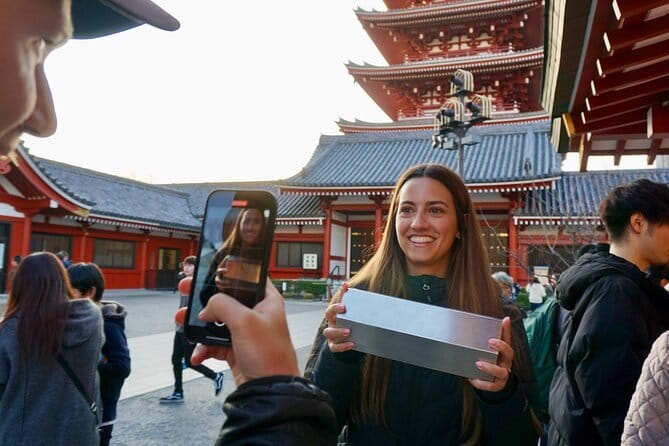
This is best understood as a digital planning kit rather than a conventional tour. You receive a self-guided PDF with a four-day route, food recommendations, survival language help, and an eSIM discount.
That distinction matters. You will not meet a guide at a station, board a tour bus, or receive live explanations at each site. Instead, you get a ready-made framework that helps you make sense of Tokyo’s huge size and many separate districts.
I like this format for a city such as Tokyo. The city rewards curiosity, but too much freedom can waste a morning. A suggested order gives you somewhere to begin, while the ability to skip stops keeps the trip from feeling like homework.
The plan is designed for four days, though one useful feature is its flexibility. You do not have to follow each day exactly. One person used only some of the suggestions, while another found the recommendations useful for a four or five-day visit. That makes the plan more adaptable than a strict timed tour.
The PDF is described as about eight pages, so do not expect a full guidebook. It is a short working document, not a detailed cultural reference. That can be a virtue if you want quick decisions on your phone, but a limitation if you want long historical explanations or detailed transport instructions.
A few more Tokyo tours and experiences worth a look

Day One: Tsukiji, Asakusa, and Tokyo From Above
The first day combines food, traditional Tokyo, and a free city view. It begins at Tsukiji Fish Market, continues to Asakusa, and ends at the observation decks of the Tokyo Metropolitan Government Building.
Tsukiji Fish Market
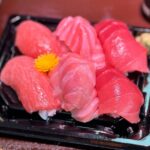
Tsukiji is a strong first stop because it introduces Tokyo through food and daily commerce. The former wholesale market was once among the world’s largest seafood markets, and the area remains known for its seafood stalls, shops, and early-morning energy.
The suggested visit lasts about two hours, and admission is free. You can use this time to look at seafood displays, browse food counters, and sample something that catches your eye. The local food recommendations included with the plan should be especially useful here, since a market can be confusing when you do not know which specialties to seek.
Timing matters. The description points to Tsukiji’s early-morning character, so you should not treat this as a late-afternoon stop and expect the same experience. The plan does not provide a detailed opening schedule for each business, so check current hours before you go.
Tsukiji can also be a demanding place for anyone who dislikes crowds or narrow food lanes. The strength of this stop is its atmosphere and eating options, not a single major monument.
Asakusa and Sensoji
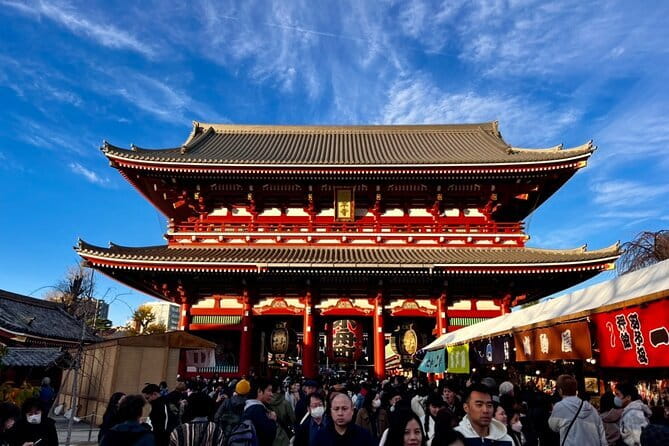
Asakusa shifts the mood from market food to old Tokyo. Its centerpiece is Sensoji, described as Tokyo’s oldest and most iconic Buddhist temple. The Kaminarimon entrance gate and Nakamise shopping street give you an easy route through the district.
Plan roughly two hours here, with no admission charge listed. Nakamise is lined with shops selling snacks, souvenirs, and traditional-style goods, while the temple grounds offer a calmer change from the commercial street.
I like placing Asakusa after Tsukiji. You get two different sides of Tokyo in one morning or early afternoon: a food district shaped by trade, then a temple area tied to traditional culture. You can keep the visit short or spend longer looking at the gate, shops, and temple buildings.
Do not expect the PDF to replace a temple guide. It points you toward the area, but you will need to decide how much time to spend and how deeply you want to explore.
Tokyo Metropolitan Government Building Observation Decks
The final listed stop is the Tokyo Metropolitan Government Building in Shinjuku, with observation decks on the 45th floor. The visit is estimated at one hour, and admission is free.
This is an excellent value stop. Tokyo has several paid observation attractions, but a free high-level view gives you a chance to see the city without adding another ticket to your budget. The view also helps you understand Tokyo’s enormous scale, especially after visiting compact areas such as Asakusa.
The day is not presented as a rigid schedule. You might prefer the observation deck near sunset, or you might move it to another day if your energy drops. That freedom is one of the better features of the plan.


Day Two: The Imperial Palace to Shibuya Crossing
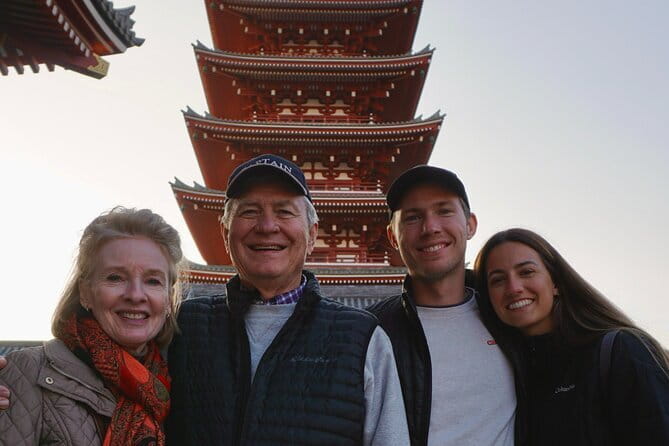
The second day links the Imperial Palace with Harajuku and Shibuya. It moves from formal gardens and central Tokyo history to fashion, youth culture, and one of the city’s most famous street scenes.
Imperial Palace and East Gardens
The Imperial Palace is the Emperor’s residence, set in central Tokyo with gardens and historic structures around it. The suggested visit lasts about two hours, and admission is listed as free.
The plan specifically points to the East Gardens. They give you an opportunity to walk through maintained green space while staying close to Tokyo’s central business districts. This is a useful counterpoint to the city’s towers, train stations, and crowded shopping streets.
The palace grounds are not simply an open museum where every building can be entered. Your experience will depend on which areas are accessible at the time of your visit. The digital plan identifies the stop, but it does not promise a private viewing or special access.
Harajuku Station and Takeshita Street
Harajuku is the day’s change of pace. The area is known for eclectic street fashion, trendy shops, and Takeshita Street. The suggested time is two hours, enough for a walk, browsing, and a break.
This stop works well for people who want more than temples and formal landmarks. You can look at clothing, unusual shops, and the style that made Harajuku famous. The plan’s flexibility is useful here because shopping time varies widely. You may finish quickly, or you may want to linger.
Takeshita Street can feel intense, especially at busy times. Do not build your whole day around shopping unless that is your main interest. Harajuku is more useful as a neighborhood stop that adds a different voice to the trip.
Shibuya Crossing
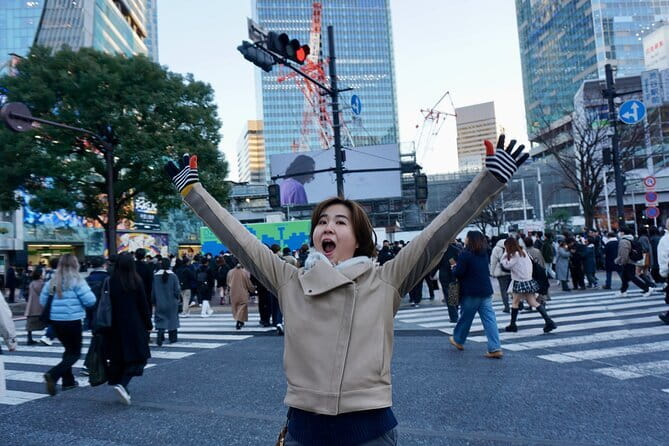
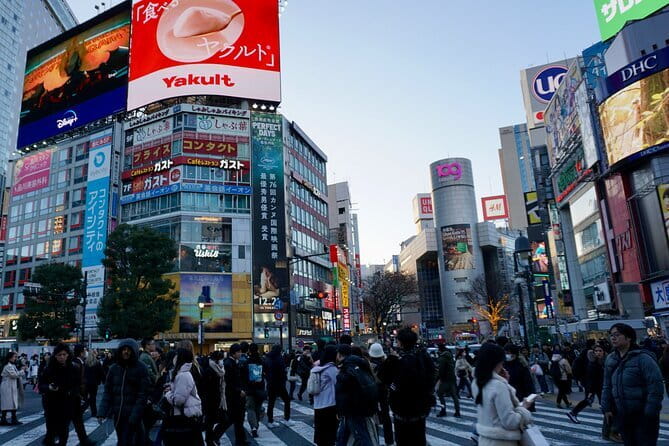
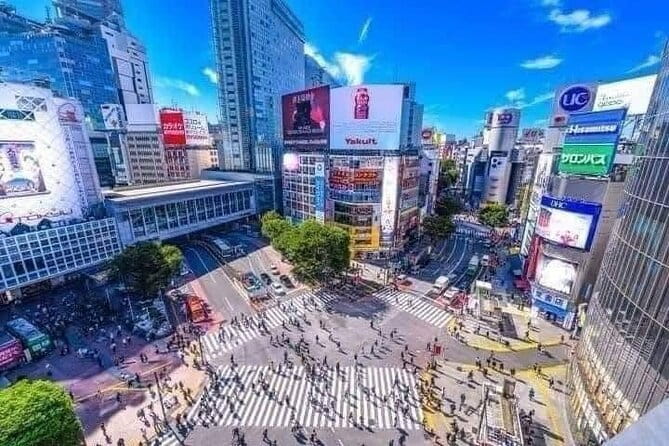
The day ends at Shibuya Crossing, with about two hours suggested. The intersection is famous for its multi-directional pedestrian crossing, surrounded by large advertisements, shops, and city activity.
You can cross several times, watch the movement from nearby public areas, and explore the surrounding streets. The plan does not include a paid viewing ticket, so any elevated or indoor viewing option would be an additional choice and cost.
Shibuya is a good evening stop because the signs and crowds create the image many people associate with modern Tokyo. Still, the crossing itself does not require two full hours. Use the extra time for nearby shopping, food, or people-watching rather than forcing yourself to remain at the intersection.
Day Three: Ueno Market Streets and Akihabara Electronics
The third day is built around two districts with very different personalities: Ueno Ameyoko and Akihabara. It is a practical pairing for anyone interested in food, shopping, electronics, games, anime, or Japanese pop culture.
Ueno Ameyoko
Ueno Ameyoko is an open-air market street with food stalls, shops, seafood, clothing, and other goods. The suggested visit is three hours, longer than several other stops in the plan.
That extra time makes sense. A market street is not a single attraction with a clear entrance and exit. You can browse food, compare shops, stop for a snack, and wander without following a set path.
The food recommendations should be particularly useful in Ueno. A short list of local suggestions can prevent you from losing time deciding where to eat, while still leaving room for spontaneous choices.
The tradeoff is that Ameyoko may appeal less if you want polished department stores or quiet sightseeing. It is a shopping and food district, not a grand monument. Think of it as a place to observe ordinary city commerce and try something small.
Akihabara
Akihabara receives about two hours. It is known for electronics, gadgets, games, anime, and other pop-culture merchandise.
This is a useful stop even if you are not an enthusiast, since it shows a side of Tokyo that is very different from Asakusa or the Imperial Palace. You can browse technology stores, look at gaming and anime merchandise, or simply see how a district builds its identity around specialized retail.
Two hours may be enough for a general look, but serious shoppers could easily want more. The plan lets you adjust without abandoning the day. If Akihabara is not your interest, you can shorten it and spend more time in Ueno or add one of the optional suggestions in the PDF.
Keep in mind that this is not a shopping coupon package. The experience gives you direction, but purchases, admissions, and any special attractions are your responsibility.
Day Four: Odaiba, Shinjuku Gyoen, and Nighttime Shinjuku
The final day combines futuristic waterfront Tokyo, a formal garden, and late-day city entertainment. It is the most varied day in the plan, and it may also require the most energy.
Odaiba District
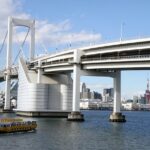
Odaiba is a futuristic island district in Tokyo Bay, with modern architecture, entertainment complexes, and waterfront views. The route highlights the giant Gundam statue and teamLab Borderless among its possible attractions.
The suggested time is two hours, but Odaiba can expand into a full day if you enter paid attractions or spend time in the shopping and entertainment areas. The general district visit itself is listed without an admission charge, but specific attractions may cost extra.
This stop gives you a break from older Tokyo neighborhoods. The architecture and open waterfront setting create a very different feel from narrow market lanes or dense station districts. If you are interested in photographs, large-scale design, or pop culture, Odaiba should be one of the more memorable sections.
Because the plan does not include admission tickets, confirm current arrangements for any attraction you want to enter. The listed route is a starting point, not an all-inclusive Odaiba package.
Shinjuku Gyoen National Garden
Shinjuku Gyoen is scheduled for about two hours. It combines Japanese, English, and French garden styles and offers a calm pocket in central Tokyo. Admission is not included.
This is one of the few stops with a clearly stated extra entrance cost, so budget for it. The garden is especially appealing if you want a slower walk between busy districts. Cherry blossoms are highlighted in the description, but seasonal conditions will determine what you actually see.
I would not rush this stop. Two hours gives you time to walk, sit, and enjoy the change in pace. If you are visiting during a busy travel period, check opening information before setting out.
Shinjuku at Night
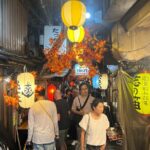
The day finishes with about three hours in Shinjuku. At night, the district is known for neon signs, izakayas, karaoke bars, and crowded streets.
This is less a single attraction than an evening zone. The local food recommendations can help here, especially if you want to try an izakaya rather than choose at random. The Japanese survival card may also be useful for basic communication in restaurants and nightlife settings.
The plan does not include a meal, karaoke booking, or nightlife admission. You choose how much to spend and how late to stay. That makes the evening adaptable, but it also means you must make your own choices once you arrive.
Food Tips and the Japanese Survival Card
The food recommendations are one of the strongest reasons to choose this product over a bare sightseeing map. Tokyo’s dining options are so numerous that deciding where to eat can consume more time than the meal itself.
The recommendations are described as personal suggestions from local sources, not a food tour with tastings. Use them as prompts for Tsukiji, Ueno, Shinjuku, and other neighborhoods on the route.
The Japanese survival card adds practical value. No specific phrases are listed, so I would treat it as a quick aid rather than a full language course. It should be most useful for basic situations where a few words or translated prompts make the process easier.
The eSIM discount is another useful extra, but it is only a discount. It is not a supplied eSIM or a guarantee of mobile service. You will still need to arrange your own connection.
Is $26.06 Good Value for Up to 15 People?
At $26.06 per group of up to 15, the price is reasonable if you want structure but not a live guide. One person can use it as a low-cost planning tool, while a group can divide the cost and make it very inexpensive per person.
The free stops add to the value: Tsukiji, Asakusa, the Tokyo Metropolitan Government Building observation decks, the Imperial Palace, Harajuku, Shibuya Crossing, Ueno, Akihabara, and Odaiba are all listed without admission charges. Shinjuku Gyoen is the clear exception, with admission not included. Paid attractions in Odaiba are also separate.
The price is less attractive if you already have a detailed Tokyo plan or want deep historical commentary. The document is short, and one assessment found the suggestions good but not especially elaborate.
Who Should Use This Four-Day Tokyo Plan?
I would recommend it most to:
- First-time Tokyo visitors who feel overwhelmed by the city’s size
- Independent people who dislike fixed tour times
- Small groups that can share the low group price
- Anyone wanting a ready-made mix of food, temples, shopping, gardens, and nightlife
- People who value local food suggestions and basic language help
I would look elsewhere if you want a private guide, detailed history at every stop, reserved entry, or hands-on food tasting. This is a planning aid, not a fully hosted experience.
The practical lesson is to order early. One buyer received the document after leaving Tokyo, making it useless for that trip, and also had trouble getting a refund after accidentally buying it twice. The activity offers free cancellation up to 24 hours before the start time, but changes or cancellations inside that window are not refundable.
Should You Book It?
Book this Tokyo planning kit if you want a clear four-day framework and the freedom to ignore parts of it. Its best features are the neighborhood-based route, free major sights, food suggestions, survival card, and low group price.
Skip it if you expect a guide to meet you, provide live explanations, or handle transport and tickets. For the right buyer, this is a practical shortcut through Tokyo’s choices. Just purchase it before your trip, check the PDF access, and use the route as a helpful menu rather than a strict schedule.
FAQ
How long does the Tokyo planning experience last?
It is designed for approximately four days. You can start and stop the self-guided plan whenever you like and skip suggested stops.
Is this a guided tour with a physical guide?
No. There is no physical tour guide. The experience includes a self-guided PDF itinerary and digital recommendations.
What is included in the purchase?
You receive a self-guided PDF itinerary, Tokyo food recommendations from local sources, a Japanese survival card, and a discount on an eSIM.
Are entrance tickets included?
Most listed stops have no admission charge. Shinjuku Gyoen National Garden has admission not included. Any paid attractions you choose in Odaiba are also separate.
How many people can use the purchase?
The price covers a group of up to 15 travelers.
Where does the activity start and end?
The stated start point is Shinjuku City, Tokyo, Japan. The activity ends back at the meeting point.
Can I cancel for a full refund?
Yes. You can cancel at least 24 hours before the experience start time for a full refund. Cancellations or changes made within 24 hours are not accepted for a refund.
More Food Experiences in Tokyo


More tours in Tokyo we've reviewed












Food, compared.
 ★ 5.0Tokyo: Shinjuku Food Tour (13 Dishes at 4 Local Eateries)From $86
 ★ 5.0Tokyo Tsukiji Fish Market Food and Culture Walking TourFrom $99
 ★ 5.0Tokyo: Tsukiji Fish Market Food and Walking tourFrom $30
 ★ 4.9Tokyo: Shinjuku Food Tour (13 Dishes and 4 Eateries)From $97
 ★ 5.0Tokyo Night Foodie Tour in Shinjuku – Seasonal Sushi, Wagyu BeefFrom $111
 ★ 5.0Eat and Drink Like a Local: Tokyo Ueno Food Tour-Taverns&RamenFrom $95