Reviewed · TOKYO FOOD TOURS
Tokyo Shinjuku Food & Backstreet Culture Tour: 15 Dishes+3 Drinks
Shinjuku after dark is a feast for the senses, and this tour takes you past the neon signs into the small izakayas and narrow lanes that are easy to miss. You’ll try up to 15 Japanese dishes, visit Omoide Yokocho and Golden Gai, and hear the stories behind Kabukicho from an English-speaking guide.
In This Article
- Key points to know
- A three-hour introduction to Shinjuku after dark
- Meeting the giant 3D cat in Shinjuku
- Omoide Yokocho brings old Tokyo into the evening
- Godzilla Road adds a five-minute pop-culture stop
- Kabukicho shows the many sides of Tokyo nightlife
- Golden Gai is the most atmospheric walk
- What the food is really like
- Drinking etiquette is part of the lesson
- Group size, walking, and timing
- How the $100 price measures up
- Who should book this Shinjuku food tour?
- Should you book it?
- FAQ
- How long does the Tokyo Shinjuku Food and Backstreet Culture Tour last?
- How many dishes are included?
- How many drinks are included?
- Can people under 20 join the tour?
- Are dietary restrictions and allergies accommodated?
- Where does the tour start and finish?
- Can I cancel for a full refund?
I like the mix of food and street life, and I like that the guides explain dining manners instead of simply pointing at a menu. Sakura, Kyle, Seiya, Taka, and Kei have all led this experience, and the strongest part is often the guide’s personality and local insight. The main caution is that this is a walking and culture tour with food, not a long sit-down feast, and the number and type of dishes can change.
Key points to know
- Up to 15 Japanese dishes: Expect small portions and variety rather than one large meal.
- Omoide Yokocho and Golden Gai: See two of Shinjuku’s best-known nightlife areas, each with a very different mood.
- English-speaking local guidance: Guides explain etiquette, food, language, history, and changing social customs.
- Alcohol is included: The supplied details list two drinks, while the tour title refers to three, so confirm the current allowance before booking.
- Small group size: The maximum is 15 people, which matters in tiny bars and narrow lanes.
- A useful first-night activity: You’ll pick up ideas for food, drinks, and Shinjuku places to try later on your own.
A three-hour introduction to Shinjuku after dark
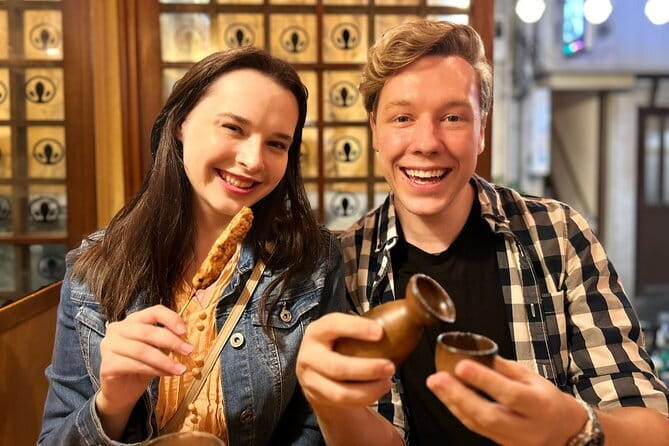
This experience works best as an evening orientation. You meet near the Gucci Shinjuku M Square Store, then walk through some of the city’s most recognizable night districts while stopping for snacks, drinks, and short explanations.
The route covers the giant 3D cat display, Omoide Yokocho, Godzilla Road and Head, Kabukicho, and Golden Gai. Some stops are photo pauses. Others are where the real time and value lie: small restaurants, izakayas, and local bars.
I would not book this expecting a formal tasting menu. The food is served in the setting where people actually eat and drink at night, so the pace, portions, and stops are shaped by the neighborhood. That gives the tour character, but it also means the experience can feel less predictable than a food class or a carefully staged culinary event.
The tour costs $100 per person. That is a fair price if you value a guide, several included dishes and drinks, and help navigating places that may be hard to enter on your own. It is less compelling if your only goal is to eat as much as possible, since some people receive small samples and only visit two main food venues.
A few more Tokyo tours and experiences worth a look
Meeting the giant 3D cat in Shinjuku
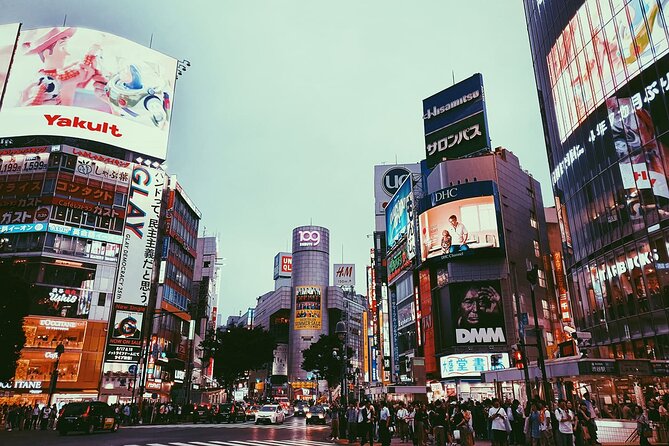
The first stop is the famous giant 3D cat display, a free five-minute photo stop. The cat appears to move and meow, making it a quick, playful way to begin in the middle of Shinjuku’s famous commercial district.
This is not a major sightseeing visit, and you should not expect a long explanation or time to linger. Its value is practical: it gives you a clear meeting-area landmark and a fast introduction to the bright, oversized advertising that defines this part of Tokyo.
Bring your phone ready for photos. The tour uses a mobile ticket, and the meeting point is close to public transport, but Shinjuku Station is large and can be confusing. Allow extra time to find the correct exit and the Gucci store rather than assuming every station entrance leads directly to the meeting spot.
Omoide Yokocho brings old Tokyo into the evening
The tour then reaches Omoide Yokocho, a narrow alley lined with small bars and eateries. You spend about 50 minutes here, eating and drinking in a setting known for its old-Tokyo feel.
This is one of the route’s strongest sections. The alley is compact, atmospheric, and very different from the broad avenues and bright signs nearby. Small counters and close-set tables give you a better sense of Japan’s casual drinking culture than a large restaurant designed for international visitors.
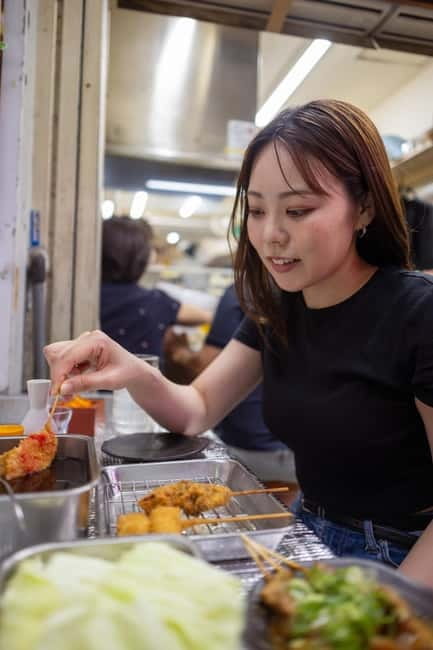
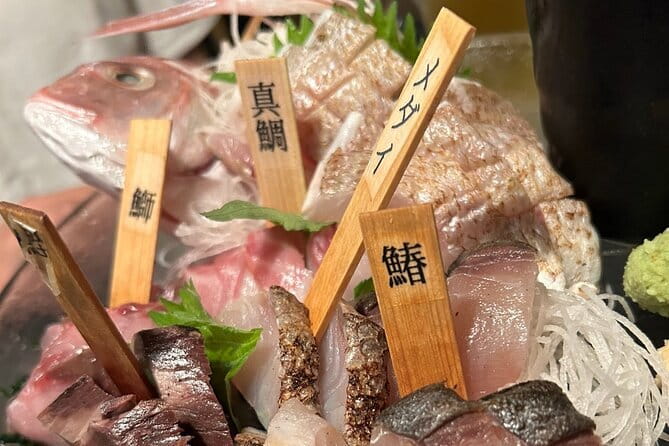
The food varies by season and availability. Across the included tasting, you might encounter items such as yakitori, dumplings, potato salad, stewed dishes, seafood, or more unusual choices. One particularly useful part of a guide-led visit is the confidence it gives you to try a dish you might otherwise skip because the menu is only in Japanese.
Do keep your expectations in check. Omoide Yokocho is not a quiet dining room, and the small venues have limited space. You may be eating quickly, sharing dishes, or standing close to other people. That is part of the setting, but it can be tiring for anyone who prefers a relaxed, private meal.
Godzilla Road adds a five-minute pop-culture stop
The next pause is at Godzilla Head and Godzilla Road. The towering monster head is one of Shinjuku’s most recognizable landmarks, and the stop takes about five minutes.
This is another short photo opportunity rather than a full attraction. It breaks up the food stops and helps you understand the playful side of Kabukicho, where entertainment, advertising, themed venues, and nightlife sit next to one another.
The stop is useful for first-time visitors because the area can feel like a maze at night. Your guide can keep the group moving and help you make sense of the streets instead of leaving you to wander through them without context.
Kabukicho shows the many sides of Tokyo nightlife

The longest section takes place in Kabukicho, Tokyo’s best-known entertainment district. You spend about an hour and 40 minutes exploring the area, hearing stories from the guide, and stopping for more local foods and drinks.
Kabukicho has a reputation that can make it seem either glamorous or intimidating. The reality is more varied. You’ll see bright signs, restaurants, bars, arcades, themed venues, and streets with a less polished feel. A guide is useful here because the tour provides context about how the district works and how its public image has changed.
The guides bring different personalities to the route. Sakura is known for explaining culture and etiquette in a warm, clear way. Kyle has a lively style and is especially good at drawing a group together. Seiya has been praised for his fluent English and friendly manner, while Taka and Kei have also led evening outings through the district.
Guide quality matters a lot on this tour. The food itself is only part of the experience. A good guide explains what you are eating, shows you how to approach a menu, and answers questions about language, customs, and daily life. Several guides have also helped people understand how social rules are changing in Japan, which gives the night more substance than a simple bar crawl.
You may visit more than one food or drink stop in this area, but the exact plan can change. Additional orders are possible if you want more, though you pay for those directly at the venue. That is worth remembering if you arrive hungry or if you are especially interested in drinks.
A few more Tokyo tours and experiences worth a look

Golden Gai is the most atmospheric walk
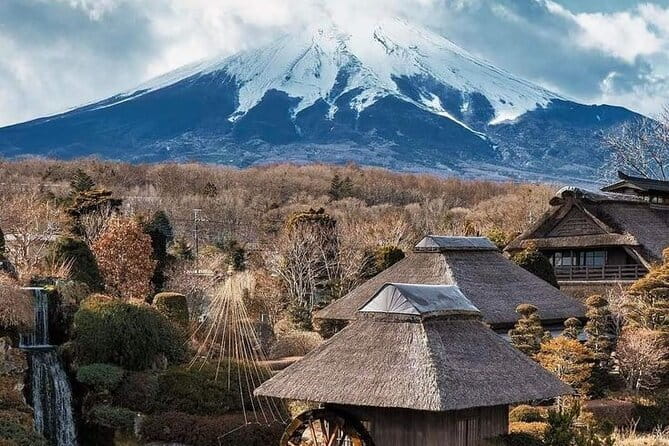
Golden Gai is known for its very narrow alleys and more than 200 tiny bars. It also preserves some postwar architecture, making it one of the few places in Tokyo where the city’s older nightlife character remains so visible.
You do not need to enter a bar in Golden Gai to enjoy the stop. Walking through the lanes gives you a close look at a side of Shinjuku that is easy to miss from the main roads. The buildings are compact, the signs are crowded together, and each doorway suggests a different kind of evening.
The area is also a good place for your guide’s stories. You can ask about bar customs, seating, ordering, and the difference between a place meant for regular customers and one that welcomes first-time visitors. This practical information can prevent awkward moments later in your trip.
Golden Gai is not suited to everyone. The lanes are tight, the bars are tiny, and the night can feel noisy or crowded. If you dislike close quarters or prefer a polished cocktail lounge, this part may not be your favorite. If you want to see a more unusual side of Shinjuku, it is likely to be one of the most memorable sections.
What the food is really like
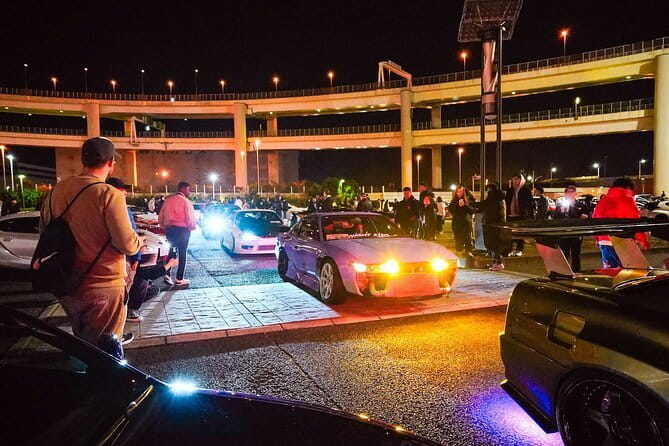
The tour includes 15 carefully selected Japanese dishes, with choices changing by season. The supplied information lists two drinks, alcohol or non-alcohol, although the tour title says three drinks. Because of that mismatch, I would ask the operator to confirm the current drink count before paying.
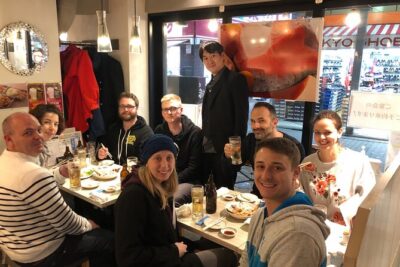
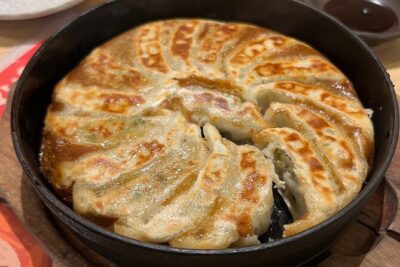
The dishes are served as a broad tasting rather than a single restaurant meal. Past examples have included yakitori, grilled dumplings, soup dumplings, beef offal stew, potato salad, salted squid guts, fried horse meat, century egg, and whole shrimp with eggs. These examples show the range: some are familiar, while others are intended to push you beyond standard tourist menus.
That variety is a major strength for adventurous eaters. You can sample foods you might not have the nerve to order alone, then ask the guide what they are and how locals eat them. Dumplings have been a particular favorite, and the meal can also include simple dishes that show how much Japanese drinking food depends on texture, salt, smoke, and small portions.
Dessert may be something simple such as taiyaki. Do not expect a separate dessert course at a pastry shop. The point is to taste a range of foods connected to the neighborhood and to Japanese drinking culture.
Portions can differ for solo participants, and substitutions are not guaranteed. The operator says the kitchens are outside its control, so allergy-free meals and dietary changes cannot be promised. If you have serious allergies or strict dietary needs, contact the provider before booking and be prepared for limited options.
Drinking etiquette is part of the lesson
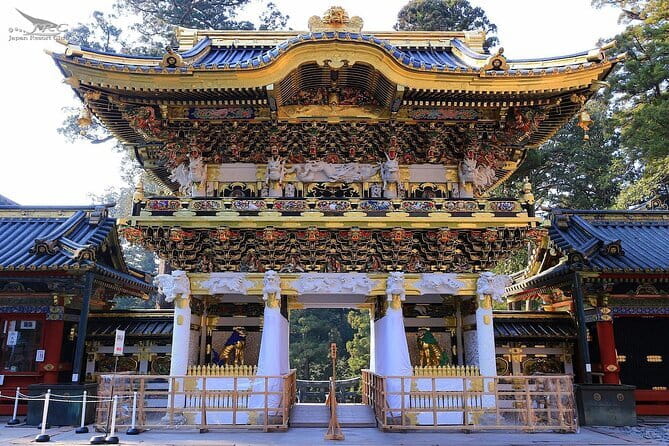
This tour includes alcohol for people aged 20 and over, which is the legal drinking age in Japan. Anyone under 20 receives soft drinks instead.
The guide explains Japanese eating and drinking manners, including how to order, share dishes, and behave respectfully in a small bar. This is one of the best reasons to take the tour early in your visit. You can use the advice during the rest of your time in Japan instead of learning by trial and error.
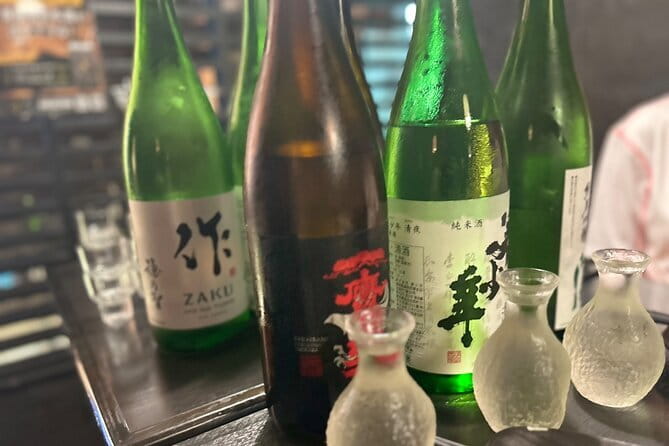
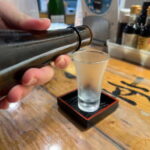
Drinks may include beer, lemon sours, whiskey highballs, tea mixed with shochu, or other local choices, depending on the stops. Non-alcoholic options are available, but the exact selection is not specified.
Pace yourself. The route lasts about three hours, includes walking, and may involve several tastings. The aim is to sample and learn, not to drink heavily. If you want more food or another drink, you can order extra items at your own cost.
Group size, walking, and timing
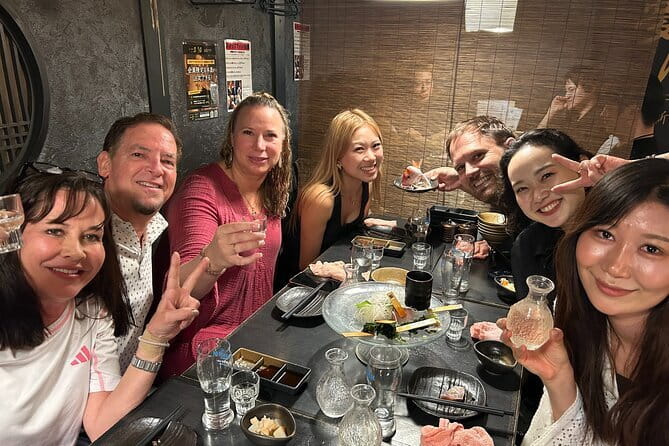
The maximum group size is 15 people. That is not a private tour, but it is small enough for a guide to speak with the group and manage movement through narrow alleys. In a tiny izakaya, even 15 people can feel like a lot, so the actual seating arrangement may affect how social the evening feels.
The activity ends in front of Shinjuku Station. The guide explains which station routes you need depending on your destination, which is useful because the station connects to several train and subway lines. If you want to remain at the last bar, you can stay there, but you will be dispersed at the bar rather than escorted onward as a group.
Most people can participate, and the tour is near public transportation. Children must be accompanied by an adult. You should also be comfortable walking and standing for much of the three-hour outing, though the supplied details do not state a specific accessibility plan.
Download WhatsApp before the day of the tour. It is used for communication, and having it ready avoids a last-minute problem if the guide needs to contact you.
How the $100 price measures up
At $100, the cost covers the guide, included food, included drinks, photographs taken during the tour, and explanations of Japanese food, culture, history, language, and etiquette. It also removes the stress of choosing a venue in a district where menus and customs may not be obvious.
The value depends on what you want. For a first night in Shinjuku, I think the price makes sense because you get orientation, food, nightlife, and social context in one outing. It can also save you from wasting money on random dishes or entering a bar that does not suit you.
The value is weaker if you expect 15 full-size dishes or several long restaurant visits. The number refers to selected tastes, and the food may be spread across only two main restaurants or venues. One serving may be substantial, another may be a small bite, and the menu can change.
Free cancellation is available if you cancel at least 24 hours before the start time. Cancellations or changes within 24 hours are not refunded, based on the local cut-off time.
Who should book this Shinjuku food tour?
I would choose this experience if you want a friendly introduction to Japanese food and nightlife, especially during your first few days in Tokyo. It suits solo visitors particularly well because the guide helps create a social evening, and it gives you a reason to go out even if you might otherwise stay in after a long day.
It is also a good fit for couples and small groups who enjoy trying unfamiliar food and asking questions. The tour is less suitable for anyone with severe allergies, strict dietary restrictions, or a strong preference for large meals and fixed menus.
Book it for the guide-led access and the setting, not just the dish count. The best moments are likely to come from learning how to approach an izakaya, understanding Golden Gai, and finding the courage to taste something you would not have chosen alone.
Should you book it?
Yes, if you want an easy, social way to see Shinjuku at night and sample a wide range of Japanese dishes without facing the menus alone. The strongest guides, including Sakura, Kyle, Seiya, Taka, and Kei, add the local explanation that turns a walk through Kabukicho into a useful cultural experience.
Book with realistic expectations. This is a nightlife and culture walk with food, not a three-hour banquet. Confirm the current number of included drinks, share any dietary concerns before booking, and arrive ready for small portions, narrow alleys, and a lively evening on foot.
FAQ
How long does the Tokyo Shinjuku Food and Backstreet Culture Tour last?
The tour lasts approximately three hours.
How many dishes are included?
The tour includes 15 carefully selected Japanese dishes. The dishes can vary by season, and the number offered to solo participants may differ.
How many drinks are included?
The included information lists two drinks, either alcoholic or non-alcoholic. The tour title refers to three drinks, so you should confirm the current allowance with Fuji Tour before booking.
Can people under 20 join the tour?
Yes, children must be accompanied by an adult. Alcohol is prohibited in Japan for anyone under 20, so participants under 20 receive soft drinks.
Are dietary restrictions and allergies accommodated?
Allergy-free meals and dietary restrictions cannot be guaranteed because the food is prepared outside Fuji Tour’s kitchen. Substitutions may not be possible at every stop, though the operator will try to compensate at other stops.
Where does the tour start and finish?
The tour starts at the Gucci Shinjuku M Square Store in Shinjuku. It finishes in front of Shinjuku Station, and the guide explains which station routes to use for your destination.
Can I cancel for a full refund?
You can receive a full refund by canceling at least 24 hours before the experience start time. Cancellations or changes made within 24 hours are not refunded.
More Food Experiences in Tokyo
More Tokyo Food Tours in Tokyo
More Shinjuku Tours in Tokyo
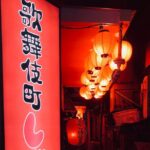
More tours in Tokyo we've reviewed












Tokyo Food Tours, compared.
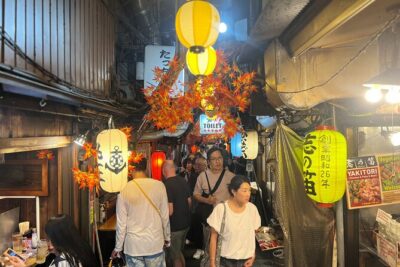 ★ 5.0Tokyo: Shinjuku Food Tour (13 Dishes at 4 Local Eateries)From $86
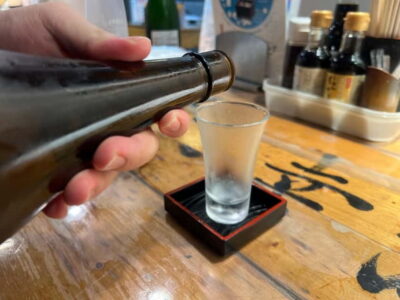 ★ 4.9Tokyo: Shinjuku Food Tour (13 Dishes and 4 Eateries)From $97
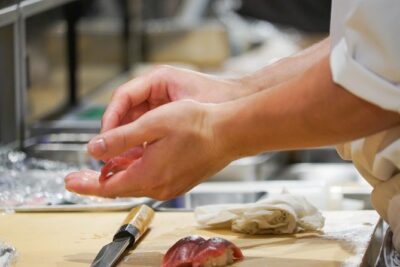 ★ 5.0Tokyo Night Foodie Tour in Shinjuku – Seasonal Sushi, Wagyu BeefFrom $111
 ★ 5.0Eat and Drink Like a Local: Tokyo Ueno Food Tour-Taverns&RamenFrom $95
 ★ 5.0Tokyo: Shibuya Food Tour (13 dishes and 4 Eateries)From $77
Tokyo: Shinjuku Food Tour – 15 Dishes, 3 Drinks, 4 EateriesFrom $723 hours
★ 5.0Tokyo: Shibuya Food Tour (13 dishes and 4 Eateries)From $77
Tokyo: Shinjuku Food Tour – 15 Dishes, 3 Drinks, 4 EateriesFrom $723 hours