Reviewed · MT FUJI DAY TRIPS
Mt. Fuji and Hakone Day Trip From Tokyo with Bullet Train Option
The best thing about this 11-hour day trip is how much ground it covers without asking you to decode Japan’s train maps. From Shinjuku, you reach Mt. Fuji’s 5th Station, Owakudani’s sulfur vents, Hakone’s ropeway, and Lake Ashi in one long but well-packed day.
In This Article
- Key points to know before booking
- Leaving Shinjuku for Mt. Fuji country
- Mt. Fuji’s 5th Station and the view you came for
- Owakudani’s sulfur vents and volcanic ground
- The Hakone Ropeway adds height and drama
- Lake Ashi by pirate ship
- Lunch, or bringing your own food
- Coach return or bullet train from Odawara
- What the guides add to the day
- Is $97.52 good value?
- Who should book this day trip?
- Final verdict: a useful sampler with a busy rhythm
- FAQ
- Where does the tour start?
- How long does the tour last?
- Is lunch included?
- Can I return to Tokyo by bullet train?
- What happens if I cannot visit Mt. Fuji’s 5th Station?
- What if the weather hides Mt. Fuji?
I like the mix of scenery and transport: the coach shows you the countryside, the ropeway gives you a high view over volcanic terrain, and the pirate-themed ship adds a pleasant change of pace. I also like the choice of a bullet train return, which can be welcome after a full day on the road.
The main catch is time. Some stops last only 30 minutes, traffic can eat into the schedule, and Mt. Fuji may vanish behind fog or cloud. If you want a slow Hakone visit, this is not it.
Key points to know before booking
- Mt. Fuji’s 5th Station is weather dependent: If the road is closed, the tour may switch to another Fuji-area stop.
- Three transport modes shape the day: You ride a Wi-Fi-equipped coach, glide on the Hakone Ropeway, and cruise Lake Ashi.
- The bullet train return saves energy: The non-reserved Shinkansen leaves from Odawara, but your guide does not ride with you.
- Lunch is optional: Choose the lunch upgrade for a Japanese-style meal, or bring food if you book the basic option.
- The pace is brisk: Crowds, traffic, and ropeway queues can shorten time at the sights.
- Strong guides make a real difference: Guides such as Happy, Ai, Yuka, Rino, Kenji, and Shun have been praised for clear English, humor, history, and careful group handling.
Leaving Shinjuku for Mt. Fuji country
Your morning begins at 8:30 am beside the Robert Indiana LOVE sculpture in Shinjuku. Look for the staff member holding a blue HIS flag. This is a practical meeting point, but Shinjuku is huge, so allow extra time if you are coming from another part of Tokyo.
Once aboard, you have an air-conditioned coach with free Wi-Fi. The bus is useful here because the route links places that are awkward to combine by public transport in one day. It also gives you a chance to rest between stops, though the long drive can feel like the price of convenience.
The group can be as large as 45 people. A smaller van may be used when numbers are low, but everyone follows the same general plan. Seat belts are required under Japanese law, and there is no restroom on the coach. Plan bathroom stops with care.
The first part of the morning can involve substantial road time. Traffic near Tokyo and Mt. Fuji is unpredictable, and a late arrival may mean shorter stops later. One of the clearest lessons from this tour is simple: this is a sightseeing sampler, not a relaxed countryside escape.
A few more Tokyo tours and experiences worth a look
Mt. Fuji’s 5th Station and the view you came for
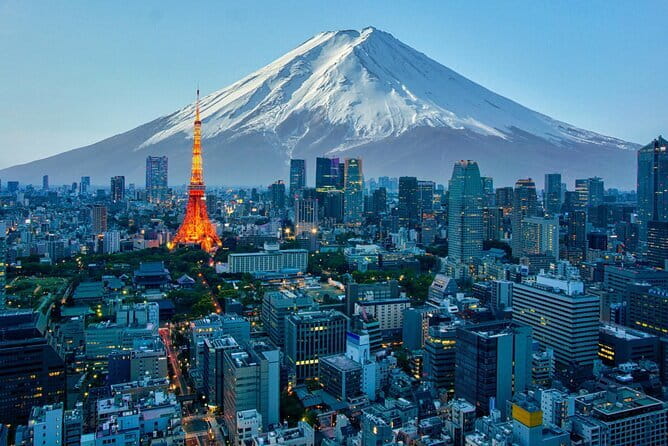
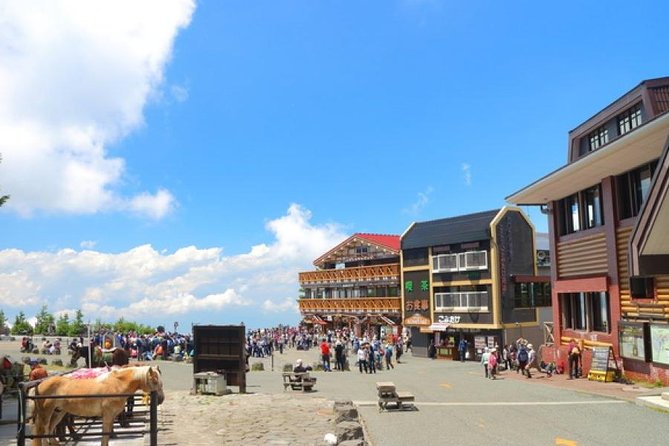
The coach heads toward Mt. Fuji’s 5th Station, a popular access point high on the mountain. At roughly this point, you are close enough to feel that Fuji is more than a distant postcard. The stop is also a good place for broad views, photographs, and a short look around the shops and shrine-related setting.
You normally get about 30 minutes here. That is enough to take photographs and enjoy the air, but not enough for a long walk or a thoughtful visit. Some people have found the stop closer to 20 minutes once the day falls behind schedule, so keep your camera ready and do not wander far from the meeting point.
The reward depends almost entirely on weather. On a clear day, Mt. Fuji can dominate the view and make the whole trip feel worthwhile. In fog, heavy rain, or high humidity, you may see very little. The tour does not cancel or refund simply because Fuji is hidden.
Road conditions can also close the route to the 5th Station. In that case, the plan may shift to the highest accessible station, the Fujisan World Heritage Center, Oshino Hakkai, Oishi Park at Lake Kawaguchi, Lake Yamanakako Hana no Miyako Park, or another Fuji-area stop. These alternatives may be useful, but they are not the same as standing on the mountain.
My advice is to book this trip with realistic expectations. Clear skies make a major difference, but no operator can promise them. Check the forecast, then treat the mountain stop as a welcome opportunity rather than a guaranteed view.
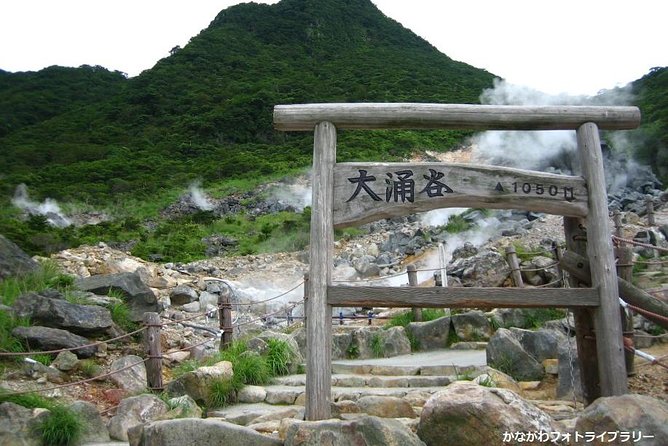
Owakudani’s sulfur vents and volcanic ground
From Fuji country, the tour moves toward Owakudani, a volcanic valley in the Hakone area. Steam rises from vents in the earth, and the air may carry a strong sulfur smell. This is a very different view of Japan from temples and city streets, and it gives the day some geological character.
You usually have around 30 minutes here. The stop is short, but the sight is concentrated: steaming ground, rugged slopes, and geothermal activity close to the viewing areas. Your tour conductor explains the setting, though the amount of commentary can vary between guides.
The walk is not difficult for most people, but comfortable shoes matter. You will be moving between the coach, ropeway, ship, and stations all day, often on crowded paths and platforms. Smooth, sturdy footwear will make the transfers easier.
Owakudani can also be affected by weather and operating conditions. If the ropeway cannot run, the operator may use another attraction in Hakone or the wider Fuji area, such as Hakone Komagatake Ropeway, Mishima Skywalk, Odawara Castle, Hakone Shrine, Hakone Checkpoint, or a museum. No refund is provided for these changes.
The Hakone Ropeway adds height and drama
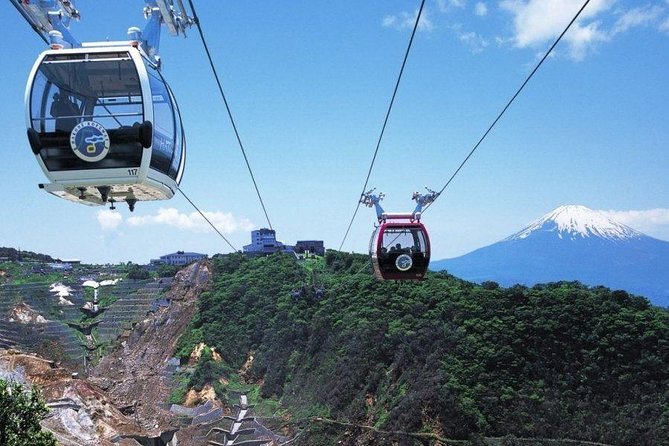
The ropeway is one of the day’s strongest features. You board for an aerial ride over Hakone’s volcanic area, with views of steaming vents and steep terrain below. It is a useful contrast to the long coach ride, because you are moving through the scenery rather than simply looking at it through a window.
The scheduled ride lasts about 25 minutes. Depending on operating conditions and the day’s route, you may ride between Owakudani and another Hakone station, with the precise movement shaped by traffic and ropeway operations. The ride itself is exciting, but queues can be the problem.
One traveler reported standing in line for more than an hour after a necessary ropeway change. That kind of delay can squeeze the Lake Ashi portion, and some departures have reached the ship after dark. Crowds are outside the guide’s full control, but they are a real consideration when you compare this tour with a private or self-guided Hakone day.
When the ropeway runs smoothly, it is a memorable part of the package. When the queue grows, the tour can feel rushed. Listen closely for instructions, stay with the group, and do not assume you can take a later cabin.
Lake Ashi by pirate ship
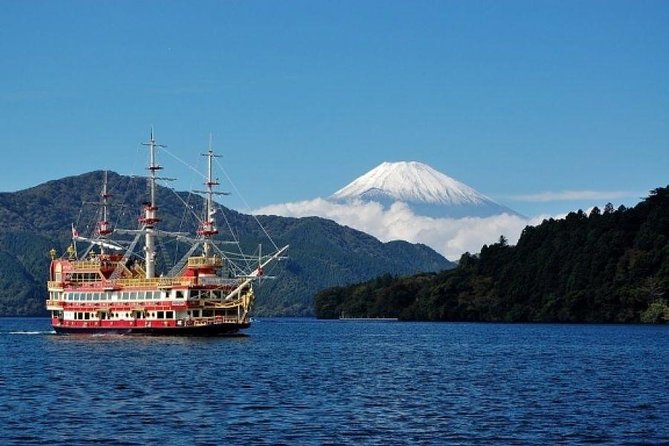
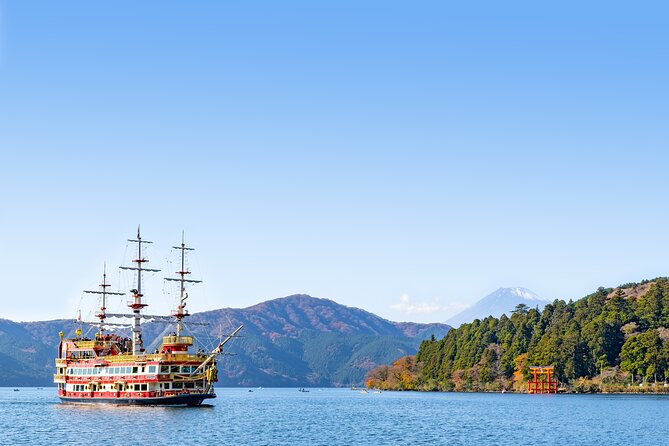
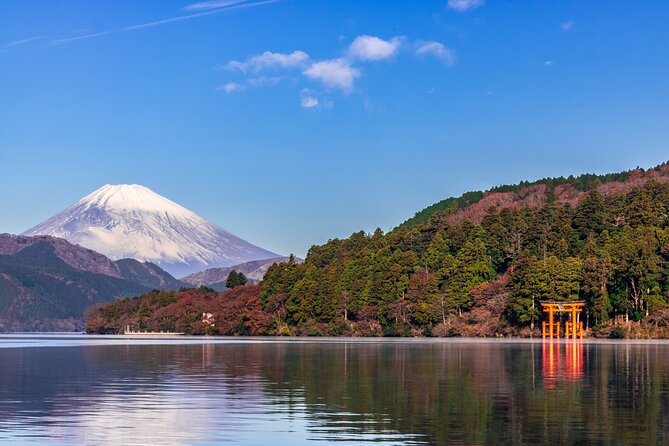
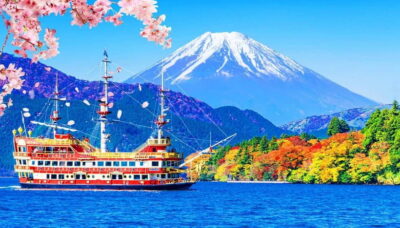
The final major sightseeing stop is Lake Ashi, where you board a pirate-themed pleasure boat. The ship is playful rather than traditional, but it gives you a comfortable view of the lake and surrounding hills. On a clear day, Mt. Fuji may appear beyond the water and ridges, offering another chance for a fine photograph.
The cruise lasts about 30 minutes. It is a pleasant way to end the sightseeing portion, especially after the ropeway and a busy day of transfers. The upper deck is the place to look for views, though wind and cold can make an indoor spot more comfortable.
Again, weather controls much of the experience. Fog can hide both the hills and Fuji, while strong wind may cancel the cruise. The ship can also feel crowded, particularly during busy periods. If it is canceled, the tour may switch to Hakone Machi or another listed attraction, including a Lake Ashi boat ride or a Lake Kawaguchi cruise.
Do not book this solely for the Fuji view from the ship. Think of it as a pleasant bonus. The cruise still provides a change of scenery when the mountain is hidden, but poor visibility can make the last part less impressive.
A few more Tokyo tours and experiences worth a look
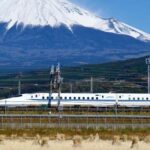
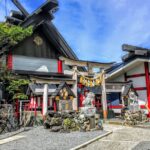
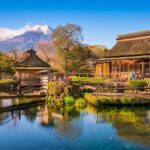
Lunch, or bringing your own food
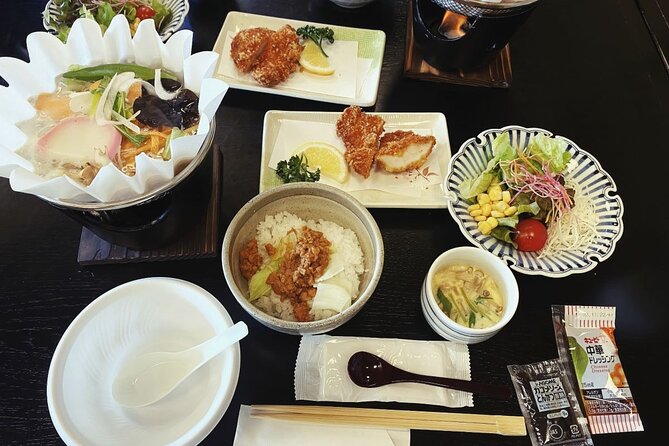
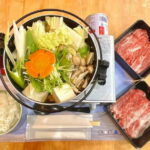
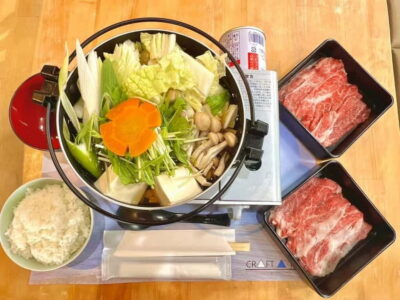
You can book the tour with a Japanese-style lunch. This is the easier choice if you do not want to search for food during a tightly timed day. Meals have been described as a decent buffet, and some departures include a hotpot-style meal with options for different tastes.
The quality may not suit everyone. One poor experience included an overheated dining room and food that caused illness, while other departures found the buffet very good. I would treat the lunch as practical fuel rather than a central culinary event.
If you choose the option without lunch, prepare ahead. The schedule may not leave you enough time to find a proper meal, and food places may not be available at the right moment. Allergy requests can usually be accommodated, but gluten-free meals are not provided.
Lunch time can also be brief. A 30-minute meal is enough to eat, but it is not leisurely. Keep your group moving and do not assume there will be time for a second serving or a long break.
Coach return or bullet train from Odawara
At the end of the Hakone section, the group reaches Odawara Station. This is where the return options split.
The motorcoach return takes you back toward Shinjuku, normally arriving around 7:30 pm, though traffic can make it later. This is the simpler choice if you want to remain with the group and avoid navigating a major station after dark. You may also arrange to leave the bus at Hakone-Yumoto Station or Odawara Station, but you must tell the operator in advance.
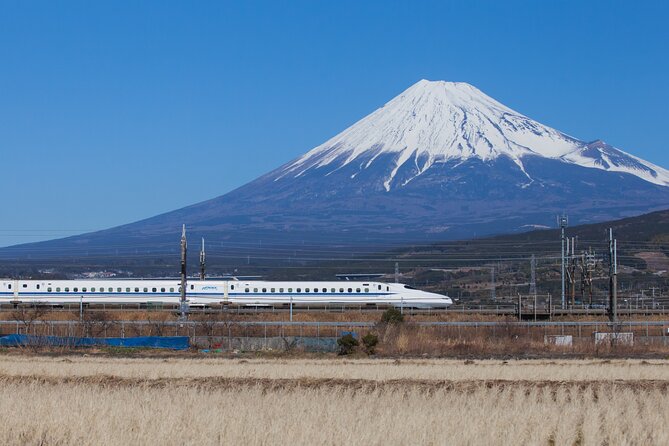
The bullet train option uses a non-reserved Shinkansen seat from Odawara to Tokyo Station. There are about two trains per hour on average, and the ride is a welcome change after a full day on the bus. The guide does not board the train with you, so you receive instructions before departure and make your own way after reaching Tokyo Station.
This option is not a direct ride to Shinjuku. You may need a local train connection, and Tokyo Station and Shinjuku can be confusing if you are tired or unfamiliar with Japan’s rail system. Keep your ticket handy, confirm which train you are taking, and ask the guide to explain the final connection before leaving the group.
If you miss the assigned bullet train because of a delay, no refund is offered. You are instructed to use the next train in the non-reserved section. Select this option only if you are comfortable handling a rail transfer without the guide beside you.
What the guides add to the day
Guide quality matters more here than on a simple sightseeing bus. You spend many hours together, and good commentary helps the drive feel purposeful.
Several guides have been praised by name. Happy has been noted for clear English, historical stories, humor, and even an origami lesson on the bus. Ai was described as patient and attentive, while Yuka brought history and questions into her commentary. Rino helped keep the group on schedule, and Kenji earned praise for staying calm and helpful in crowded conditions. Other well-regarded guides include Shun, Sunny, Emi, Harry, Hit Suzuki, and Tiako.
That does not mean every departure feels identical. One departure had an inexperienced guide and limited explanation, which made the long bus sections feel empty. If your guide gives clear meeting times and directions, follow them closely. The schedule has little spare time.
Is $97.52 good value?
At $97.52 per person, this tour offers solid value if you want a broad introduction to Mt. Fuji and Hakone. The price includes the air-conditioned coach, Wi-Fi, English-speaking tour conductor, ropeway, Lake Ashi cruise, and taxes and fees. With lunch added, you also remove one of the day’s practical decisions.
The value is strongest for first-time visitors who want the major sights in one shot. Buying separate transport and attraction tickets may be cheaper in some cases, but you would need to plan the route, monitor connections, and manage delays yourself. The tour takes care of that basic structure.
The tradeoff is personal freedom. You cannot linger at the 5th Station, wait indefinitely for clearer views, or choose how long to spend in Owakudani. A self-guided Hakone visit gives you more control, while this tour gives you reach and convenience.
Who should book this day trip?
I would choose this tour if you have one free day from Tokyo and want to see both Mt. Fuji and Hakone without renting a car. Families can benefit from the simple structure, and the experience suits a range of ages, provided everyone can manage walking, stairs, queues, and a long day.
It also works well if you value an English-speaking guide and want context during the drive. The ropeway and cruise give children and adults something to look forward to beyond viewpoints and photo stops.
I would hesitate if you dislike coaches, crowded attractions, or fixed schedules. I would also think twice if your top priority is a guaranteed Fuji photograph. Weather, traffic, ropeway queues, and cruise cancellations can change the day.
Final verdict: a useful sampler with a busy rhythm
Book this tour when you want maximum coverage with minimum planning. On a clear day, the combination of Mt. Fuji, Owakudani, the ropeway, and Lake Ashi creates a varied and memorable outing, and the bullet train return can make the journey home easier.
Skip it if you want deep time in one place. The day can involve long bus stretches, short stops, crowded queues, and a confusing final rail connection. For most first-time visitors, the $97.52 price is fair for the transport and number of included experiences, but go in expecting a full schedule, not a peaceful mountain retreat.
Cancellation is free up to 24 hours before the start time. Late cancellations and late arrival at the meeting point are not refunded, and the tour departs in poor weather unless the operator cancels it.
FAQ
Where does the tour start?
The meeting point is the Robert Indiana LOVE sculpture at 6-chōme-5-1 Nishishinjuku, Shinjuku City, Tokyo. Staff wait with a blue HIS flag, and the scheduled start time is 8:30 am.
How long does the tour last?
The experience lasts about 11 hours. The coach usually returns to Shinjuku around 7:30 pm, although traffic can make the arrival later.
Is lunch included?
Lunch is included only when you select the option with lunch. If you choose the basic option, prepare food before departure because suitable lunch stops may not be available.
Can I return to Tokyo by bullet train?
Yes. The bullet train option provides a non-reserved Shinkansen seat from Odawara Station to Tokyo Station. The guide does not travel on the train with you.
What happens if I cannot visit Mt. Fuji’s 5th Station?
Road or weather conditions may require a different stop. Alternatives can include the highest accessible station, the Fujisan World Heritage Center, Oshino Hakkai, Lake Kawaguchi Oishi Park, Lake Yamanakako Hana no Miyako Park, or another Fuji-area destination.
What if the weather hides Mt. Fuji?
The tour continues in poor visibility, and no refund is issued simply because Mt. Fuji cannot be seen. The ropeway or Lake Ashi cruise may also be changed or canceled due to operating conditions, with alternative sightseeing arranged when possible.
More 1-Day Tours in Tokyo


More Hakone Day Trips in Tokyo
More Mt Fuji Day Trips in Tokyo

More tours in Tokyo we've reviewed












Mt Fuji Day Trips, compared.
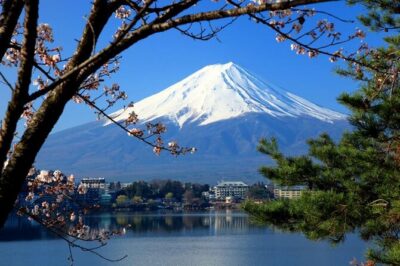 ★ 5.0Mt Fuji and Hakone 1-Day Bus Tour Return by Bullet TrainFrom $163
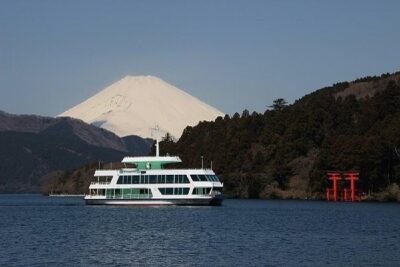 ★ 4.0Mt Fuji & Hakone Cruise, Drum Show Bullet Train 1 Day from TokyoFrom $149
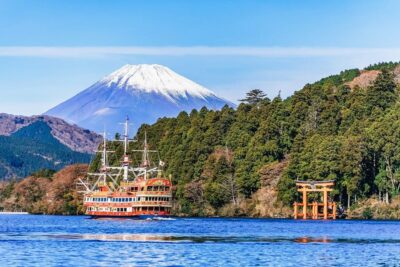 ★ 4.4Tokyo Mt Fuji 5th St & Hakone Cruise Bus Tour w/Bullet TrainFrom $15410 hours
 ★ 4.5From Tokyo: Mount Fuji Full-Day Sightseeing TripFrom $6810 hours
 ★ 4.7Tokyo: Mt. Fuji Tour, Hakone Ropeway, Owakudani, Lake AshiFrom $5410 hours
 ★ 4.4Tokyo:Mt.Fuji,Kawaguchiko Oishi Park,Arakurayama Sengen ParkFrom $5410 hours