Reviewed · MT FUJI DAY TRIPS
Tokyo: Mt. Fuji, Oshino Hakkai and Gotemba Outlets 1-Day Bus Tour
Mt. Fuji is the star here, but this tour gives you more than a mountain viewpoint. In one long day, you reach the 5th Station, see Lake Kawaguchi, walk among Oshino Hakkai’s clear spring ponds, and finish with outlet shopping.
In This Article
- Key points to know before booking
- A full Fuji day for $56.68
- Reaching Mt. Fuji’s 5th Station
- Lake Kawaguchi and the craft park stop
- Oshino Hakkai’s clear spring ponds
- Gotemba Premium Outlets after the scenery
- Guides, language, and the bus ride
- Weather, timing, and realistic expectations
- Who should book this Fuji day trip?
- Should you book it?
- FAQ
- Where does the tour start and finish?
- How long does the tour last?
- Is lunch included?
- Will I definitely see the top of Mt. Fuji?
- What languages are available?
- How much luggage can I bring?
I like the low $56.68 price and the simple round-trip bus ride from Shinjuku. I also like the mix of nature, Japanese culture, food, and shopping. The main catch is time: 40 minutes at the 5th Station and about an hour at the outlets can feel rushed, especially when traffic or weather cuts the day short.
Key points to know before booking

- Mt. Fuji’s 5th Station sits high on the mountain, so bring a jacket even in warm Tokyo weather.
- Oshino Hakkai offers the most peaceful stop, with eight clear ponds fed by water filtered through Mt. Fuji.
- Lake Kawaguchi and the 5th Station depend heavily on weather, and Fuji may be hidden by clouds.
- The bus holds up to 45 people, and English and Chinese commentary may share the same vehicle.
- Gotemba Premium Outlets is huge, but the scheduled shopping stop may be only 1 hour 30 minutes.
- The tour begins and ends near Shinjuku Station’s West Exit, with no Ueno drop-off.
A full Fuji day for $56.68

At $56.68 per person, this is priced as an efficient sightseeing day rather than a relaxed private excursion. You get air-conditioned transport, a conductor who speaks English or Chinese, and a route that would be difficult to cover by public transport in one day.
The value is strongest if you want a first look at the Mt. Fuji area without renting a car. The bus handles the long journey from Tokyo, and the day includes four distinct stops. You can see a high mountain viewpoint, a lake, traditional springs, and a major shopping center without arranging separate trains and buses.
The tradeoff is the usual one for a long-distance day tour: you spend a good part of the day on the road. Mt. Fuji is a long way from central Tokyo, and traffic around weekends, holidays, and bad weather can reduce the time at each stop. I would book this for variety and convenience, not for a slow, thoughtful visit to one Fuji site.
The tour runs for roughly nine to ten hours. It begins at the Shinjuku Station West area and returns to the same general location. You need to arrive at least 10 minutes early, and the bus leaves promptly. A late arrival or wrong meeting point means missing the tour without a refund, so check the meeting-point photo and QR code carefully before departure.
A few more Tokyo tours and experiences worth a look
Reaching Mt. Fuji’s 5th Station
The first major stop is Mt. Fuji’s 5th Station, reached by bus when road and weather conditions allow. At about the halfway point of the Yoshida climbing route, it serves as a traditional gateway for people heading higher up the mountain and as a sightseeing stop for everyone else.
You will find shops, restaurants, viewing areas, and the well-known 5th Station monument. There is also a seasonal post office, sometimes called the Mt. Fuji 5th Station Post Office, where you might find mountain-themed souvenirs and stamps when it is operating.
The station has cultural importance as well as scenic appeal. Mt. Fuji has long been connected with pilgrimage and mountain worship, and the traditional route begins near Fujiyoshida Sengen Shrine at the mountain’s base. The mountain itself rises 3,776 meters and is recognized by UNESCO for both its natural beauty and cultural meaning.
The practical problem is the short visit. The scheduled time is 40 minutes, which is enough for a quick look, photographs, a restroom stop, and perhaps one shop. It is not enough for a long walk or an unhurried meal. If Fuji is hidden by fog, the stop becomes more about the high-altitude setting, shops, and shrine-related culture than the famous mountain view.
Conditions at the 5th Station can change quickly. Take a jacket or coat, even if Tokyo feels mild. In June, the start of Japan’s rainy season, clouds and fog can block the mountain completely. Winter often offers clearer air, but cold conditions require proper clothing.
The road may also be closed. In that case, the tour can substitute another nearby place, but the replacement may feel less impressive and may come with little explanation. This is an important reason to keep expectations sensible: the tour cannot control mountain roads or cloud cover.
Lake Kawaguchi and the craft park stop

The route continues to the Lake Kawaguchi area, one of the Fuji Five Lakes and one of the best-known places for viewing the mountain’s reflection. When the sky is clear, the lake gives you a classic Fuji scene. When clouds move in, the water and surrounding area still make a pleasant break from the bus.
The scheduled stop is Kawaguchiko Craft Park, beside the lake. Lunch is optional, and you choose your meal when booking. Options include regional cuisine and a wine-related meal choice. If you select lunch, this is the point where the meal fits into the day, so check the booking details rather than assuming food is included.
I like the way this stop adds local flavor to a route that could otherwise become a string of viewpoints. You have time to eat and see the lake instead of simply stepping off the bus for a photograph. Still, the one-hour schedule must cover lunch and sightseeing, so you may need to choose between a leisurely meal and more time outdoors.
Several cultural sights are associated with the wider area, including shrines connected with Mt. Fuji worship. A shrine founded in 788 served as a spiritual starting point for mountain worship and a traditional gateway to climbing routes. Nino Asama Shrine, north of Nino Hachiko, is another old shrine area, with Japanese yew and zelkova trees around its grounds.
Those additional sites appear in the wider route description, but the exact schedule can change. Do not assume you will have time to visit every shrine or viewpoint named in the full description. Road conditions and group timing matter on this kind of day.
Oshino Hakkai’s clear spring ponds

Oshino Hakkai is the most atmospheric stop on the route. The small village is known for eight ponds fed by water that has filtered naturally through Mt. Fuji’s volcanic ground. The water is remarkably clear, and the ponds are recognized as a Natural Monument and included within the Mt. Fuji UNESCO World Heritage area.
You get about 50 minutes here. That is enough to walk between several ponds, take photographs, browse small shops, and enjoy the village atmosphere. I would use this time for the ponds first, since the clearest views and best photographs are the reason to come.
The springs give this stop a stronger sense of place than a standard roadside attraction. You see why water from Mt. Fuji matters to the area, and the ponds connect the mountain’s natural features with local life. The setting is smaller and calmer than Gotemba, though it can still feel busy when many tour buses arrive.
Near the entrance is a small garden with a pond and seasonal flowers. It has no reception desk. Admission is 200 yen, paid in a box near the gate, so keep a few coins handy if you want to enter. Some of the individual ponds are also described as part of the protected Oshino Hakkai Springs system.
Oshino Hakkai is a good place to slow down, but 50 minutes passes quickly. If you stop for food, souvenirs, and every pond, you may find yourself hurrying back to the bus. Keep track of the meeting time. The tour cannot wait for late arrivals.
Gotemba Premium Outlets after the scenery

The final major stop is Gotemba Premium Outlets, one of Japan’s largest outlet malls. It has hundreds of stores selling Japanese and international fashion, accessories, and other goods. Holiday discounts can make the stop worthwhile if shopping is part of your plan.
The scheduled time is about 1 hour 30 minutes. That sounds generous until you see the scale of the mall. You may need part of the visit to find the right store, use the restroom, and get something to eat. If you want serious shopping, this stop will feel short. If you simply want a quick look and a few bargains, it works better.
I see the outlet as a bonus rather than the central reason to book the tour. It gives you something easy to do if mountain weather is poor, and it breaks up the return journey. But anyone hoping to browse the entire complex should set a short shopping list before arriving.
Some people may prefer more time at Mt. Fuji or Lake Kawaguchi instead. That is the central compromise of this package: the outlet adds variety and commercial appeal, but it takes time away from the natural sights. If you are not interested in shopping, treat the mall as a convenient rest stop rather than a highlight.
A few more Tokyo tours and experiences worth a look



Guides, language, and the bus ride

The tour includes an English or Chinese-speaking conductor. Depending on the group, both languages may be used on the same bus. This can make the commentary longer and less even, especially when the group is large.
Guide quality can shape the day. Guides named in positive feedback include Mei, George, Koji, and Yoh. Mei was praised for punctual organization and useful information, while George was noted for helping the group stay on schedule. Koji provided English explanations about local history and culture, with Yoh assisting on the same trip.
You should not assume every departure will have the same guide or the same level of English commentary. One particularly poor experience involved a guide who gave long explanations in Chinese but very little in English. If cultural explanation is your main reason for booking, this language issue matters.
The bus itself is air-conditioned and comfortable enough for the long ride. The group can reach up to 45 people, so this is not a small-group experience by default. A larger group also means slower boarding, fixed departure times, and less flexibility when someone wants an extra photograph.
You may bring one piece of luggage, provided it fits comfortably in the vehicle. Trunk luggage should not exceed 155 centimeters when height, width, and depth are added together. You cannot access items stored in the trunk between stops, so keep passports, medication, valuables, and anything needed during the day with you.
Weather, timing, and realistic expectations

Mt. Fuji visibility is never guaranteed. A clear morning can turn cloudy, and a summer visit during the rainy season may produce no view of the summit at all. The tour operates in rain unless conditions become extreme, such as a typhoon.
I would check the forecast before booking, but I would not treat it as a promise. Winter often gives you a better chance of seeing a sharp outline, while June can bring rain and fog. Even with poor visibility, Oshino Hakkai and the lake can still provide worthwhile stops, but the day will not feel like a classic Fuji photograph tour.
Traffic is another major factor. Holidays and weekends can create serious delays on the roads between Tokyo, the Fuji area, and Gotemba. If the bus loses time, planned attractions may be shortened or omitted, and there is no refund for those changes.
The schedule is best for someone who prefers a list of highlights over free time. You see many places in one day, but you do not settle into any one of them for long. Pack a small lunch or snacks if you want to avoid using much of your sightseeing time for food, especially if the optional meal does not suit you.
Who should book this Fuji day trip?

I would recommend this tour to a first-time Tokyo visitor who wants a practical introduction to Mt. Fuji without arranging a complicated route. It suits couples, families, and solo visitors who like having transport and a basic schedule handled for them.
It is also a good fit if you want several types of stops in one day. You get mountain scenery, a lake, spring ponds, shrines in the wider Fuji area, food, and shopping. The low price makes the variety especially appealing.
I would hesitate if your main goal is climbing Mt. Fuji, spending hours by Lake Kawaguchi, or shopping at length. The 5th Station is a sightseeing stop, not a climbing expedition, and the outlet visit is too brief for a serious shopping day.
I would also think twice if you need a fully English-led cultural tour. English commentary is offered, but the amount of explanation can depend on the guide and on whether English and Chinese share the same bus. If that is crucial, confirm the language arrangements before paying.
Cancellation is free up to 24 hours before the start time. The operator can cancel if at least 10 people do not book, usually notifying you three to four days ahead, with a different date, another experience, or a full refund offered.
Should you book it?
Book this tour if you value breadth, convenience, and price more than long visits at individual sights. At $56.68, the bus transport and four-stop route offer a solid way to see the Fuji region from Tokyo, especially when you have only one spare day.
Do not book it expecting guaranteed Fuji views, a quiet small-group outing, or hours at the mountain itself. The strongest plan is to choose a clear-weather season when possible, bring warm layers, arrive early at Shinjuku, carry snacks, and accept that traffic may change the schedule.
For a first look at Mt. Fuji with Oshino Hakkai and a shopping stop added on, I think it is a sensible budget choice. Its best moments come when the weather cooperates and the guide keeps the day moving well.
FAQ
Where does the tour start and finish?
The tour starts and ends at the Shinjuku Station West area, at 1 Chome-5 Nishishinjuku, Shinjuku City, Tokyo. Shinjuku is the only available drop-off point, and the bus does not return to Ueno.
How long does the tour last?
The experience lasts approximately nine to ten hours, though traffic, weather, and other road conditions can cause delays or schedule changes.
Is lunch included?
Lunch is optional and is not included in the base tour price. You can select a preferred lunch option when booking.
Will I definitely see the top of Mt. Fuji?
No. Visibility depends on weather, and clouds, rain, or fog can hide the mountain. The tour operates in ordinary rain but may be canceled during extreme conditions such as typhoons.
What languages are available?
The conductor speaks English or Chinese. Depending on the number of participants, both languages may be used on the same bus.
How much luggage can I bring?
You can bring one piece of luggage per person. Luggage stored in the trunk should not exceed a combined height, width, and depth of 155 centimeters, and you will not be able to access it between stops.
More 1-Day Tours in Tokyo
More Mt Fuji Day Trips in Tokyo

More tours in Tokyo we've reviewed












Mt Fuji Day Trips, compared.
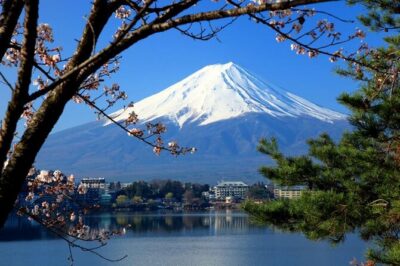 ★ 5.0Mt Fuji and Hakone 1-Day Bus Tour Return by Bullet TrainFrom $163
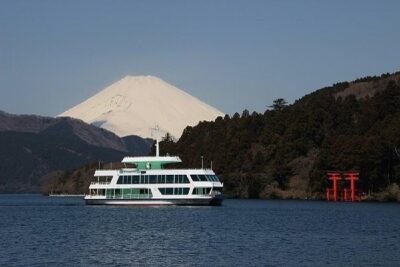 ★ 4.0Mt Fuji & Hakone Cruise, Drum Show Bullet Train 1 Day from TokyoFrom $149
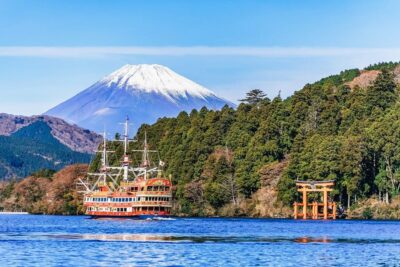 ★ 4.4Tokyo Mt Fuji 5th St & Hakone Cruise Bus Tour w/Bullet TrainFrom $15410 hours
 ★ 4.5From Tokyo: Mount Fuji Full-Day Sightseeing TripFrom $6810 hours
 ★ 4.7Tokyo: Mt. Fuji Tour, Hakone Ropeway, Owakudani, Lake AshiFrom $5410 hours
 ★ 4.4Tokyo:Mt.Fuji,Kawaguchiko Oishi Park,Arakurayama Sengen ParkFrom $5410 hours