Reviewed · SUMO EXPERIENCES
Chair Seat Guaranteed SUMO Practice +Photo +Culture Option
The best part of this three-hour Tokyo experience is the chance to watch real morning practice at a sumo stable, not a staged demonstration. You sit close enough to see the wrestlers warm up, collide, and repeat their drills, while the stable’s quiet rules give the session a serious, almost private feel. I especially like the guaranteed chair and the small group, which is limited to 10 people.
In This Article
- Key points before you book
- Watching sumo before the public sees it
- Why the guaranteed chair matters
- Finding Kiyosumi-shirakawa Station at 8:00 am
- Inside the sumo stable
- Meeting an active wrestler after practice
- Max, Masao, and the cultural explanation
- What the $102.47 price buys you
- The small drawbacks to plan around
- Who will get the most from this morning
- Booking, cancellation, and practical details
- Should you book this sumo practice?
- FAQ
- Where does the sumo practice tour meet?
- What time does the experience begin?
- How long does the tour last?
- Will I sit on the floor?
- How long do I watch the morning practice?
- Can I talk, eat, or drink during practice?
- Can I take photos?
- Is a wrestler Q&A included?
- Can I cancel for a full refund?
I also like the structure. The practice comes first, then a wrestler Q&A, group photo, and a 25-minute explanation of sumo history and customs from a local guide such as Max or Masao. The main drawback is that the meeting point and stable rules require care: arrive early, find Exit B1 by the FamilyMart, and be ready for no talking, eating, or drinking during practice.
Key points before you book
- Front-row chair seating: You avoid the floor cushions used at many sumo stables, a major plus if your knees or hips are not happy on the ground.
- A real training session: Watch wrestlers warm up and work through drills at close range, rather than seeing a tourist performance.
- Small group of up to 10: The size allows for a more personal guide presentation and wrestler Q&A.
- Meet an active wrestler: You may ask questions and take photos after practice, including the group photo included in the price.
- Early start in Kiyosumi-shirakawa: The 8:00 am meeting time helps you reach the stable before other groups and can mean better seating.
- Three parts, not just a viewing: Practice, wrestler contact, and cultural explanation make this more useful for first-time sumo spectators.
Watching sumo before the public sees it
Sumo practice is not a show. That is exactly why this experience works.
You enter a working stable during the morning routine and watch wrestlers prepare, train, and repeat their techniques. The action takes place close to the seating area, so you can see the physical effort in a way that is difficult to grasp from a distant tournament seat. The sound and force of bodies striking the training surface are part of the experience.
The session lasts about 1 hour and 40 minutes. During that time, you are expected to stay quiet. No talking, food, or drink is allowed while practice is underway. Photos are permitted, but pay attention to the guide and stable instructions about video, since one family was specifically told that videos were not allowed.
I see the silence as a feature, not a flaw. It keeps the room focused on the wrestlers and prevents the visit from feeling like a noisy sightseeing stop. You are observing a serious work session, so the best approach is to watch closely and save your questions for later.
This is also why the experience suits people who want an authentic look at sumo rather than a quick photo opportunity. The wrestlers are not performing for the group. They are training, being coached, and repeating movements with visible concentration.
A few more Tokyo tours and experiences worth a look
Why the guaranteed chair matters
Many sumo stable visits use floor cushions. That can be part of the traditional atmosphere, but it is not comfortable for everyone.
Here, you are promised a chair instead of floor seating. One of the strongest practical reasons to book is the relief this offers if you have weak knees, limited flexibility, or trouble standing up after sitting low for a long time. A chair also lets you focus on the practice instead of managing your legs.
The seating is described as very near the action, with front-row placement possible. That proximity gives you a clear view of warm-ups and contact drills. Still, do not expect a padded theater seat. One account specifically found the seating uncomfortable, so the guarantee means a chair, not luxury furniture.
The early meeting time may help with positioning. The tour begins at 8:00 am, and the group may arrive before larger groups disperse. If the difference between a near view and a distant view matters to you, set your alarm and arrive on time.
Finding Kiyosumi-shirakawa Station at 8:00 am
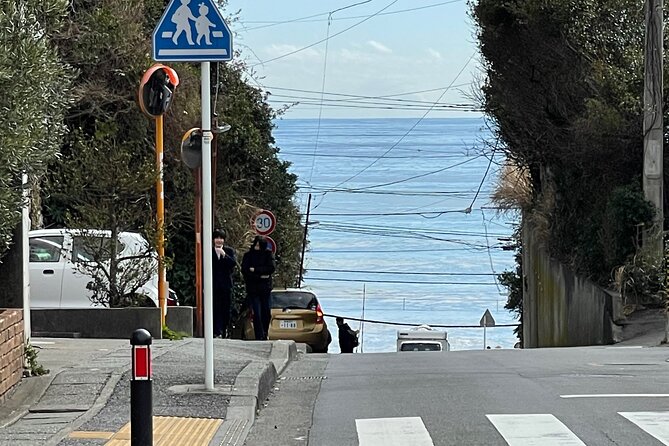
The meeting point is at Kiyosumi-shirakawa Station in Koto City, served by the Oedo and Hanzomon lines.
The instructions identify Exit B1, with the guide meeting you at ground level near a FamilyMart convenience store. Some directions and correspondence have referred to the exit as B, so I would not rely on the station name alone. Check the confirmation details carefully, then look for the convenience store landmark once you are outside.
This is the sort of meeting point where five extra minutes can save a lot of stress. Kiyosumi-shirakawa is not difficult to reach, but station exits can be confusing when you are watching the clock. The group transfers from the station to the stable, with about 20 minutes allowed for the journey there and back.
The transfer time is included in the approximate three-hour duration. The schedule can change slightly because the morning practice itself is a working session, not a theater performance with a fixed curtain time.
Inside the sumo stable
Once seated, you watch the practice unfold from close range. The wrestlers warm up, work through training routines, and clash with the force that makes sumo so striking even to people who know little about the sport.
This is where the guide’s role becomes important. At first, the repetition and ceremony may be hard to follow. You might see wrestlers stretching, stomping, pushing, or repeating a drill without knowing what each movement means. The later explanation helps connect those actions to sumo’s techniques, customs, and way of life.
The stable itself is a working place, so the visit has limits. You cannot chat during practice. You cannot eat or drink. You need to remain attentive and respectful for the full session.
For families, that rule deserves an honest warning. The experience has worked for children, including a 7-year-old, but children need a clear briefing beforehand. Explain that they must sit quietly, avoid moving around, and wait until later to ask questions. If your child cannot manage a silent 100-minute session, this may not be the right Tokyo activity.
Meeting an active wrestler after practice
After the training session, you get about 20 minutes for a Q&A with an active sumo wrestler. You may also have the chance to take individual photos.
This is a valuable change of pace. You move from silent observation to direct conversation, and questions that would be impossible during practice can now be addressed. The experience includes a group photo, giving you a simple souvenir of the visit.
The photo has an unusual appeal for sumo fans. As the wrestler’s career progresses, a picture from an early stage could become more meaningful. That possibility is not a promise of future fame, but it adds a personal touch to what could otherwise be just a morning of watching from the sidelines.
Keep in mind that the Q&A is not described as a long private interview. The group is small, but everyone needs a chance to participate. Think of it as a short meeting with room for questions and photographs, not a full training discussion.





Max, Masao, and the cultural explanation
The local guide provides a 25-minute presentation after the wrestler session. This covers the history and context of sumo, what the sport is, and how its customs developed.
I like this order. Watching first gives you questions. The presentation then helps explain what you have just seen, instead of asking you to absorb a lecture before the action begins.
Max has received particular praise for giving clear introductions and adding context to the practice. Masao is also described as entertaining and engaging. The exact guide may vary, so book with the expectation of a local host who explains the sport, not a guaranteed individual personality.
This explanation is especially helpful if you are new to sumo. Without context, you may notice strength and ritual but miss the meaning behind the routines. With the guide’s help, the visit becomes more than sitting quietly in a room and watching large athletes train.
The small group helps here. With a maximum of 10 people, the presentation should feel more direct than a large bus tour. You can listen, ask questions, and connect the morning’s movements to basic sumo customs.
What the $102.47 price buys you
At $102.47 per person, this is not a bargain if all you want is to see sumo wrestlers from a distance. The value comes from the combination of access, seating, guidance, and personal contact.
Your price includes:
- Entrance to the sumo stable
- A guaranteed chair
- About 1 hour and 40 minutes of morning practice
- A Q&A with an active wrestler
- A group photo
- A cultural presentation by the local guide
- Transfer time to and from the stable
The chair alone solves a real comfort problem. The guide also adds value because sumo practice can be difficult to interpret without background. Add the wrestler Q&A and photo, and the experience offers more than a basic viewing ticket.
I would call it good value for a first-time sumo visitor who wants a close view and does not have tickets to a professional tournament. It is less compelling for a dedicated sumo follower who already understands the sport and mainly wants a long, uninterrupted practice session.
The approximate three-hour schedule also fits well into a Tokyo morning. You start early, finish back at the station, and can continue sightseeing afterward. The meeting point is near public transportation, so you are not tied to a private vehicle or a distant suburban venue.
The small drawbacks to plan around
The biggest risk is not the sumo itself. It is the organization around the meeting point.
The instructions identify the station exit and FamilyMart landmark, but conflicting descriptions have caused confusion. I would print or save the confirmation, arrive early, and contact the provider before the day if the directions are unclear. Do not assume that simply reaching Kiyosumi-shirakawa Station means you are at the meeting spot.
The tour also requires patience. The practice is quiet, and you cannot eat or drink inside. The 100-minute viewing period may feel long if you are expecting constant action, since training includes warm-ups, repetition, and pauses.
Seating is another minor concern. A chair is far better than floor cushions for many people, but one account still found the seat uncomfortable. If you have serious mobility concerns, the stated moderate fitness level is worth noting. You need to reach the meeting point, transfer to the stable, sit through the practice, and return to the station.
Finally, confirmation is subject to availability and is normally received within 48 hours of booking. The activity also requires a minimum number of participants. If that minimum is not met, you are offered another date or experience, or a full refund.
Who will get the most from this morning
I would recommend this for a first Tokyo visit, especially if you want a cultural experience that feels connected to daily Japanese sport rather than a standard sightseeing stop.
It suits:
- First-time sumo spectators
- Visitors who prefer chairs to floor cushions
- Families whose children can remain quiet for the practice
- People who want a guide to explain customs and techniques
- Photographers who want a close view and a group picture
- Visitors who cannot get tournament tickets but still want to see sumo training
I would hesitate if you need a flexible late-morning schedule. The 8:00 am start is firm enough that a late breakfast or slow hotel morning will not fit. I would also think twice if you want to talk throughout the viewing or record video.
The experience is best for curious beginners. You do not need to arrive with a detailed understanding of rankings, rules, or Japanese terminology. The guide’s presentation is designed to give the morning context.
Booking, cancellation, and practical details
The activity lasts about three hours, though the timing is approximate. It begins at 8:00 am and ends back at the Kiyosumi-shirakawa meeting point.
A mobile ticket is accepted. Confirmation is sent within 48 hours, subject to availability. Service animals are allowed, and the meeting point is near public transportation.
You can cancel for a full refund up to 24 hours before the local start time. Cancellations or changes made within 24 hours are not refunded or accepted. Since the experience has a minimum number of participants, the provider can also cancel if that number is not reached, offering another date or a full refund.
Wear something comfortable for the transfer and extended seated viewing. Most important, arrive early, identify the correct station exit, and treat the stable like a workplace rather than a photo studio.
Should you book this sumo practice?
Book it if you want close-up sumo without sitting on the floor, and if you value explanation as much as the spectacle. The combination of a real practice, active-wrestler Q&A, group photo, and guide presentation gives a first-time visitor a well-shaped introduction to the sport.
Skip it if you dislike early starts, quiet observation, or strict rules. The practice is not a free-for-all, and the chair is practical rather than luxurious.
For most first-time Tokyo visitors with an interest in Japanese culture, I think the $102.47 price is justified. Just confirm the meeting instructions, arrive before 8:00 am, and remember that the best moments come from watching carefully, not from trying to turn the stable into a video set.
FAQ
Where does the sumo practice tour meet?
The tour meets at Kiyosumi-shirakawa Station in Koto City, Tokyo, served by the Oedo and Hanzomon lines. The instructions identify Exit B1 and a FamilyMart convenience store near the ground-level meeting point.
What time does the experience begin?
The start time is 8:00 am.
How long does the tour last?
The experience lasts approximately three hours, including the transfer to and from the sumo stable.
Will I sit on the floor?
No. This experience guarantees chair seating instead of floor cushions.
How long do I watch the morning practice?
The practice viewing lasts about 1 hour and 40 minutes.
Can I talk, eat, or drink during practice?
No. Talking, eating, and drinking are not permitted while the practice is taking place.
Can I take photos?
Yes. Photos are permitted during the practice according to the tour information, and you may also have a chance to take photos with an active wrestler. Video restrictions may apply, so follow the stable’s instructions.
Is a wrestler Q&A included?
Yes. The experience includes a Q&A session with an active sumo wrestler, along with a group photo.
Can I cancel for a full refund?
Yes. You can cancel at least 24 hours before the local start time for a full refund. Cancellations and changes made less than 24 hours before the start are not accepted or refunded.
More Sumo Experiences in Tokyo

More tours in Tokyo we've reviewed












Sumo Experiences, compared.
 ★ 4.8Tokyo: Sumo Show Experience with Chicken Hot Pot and a PhotoFrom $1032 hours
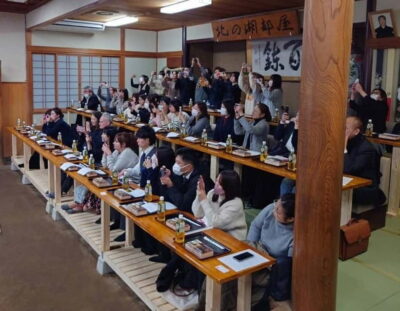 ★ 4.8Tokyo: Sumo Show and Dining ExperienceFrom $7990 minutes - 2 hours
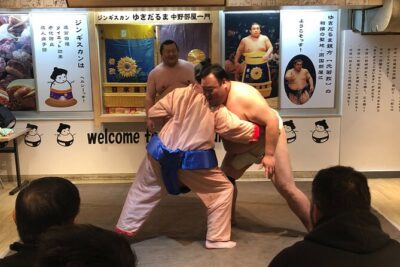 ★ 5.0the SUMO showFrom $89
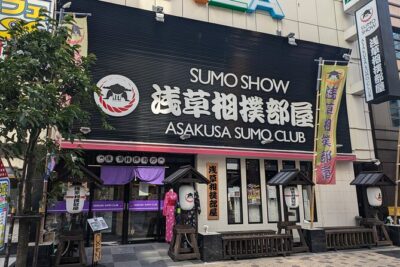 ★ 5.0Tokyo Sumo Entertainment Show with Chicken Hot Pot and PhotoFrom $106
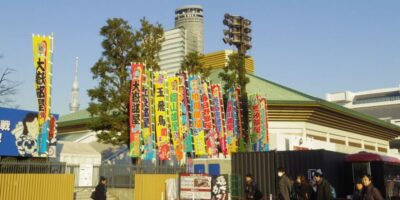 ★ 4.6Tokyo: Sumo Tournament Tour with Chair Seat TicketsFrom $141
 ★ 5.0Tokyo Grand Sumo Tournament Viewing Tour with TicketsFrom $124