Reviewed · NIGHT TOURS
Hidden Gem Food & Drink Night Tour near Roppongi
The best part of this four-hour food tour is its setting. Azabujuban sits between Roppongi and Tokyo Tower, yet it feels far removed from Tokyo’s big-name nightlife. You move through small local restaurants and bars, eating Japanese food that is difficult to order or find on your own.
In This Article
- Key points about this Azabujuban night tour
- Why Azabujuban makes a good food-tour base
- The first stop: a local izakaya meal
- The whiskey stop: five Japanese pours in one hour
- The final restaurant: homemade dishes from the neighborhood
- What the small group changes
- Is $168 a fair price?
- Food restrictions and who should book
- Practical timing and booking details
- Should you book this Azabujuban food tour?
- FAQ
- Where does the tour meet?
- Where does the tour end?
- How long does the experience last?
- How many people can join the tour?
- Is the tour offered in English?
- What food is included?
- How much Japanese whiskey do I taste?
- Are extra food and drinks included?
- Can I cancel for a refund?
I like the three-stop format, which gives you a proper meal instead of a string of tiny samples. I also like the whiskey tasting: five Japanese whiskeys, 15 milliliters each, enough to compare them without turning the evening into a race.
The main consideration is the price, $168 per person, which is a serious spend for a four-hour night. It makes the most sense if you value a small group, a live English-speaking guide, and access to local places more than you value choosing every dish and drink yourself.
Key points about this Azabujuban night tour
- Three local food and drink stops: Eat across izakayas, bars, and restaurants rather than spending the whole evening in one venue.
- Five rare Japanese whiskeys: Taste five types at 15 milliliters each during a dedicated one-hour bar stop.
- A filling amount of food: Your included meals are intended to fill you up, not merely decorate the plate.
- Choice of Japanese specialties: The first restaurant may offer yakitori, wagyu, or sashimi, depending on availability and your preference.
- Small group of no more than 10: The size suits questions, conversation, and easier movement through compact venues.
- English-speaking guides Ellen and Taku: Ellen leads the experience, with Taku also joining during some tours.
Why Azabujuban makes a good food-tour base
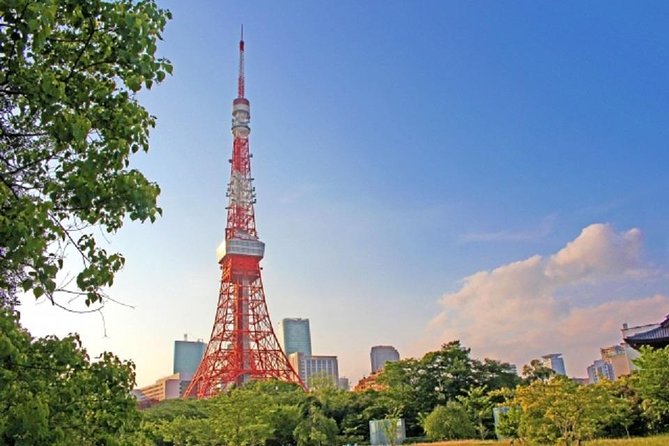
Roppongi is famous for nightlife, but this tour takes you into Azabujuban, a neighborhood between that district and Tokyo Tower. That location matters. You get a convenient meeting point without spending the evening in the most polished or tourist-focused parts of central Tokyo.
The tour begins in front of Exit 4 of Azabujuban Station, beside Oslo Coffee Azabujuban. Look for the red Japan Hopping sign. From there, your guide walks you through the neighborhood before the food stops begin.
That short guided walk gives the evening some shape. You are not simply dropped at a restaurant and handed a plate. You get an introduction to the area, then see how the night develops from one venue to the next.
I would choose this tour early in a Tokyo visit if you want help understanding Japanese food and restaurant customs. It can give you a useful starting point for later meals, especially if you are unsure how izakayas work or what to order.
A few more Tokyo tours and experiences worth a look
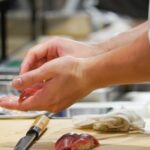
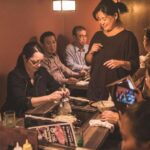

The first stop: a local izakaya meal
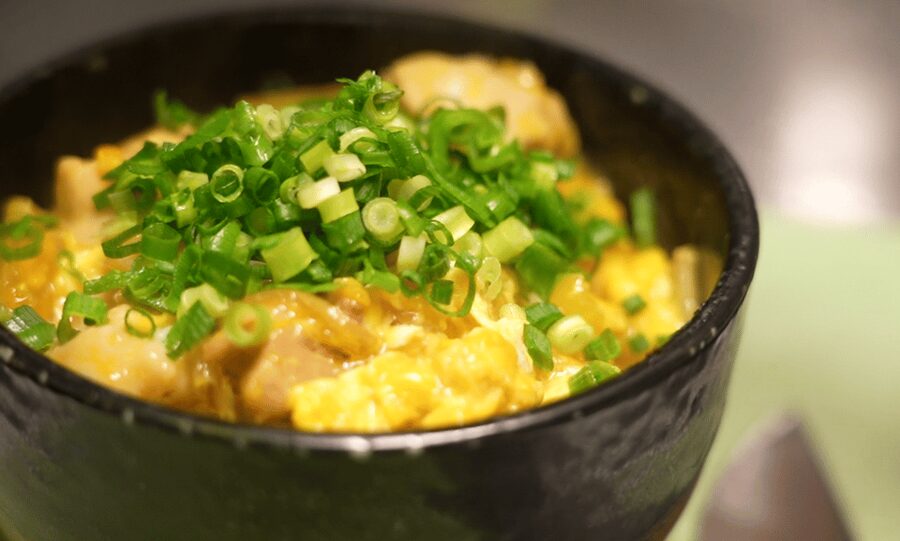
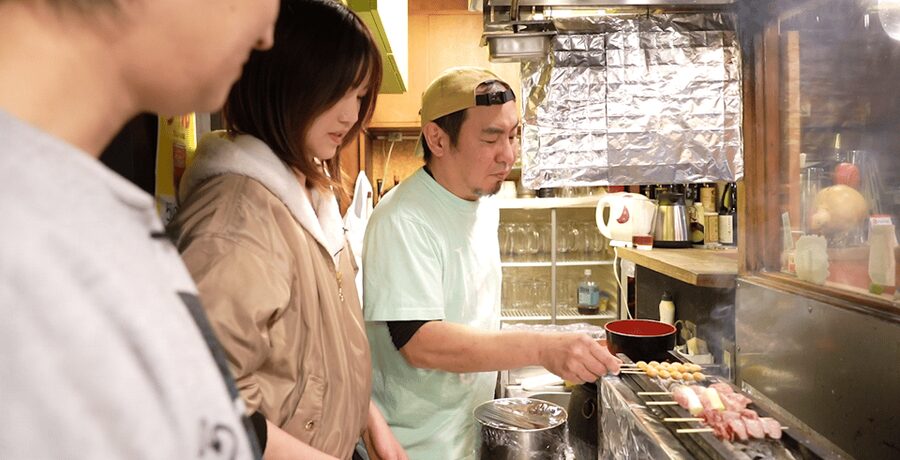
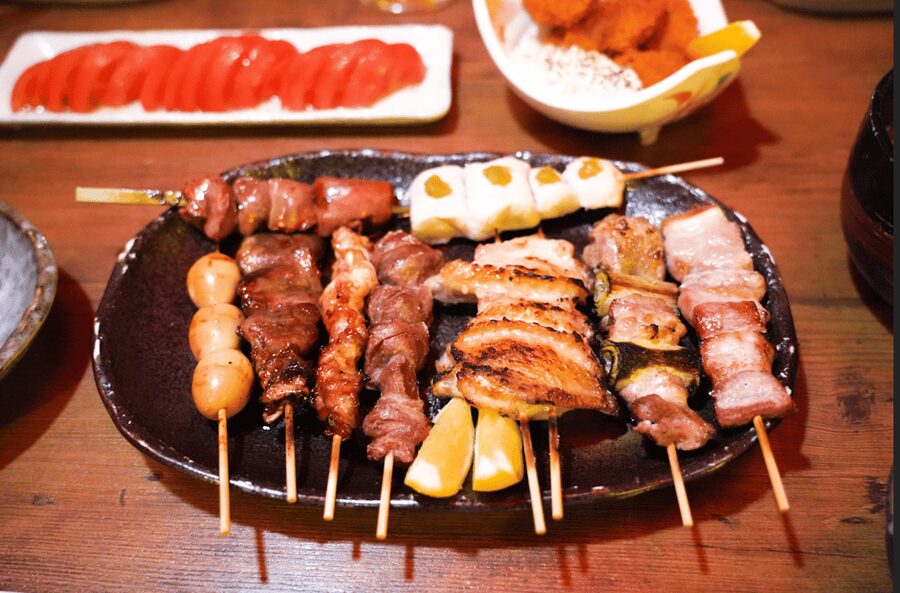
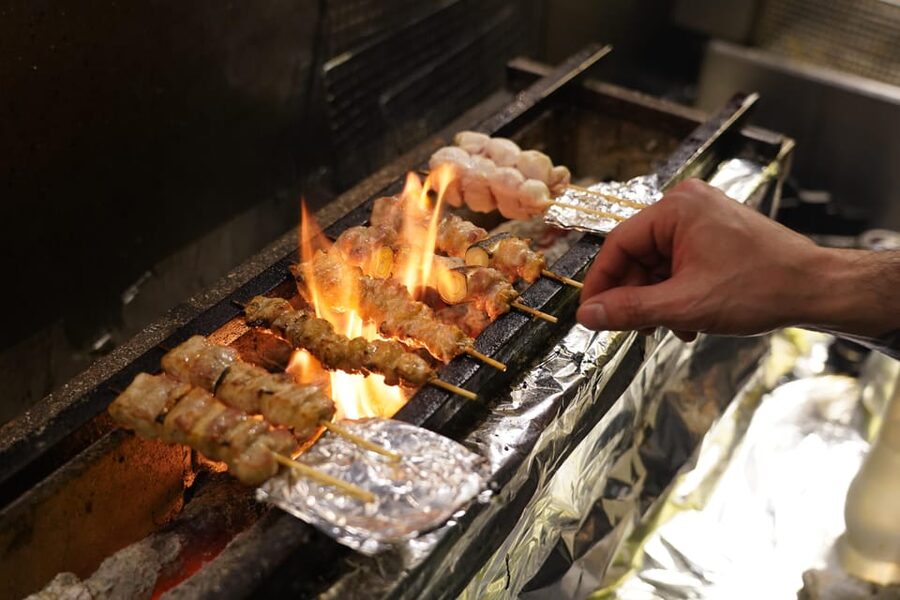
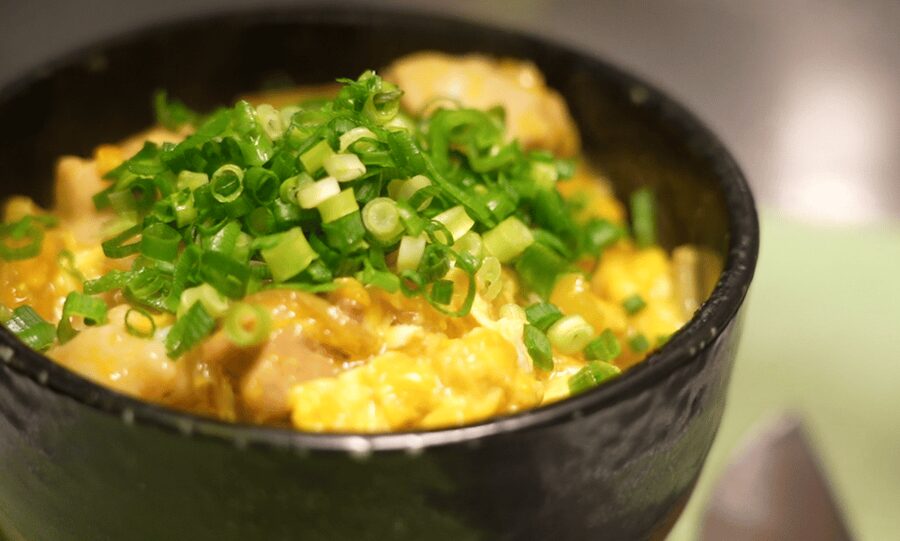
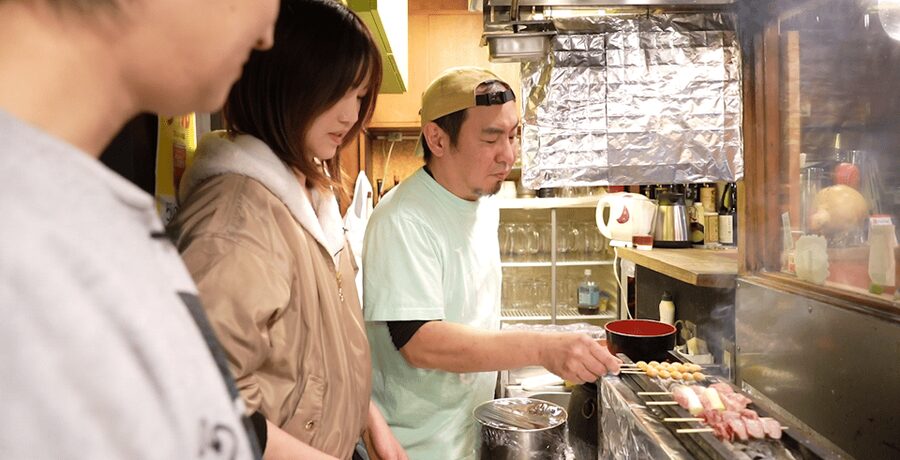
Your first substantial stop is a local restaurant, where you receive beer and dinner for about an hour. The food may include yakitori, wagyu, or sashimi. The exact restaurant depends on availability, but you can tell the tour team if you have a preference among those three options.
That flexibility is useful because these foods offer very different introductions to Japanese dining. Yakitori gives you grilled chicken skewers and the casual feel of an izakaya. Wagyu offers a richer beef-centered meal. Sashimi suits diners who want fresh raw fish and a more seafood-focused start.
You should not expect a fixed menu that is identical every night. The changing first venue is part of the local character, but it also means you cannot count on one exact dish. If a particular option matters to you, contact the operator before the tour and state your preference clearly.
The included beer helps make this feel like a Japanese night out rather than a formal tasting class. Izakaya meals are built around shared food, drinks, and conversation, so the first hour gives you a practical feel for that rhythm.
The amount of food is meant to fill you up. That is good news if you are booking this as dinner, not as a pre-dinner snack. Still, additional food and drinks cost extra, so bring cash if you think you will want to order beyond what is included.
The whiskey stop: five Japanese pours in one hour
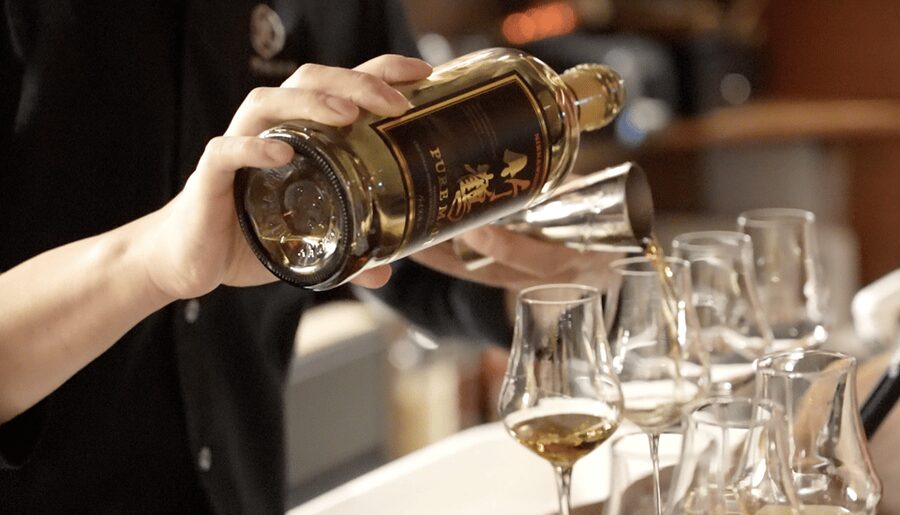
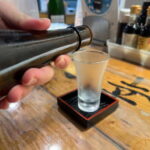
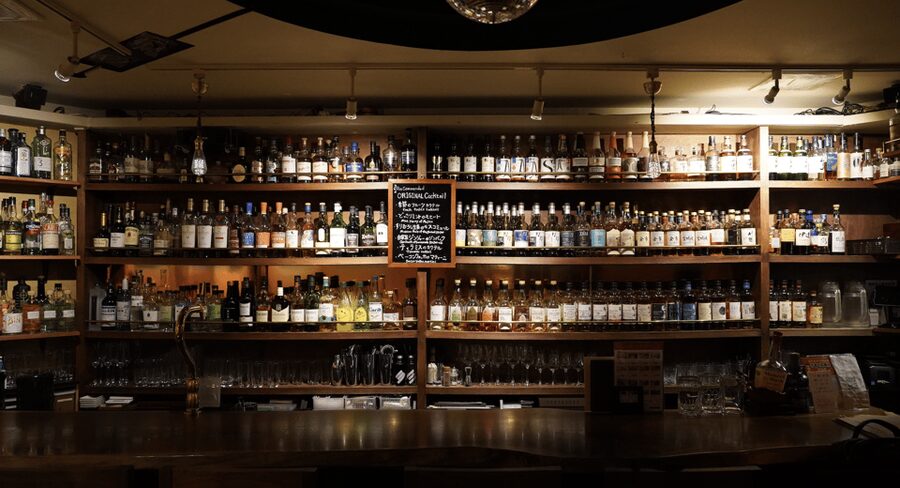
The second stop is a local bar devoted to whiskey tasting. You receive five different Japanese whiskeys, 15 milliliters of each. That is a smart tasting size: enough to compare the pours, but not so much that the night becomes difficult before the final restaurant.
This stop is one of the strongest reasons to consider the tour. Japanese whiskey can be expensive and confusing to explore on your own, particularly when bottles are rare or menus are not written with first-time tasters in mind. A guide can give the tasting context and help you notice differences between the five selections.
You do not need to be a whiskey expert to enjoy this part. The useful point is comparison. Five small pours let you form your own preferences rather than ordering one costly glass and hoping you chose well.
The tour includes the tasting, but any extra drinks are your responsibility. The included tasting is also not a promise of five full-size drinks. Think of it as a guided sampler within a broader food evening.
This stop may appeal less if you do not drink whiskey. The experience is specifically built around alcohol, and the tour is not suitable for pregnant women or people under 20. Anyone who prefers a nonalcoholic night should choose a different activity.
The final restaurant: homemade dishes from the neighborhood
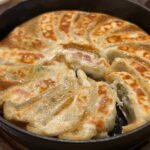
The third stop is another local restaurant, where you receive beer, dinner, food tastings, and homemade traditional dishes. The itinerary allows about an hour here, so the night ends with another proper food stop rather than a quick final bite.
The homemade dishes are associated with an Azabujuban neighborhood auntie. That detail gives the final stop a different feel from the first restaurant and whiskey bar. You are not only sampling famous Japanese items. You are also trying the kind of cooking that can make a neighborhood feel personal.
The exact dishes are not specified, so I would approach this part with an open mind. You might find familiar flavors, or you might encounter something you would not have ordered from a standard English menu. That uncertainty is a fair trade for a more local-style meal, but it may bother picky eaters.
By this point, you have had food at two restaurants, a whiskey tasting, and at least two included drinks. The evening is designed to be dinner, not just a tasting route. If you pace yourself, you should finish satisfied rather than searching for another meal afterward.
The tour returns to Oslo Coffee, the original meeting point. That makes the evening easier to plan than a tour that ends in an unfamiliar district. You can arrange your next move from a known station area.
What the small group changes
The group is limited to 10 people, with a live guide in English. That is a useful size for an experience built around compact restaurants and bars. You are more likely to hear explanations, ask questions, and keep track of the group as you move between stops.
Ellen is named as a guide, and Taku may join partway through the evening. One especially useful feature of their approach is flexibility. Ellen has sometimes added nearby food or cultural stops beyond the basic route when the opportunity made sense, while Taku also helped explain the area and food culture.
That does not mean you should expect a longer tour every time. The advertised duration remains four hours, and extra stops are not guaranteed. It does suggest that the experience can feel more like being shown around by local hosts than following a rigid checklist.
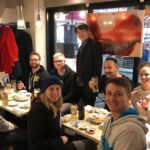
A small group also supports conversation. If you are traveling alone, this is a good way to share a table and a night out without committing to a large bus-style group. If you prefer privacy or a quiet dinner, the social format may not suit you.
A few more Tokyo tours and experiences worth a look
Is $168 a fair price?
At $168, this is not a budget dinner. You are paying for more than the raw cost of the meals: the guide, the neighborhood orientation, the access to several venues, the whiskey tasting, and the convenience of having the evening organized in English.
The value is strongest for first-time visitors who want to understand Japanese food culture without spending hours researching restaurants. It is also useful if you want to try rare Japanese whiskey but do not know which bar or bottle to choose.
The value is weaker if you already know Tokyo’s izakayas, speak Japanese, or prefer to order freely. You could potentially spend less by choosing your own restaurants and drinks, though you would give up the guide and the planned progression through three venues.
Keep additional spending in mind. The package includes an izakaya meal and one drink, five whiskey samples, homemade traditional dishes and one drink. Extra food, drinks, and personal purchases are not included.
Bring cash. The tour specifically advises it, and cash is also useful if you want to buy anything beyond the included food and drinks. Comfortable shoes are sensible because you will walk between venues and spend several hours out at night.
Food restrictions and who should book
Contact the tour team before booking if you have food allergies or dietary restrictions. The operator says it will do its best to accommodate requests, but the activity is not suitable for people with food allergies, so you should not assume that every restriction can be handled safely.
This tour is also not suitable for pregnant women or anyone under 20. The age restriction fits the alcohol-focused format. The stated upper age limit is 95, and comfortable shoes are recommended for the walking between stops.
I would recommend it to adults who enjoy trying several foods in one evening, want drinks included, and are comfortable letting the guide shape the menu. It is especially useful for solo visitors, couples, and small groups who want local direction rather than a famous restaurant reservation.
I would be more cautious about booking it for a very selective eater. Since the restaurant location and some dishes depend on availability, you cannot fully control the menu. Ask about your preferences before arrival, particularly if you strongly favor yakitori, wagyu, or sashimi.
Practical timing and booking details
The tour lasts four hours, but the starting time varies. Check the available time slots carefully before booking, then allow enough time to reach Azabujuban Station Exit 4.
The activity begins and ends at Oslo Coffee Azabujuban. Meeting beside the cafe makes the starting point fairly clear, but contact the operator if you have trouble finding the red Japan Hopping sign.
You can cancel up to 24 hours in advance for a full refund. The reserve-now, pay-later option also gives you some flexibility while arranging your Tokyo schedule.
The activity is offered in English and is limited to 10 participants. That combination is worth noting because restaurant-based tours depend heavily on clear communication. You are not simply receiving a list of dishes. You are relying on the guide to explain what you are eating and how the evening fits into Japanese drinking culture.
Should you book this Azabujuban food tour?
Book it if you want a full night of Japanese food and whiskey with local guidance, especially early in your Tokyo stay. The three different venues, filling portions, five whiskey samples, and small English-speaking group give you a broad introduction in one evening.
The strongest reasons to go are the access to places you might not find alone, the chance to compare rare Japanese whiskeys, and the personal touch from guides such as Ellen and Taku. The main drawbacks are the high price, alcohol-centered format, and limited control over the exact restaurants and dishes.
For a casual, self-directed dinner, spend the $168 elsewhere. For a guided night that helps you get your bearings with Japanese food, drinks, and neighborhood dining, this is a strong choice.
FAQ
Where does the tour meet?
Meet in front of Azabujuban Station Exit 4, next to Oslo Coffee Azabujuban. The guide will be waiting with a red Japan Hopping sign.
Where does the tour end?
The tour ends back at the original meeting point, Oslo Coffee Azabujuban.
How long does the experience last?
The experience lasts four hours. Starting times vary, so check availability for the date you want.
How many people can join the tour?
The group is limited to 10 participants.
Is the tour offered in English?
Yes. The tour includes a live English-speaking guide.
What food is included?
You receive a Japanese izakaya meal with one drink, homemade traditional dishes with one drink, and additional food tastings. The first restaurant may serve yakitori, wagyu, or sashimi depending on availability and preference.
How much Japanese whiskey do I taste?
You taste five types of Japanese whiskey, with 15 milliliters of each type.
Are extra food and drinks included?
No. Additional food, drinks, and personal purchases are not included.
Can I cancel for a refund?
Yes. You can cancel up to 24 hours in advance for a full refund. The activity also offers reserve now and pay later booking.
More Evening Experiences in Tokyo

More Food Experiences in Tokyo
More Night Tours in Tokyo
More tours in Tokyo we've reviewed












Night Tours, compared.
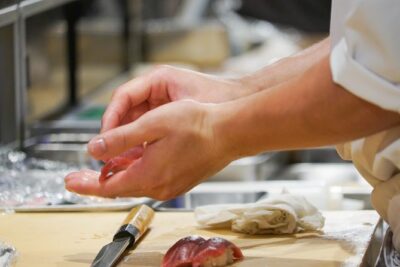 ★ 5.0Tokyo Night Foodie Tour in Shinjuku – Seasonal Sushi, Wagyu BeefFrom $111
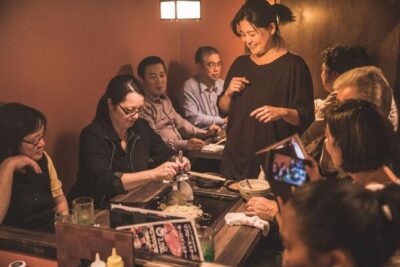 ★ 4.5Tokyo After 5: Authentic Japanese Food & Drink Night TourFrom $122
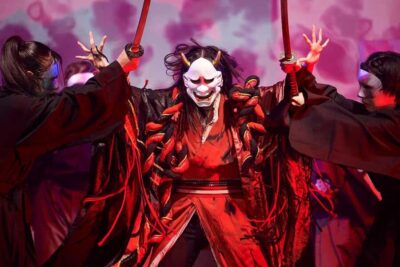 ★ 4.6Tokyo: Legend Samurai Entertainment Night in Kanda ShrineFrom $44
 ★ 4.5The Dark Side of Tokyo – Night Walking Tour Shinjuku KabukichoFrom $25
 ★ 4.8Tokyo: Night Foodie Tour in ShinjukuFrom $164
 ★ 5.0Tokyo: Daikoku JDM Car Meet & Night Car Culture TourFrom $99