Reviewed · KAMAKURA & ENOSHIMA DAY TRIPS
Tokyo: Kamakura and Yokohama Private Day Trip with Guide
Kamakura gives you Japan’s old temple town, while Yokohama adds gardens, Chinatown, ramen, and a modern waterfront. This 10-hour private day trip packs both cities into one long outing, with pickup and drop-off at your Tokyo hotel.
In This Article
- Why This Day Trip Works From Tokyo
- Meeting the Great Buddha at Kotoku-in
- Hase-dera and the Kamakura Temple Circuit
- The Quiet Bamboo Grove at Hokokuji
- Sankei-en Garden’s Old Japanese Homes
- Chinatown: Food, Shops, and a Longer Break
- The Shin-Yokohama Ramen Museum
- Minato Mirai and the Landmark Tower
- What the Private Vehicle Adds
- Is Ten Hours Enough?
- Price, Group Size, and Extra Costs
- Who Should Book This Experience?
- Should You Book This Kamakura and Yokohama Day Trip?
- FAQ
- Where does the tour begin and end?
- How long does the experience last?
- How many people can join the private group?
- Which languages are available?
- Is the Great Buddha included?
- Are meals included?
- What should I bring?
- Is Sankei-en Garden beautiful in every season?
- Is the tour suitable for wheelchair users?
- Can I cancel the booking?
I like the simple door-to-door transport, especially for a group that does not want to work out several train connections. I also like the mix of major sights and smaller stops, from the Great Buddha and Tsurugaoka Hachimangu to the bamboo grove at Hokokuji and the seaside Minato Mirai district. The catch is the packed schedule and uneven guide reports, so confirm the day’s plan and guide details before setting off.
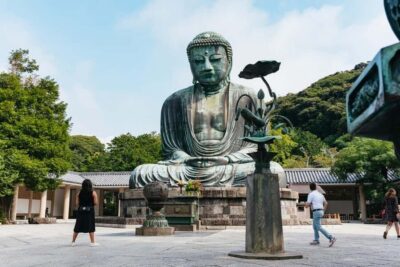
- Kamakura’s Great Buddha: See the famous 13-meter bronze statue at Kotoku-in, one of the day’s clearest highlights.
- Four Kamakura stops: Hase-dera, Tsurugaoka Hachimangu, and Hokokuji add temples, gardens, and a bamboo grove.
- Sankei-en Garden: Walk among preserved Japanese residences in a broad botanical park, though seasonal timing matters.
- Yokohama’s changing faces: Chinatown, the Shin-Yokohama Ramen Museum, and Minato Mirai show three very different sides of the city.
- Private vehicle service: Hotel pickup, bottled water, and a group of up to six make the day easier than managing public transport.
- A full but demanding day: Commuting time is included in the 10 hours, and entrance fees and meals are extra.
Why This Day Trip Works From Tokyo
Kamakura and Yokohama sit south of Tokyo, and each deserves more than a quick glance. Kamakura was a medieval political center and is filled with major Buddhist temples and Shinto shrines. Yokohama is a port city with Chinese food, modern towers, landscaped gardens, and a broad waterfront.
Doing both in one day is useful if your Tokyo stay is short. You get a taste of two places that feel different from the capital without changing hotels. The private vehicle also removes the need to navigate stations, platforms, and transfers with a family or small group.
Still, this is not a slow, meditative temple day. The listed program includes several one-hour visits, a 90-minute Chinatown stop, a ramen museum visit, and time in Minato Mirai. Since the drive from Tokyo and movement between stops count toward the 10 hours, you should expect a busy day rather than long stretches of free exploration.
The price is $474 per group of up to six. That can be reasonable for six people, since the cost works out to $79 per person before meals and admission charges. For two people, the same vehicle costs $237 per person, so the value depends heavily on group size and how much you value private transport.
Meeting the Great Buddha at Kotoku-in
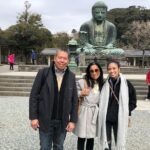
Kotoku-in is the essential Kamakura stop. Its Great Buddha is a bronze figure roughly 13 meters high and has been in place since the 15th century. The statue gives you an immediate sense of Kamakura’s religious importance, and its scale makes this a strong first major sight.
The planned visit lasts about an hour. That should allow time to approach the statue, look closely at its workmanship, and take photographs without turning the stop into a rushed photo call. Entrance fees are not included, so keep some budget aside for admissions throughout the day.
This is one place where a guide can add real value. A bilingual guide can explain what you are seeing and help you understand the difference between a Buddhist temple visit and the Shinto sites later in the morning. The quality of that explanation will depend on the person assigned to your group, which is worth checking in advance.
A few more Tokyo tours and experiences worth a look
Hase-dera and the Kamakura Temple Circuit
Hase-dera provides a different mood from the open space around the Great Buddha. The visit is scheduled for about an hour, giving you time to walk through the temple grounds and take in the setting.
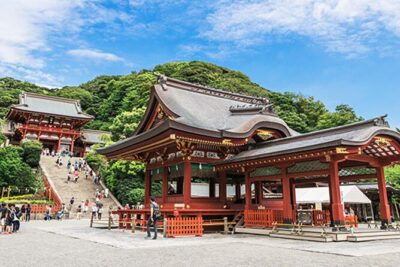
The route then continues to Tsurugaoka Hachimangu, Kamakura’s major Shinto shrine. Having both Hase-dera and Tsurugaoka Hachimangu on the same day helps you see more than one part of Japan’s religious tradition. I like this pairing because it keeps the itinerary from becoming a string of similar-looking temple buildings.
You should wear shoes that are comfortable for walking. The activity information specifically warns that walking is involved, and the day includes several stops on foot. A hat, sunscreen, and a camera are also sensible items to bring, especially during warmer months.
The Quiet Bamboo Grove at Hokokuji
Hokokuji is scheduled for one hour and gives the day a more peaceful nature stop. Its bamboo forest is a compact but memorable change from Kamakura’s busy headline attractions.
Do not expect this part to take half a day. The planned hour is enough for a walk and photographs, but the stop is still one piece of a much larger circuit. If bamboo is high on your wish list, ask the guide how much time you will have here before the day begins.
The sequence of Kotoku-in, Hase-dera, Tsurugaoka Hachimangu, and Hokokuji is the strongest part of the Kamakura portion. You see a giant bronze Buddha, a temple, a major shrine, and a bamboo grove, with each stop offering a different visual and cultural experience.
Sankei-en Garden’s Old Japanese Homes
After Kamakura, the tour heads to Sankei-en Garden in Yokohama. This botanical park contains preserved Japanese residences from different periods, so the appeal is not only flowers or greenery. You also get a look at traditional homes and architectural details in a park setting.
The visit is planned for about an hour. That is enough for a useful walk, but not enough to inspect every corner at a leisurely pace. If you like old houses, gardens, and quiet photography, this may be one of the day’s best stops.
Timing matters here. One December visit specifically found Sankei-en less rewarding outside its strongest seasonal periods and suggested spring or fall instead. That does not make the garden useless in winter, but it does mean you should set your expectations. If your visit falls in December, ask how much of the garden is likely to be at its best before you decide how much time to spend there.
Chinatown: Food, Shops, and a Longer Break
Yokohama Chinatown receives about 90 minutes, making it the longest scheduled stop apart from the transport portions of the day. The district is known for hundreds of Chinese restaurants and shops, so this is the natural place to buy a meal or sample something different from the Japanese food elsewhere on the tour.
Meals are not included. That gives you freedom to choose your own food, but it also means the group needs to manage its time carefully. A sit-down meal could use most of the 90 minutes, while a quicker meal leaves room for shopping and a walk.
I like the contrast here. After several religious and historic sites in Kamakura, Chinatown feels more urban and commercial. It also gives you a chance to pause, eat, and recharge before the final Yokohama stops.
Other guided tours in Tokyo
The Shin-Yokohama Ramen Museum
The itinerary includes about an hour at the Shin-Yokohama Ramen Museum. Despite its name, this is more than a display of ramen facts. The stop is intended as a food and sightseeing experience, although your admission and any food purchases are extra.
The one-hour visit is fairly short, so you may need to choose between looking around and eating. If ramen is a priority, tell the guide early in the day. The group may need to keep moving to protect the later waterfront stop.
This stop also adds another layer to Yokohama. Chinatown offers Chinese food and shops, while the Ramen Museum turns attention to one of Japan’s best-known dishes. Together, they make the Yokohama portion more varied than a simple city sightseeing drive.
Minato Mirai and the Landmark Tower
The final major area is Minato Mirai, Yokohama’s seaside district. The area is known for the 296-meter Landmark Tower and modern waterfront views. After the temples, shrine, bamboo, and traditional homes, this is a clear change of pace.
The schedule lists a walk here plus about 30 minutes of free time at the end. That is enough for a look around and photographs, but probably not enough for extended shopping or a full Landmark Tower visit if admission is required.
Minato Mirai is a good closing stop because you finish with a modern view of Japan rather than another historic building. The waterfront also gives the guide a chance to adjust the pace after a long day of walking.
What the Private Vehicle Adds
The main practical benefit is not luxury. It is time and simplicity. Your guide picks you up in Tokyo, drives you between Kamakura and Yokohama, and returns you to your hotel. For a group of up to six, this can be much easier than coordinating rail routes and local transport.
Bottled water is included, along with local tips and insights. Bring your own additional drinks and snacks if you need them, since meals are not provided.
The guide is listed as bilingual in English and Japanese. Positive feedback specifically praised a guide named Kasim Ali for safe driving, punctual service, friendly manner, and a well-paced day. Another review names Qesm Ali and praises the service and punctuality. At the same time, serious complaints describe late pickup, weak communication, skipped activities, and a guide who ended the day before every planned stop.
That mixed record is important. I would confirm the pickup time, driver’s name, language, and exact stops before departure. Keep the day’s schedule on your phone. If a stop matters to you, mention it at the start rather than assuming every item will happen automatically.
Is Ten Hours Enough?
Ten hours sounds generous, but it includes commuting time. The route has nine named sightseeing areas or stops, plus free time and the return to Tokyo. Traffic can affect how long you have on the ground, and the tour cannot control every delay on the road.
The advertised one-hour blocks are helpful, but they are not promises of one full hour at every location if traffic or admissions cause a late start. The most important question is what you want from the day.
If you want a broad first look at Kamakura and Yokohama, the plan works well. If you prefer to sit quietly in one temple garden, linger over lunch, or explore Chinatown at your own speed, the schedule may feel too tight.
Price, Group Size, and Extra Costs
At $474 for up to six people, the price becomes more attractive as your group grows. Six people share the vehicle cost, while a couple pays much more per person for the same private service.
You will also pay separately for meals and entrance fees. That makes the final cost higher than the headline price, so budget for admissions at the Great Buddha, temples, gardens, and any other sites that charge entry. The supplied information does not give individual admission prices.
The private format is best for families, friends, or small groups who place a high value on hotel pickup and a dedicated vehicle. Solo visitors and couples should compare the per-person price with public transport options before booking.
The activity allows free cancellation up to 24 hours before departure and offers a reserve-now, pay-later option. It is not suitable for wheelchair users or pregnant women, and smoking is not allowed.
Who Should Book This Experience?
I would choose this tour if you have one open day from Tokyo and want to cover both Kamakura and Yokohama without planning the transport yourself. It is also a good fit for a group of four to six, where the shared price makes more sense.
Families may appreciate the private vehicle, hotel pickup, and flexible conversation with the guide. First-time visitors can also benefit from having the day’s main sights arranged in a clear order.
I would hesitate if your priority is a slow temple visit or a carefully researched seasonal garden experience. I would also ask direct questions about the assigned guide after the reports of communication problems and missed stops. The strongest praise focuses on safe driving, friendly service, good pacing, and punctuality, but those qualities should not be assumed without confirmation.
Should You Book This Kamakura and Yokohama Day Trip?
Book it if convenience matters, your group can share the $474 vehicle price, and you want a wide sample of southern Tokyo’s cultural and modern sights. The Great Buddha, Hokokuji bamboo grove, Sankei-en Garden, Chinatown, and Minato Mirai make a varied day.
Think twice if you are traveling as only two people, visiting Sankei-en in a less colorful season, or expecting ten full hours of sightseeing. Before paying, confirm the pickup details, guide assignment, planned stops, extra entrance costs, and how the schedule will be handled if traffic causes delays. With those points clear, this can be an efficient and enjoyable introduction to Kamakura and Yokohama.
FAQ
Where does the tour begin and end?
The tour includes pickup from and drop-off at your hotel in Tokyo.
How long does the experience last?
The tour lasts approximately 10 hours, including commuting time.
How many people can join the private group?
The price covers a private group of up to six people. A larger group can be arranged for an additional cost.
Which languages are available?
Live guidance is available in English and Japanese.
Is the Great Buddha included?
The itinerary includes a visit to Kotoku-in, home of Kamakura’s Great Buddha, for about one hour. Entrance fees are not included in the tour price.
Are meals included?
No. Meals are not included, so you pay separately for food in places such as Yokohama Chinatown or the Shin-Yokohama Ramen Museum.
What should I bring?
Bring comfortable shoes, a hat, a camera, and sunscreen. The day includes walking at several sites.
Is Sankei-en Garden beautiful in every season?
The garden can look different depending on the season. Spring and fall may offer a stronger visit, while one December assessment found it less worthwhile at that time of year.
Is the tour suitable for wheelchair users?
No. The activity is listed as unsuitable for wheelchair users.
Can I cancel the booking?
You can cancel up to 24 hours in advance for a full refund. A reserve-now, pay-later option is also available.
More Private Tours in Tokyo

More Guided Tours in Tokyo
More Kamakura & Enoshima Day Trips in Tokyo


More tours in Tokyo we've reviewed
Kamakura & Enoshima Day Trips, compared.
 ★ 4.5Tokyo: Kamakura & Enoshima Day Trip including Temple TicketsFrom $589 hours - 570 minutes
 ★ 5.0Mount Fuji, Kamakura, Big Buddha, & Lake Ashi Day TripFrom $109
 ★ 4.7Tokyo: Mt Fuji, Kamakura, Lake Ashi & Big Buddha Guided TourFrom $50
 ★ 4.5From Tokyo: Kamakura & Enoshima 1-Day Bus TourFrom $66
 ★ 4.9Tokyo:Sea of Mount Fuji, Hakone Ropeway, Ōwakudani, EnoshimaFrom $5010 hours
 ★ 5.0Kamakura 8 hr Private Walking Tour with Licensed Guide from TokyoFrom $201