Reviewed · ASAKUSA
LGBT Tokyo Then and Now
Tokyo’s LGBTQ+ story stretches from the old entertainment quarter of Asakusa to the compact bars of Shinjuku Ni-chome. This evening walk connects those two worlds, adding dinner, drinks, and local context along the way.
In This Article
- Key points to know before booking
- From Asakusa’s old entertainment quarter to modern Ni-chome
- Senso-ji after dark
- Dinner in Shinjuku 3-Chome
- Walking through Shinjuku Ni-chome
- What the guides add to the evening
- Is $120 a fair price?
- Timing, meeting point, and practical preparation
- What can go wrong, and how to avoid it
- Who will get the most from this experience?
- Should you book LGBT Tokyo Then and Now?
- FAQ
- How long does LGBT Tokyo Then and Now last?
- Where does the tour begin?
- Where does the tour end?
- What time does the tour start?
- Is dinner included?
- Are drinks included?
- How large is the group?
- Is transportation included?
- What is the cancellation policy?
I like the six-person limit, which makes it easier to ask frank questions and get personal recommendations. I also like that dinner and two drinks are included, since you are paying for conversation and local guidance, not just a walk past buildings.
The main caution is focus. Asakusa takes up a notable part of the evening, even though its current LGBT venues are limited. If you want three hours devoted almost entirely to bars and nightlife in Ni-chome, this may feel too broad.
Key points to know before booking

- Asakusa gives the tour historical reach: You begin near Senso-ji and learn about the district’s connection to Tokyo’s older gay population.
- Shinjuku Ni-chome is the main event: The tour points out bars, restaurants, bookshops, and social spaces in Japan’s largest LGBTQ+ district.
- Dinner and two drinks are included: Expect casual local food such as yakitori and kushikatsu, with alcoholic or non-alcoholic drink choices.
- The group never exceeds six people: You get a more personal evening than on a large sightseeing walk.
- Guides vary: Hiro, Hiroshi, Yappi, Mayo, Lukas, Lukasz, Luke, Toru, and Andrew have led tours, with several praised for warmth, language skills, and local insight.
- Bring 270 yen for the subway: One subway ride is part of the route, but transportation is not included in the price.
From Asakusa’s old entertainment quarter to modern Ni-chome

The clever idea here is that Tokyo’s LGBTQ+ life did not begin in Shinjuku Ni-chome. The tour starts at Kamiya Bar in Asakusa, near Senso-ji Temple, and uses the neighborhood to discuss an older side of gay Tokyo.
Asakusa is famous for Senso-ji, souvenir shops, traditional streets, and old-style entertainment. It is also associated with Tokyo’s older gay population. That makes it a useful opening chapter, even if it is not the best place today for a concentrated LGBT bar crawl.
Your guide may point out places from the street, explain how the district’s social life developed, and connect the area to wider cultural and social changes in Japan. The supplied route allows about 45 minutes here, followed later by another short Senso-ji stop at night.
I like this wider historical frame. It keeps the tour from treating LGBTQ+ Tokyo as only a row of tiny bars in Ni-chome. At the same time, you should know what you are buying: part of the evening is about context and changing neighborhoods, not constant venue visits.
If you're still narrowing it down, here are other tours in Asakusa we've reviewed.
Senso-ji after dark
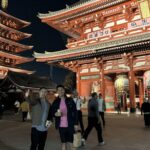
Senso-ji is listed as a separate stop near the end of the route, with about 15 minutes set aside for it. During daylight, the temple grounds can be packed. At night, the setting is calmer and more atmospheric.
The temple is not an LGBTQ+ venue, of course. Its value here is visual and historical. You get a short look at one of Tokyo’s major sights while seeing Asakusa in a different mood from the daytime crowds.
This stop also makes the route feel like a Tokyo evening rather than a narrowly themed bar tour. If you have already spent a full day in Asakusa, though, the return to the temple may feel repetitive. The exact order and emphasis can depend on the guide and the pace of the group.
Dinner in Shinjuku 3-Chome
From Asakusa, the group takes one subway ride toward Shinjuku. You need to budget 270 yen for that trip. The evening then moves into Shinjuku 3-Chome, the restaurant and shopping district beside Ni-chome.
This is where the tour shifts from background to social experience. Dinner is served at a casual restaurant, with locally popular foods such as yakitori and kushikatsu mentioned as examples. These are approachable choices for a first taste of Japanese pub food, and a shared meal gives you time to talk with the guide and the other people in the group.
One drink is included with dinner, and it can be alcoholic or non-alcoholic. The meal is important to the value of the tour because Tokyo dining can add up quickly, particularly when you are paying for a small-group guide as well.
Do not expect a formal restaurant tasting menu. The meal is described as small and casual, so I would treat it as a light local dinner rather than a full food tour. One person was pleasantly surprised to learn that dinner was included, while another appreciated the local food shown by the guide. If you have dietary restrictions, the supplied information does not promise special arrangements, so ask before booking.
Walking through Shinjuku Ni-chome

Ni-chome, pronounced knee choh may, is the main reason most people will book this experience. It is the largest LGBTQ+ district in Japan, packed into a small area of Shinjuku.
The neighborhood contains many bars, some flashy and some discreet. Most are indoors, and some can be easy to miss if you do not know where to look. The tour is designed to explain what you are seeing, how the venues differ, and how local customs and etiquette work.
You might stop outside several establishments, peer into a few, and receive an explanation of the types of places nearby. The route also includes LGBT-friendly restaurants and bookshops, so the neighborhood is presented as more than nightlife alone.
The small group matters here. Ni-chome venues can be intimate, and a group capped at six is less awkward than arriving with a large crowd. It also gives you room to ask about topics that may not come up on a standard Tokyo sightseeing tour.
The second included drink is generally connected with this part of the evening. The route ends near Shinjuku-sanchome Station, and the guide can point you in a useful direction afterward. The tour does not promise a long bar crawl or admission to a particular club, so think of it as an introduction to the area rather than a guaranteed night out at several venues.
What the guides add to the evening

The guide is the make-or-break part of this experience. Several names appear in the guide roster, including Hiro, Hiroshi, Yappi, Mayo, Lukas, Lukasz, Luke, Toru, and Andrew. You cannot assume which person will lead your date, but the feedback gives you a sense of the range of styles.
Hiro is described as warm, funny, and especially good company for a solo participant. Hiroshi has been praised for speaking English, Spanish, and Japanese, which could be useful if you prefer more than one language. Yappi received strong praise for explaining the LGBT areas clearly and keeping the evening engaging.
Mayo is described as articulate, friendly, helpful, and able to keep the conversation going beyond the planned finish. Lukasz is a European who has lived in Japan for years and offers a perspective shaped by both local experience and life abroad. Luke has been described as engaging and well informed about the neighborhoods and etiquette.
That variety is worth keeping in mind. Some guides may focus more on social history, while others may be better at casual conversation and recommendations. A few people found their guide slightly inexperienced or occasionally unsure of the route. One person felt the walk became too much like pointing at buildings, while another objected to language used when discussing transgender people and lesbians.
That last point deserves attention. A guide working across cultures and languages may not use the terminology you expect. If respectful, current LGBTQ+ language is especially important to you, contact the operator before booking and ask about the guide and approach for your date. A good guide should be open to questions and handle sensitive subjects with care.
Is $120 a fair price?

At $120 per person, this is not a cheap neighborhood walk. The price includes dinner, two drinks, gratuities, alcoholic beverages, and a guide for about three hours. It also buys access to a group of no more than six people, which is a meaningful benefit in a district made up of small venues.
The value depends on how you use the evening. If you are a solo visitor who wants help decoding Ni-chome and would otherwise feel uncertain entering unfamiliar bars, the guide can save time and reduce guesswork. You also get an introduction to Asakusa’s older LGBT connections, rather than only a nightlife stop.
If you already know Tokyo well, speak Japanese, and plan to explore Ni-chome on your own, $120 may feel high. The tour does not include hotel pickup or transportation, and one subway fare is extra. It also may not satisfy you if you expect entry into many venues or a long evening of drinking.
Group discounts are available, though the amount is not specified. Since the tour is often booked about 27 days ahead, I would reserve early if your dates are fixed, particularly if you want a small group rather than relying on a last-minute opening.
Timing, meeting point, and practical preparation

The tour begins at 6:30 pm at Kamiya Bar, located at 1-1 Asakusa, Taito City. The evening ends near Shinjuku-sanchome Station, not back at the starting point.
That one-way design is useful. You can continue into Shinjuku afterward without crossing Tokyo again. It also means you should not leave a bag or other item at the starting point, since the route does not return there.
Wear comfortable shoes. The walk covers Asakusa, a subway transfer, Shinjuku 3-Chome, Ni-chome, and the temple area. One person specifically described it as a walking tour and recommended dressing appropriately for the conditions.
The minimum age is 18. Japan’s drinking age is 20, so an 18- or 19-year-old may be able to join but should not expect to drink alcohol. Non-alcoholic drinks are included, giving younger adult participants an alternative.
Confirmation is sent when you book. The tour is near public transportation, and most people can participate. Hotel pickup is not included, though it may be available for an extra charge if requested.
Cancellation terms are strict enough to watch. Cancel at least six full days before the start for a full refund. A cancellation two to six full days ahead receives 50 percent back, while cancellation less than two full days ahead is not refunded. All cutoffs use Tokyo local time.
What can go wrong, and how to avoid it

There was one serious communication problem involving a participant who waited at the meeting point without hearing from the guide until after the scheduled start. The operator disputed the account, but the practical lesson is simple: save the meeting address, arrive early, and confirm how you will contact the guide.
The tour provider is Pinpoint Traveler, Inc. The guide may send contact information, but you should not rely on a last-minute message to find the starting point. Kamiya Bar is the official meeting location, and your booking confirmation should be your first reference.
The content itself can also vary. Some people found the discussion thoughtful and educational, while others wanted more concrete LGBT history and less time in Asakusa. If you want a very academic lecture, this may be too light. If you want a friendly introduction that mixes history, food, and nightlife, it is more likely to fit.
I would also keep expectations realistic about venue access. The route may involve curbside explanations and brief looks inside some places, but the supplied details do not guarantee entry to a specific bar. The evening is about orientation and conversation, not a package of reserved tables.
Who will get the most from this experience?
I would recommend it most strongly to solo visitors, first-time visitors to Tokyo’s LGBTQ+ scene, and anyone who wants a small group with space for questions. It is also a good fit if you want to meet like-minded people without committing to a large organized night out.
You will get more from it if you book it early in your Tokyo stay. The information can help you decide which parts of Ni-chome to revisit later, and the guide may offer suggestions based on your interests. Booking it on your last night still gives you an enjoyable introduction, but leaves no time to use those pointers.
The tour welcomes people of all identities. You do not need to identify as LGBTQ+ to join, but you should arrive ready to listen, ask respectfully, and accept that Japanese terminology and social customs may differ from those you know.
Should you book LGBT Tokyo Then and Now?
Book it if you want a personal introduction to LGBTQ+ Tokyo, a casual dinner, two drinks, and a guide who can connect Asakusa’s older gay associations with the current Ni-chome scene. The six-person cap and strong praise for guides such as Hiro, Yappi, Mayo, and Hiroshi make it more appealing than a generic city walk.
Skip it if your priority is a full night of bar-hopping, guaranteed venue entry, or detailed academic history. The $120 price asks you to value guidance, companionship, and dinner, and the Asakusa portion may feel too long for some people.
For the best match, reserve near the beginning of your stay, wear walking shoes, bring 270 yen for the subway, and confirm the meeting details before 6:30 pm. That small bit of planning should help you enjoy what this tour does best: make a sometimes hard-to-read part of Tokyo easier to understand.
FAQ
How long does LGBT Tokyo Then and Now last?
The experience lasts approximately three hours.
Where does the tour begin?
It begins at Kamiya Bar, 1-1 Asakusa, Taito City, Tokyo.
Where does the tour end?
The tour ends near Shinjuku-sanchome Station in Shinjuku.
What time does the tour start?
The scheduled start time is 6:30 pm.
Is dinner included?
Yes. Dinner is included, with foods such as yakitori and kushikatsu mentioned as possible local dishes.
Are drinks included?
Yes. Two drinks are included, and alcoholic or non-alcoholic options are available. Japan’s legal drinking age is 20.
How large is the group?
The tour has a maximum of six participants.
Is transportation included?
No. You need 270 yen for the one subway ride used during the tour.
What is the cancellation policy?
Cancel at least six full days before the start for a full refund. Cancel two to six full days ahead for a 50 percent refund. Cancellations less than two full days before the start are not refunded.
More tours in Asakusa we've reviewed



Asakusa, compared.
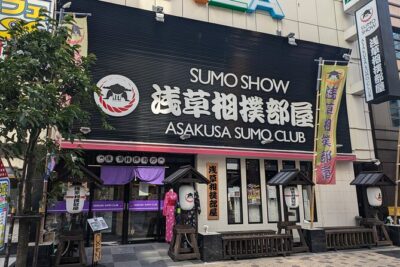 ★ 5.0Tokyo Sumo Entertainment Show with Chicken Hot Pot and PhotoFrom $106
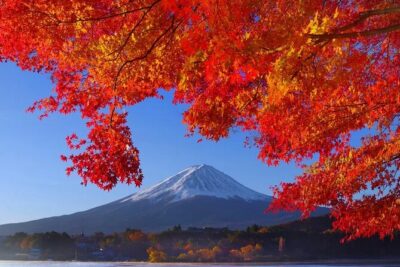 ★ 5.0Mt Fuji Private Day Trip from Tokyo with English speaking driverFrom $464
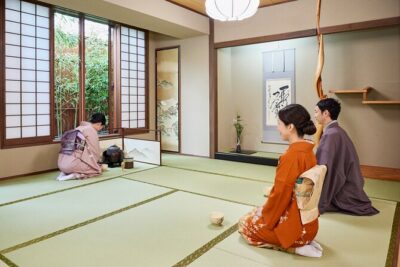 ★ 5.0Kimono Tea Ceremony at Tokyo, Asakusa MaikoyaFrom $55
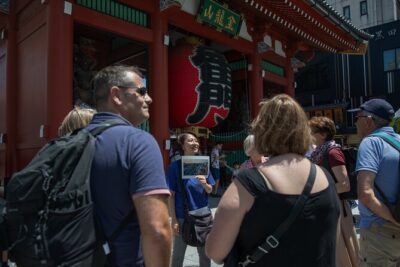 ★ 5.0Asakusa Senso-ji Temple and Old Tokyo Walking TourFrom $20
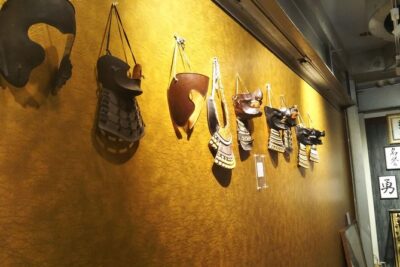 ★ 5.0Skip the lines Basic Ticket at SAMURAI NINJA MUSEUM TOKYOFrom $28
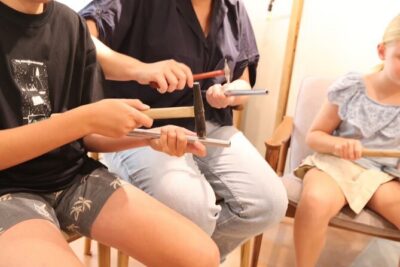 ★ 5.0Private Craft Your Own Ring Handmade Experience in Asakusa, TokyoFrom $21