Reviewed · SUMO EXPERIENCES
Tokyo Sumo Morning Training/ Sumo Practice with Wrestlers
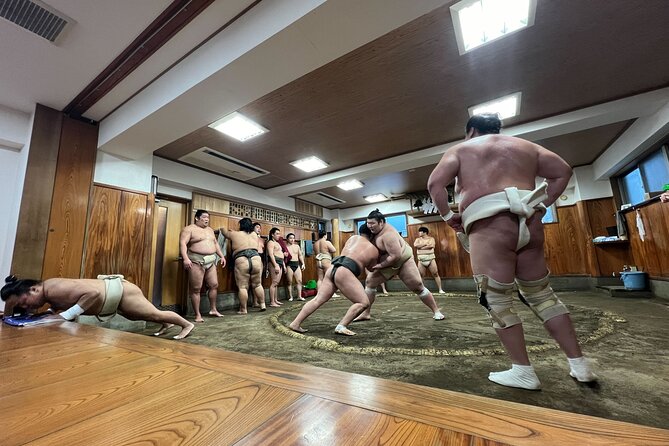
The most remarkable part of this Tokyo experience is the setting: you sit close to a working sumo stable while wrestlers carry out their daily practice. This is not a staged tournament bout. It is a quiet, demanding training session, where repetition, discipline, and ritual matter as much as brute force.
In This Article
- Key points to know before you book
- What the Tokyo sumo morning training experience really is
- Meeting your guide in Sumida
- Entering a working sumo stable
- Reading the action in the ring
- Respecting sumo customs inside the stable
- The photo and conversation after practice
- How much value do you get for $99.10?
- Timing changes and cancellation risk
- Who will enjoy this most?
- What to bring and how to prepare
- Should you book the Tokyo sumo stable visit?
- FAQ
- Where does the sumo training experience begin?
- How long does the experience last?
- Is the practice held every morning?
- Is the Yokozuna guaranteed to appear?
- Can I take photographs?
- Can I use my cellphone inside the stable?
- Can I leave during practice?
- Is food allowed inside?
- Do I have to sit on the floor?
- Can women participate?
I like the close-up view of real practice and the chance to ask questions through a guide who explains what you are seeing. I also like the photo opportunity with a wrestler, a simple extra that gives the morning a lasting memory. The main drawback is that practice times and locations can change, and the session may be shorter than expected, especially before a Grand Tournament.
Key points to know before you book
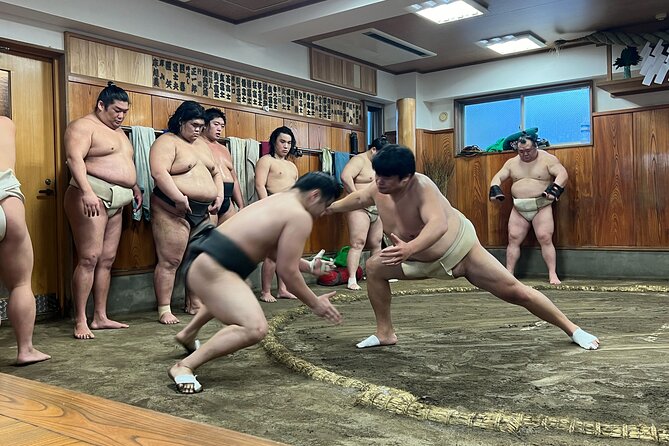
- Watch inside an active sumo stable: You see wrestlers train in their own working environment, not on a theater set.
- A guide explains the action: The briefing covers sumo, training, rules, and the daily life of the wrestlers.
- Practice is quiet and highly respectful: Phones must be silent, flash photography is forbidden, and videos are not allowed.
- A wrestler photo is included: After practice, you may have time to speak with wrestlers and pose for a picture.
- Expect floor seating: Some stables have no chairs, so sitting cross-legged on a mat can be uncomfortable.
- The schedule is not fixed: Your exact meeting place and time arrive after booking, and the length depends on the stable’s practice schedule.
What the Tokyo sumo morning training experience really is
At about $99.10 per person, this is a short but unusual Tokyo activity. You are paying for access to a place that is normally closed to casual sightseeing, along with guidance that helps you understand the customs and movements in front of you.
The experience lasts about an hour on paper, though the actual practice can run shorter or longer. Some sessions have lasted close to two hours, while others have ended early. That uncertainty is part of the deal. You are watching a real training schedule, not a performance built around a tour timetable.
The experience is best understood as observation first, explanation second, and personal interaction third. You may see warmups, repeated bouts, and intense physical drills. You should not expect a full tournament, a theatrical show, or guaranteed appearances by famous wrestlers.
A stable may be one where a Yokozuna trains, but you will not know until the morning if he is present. That possibility is exciting, but it should not be your reason for booking. The better reason is the chance to watch the entire training culture at close range.
A few more Tokyo tours and experiences worth a look
Meeting your guide in Sumida
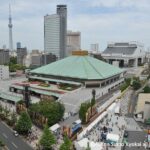
The listed starting point is 1-chōme-2-8 Chitose in Sumida City, though the exact location and time can change by date. After booking, check the message from Japan Wonder Travel carefully. If no message arrives, contact the company before setting out.
This detail matters. One booking was canceled shortly before the scheduled start because of a stable scheduling conflict, after the customer had already boarded a train. That kind of last-minute change is frustrating, so keep your plans flexible and check your phone before leaving your hotel.
The guide first explains the basics of sumo, then leads you to the stable. The initial explanation may be given near a station or roadside area, where traffic noise can make it hard to hear. If that happens, stand close to the guide and consider asking for a repeat before the group moves on.
The activity has a maximum of 25 people. That is not a tiny private visit, but it is still a manageable size for a guide-led introduction. Your view inside the stable may depend on where you are seated, so arrive on time and follow instructions quickly.
Entering a working sumo stable
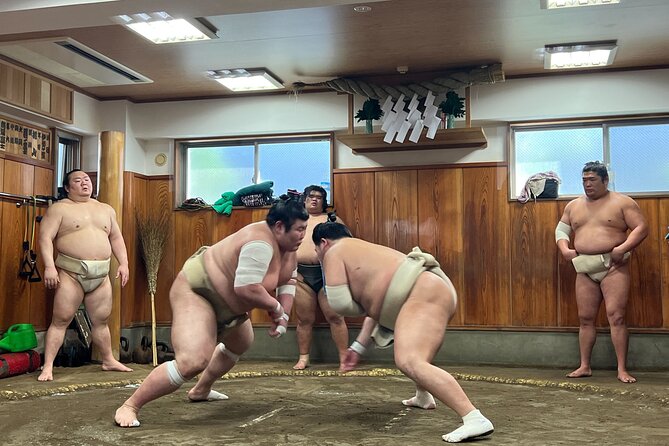
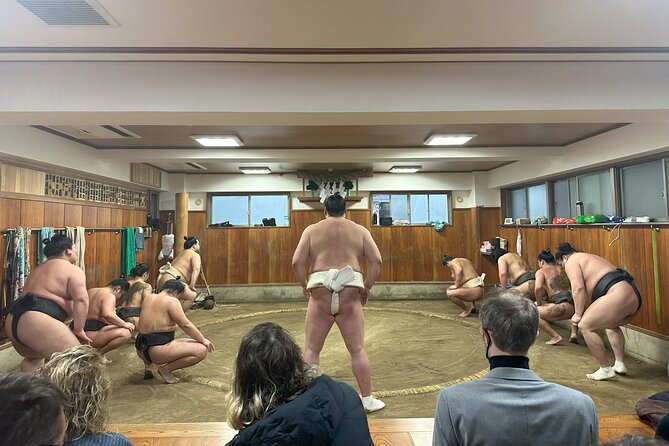
The change from city street to stable is the heart of the experience. You leave the ordinary tourist route and enter a place designed for wrestlers’ training and daily life.
Take off your shoes when instructed. Some stables have chairs, but others ask you to sit on a floor mat. You may be sitting cross-legged for the full session, so wear comfortable clothes and think honestly about your knees, hips, and back.
Once practice begins, silence is part of the experience. Cellphones must be on silent, and you cannot leave halfway through. Once you exit, you cannot re-enter, so use the restroom before meeting the group.
You may drink water or a sports drink inside, but eating is not allowed. The restroom rule is more important than it sounds. A training session can continue without pauses, and the stable is not a place where you can casually step outside and return.
The atmosphere can also be chilly. On a cold or rainy day, you may wait outside before entering, and the stable itself may not feel warm. Bring a layer and wear shoes that are easy to remove.
Reading the action in the ring
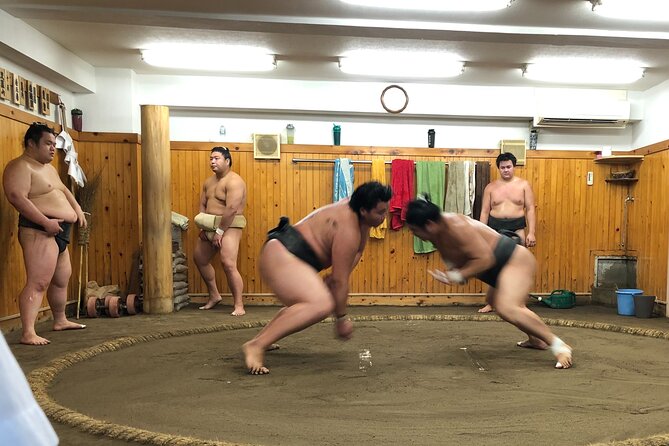
Without an explanation, sumo practice can look like a series of abrupt shoves. With a guide, you begin to notice the order and purpose behind it.
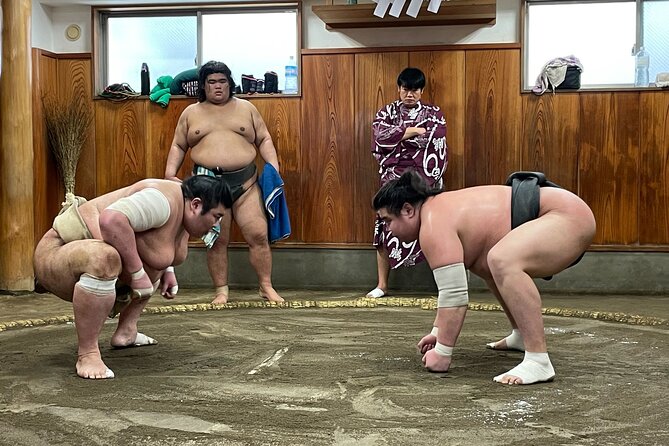
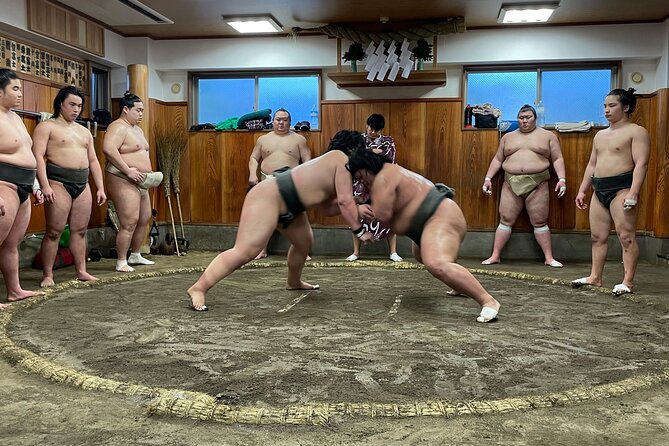
You may see wrestlers prepare their bodies, repeat foundational movements, and face one another in bouts. The force is obvious, but so are the pauses, concentration, and strict control. Training is not only about winning the next clash. It is about building timing, balance, stamina, and the habits needed for competition.
Some visitors find the practice surprisingly intense because there is little wasted motion. Others expect more action and feel disappointed if the session contains long periods of instruction or conversation. Set your expectations correctly: this is a working practice, not a show with constant wrestling.
The guide’s commentary is a major part of the value. English explanations may be provided through a headset, and notes or live commentary can help you follow the stages of practice. The quality of your experience will depend partly on how clearly the guide can communicate in the stable, where everyone must keep their voice low.
The best approach is to watch first, then ask focused questions when the guide allows it. Avoid trying to draw attention to yourself. The wrestlers are training, and your presence should remain secondary to their concentration.
Respecting sumo customs inside the stable
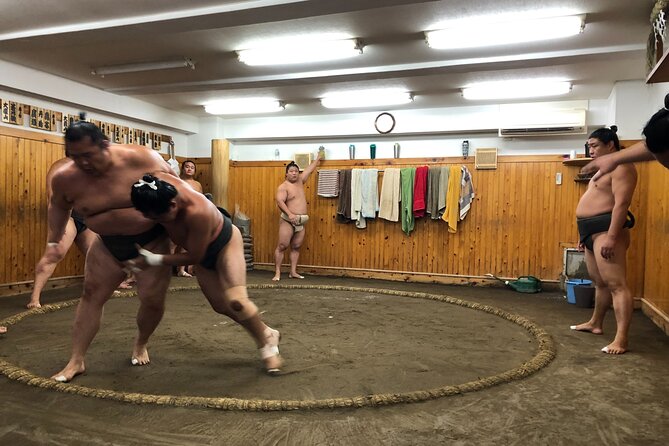
Sumo carries strict customs, and this visit asks you to follow them closely. Do not stretch your legs toward the ring. Showing the soles of your feet to the wrestlers is considered impolite, so keep your legs folded or positioned as instructed.
Photography is allowed, but only without flash or shutter sounds. Video recording is not allowed. These rules protect the quiet of the room and keep cameras from interrupting the wrestlers.
Do not speak loudly, call out to a wrestler, or move toward the ring without permission. You are there to observe a serious training session. The closer you sit, the more important your restraint becomes.
For the Sumo Practice with Wrestlers option, women may join but cannot enter the dohyo, or sumo ring, because of the facility’s religious and cultural traditions. Women can still watch fully from the designated seating area. Men must remove their shoes before stepping onto the dohyo, and comfortable clothing is required.
These rules are not minor technicalities. They shape the experience. If you want a casual activity where you can wander, film freely, snack, and leave when you like, choose something else.
A few more Tokyo tours and experiences worth a look
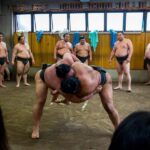
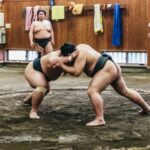

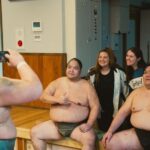
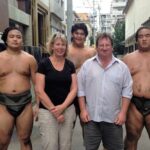
The photo and conversation after practice
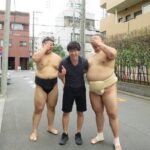
The included photo with a sumo wrestler is one of the strongest practical benefits of this experience. After the formal practice, you may have time to speak with wrestlers and pose for pictures.
The interaction can be brief, and it depends on the stable’s schedule and the wrestlers’ availability. Still, it changes the visit from simply watching through a doorway to having a short personal connection with the people you have just seen training.
Some sessions have included friendly interaction and photographs afterward. Another account described the chance to talk with wrestlers and even experience chanko, the traditional wrestler’s stew, though chanko is not listed as a guaranteed part of this package. Do not book this tour expecting a meal unless your confirmation specifically says so.
The photo is best treated as a memento, not a private meet-and-greet. Follow the guide’s instructions, keep the line moving, and do not assume every wrestler will be available.
How much value do you get for $99.10?
The price is high for an activity lasting about one hour. You are not buying a long guided tour with many stops. You are paying for access to a restricted setting, translation and context, and the chance to watch athletes train close by.
For a sumo fan, the price can make sense. A tournament ticket shows the sport at its polished public peak, but stable practice reveals the work behind that spectacle. You see preparation, repetition, and the quiet side of sumo that a match alone cannot show.
For a first-time visitor, the value depends on your expectations. If you want a short, unusual cultural experience and you are willing to sit quietly, it can be worth the cost. If you expect nonstop bouts, a guaranteed Yokozuna, or a hands-on lesson lasting the full hour, the price may feel steep.
The high rating and 96 percent recommendation suggest that the format works well for many people, but the less positive experiences point to real risks. Practice may be mostly observation and explanation. Another option or date may involve retired wrestlers or limited amateur demonstrations rather than professional competitors. Read the exact option description before paying.
I would compare this with the cost of a tournament ticket, but not as a direct substitute. A tournament gives you a larger public event. This visit gives you access to a more intimate training environment. Decide which side of sumo interests you more.
Timing changes and cancellation risk
The most important practical warning is schedule uncertainty. The stable chooses the practice time, and the time can vary depending on the date. The schedule may also shift before a Grand Tournament, and practice can finish earlier than usual.
The company sends the final meeting details after reservation. Check messages closely, including on the day of the activity. Missing the meeting point or arriving late without checking those messages may mean no refund.
The standard cancellation policy allows a full refund if you cancel at least 24 hours before the local start time. Cancellations or changes made less than 24 hours ahead are not accepted for a refund.
There is also a small possibility of a late cancellation by the stable. One such cancellation came only 29 minutes before the start. That is not normal planning from a visitor’s point of view, but sumo stables operate on their own schedule. Do not place an important timed attraction immediately afterward.
Who will enjoy this most?
I would choose this experience if you:
- Have a real interest in sumo, Japanese sport, or traditional training
- Want access to a place you could not normally visit alone
- Prefer watching an authentic routine to attending a staged demonstration
- Can sit quietly on the floor for an extended period
- Are comfortable with no video and limited photography
- Can adapt if the meeting time or practice length changes
Families can enjoy it, especially when children are old enough to remain quiet and still. The physical strength and close view are memorable, but young children who need frequent movement may struggle with the stable’s rules.
This is also a good choice for newcomers. You do not need to understand every rule before arriving. The guide’s explanations help you recognize what is happening and why the wrestlers repeat certain movements.
I would hesitate if you are mainly looking for a photo opportunity, a guaranteed champion, or a hands-on wrestling lesson. The photograph is included, but the central activity is respectful observation.
What to bring and how to prepare
Wear comfortable clothing and shoes that come off easily. You may sit on a mat, and you may need to remove your shoes before entering a practice area or stepping onto the dohyo.
Use the restroom before the meeting. Bring water if you need it, since water and sports drinks are allowed, but leave snacks outside. Set your phone to silent before entering, and turn off camera shutter sounds if your device allows it.
Do not bring the assumption that you can leave for a break. Once inside, you are expected to stay until practice ends, and you cannot re-enter after leaving.
Arrive prepared for cool conditions, especially in winter or on a rainy day. The waiting area and stable may both feel chilly. Finally, keep your schedule open after the visit in case practice runs longer than planned.
Should you book the Tokyo sumo stable visit?
Book it if you want a close look at the work behind Japan’s most famous traditional sport. The strongest parts are the access to a real stable, the guide’s explanations, the intense training, and the brief chance to meet a wrestler afterward.
Do not book it as a guaranteed spectacle. The Yokozuna may not be there, the practice may end early, and some of the session may involve quiet watching rather than dramatic bouts. The floor seating, no-video rule, and strict conduct also require a little patience.
For a serious sumo fan, this is one of the more personal ways to understand the sport. For a curious first-time visitor, it is worthwhile when you value culture and access more than length. Check the final meeting details, confirm which option you are buying, and leave room in your schedule. Then you will be ready for what this experience actually offers: a rare, respectful look at sumo before the public show begins.
FAQ
Where does the sumo training experience begin?
The listed meeting point is 1-chōme-2-8 Chitose, Sumida City, Tokyo 130-0025, Japan. The exact meeting location may vary by date, so check the message sent after booking.
How long does the experience last?
The planned duration is about one hour, with approximately five minutes for the initial meeting and explanation and about 55 minutes inside the stable. Practice may be shorter or longer depending on the day.
Is the practice held every morning?
The experience is described as morning training, but the exact time can vary depending on the tour date and the stable’s schedule. Confirm the final time after booking.
Is the Yokozuna guaranteed to appear?
No. The stable may be one where a Yokozuna trains, but you will not know until the morning whether he will actually be present.
Can I take photographs?
Yes, photographs are allowed without flash or shutter sounds. Video recording is not allowed.
Can I use my cellphone inside the stable?
You may bring your cellphone, but it must be set to silent. You should also avoid any camera sounds.
Can I leave during practice?
No. You cannot leave the stable in the middle of practice, and once you leave, you cannot re-enter. Use the restroom before arriving.
Is food allowed inside?
No. Eating is not allowed. Water and sports drinks are permitted inside the stable.
Do I have to sit on the floor?
Some stables do not have chairs, so you may need to sit on a floor mat. Be prepared to sit cross-legged for the practice.
Can women participate?
Yes. Women are welcome on the Sumo Practice with Wrestlers option, but they cannot enter the dohyo because of the facility’s religious and cultural traditions. They can watch from the designated seating area.
More Morning in Tokyo
More Sumo Experiences in Tokyo

More tours in Tokyo we've reviewed












Sumo Experiences, compared.
 ★ 4.8Tokyo: Sumo Show Experience with Chicken Hot Pot and a PhotoFrom $1032 hours
 ★ 4.8Tokyo: Sumo Show and Dining ExperienceFrom $7990 minutes - 2 hours
 ★ 5.0the SUMO showFrom $89
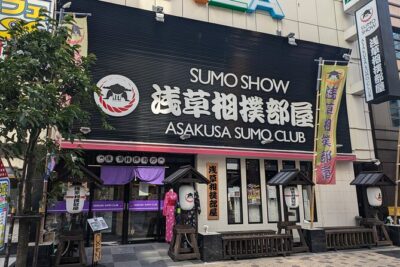 ★ 5.0Tokyo Sumo Entertainment Show with Chicken Hot Pot and PhotoFrom $106
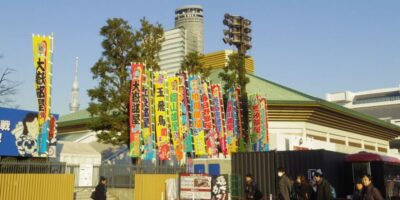 ★ 4.6Tokyo: Sumo Tournament Tour with Chair Seat TicketsFrom $141
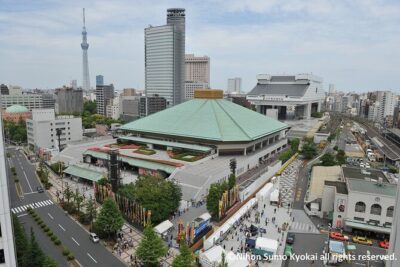 ★ 5.0Tokyo Grand Sumo Tournament Viewing Tour with TicketsFrom $124