Reviewed · CRAFT WORKSHOPS
Tokyo: Kintsugi Workshop to Learn the Art of Golden Joinery
Broken pottery gets a second life here. In this two-hour Kintsugi workshop, you repair a ceramic piece with artificial lacquer and gold powder, turning a flaw into part of its design. The work is slow, hands-on, and quietly satisfying.
In This Article
- Key Points
- Why Golden Cracks Make a Better Souvenir
- Meeting Your Guide at Gakugei Daigaku Station
- The Two-Hour Kintsugi Process
- The Most Important Detail: What Exactly Do You Repair?
- Why the Small Group Matters
- What the Price Represents at $63
- Anne, Chiara, and the Teaching Style
- A Calm Activity for a Busy Tokyo Schedule
- Accessibility and Booking Notes
- Is This Kintsugi Workshop Worth Booking?
- FAQ
- Where does the Kintsugi workshop meet?
- How long does the activity last?
- What language is the workshop conducted in?
- How many people are in the group?
- What materials are provided?
- Do I get to take my repaired piece home?
- How much does the workshop cost?
- Is previous pottery experience required?
- Is the activity suitable for young children?
- Can I cancel the booking for a refund?
I like the small group of six or fewer, which gives the English-speaking instructor time to help with tricky steps. I also like the thoughtful pace. You have time to work, talk, and let the Japanese idea of wabi-sabi sink in. The catch is important: the advertised piece may be a small section rather than a whole bowl, and the plate costs an extra ¥1,000 to ¥2,000.
Key Points

- Meet at Gakugei Daigaku Station: Your guide sends a photo before the meeting time, which makes the first contact easier.
- Practice Kintsugi with artificial lacquer and gold powder: The workshop focuses on the process, not just a quick demonstration.
- A small class of six or fewer: You get a better chance to ask questions and receive help with filing and repairs.
- The final piece goes home with you: Your repaired ceramic becomes a personal souvenir rather than a shop-bought trinket.
- English instruction and cultural context: The class explains both the craft and its connection to wabi-sabi.
- Clarify the size of the project before booking: Some people repair only a small broken portion, while others may expect to mend a full bowl.
Why Golden Cracks Make a Better Souvenir

Kintsugi, written 金継ぎ, means golden joinery. The method dates back to the 15th century and reflects a simple but unusual choice: repair a treasured object instead of hiding its damage or throwing it away.
The crack is not treated as a disgrace. It becomes part of the object’s story. That idea gives this activity more weight than a standard craft class, especially if you have spent your trip collecting polished souvenirs that say little about Japan beyond a printed logo.
You work with lacquer and powdered gold, silver, or platinum in traditional Kintsugi. This workshop uses artificial lacquer and gold powder, making it suited to a short class and a take-home project. The point is to learn the basic process and its meaning, not to become a professional ceramic restorer in two hours.
I like the way the craft asks you to slow down. Tokyo can pull you from station to shrine to department store at a brisk pace. Here, your attention narrows to the edge of a crack, the feel of the tool, and the thin line you are building. It is a useful change of rhythm.
The philosophy connects with wabi-sabi, a Japanese appreciation of imperfection and impermanence. You do not need a background in Japanese aesthetics to understand the appeal. If you have ever kept a chipped mug because it reminded you of someone, the basic idea will feel familiar.
A few more Tokyo tours and experiences worth a look
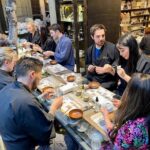
Meeting Your Guide at Gakugei Daigaku Station
The meeting point is Gakugei Daigaku Station in Honshu, Tokyo. You meet the guide there, and the guide sends a picture of themselves before the meeting time.
That small step matters. Station meetings can be awkward when you are searching for a stranger in a busy public place, especially after a long day of sightseeing. Keep the guide’s message handy, and arrive with enough time to find the correct station exit and check your phone.
The supplied information does not give a detailed walking route from the station to the workshop space. You should therefore treat the station as the clear rendezvous point, not assume the entire activity takes place on the platform or in a station facility.
The language is English. The instructors named in the feedback include Anne and Chiara. One class used a translator who also understood the craft, which helped explain each step while leaving the participant to do the work. The teaching sounds personal rather than lecture-heavy, a good fit for a craft that works best when you hold the tools yourself.
The Two-Hour Kintsugi Process

The class begins with a short introduction to Kintsugi and its philosophy. You learn why repaired cracks are highlighted and how the craft relates to preservation, resilience, and wabi-sabi.
That opening is brief, but it gives the practical work a clear purpose. You are not simply decorating a plate with a gold line. You are learning why a repair can be more meaningful when it remains visible.
The materials are provided. These include the main tools, lacquer, and gold powder. A ceramic piece is available for the activity, but the cost information says the plate is arranged separately for about ¥1,000 to ¥2,000. This is the first point I would confirm before paying: exactly what ceramic object is included, what must be purchased, and how much of it you will repair.
You then work through the repair process. The available information specifically notes that some participants file the pottery for about half an hour. That is not glamorous work, but it is part of what makes this a hands-on class. The filing can be tiring for younger children, and it means the workshop is not a quick splash of gold applied by someone else.
The instructor explains each stage and helps when you need a steady hand. You still do the task yourself. That balance is important. A craft class loses much of its value if the teacher quietly completes the difficult parts while you watch.
At the end, the repaired piece has a visible golden crack and your own fingerprints in the process. Some participants have taken home a small art piece or a bowl with a single gilded crack. The final result will depend on the size of the item and the amount of repair included, so keep your expectations realistic.
The Most Important Detail: What Exactly Do You Repair?
The strongest caution concerns the project size. One person expected to repair a whole bowl but found that only a tiny portion was available to fix. That person still praised the guide, but felt the price was high for the amount of pottery involved.
This is not a minor distinction. A full bowl with several joined sections creates a longer, more involved project. A small crack or limited fragment can still be attractive, but it offers less time with the central technique and less visual impact when finished.
The supplied information is not fully clear on how the plate arrangement works alongside the provision of broken pottery. Before booking, ask these direct questions:
- Is the ceramic piece included in the ¥63 price?
- Is the ¥1,000 to ¥2,000 plate fee mandatory?
- Will I repair a full bowl, a plate, or only a small broken section?
- Can I choose the size of the piece?
- Do I take the completed item home at the end?
If a full-bowl repair is essential to you, get a clear answer first. If you mainly want a calm introduction and a small handmade souvenir, the smaller format may suit you perfectly.
Why the Small Group Matters
The class is limited to six participants. That is a useful size for a craft where everyone works at a different pace.
You may need help judging how much lacquer to use, filing an edge, or placing the gold powder cleanly. In a large class, those questions can leave you waiting. With six or fewer people, the instructor can move around the table and provide a more careful correction.
The group size also leaves room for conversation. One participant especially liked having two hours to work slowly, interact with the guide, and talk with the other people in the class. That makes the activity suitable for solo visitors who want a social afternoon without signing up for a loud group outing.
Couples and friends can work side by side, though I would not expect the class to produce identical results. The charm is in the irregularity. A perfect, factory-made finish would rather miss the point.
Families should note the practical limit. One participant recommended it for children over 12, since filing the pottery for roughly 30 minutes may be hard for younger children. The activity is not suitable for babies under one year.
A few more Tokyo tours and experiences worth a look


What the Price Represents at $63

At $63 per person, plus the possible ¥1,000 to ¥2,000 plate cost, this is not the cheapest creative activity in Tokyo. You are paying for a small English-language class, instruction, materials, cultural explanation, and a personal object to take home.
The value depends on what you want from the afternoon. If you measure the price by the amount of gold on the finished piece, it will feel expensive. If you value patient instruction, a small class, and a souvenir made by your own hands, the price is easier to justify.
The activity also has a different value from a museum visit. You are not only looking at Japanese aesthetics. You are applying one of its ideas to an object in front of you. That personal connection can make the lesson last longer than a short explanation in a gallery.
Still, do not let the philosophy conceal the practical question about the pottery. A beautifully explained experience can remain disappointing if you expected to restore an entire bowl and receive only a small area to mend. Ask about the project size, then decide if the total cost feels right.
Anne, Chiara, and the Teaching Style

The instructors receive the strongest praise for this activity. Anne is described as well prepared and as someone who has thought through the details of the class. Chiara is praised for explaining every step while allowing the participant to work independently.
One instructor also explained how the adhesive was made in earlier times. That kind of detail adds useful context without turning the workshop into a history lecture. You learn not only what to do with the modern materials, but also how the craft relates to older Japanese practice.
The instruction appears flexible enough to help beginners. You do not need previous pottery or art experience in the information provided. The class is presented as a guided introduction, with help available when a task becomes awkward.
Because the teaching is central to the value, arrive ready to listen as well as make. If you rush through the explanation, you will miss much of what separates Kintsugi from ordinary ceramic repair.
A Calm Activity for a Busy Tokyo Schedule
Two hours is a useful length. It is long enough to complete several stages without turning into an all-day commitment.
I would place this activity after a morning of sightseeing rather than before a tightly timed attraction. Filing and careful application need patience. You will get more from it if you are not watching the clock or worrying about a train reservation.
The reflective quality also makes it a good change from Tokyo’s louder attractions. You may find the process calming, but the class is still practical work. Do not expect a meditation session where someone else makes the object for you. Your hands stay busy.
The final piece works as a keepsake because it carries a visible record of the activity. You can point to the gold seam and remember the guide, the station meeting, the careful filing, and the idea that damage can become part of an object’s beauty.
Accessibility and Booking Notes

The activity information contains a contradiction. It is marked wheelchair accessible in one place, yet it also says it is not suitable for wheelchair users. Do not rely on the general accessibility label. Contact Bloom Voyage JP before booking and ask about the exact workshop entrance, seating, workspace, and restroom access.
The class is offered in English and has limited places. If no slot appears on your preferred date, you can contact the provider through WhatsApp, since schedule adjustments may sometimes be possible.
You can cancel up to 24 hours in advance for a full refund, and the reserve-now, pay-later option keeps you from paying at the time of booking. Those policies are useful when your Tokyo plans are still changing, but they do not replace checking the project size and accessibility details first.
Is This Kintsugi Workshop Worth Booking?
I would book this workshop if you want a quiet, creative Tokyo activity with cultural meaning and a handmade souvenir. It suits solo visitors, couples, friends, and families with older children. The small class, English instruction, and patient guidance give it a personal feel.
I would hesitate if your main goal is to restore a full bowl or create a large, dramatic piece. The extra plate fee and the possibility of repairing only a small section can weaken the value at $63.
Ask about the exact ceramic item before you commit. If the answer matches your expectations, this is a thoughtful way to spend two hours and take home something that reflects both Japanese aesthetics and your own work.
FAQ
Where does the Kintsugi workshop meet?
You meet your guide at Gakugei Daigaku Station in Tokyo. The guide sends a picture of themselves before the meeting time.
How long does the activity last?
The workshop lasts two hours. Starting times depend on availability.
What language is the workshop conducted in?
The instructor teaches in English.
How many people are in the group?
The workshop is a small-group activity limited to six participants.
What materials are provided?
The main tools, artificial lacquer, and gold powder are provided. The activity information also says broken pottery is provided, but a separate plate fee of about ¥1,000 to ¥2,000 may apply, so confirm the exact arrangement before booking.
Do I get to take my repaired piece home?
Yes. You take home the piece you repair as a personal keepsake.
How much does the workshop cost?
The listed price is $63 per person. A plate may cost an additional ¥1,000 to ¥2,000.
Is previous pottery experience required?
No previous experience is specified as a requirement. The workshop explains each step and provides help when needed.
Is the activity suitable for young children?
Babies under one year are not suitable for the activity. The filing stage can last about 30 minutes and may be difficult for younger children. One recommendation suggests it is better suited to children over 12.
Can I cancel the booking for a refund?
You can cancel up to 24 hours in advance for a full refund. The reserve-now, pay-later option is also available.
More Workshops & Classes in Tokyo
More Craft Workshops in Tokyo

More tours in Tokyo we've reviewed












Craft Workshops, compared.
 ★ 4.8Chopstick Making Workshop in GinzaFrom $251 hour
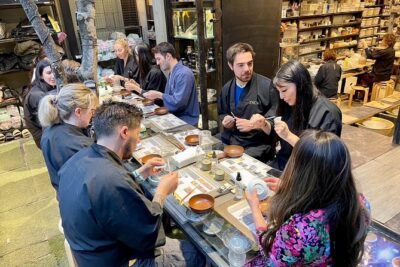 ★ 5.0Kintsugi Experience: Art of Golden Joinery in TokyoFrom $59
Tokyo: Shinjuku Chopstick Making ClassFrom $121 hour
★ 5.0Kintsugi Experience: Art of Golden Joinery in TokyoFrom $59
Tokyo: Shinjuku Chopstick Making ClassFrom $121 hour
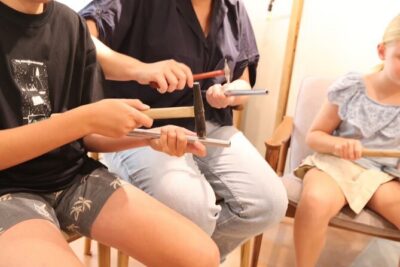 ★ 5.0Private Craft Your Own Ring Handmade Experience in Asakusa, TokyoFrom $21
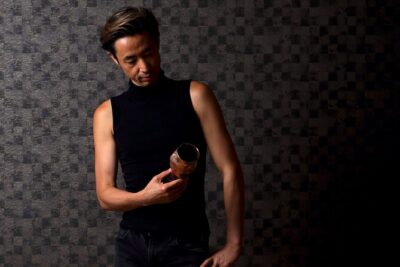 ★ 5.0Authentic Pure Gold Kintsugi Workshop with Master Taku in TokyoFrom $142
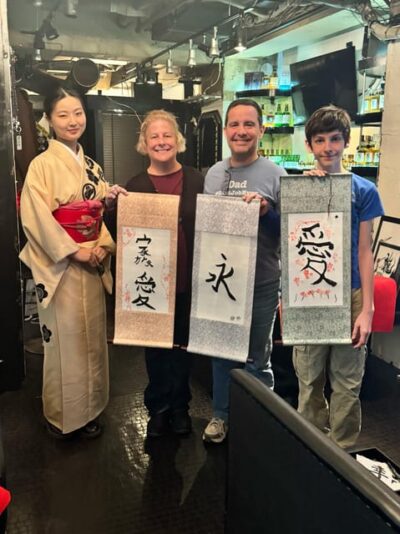 ★ 5.0Tokyo: Calligraphy on Kanji Fan & Scroll with DrinkFrom $531h 20m