Reviewed · SAKE TASTING
Historic Kanda Sake Tasting at Tokyo’s Oldest Shop (1596)
Tokyo’s oldest sake shop, founded in 1596, gives this tasting more character than a standard bar flight. You begin around Kanda’s old shopping streets, learn how sake fits local drinking life, then taste seven small pours in a shop that has been selling the drink for centuries.
In This Article
- Key points to know before booking
- Why this Kanda tasting feels different
- Meeting at Kanda Station
- A short walk through Kanda’s drinking district
- Inside Toshimaya Rita-Shop, founded in 1596
- Seven pours, served as a guided lesson
- The guide matters here
- Shopping after the tasting
- How much value do you get for $38?
- Timing, rules, and practical planning
- Who will enjoy this most?
- Should you book this Kanda sake experience?
- FAQ
- Where does the sake tasting begin?
- How long does the activity last?
- How many sake samples are included?
- Can the sake selection change?
- Do I need to bring identification?
- Is food included?
- Is the tour conducted in English?
- How large is the group?
- Can I cancel the booking?
I like the small group of up to 10, which leaves room for questions, and I like that the tasting covers different styles rather than one house favorite. The guide also adds value with nearby izakaya suggestions and wider Tokyo advice. The main drawback is simple: the pours are only about 10 to 20 milliliters, and food is not included, so eat before you arrive.
Key points to know before booking

- A sake shop founded in 1596: Toshimaya Rita-Shop provides the setting and the historical focus.
- Seven small tastings: The exact sake selection changes with the season and timing.
- Kanda beyond the usual sights: A short walk introduces an area long associated with Japanese salarymen and after-work drinking.
- English-speaking local guide: Fumino-san received especially warm praise for clear English, sake explanations, and Tokyo recommendations.
- A compact two-hour format: It fits neatly into a day of sightseeing, but the schedule is firm.
- Adults only: You must be at least 20 and bring a passport or valid ID for age verification.
Why this Kanda tasting feels different

Many sake tastings take place in modern restaurants, hotel lounges, or polished specialty bars. This one begins with a place that has been part of Tokyo’s sake trade since 1596. That date gives the experience a useful anchor: you are not only sampling a drink, you are learning in the setting of a working shop with a long connection to the city.
Kanda is a good choice for this subject. The district is famous for its after-work drinking culture, especially among Japanese office workers. Your guide helps you read the area through its small shops, restaurant streets, and familiar izakaya tradition. You get a short local introduction before settling in for the tasting itself.
I would not book this as a full evening meal or a party. It is a guided lesson with measured pours, not a free-flowing bar crawl. For $38 per person, the value comes from the shop’s age, the guide’s explanations, the seven samples, and the local orientation. It is a fair price if you want context as well as alcohol. It is less compelling if you only want a large drink in your hand.
Other historical tours in Tokyo

Meeting at Kanda Station
The tour starts outside NewDays at Kanda Station’s South Gate. NewDays is a convenience store, so it should be easy to identify once you are at the correct station exit. Look for a guide holding a sign that says Sake Tasting Tour.
Plan to arrive early. The guide can wait only five minutes, and you cannot join after the group has left. That rule matters in Kanda, where a wrong station exit or a few minutes spent navigating underground passages can quickly cost you the entire activity.
Wear comfortable shoes and comfortable clothes. You will walk through the Kanda area before spending time at the shop, so this is not the place for shoes that pinch or clothing suited only to a formal dinner.
You also need a passport or other valid ID. The minimum age is 20, Japan’s legal drinking age, and the guide must verify it. A photograph of an ID may not be enough, so bring the actual document requested for the booking.
A short walk through Kanda’s drinking district

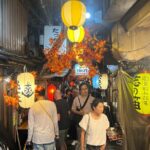
The first walking section takes about 20 minutes through Kanda Station’s west-side shopping area. This is a brief orientation rather than a major sightseeing walk, but it helps put the tasting in place.
Kanda is well suited to a sake tour because drinking is woven into the district’s everyday identity. The area is known for izakayas and for the salarymen who gather after work. You will not spend hours touring monuments here. Instead, you get a look at a part of Tokyo where food, alcohol, offices, and commuter life meet.
That modest scale is part of the appeal. A short walk lets your guide point out nearby places where you can continue with sake or order a meal later. The guide can also recommend other places to visit in Tokyo, which is useful if you are still shaping your itinerary.
Keep your expectations realistic. The 20-minute section is not a detailed architectural tour of Kanda, and the supplied information does not promise inside visits to multiple bars. Think of it as a local introduction before the main tasting.
Inside Toshimaya Rita-Shop, founded in 1596
The main portion takes place at Toshimaya Rita-Shop, described as Tokyo’s oldest sake shop. You first visit the shop to absorb its atmosphere and hear about its past. Then you move to another room for the tasting.
That sequence works well. You see the retail setting before tasting the bottles, so the sake does not feel detached from the business that sells it. Afterward, you return to the shop to browse and shop for bottles you enjoyed.
The shop is not merely a backdrop. It gives the guide a natural way to explain how sake is presented and sold. You can ask questions as you look at the available bottles, and you can purchase a favorite if one catches your attention. Purchases are optional, but the chance to buy directly at the end is useful when a tasting has helped you identify a style you like.
The information does not promise a particular interior, seating arrangement, or bottle list. The selection can change according to season and timing, so you should arrive ready for some variation. That is normal for a product with changing stock, but it means you should not book expecting one exact label.
Seven pours, served as a guided lesson

The tasting includes seven sake samples. Each pour is about 10 to 20 milliliters, served in the small tasting cups shown for the activity. That is enough to compare several types without turning the session into heavy drinking, but it is not enough to replace dinner or an evening at an izakaya.
The guide explains the sake, its production, history, and differences between styles. The experience suits beginners because you do not need prior knowledge to take part. It also has something for people who already know sake, since the small group makes it easier to ask more specific questions.
The order and exact selection may change. You might taste different flavor profiles, but the available bottles depend on when you visit. This is one reason I would avoid trying to predict the flight from another date. The better approach is to use the tasting to compare what is available that day.
A useful way to get more from the session is to notice your own preferences. Do you prefer a lighter or fuller taste? Do you like a clean finish or something more pronounced? You do not need technical vocabulary. The guide can help you connect your reaction to the sake in the glass.
One caution: the tasting can feel modest if you are expecting generous servings. Seven pours at 10 to 20 milliliters add up to a small total. Eat something beforehand, as the organizers specifically recommend. Food is not included, and bringing food into the activity is not allowed.

The guide matters here

This experience depends heavily on the person leading it. The guide speaks English and conducts tours in Tokyo, so you can expect explanations designed for visitors who may not know Japanese drinking customs or sake terms.
Fumino-san was singled out for clear, beautiful English, a friendly manner, strong sake explanations, and useful local recommendations. That combination is important. A guide who only lists facts can make a tasting feel like a lecture. A guide who only pours drinks misses the chance to explain why the shop and Kanda matter.
The strongest feedback also points to the tour’s flexibility for different levels of interest. Beginners can follow the basic explanations, while more experienced drinkers can ask detailed questions about production and differences between varieties. The small-group format supports that balance.
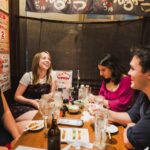
The group limit is 10 people. It may be smaller, and one reported visit had only three participants. A small group makes the tasting more personal and gives you a better chance to ask about a particular flavor or bottle. It also means the activity may feel quieter and more focused than a large commercial tasting.
No specific guide is guaranteed in the information provided, so treat Fumino-san’s praise as a useful example of the standard you may encounter, not a promise that she will lead every departure.
Shopping after the tasting

The final return to Toshimaya Rita-Shop is more than a quick exit. You have time to browse and buy sake sold there. If you discover a favorite during the tasting, this is the moment to ask about it and decide if you want a bottle.
This shopping stop is helpful for two reasons. First, you do not have to guess from an unfamiliar label before tasting. Second, you can ask the guide for help matching your purchase to your own taste.
There is also a sales element, and that is worth acknowledging. A tasting inside a shop naturally leads toward shopping. That should not surprise you, and the $38 price does not remove the commercial side of the experience. You are paying for instruction, samples, and access to the shop, not for a meal or a bottle included in the fee.
If you are trying to keep luggage light, you can simply browse. The tour does not require you to purchase anything.
How much value do you get for $38?

At $38, this is not the cheapest way to drink sake in Tokyo. You could spend less on a single drink at a local bar, especially if you already know what you want. The comparison changes when you include the guide, seven samples, the historic shop visit, the Kanda walk, and the local recommendations.
For someone new to sake, the tour can prevent random ordering later. You get a basic map of styles and enough samples to learn what you enjoy. That makes future restaurant or izakaya visits easier, since you can ask better questions and make a more informed choice.
For a sake fan, the value rests on the shop’s age and the chance to ask questions in a small setting. The changing selection is a plus if you enjoy discovery, though it is a drawback if you want a fixed tasting menu.
The tasting size keeps the price from being a bargain based on volume alone. You are not paying for seven full glasses. You are paying for a compact educational experience in a historic retail setting. I consider that reasonable for a visitor who wants to understand more than the label on the bottle.
Timing, rules, and practical planning
The total duration is two hours. That gives you a clear block for the activity without taking over an entire day. You could schedule it before dinner and use the guide’s Kanda suggestions to choose where to eat afterward.
Do not arrive hungry. Food is not included, and the organizers recommend eating before the tour. You may not bring food into the experience, so have a snack or meal before meeting at the station.
The activity is in English and has a small-group format. It is designed for people age 20 and older, and it is not suitable for pregnant women, people with a cold, or anyone under 20.
Cancellation is flexible up to 24 hours before the start, with a full refund. You can also reserve and pay later, which helps if your Tokyo plans are still shifting. Check the available start times when booking, since the two-hour duration alone does not tell you when the tour runs.
Who will enjoy this most?
I would recommend it to a first-time sake drinker who wants a friendly introduction without committing to a long class. The seven samples give you a manageable range, and the guide can explain the differences in plain English.
It also fits a repeat visitor who wants to see a less monumental side of Tokyo. Kanda’s drinking streets and old shop offer a local setting that feels distinct from the city’s major sightseeing stops.
Sake fans should consider it if they value questions, conversation, and changing selections. The experience may be too basic for someone seeking a technical professional course, since the format is only two hours and includes a short neighborhood walk.
I would skip it if your main goal is a full dinner, large portions, or a late-night bar crawl. I would also avoid it if you cannot arrive at the meeting point on time, since the five-minute waiting limit is strict.
Should you book this Kanda sake experience?
Book it if you want history, tasting, and local guidance in one compact outing. The 1596 shop gives the experience a strong sense of place, while the seven pours and English explanations make sake easier to understand. Fumino-san’s reported style, with clear explanations and useful Tokyo tips, is exactly what this format needs.
Think of the $38 as payment for context rather than quantity. Eat first, bring your passport or ID, wear comfortable shoes, and expect the sake list to change. If those conditions suit you, this is a focused and fairly priced way to spend two hours in Kanda.
FAQ
Where does the sake tasting begin?
Meet outside NewDays at the South Gate of Kanda Station. NewDays is a convenience store, and the guide will hold a sign reading Sake Tasting Tour.
How long does the activity last?
The experience lasts two hours, including the Kanda walking section, the shop visit, tasting, recommendations, and time to browse.
How many sake samples are included?
Seven sake tastings are included. Each pour is about 10 to 20 milliliters.
Can the sake selection change?
Yes. The sake available for tasting may change depending on the season and the timing of your visit.
Do I need to bring identification?
Yes. Participants must be at least 20 years old, and the guide will verify your age. Bring a valid ID card or passport.
Is food included?
No. Food is not included, and you should eat before the tour if you are hungry. Food is not allowed during the activity.
Is the tour conducted in English?
Yes. The activity includes a live English-speaking guide.
How large is the group?
The activity is limited to 10 participants, so it is arranged as a small-group experience.
Can I cancel the booking?
You can cancel up to 24 hours in advance for a full refund. The activity also offers a reserve-now-and-pay-later option.
More Historical Tours in Tokyo
More tours in Tokyo we've reviewed












Sake Tasting, compared.
 ★ 5.0Ramen and Sushi Cooking Class with Sake Pairing Set in TokyoFrom $79
 ★ 5.0Sake Tasting Masterclass in Shinjuku (8+ Varieties with a Pro)From $72
 ★ 5.0Sake Omakase in Tokyo: Guided Tasting by Certified SommeliersFrom $79
 ★ 5.0Tasting All Types of Sake with SommelierFrom $62
 ★ 5.0Wagyu & Sake Pairing in Shinjuku – Steak, Shabu-Shabu & MoreFrom $148
 ★ 5.0Tokyo Wagyu & Sake Pairing Tasting Experience with Local FlavorsFrom $151