Reviewed · SHIBUYA TOURS
One Day Tokyo Group Tour: Asakusa, Harajuku, Shibuya and more
Tokyo makes more sense when you see its old temples and modern city streets side by side. This six-hour walking tour links Asakusa, Harajuku, Shibuya, and Shinjuku, giving you a fast but useful introduction to the city.
In This Article
- Key points to know before booking
- Four Tokyo districts in six hours
- Meeting at Asakusa Culture Tourist Information Center
- Asakusa and Senso-ji: two hours among Tokyo’s oldest sights
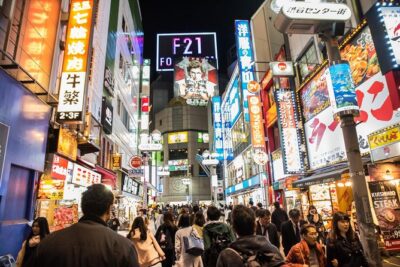
- Shibuya: the crossing, then the city behind it
- Harajuku Station and the city’s youthful edge
- Shinjuku: finish with practical evening advice
- The guides are a major part of the experience
- Walking, trains, weather, and what to carry
- Who should book this Tokyo tour
- Should you book it?
- FAQ
- How long does the Tokyo group tour last?
- What time does the tour start?
- Where does the tour begin?
- Where does the tour end?
- Which areas does the tour visit?
- Is public transportation included?
- Is lunch included?
- How large is the group?
- Can I cancel for a full refund?
I like the small maximum of 15 people and the chance to ask practical questions about Japanese culture, food, transport, and daily life. I also like that the route uses trains and your own two feet, so you reach streets and temple grounds that a sightseeing bus cannot. The main drawback is pace: you cover a lot of ground, and the day includes considerable walking in Tokyo weather.
Key points to know before booking

- Senso-ji begins the day with Tokyo’s old soul: Spend about two hours around Asakusa’s famous seventh-century Buddhist temple.
- Shibuya is more than the crossing: You get time to see the famous intersection and hear about the restaurants, bars, clubs, and side streets that locals use.
- The route ends in Shinjuku: Your guide leaves you in Tokyo’s nightlife center with suggestions for what to do afterward.
- Public transport costs extra: Budget about $5 per person for trains or other local transport used during the tour.
- The group stays fairly small: Up to 15 people makes it easier to hear the guide and ask questions.
- Good shoes matter: This is an active walking day, and a moderate level of fitness is required.
Four Tokyo districts in six hours

At $75.77 per person, this experience is priced as an introduction rather than a full-day deep exploration of Tokyo. You are paying for an English-speaking guide, route planning, local orientation, and help with the city’s train system. Lunch and roughly $5 in public transportation are extra.
I see the value most clearly if you have only one free day, a long layover, or no wish to spend your first hours in Tokyo puzzling over station signs. The tour does not try to show you every major sight. Instead, it gives you a useful framework: traditional Asakusa, youthful Harajuku, high-energy Shibuya, and late-night Shinjuku.
That range is the appeal. You can compare four very different sides of Tokyo without arranging separate visits. The tradeoff is that each stop receives only a portion of a day, so you should not expect long museum visits, extended shopping time, or a slow meal.
The published rating is 5 out of 5 from 30 ratings, with 100 percent recommending the experience. The strongest praise centers on the guides, especially Firas, Amir, Flor, and Ravisha. Their reported strengths are enthusiasm, clear explanations, friendly care, and the ability to adjust the day when the group is very small.
A few more Tokyo tours and experiences worth a look


Meeting at Asakusa Culture Tourist Information Center
The tour starts at 10 a.m. outside the Asakusa Culture Tourist Information Center, at 2-18-9 Kaminarimon, Taito City. This is a practical starting point because Asakusa offers an immediate introduction to old Tokyo, rather than easing you in with a generic shopping street.
Arrive ready to walk. The experience uses public transport between districts, and the transport charge is not included in the tour price. The exact ticketing process is not detailed, so keep the extra $5 available as a simple working estimate.
The guide is also there to help you understand Tokyo’s stations. That matters. Tokyo’s rail network can feel confusing even when you have a phone map, particularly when several lines and exits serve the same district. Learning how to follow the group and orient yourself in a station may be one of the most useful parts of this short tour.
Asakusa and Senso-ji: two hours among Tokyo’s oldest sights
Asakusa receives the longest stop, about two hours, and that is a sensible choice. The district is centered on Senso-ji, one of Tokyo’s oldest temples, founded in the seventh century and associated with Kannon, the Buddhist goddess of mercy.
You will have time to take in the temple area on foot and hear about its religious and cultural setting. The tour description does not promise entry to special buildings or a private ceremony, so think of this as an outdoor visit around the temple grounds rather than a formal temple program.
I like beginning here because the contrast with the rest of the day is immediate. Asakusa gives you a sense of older Tokyo, while later stops shift toward fashion, giant screens, department stores, restaurants, and nightlife. A guide can also explain details that are easy to miss when you simply walk through, including how the shrine and temple areas fit into Japanese daily life.
You should not expect the same quiet atmosphere you might find at a remote mountain temple. Senso-ji is one of Tokyo’s best-known sights, and the area can feel active. Still, the two-hour allocation gives your guide enough time to explain the place without reducing it to a quick photograph.
This is also a good point to ask questions. The guide is available to discuss culture, history, local habits, and food, and the route is designed to include recommendations for the rest of your visit. If you want to know what to eat, how to use the trains, or which neighborhoods deserve more time, ask while you have the guide beside you.
Shibuya: the crossing, then the city behind it

The tour spends about two hours in Shibuya, the longest stop apart from Asakusa. Most people know Shibuya for its famous pedestrian crossing, but the experience aims to show you more than the few minutes it takes to cross the street.
Shibuya is presented as a district of restaurants, bars, clubs, and side streets that are more familiar to locals and repeat visitors. The route does not list specific venues, so you should treat the guide’s recommendations as a starting point rather than a fixed dining plan.
This is where local advice can be especially useful. Shibuya has plenty of choices, but its scale and constant movement can make a first visit feel scattered. A guide who knows the area can point out the parts worth returning to after the tour, depending on your interests and the time of day.
The two-hour stop also gives you a better chance to understand why the crossing matters without treating it as Tokyo’s entire identity. You will see one of the city’s most recognizable public spaces, then consider the surrounding streets as a place to eat, shop, meet friends, or go out at night.
Keep your energy in reserve here. Shibuya comes after Asakusa and the journey between districts, so the day is not a gentle stroll. On a hot day, the walking can feel demanding. One participant specifically advised bringing good walking shoes and cash, sensible advice for a route with multiple stops and extra transport costs.
Harajuku Station and the city’s youthful edge

The Harajuku portion lasts about one hour. That is enough for a taste of the neighborhood, but not enough for an unhurried afternoon of shopping or a detailed visit to every nearby attraction.
The stop is built around experiencing Harajuku’s atmosphere and sights. You can expect a change of mood from Asakusa’s temple setting and Shibuya’s major intersection. Harajuku is known here as a place to feel the character of the neighborhood rather than as a single ticketed attraction.
The itinerary marks admission as included, though it does not name a separate attraction or explain what that admission covers. I would not plan the hour around a particular museum or exhibit. Instead, think of it as guided neighborhood time, with the guide helping you notice the local character and decide if Harajuku deserves a longer return visit.
Because this is a compact tour, the Harajuku stop may feel brief if fashion, youth culture, or shopping is high on your list. You will need another visit to explore at your own pace. Its purpose here is comparison: Tokyo’s districts can change personality within a short train ride, and Harajuku gives you another clear example.
A few more Tokyo tours and experiences worth a look


Shinjuku: finish with practical evening advice

The final stop is Shinjuku, Tokyo’s nightlife center, and the tour ends there after about one hour. This is a smart finish for a half-day route because you are not returned to the starting point with the rest of your evening still to organize.
Shinjuku is described as a place where locals and visitors meet to relax, eat, drink, and go out. The guide plans to finish with recommendations for places you can check out afterward, so you can turn the tour into an evening in the district if you still have energy.
The end point is Shinjuku City, Tokyo, rather than the Asakusa meeting point. That saves you a return journey and gives the day a practical shape. If you are staying elsewhere, you will need to arrange your own way back, but Shinjuku is well connected by public transport.
One hour is enough for orientation, not a full nightlife experience. The guide can show you the general character of the area and offer ideas, but lunch, dinner, drinks, and entertainment are not included. Plan your budget accordingly.
The guides are a major part of the experience

The tour is led by an English-speaking guide, and the guide’s personality appears to have a strong effect on the day. Firas receives especially warm praise for being friendly, attentive, and well informed about Tokyo and Japan. One small group had only three people, allowing him to tailor the route to their interests.
Amir is also singled out for enthusiasm and a strong command of local culture and history. His background is French, not Japanese, but that does not prevent him from leading an engaging tour. In fact, an international guide can sometimes explain Japan in terms that make sense to a first-time visitor from abroad.
Flor is praised for explaining the history of the shrines clearly and keeping the experience fun. Ravisha is described as informative without overloading the group with too much detail. Those are useful qualities on a route that moves quickly between four districts.
The guide assignment may vary, so you should not book with the assumption that you will receive a particular person. Still, the pattern is clear: expect the human side of the tour to matter as much as the route. Ask questions, speak up about your interests, and use the guide’s local suggestions.
Walking, trains, weather, and what to carry

This is not a bus tour. You see Tokyo at street level, enter areas cars cannot reach, and move between districts by public transport. That gives you a more direct feel for the city, but it also means you need a moderate level of fitness.
Wear comfortable walking shoes. Bring cash, as one practical tip from the experience suggests, and keep around $5 ready for public transport. Lunch is not included, so you should plan how and when you want to eat. The tour details do not specify a lunch break or restaurant stop, so do not assume a meal is part of the schedule.
Weather matters. The experience can be canceled in poor weather, with a different date or a full refund offered. On a sunny day, the same route may feel enjoyable but tiring, especially during hot weather. Carrying water is a sensible personal choice, though it is not listed as an included service.
Service animals are allowed, and the meeting point is near public transportation. Confirmation is provided when you book. The maximum group size is 15, though one booking may sometimes produce a much smaller group, which can make the day more flexible.
Who should book this Tokyo tour
I would choose this tour if you want an efficient first look at Tokyo and prefer a guide to help with context and transport. It suits first-time visitors, people with a short stay, and anyone arriving with a long layover who wants more than an airport-area impression of the city.
It is also a good fit if you enjoy asking questions. The guide can discuss Japanese culture, history, daily life, and local places to eat or go out. That personal exchange is harder to get from a self-guided route or sightseeing bus.
I would hesitate if you dislike walking, want a slow schedule, or already know these districts well. The tour gives you a useful overview, but it will not satisfy someone who wants several hours in one temple, a long shopping session in Harajuku, or a full night out in Shinjuku.
The small group helps, but 15 people is still enough to create pauses at crossings, station entrances, and busy public spaces. The route also includes four districts in six hours, so you should expect a brisk day rather than a leisurely neighborhood walk.
Should you book it?
Book this tour if you want Tokyo’s major contrasts explained in one manageable outing: Senso-ji and Asakusa, Harajuku’s local character, Shibuya Crossing and its surrounding streets, then Shinjuku’s evening possibilities.
At $75.77, the price is reasonable when you value a guide, a planned route, and help with Tokyo’s rail system. Add lunch and about $5 for transport. Choose something else if you want extensive free time or a private, highly specialized tour.
For a first day in Tokyo, a short visit, or a layover, I would consider it a practical choice. Wear good shoes, bring cash, and treat the guide’s recommendations as the beginning of your Tokyo plans, not the end.
FAQ
How long does the Tokyo group tour last?
The tour lasts approximately six hours.
What time does the tour start?
The tour starts at 10:00 a.m.
Where does the tour begin?
It begins at the Asakusa Culture Tourist Information Center in Taito City, near Kaminarimon.
Where does the tour end?
The tour ends in Shinjuku City, Tokyo, with recommendations for places to visit afterward.
Which areas does the tour visit?
The route includes Asakusa, Shibuya, Harajuku near Harajuku Station, and Shinjuku.
Is public transportation included?
No. Public transportation is not included. The estimated additional cost is $5 per person.
Is lunch included?
No. Lunch is not included in the tour price.
How large is the group?
The tour has a maximum of 15 participants.
Can I cancel for a full refund?
Yes, if you cancel at least 24 hours before the experience start time. Cancellations or changes made less than 24 hours in advance are not refunded. If poor weather or an insufficient minimum group causes cancellation, you can receive a different date or a full refund.
More 1-Day Tours in Tokyo



More Asakusa Tours in Tokyo
More Shibuya Tours in Tokyo

More tours in Tokyo we've reviewed












Shibuya Tours, compared.
 ★ 5.0Official Street Go-Kart in ShibuyaFrom $76
 ★ 5.0Shibuya Meltdown Nightlife Tour: All-You-Can-Drink Bar HoppingFrom $106
 ★ 4.9Tokyo: Street Kart Experience in ShibuyaFrom $99
 ★ 5.0Shibuya Official Street Go-Kart in Shibuya AnnexFrom $69
 ★ 5.0Tokyo: Shibuya Food Tour (13 dishes and 4 Eateries)From $77
 ★ 5.0Best of Shibuya Food TourFrom $217