Reviewed · TOURS
Tokyo’s Scariest Shitamachi Ghost Tour
Tokyo’s darkest stories are often hiding beside ordinary office towers, temples, and subway stations. This evening tour takes you from Otemachi through Minamisenju to Asakusa, where tragic events, ghost lore, and old Japanese customs meet on the street.
In This Article
- Key things to know before you book
- From Otemachi offices to an angry shrine spirit
- Minamisenju and the city’s tragic past
- Asakusa after dark, from Sensoji to Kappabashi
- How scary is Tokyo’s Scariest Shitamachi Ghost Tour?
- Walking, subway rides, and the evening pace
- What the $114.95 price includes
- The guides and the personal feel
- Practical details that can change your experience
- Who should book this evening walk?
- Should you book Tokyo’s Scariest Shitamachi Ghost Tour?
- FAQ
- Where does the tour start?
- What time does the tour begin?
- How long does the tour last?
- Where does the tour end?
- How many people can join?
- Is public transportation included?
- Is food included?
- Can children join the tour?
- Is the tour wheelchair accessible?
- Can I cancel for a refund?
I like the small maximum of eight people, which gives you a better chance to ask questions and keep up with the guide. I also like the unusual route, especially the stops around Minamisenju and Kappabashi that most first-time visitors would not find on their own.
The main catch is simple: this is a walking tour with a ghost theme, not a nonstop parade of supernatural tales. You may hear only a handful of ghost stories, with plenty of history, death, folklore, and cultural explanation in between. Comfortable shoes are essential.
Key things to know before you book

- The route covers three very different parts of Tokyo: Otemachi, Minamisenju, and Asakusa.
- Expect a lot of walking: Some people covered around 8,000 steps, and the tour can run beyond three hours.
- The stories are often grim rather than frightening: You will hear about tragic deaths, vengeance, spirits, and old customs for calming the dead.
- Guides bring different strengths: Joris, Maik, Frank, Haruka, Melissa, and others have led tours, with an emphasis on history, conversation, and local culture.
- One local snack is included: This is not a dinner tour, so eat before the 6 p.m. start.
- Public transport costs extra: Budget about 400 yen per person for subway or train rides during the tour.
From Otemachi offices to an angry shrine spirit

The tour begins at 6 p.m. near the Yamato Transport baggage counter at Tokyo Station’s Marunouchi North Exit. This is a useful meeting point, but Tokyo Station is large, so give yourself time to find the correct exit and counter.
The first stop is in Otemachi, Tokyo’s modern office district. Glass towers and financial firms make this seem like an unlikely place for a ghost story. That contrast is part of the fun.
Your guide takes you to a shrine linked with a vengeful spirit. The story centers on the belief that office workers nearby still avoid turning their backs toward the shrine’s location. It is a short stop of about 20 minutes, with no admission fee.
This opening works best if you enjoy the way old fears survive in a modern city. You are not simply standing in a dark alley waiting for something to move. You are learning how a place can carry a story long after its original events have passed.
The Otemachi stop also sets the tone for the whole evening. The tour treats supernatural belief as part of Japanese culture, not just as a cheap scare. You may hear about the need to respect or appease spirits, a theme that returns at later shrines and temples.
If you're still narrowing it down, here are other tours in Tokyo we've reviewed.


Minamisenju and the city’s tragic past
The second section moves to Minamisenju and lasts about 40 minutes. This is where the tour becomes more solemn.
The guide visits several sites, including two places of worship with tragic backgrounds and reports of paranormal activity. You also visit the location of another dark story. The exact pace depends on the group, transport connections, and how many questions come up.
Minamisenju is valuable because it gives the tour a stronger historical base. The stories are tied to real places and to periods when violence, punishment, death, and religious ritual shaped daily life. If you want only campfire-style tales, this part may feel too serious. If you like stories that explain how a city remembers painful events, it is one of the more interesting sections.
Some of the material concerns death more than ghosts. That distinction matters. The title promises Tokyo’s scariest Shitamachi ghost tour, but the actual experience is closer to a nighttime history walk with eerie folklore woven through it.
That does not make the stories dull. It changes the kind of evening you are buying. You may leave knowing more about Japanese attitudes toward the dead, sacred places, and ritual than about a long list of haunted locations.
Asakusa after dark, from Sensoji to Kappabashi
The longest section takes place in Asakusa and lasts about 80 minutes. The route includes a viewpoint, Sensoji Temple, the streets around the temple, Old Hag’s Pond, and Kappabashi.
Asakusa is one of Tokyo’s best areas for an evening walk. The temples and old streets give the stories a stronger setting than the office towers of Otemachi. At night, familiar places can feel different, especially when your guide explains the darker tales connected with them.
Sensoji adds an important cultural layer. A guide may explain how to approach a sacred site and how to pray or pay your respects properly. This is one of the better features of the tour because it gives you something useful for the rest of your time in Japan.
The route around Sensoji also shows how tourism and older local traditions sit side by side. You may pass busy streets and well-known sights, then hear about a disturbing legend connected with a place you might otherwise photograph and walk past.
Old Hag’s Pond brings a more traditional horror flavor. The name alone suggests the sort of folklore you can expect, but the tour is not built around theatrical effects or actors. The atmosphere comes from the place, the story, and the guide’s delivery.
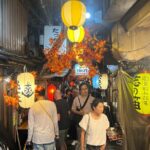
Kappabashi provides a different finish. This area is known for shops connected with kitchen goods and restaurant supplies, yet it also forms part of the tour’s darker route. That contrast is typical of the evening: ordinary Tokyo streets take on another meaning once you know the story attached to them.
At the end, your guide can leave you at a restaurant or bar in Asakusa, or at the entrance to a metro station. The tour does not include dinner, so this is a good place to continue your evening with a meal.
How scary is Tokyo’s Scariest Shitamachi Ghost Tour?
You should set your expectations carefully. The experience includes ghost stories, folklore, reports of strange activity, and grim tales from Tokyo’s past. But the balance can lean toward cultural history and tragedy rather than constant supernatural suspense.
Some guides have delivered a more chilling evening, with scary tales told at the locations connected with them. Maik has been praised for mixing frightening stories with Japanese cultural insight, while Joris has been appreciated for his conversation and explanations of Tokyo’s past. Frank has also led tours focused on culture, history, and unsettling stories.
The guide makes a real difference. The tour is small, and much of the evening involves walking and talking. A guide who is lively and responsive can turn a long transfer into part of the experience. A less dramatic storytelling style may leave you wishing for more ghosts.
The activity can be made family-friendly, but the subject matter includes death, revenge, tragic events, and dark folklore. Families with older children may find it manageable, while younger children could find some stories upsetting. Ask for a lighter approach when arranging the tour if that matters to your group.
Walking, subway rides, and the evening pace

This is not a short stroll between nearby sights. You move between three areas, and public transport is used during the tour. The transport fare is not included and costs around 400 yen per person.
The advertised duration is about three hours, but you should not plan something tightly after the scheduled finish. Some people found the experience lasted more than three hours, and one account described roughly 8,000 steps. Delays, questions, and the group’s pace can all affect the final timing.
Wear comfortable walking shoes. Tokyo’s pavement is easy to walk on, but distance adds up quickly. You should also bring water, especially if you are visiting during a warmer season.
The 6 p.m. start places the tour around dinner time. One local snack is provided, but it is not a meal and there is no regular dinner stop. Eat beforehand, or be ready to eat after reaching Asakusa.
This timing has one clear advantage: you see the neighborhoods after dark, when the theme makes sense. The tradeoff is that you may be hungry by the final stops.


What the $114.95 price includes

At $114.95 per person, this is not a budget walking tour. The value depends on what you want from a guide.
You are paying for a small-group experience capped at eight people, a route that uses public transport, a guide who can explain Japanese customs and local stories, and access to places outside the standard sightseeing circuit. The included local snack is a nice touch, but it is not a major part of the price.
Public transportation is extra, at about 400 yen per person. Group discounts may improve the cost for larger bookings, though you should check the final price for your dates.
I would consider the price reasonable if you want a guide-led evening built around obscure stories, local religious practice, and unusual Tokyo neighborhoods. I would hesitate if your main goal is a high number of ghost encounters or polished theatrical scares. A cheaper self-guided walk may suit you better if you mainly want to see Sensoji and Asakusa at night.
The strongest value comes from the guide’s local interpretation. You can see many of these neighborhoods without paying for a tour, but you will not automatically know which shrine, pond, cemetery, or side street carries a disturbing story.
The guides and the personal feel

Several guides have led this experience, including Joris, Maik, Frank, Haruka, and Melissa. Their styles vary, but the best fit for this tour is a guide who can handle both storytelling and conversation.
Joris has been described as attentive before the meeting, helpful with directions, and good at answering questions. His tours appear to place strong weight on Tokyo’s history and conversation, with ghost stories mixed in.
Maik’s style leans toward humor, cultural explanation, and scary tales. Frank has been a good choice for people who want to ask questions about the city while hearing unsettling stories. Haruka has also provided recommendations for other places to visit after the tour, adding a useful personal touch.
The small group matters here. You can ask why a shrine is important, what a ritual means, or how a local legend developed. In a large group, those questions often get lost. Here, they can shape the pace and the discussion.
Still, a small group does not guarantee a dramatic performance. If the guide is more of a history storyteller than a horror narrator, the evening may feel like a cultural walking tour with a spooky theme.
Practical details that can change your experience
Confirmation arrives within 48 hours of booking, subject to availability. The tour allows service animals, is near public transportation, and most people can participate.
The start point is:
Yamato Transport Tokyo Station Marunouchi North Exit Baggage Service Counter
Tokyo Station Marunouchi North Exit
1-chome 9, Marunouchi, Chiyoda City, Tokyo
The tour ends at 1-chome 2-35 Asakusa, Taito City, or nearby at a restaurant, bar, or metro entrance arranged with the guide.
Bring cash for transport, since the subway or train fare is not included. A mobile ticket is available, and the group maximum is eight people.
The cancellation policy is strict. The experience is non-refundable and cannot be changed for any reason, so book only when your evening plans are firm.
Who should book this evening walk?
I would recommend it to you if you enjoy:
- Japanese folklore and religious customs
- Dark stories connected with real places
- Long city walks with frequent guide conversation
- Seeing Tokyo beyond the most familiar attractions
- Small groups rather than large organized tours
- A mix of history, tragedy, and supernatural tradition
You should think twice if you want a scare-focused activity with a ghost story at every stop. You should also reconsider if you dislike long walks, subway transfers, or tours that finish later than expected.
The family-friendly option helps, but the subject matter can still be heavy. Ask for an age-appropriate approach, and remember that the tone may be sad or unsettling even when it is not frightening.
Should you book Tokyo’s Scariest Shitamachi Ghost Tour?
Book it if you want an unusual evening that reveals a darker side of Tokyo through shrines, temples, old stories, and local custom. The route is unusual, the group is small, and the guides can add real value when they explain how Japanese culture deals with angry or restless spirits.
Skip it if the word ghost is your main reason for booking. You may hear only a few true supernatural tales, and much of the experience involves walking, transport, history, and discussion. At $114.95, the tour needs to match your interests.
My advice is to treat it as a spooky Tokyo history walk, not a haunted-house attraction. Wear good shoes, eat before the 6 p.m. start, carry about 400 yen for transport, and leave the rest of your night open in Asakusa. With those expectations, this can be a memorable way to see places and stories that do not appear on the usual Tokyo sightseeing list.
FAQ
Where does the tour start?
It starts at the Yamato Transport Tokyo Station Marunouchi North Exit Baggage Service Counter in Tokyo Station.
What time does the tour begin?
The tour starts at 6 p.m.
How long does the tour last?
The scheduled duration is approximately three hours. You should allow extra time, since some tours have lasted more than three hours.
Where does the tour end?
It ends in Asakusa at 1-chome 2-35 Asakusa. The guide can also leave you at a nearby restaurant, bar, or metro station entrance.
How many people can join?
The tour has a maximum of eight participants.
Is public transportation included?
No. Public transportation costs extra, at around 400 yen per person during the tour.
Is food included?
One local snack is included because the tour takes place around dinner time. The tour does not include a dinner stop.
Can children join the tour?
The tour can be made family-friendly. Some stories may still be dark or disturbing for younger children.
Is the tour wheelchair accessible?
The provided details do not state that the tour is wheelchair accessible. Most participants can take part, and service animals are allowed.
Can I cancel for a refund?
No. The experience is non-refundable and cannot be changed after booking.
More tours in Tokyo we've reviewed












Tours, compared.
 ★ 5.0Mt Fuji and Hakone 1-Day Bus Tour Return by Bullet TrainFrom $163
 ★ 5.01-Day Tokyo Bus TourFrom $129
 ★ 5.0Tokyo: Shinjuku Food Tour (13 Dishes at 4 Local Eateries)From $86
 ★ 4.4Tokyo Mt Fuji 5th St & Hakone Cruise Bus Tour w/Bullet TrainFrom $15410 hours
 ★ 5.0Flagship 2-Hours Official Street Go-Kart Tour – Tokyo Bay ShopFrom $642 hours to 2 hours 30 minutes (approx.)
 ★ 4.7Tokyo: Mt. Fuji Tour, Hakone Ropeway, Owakudani, Lake AshiFrom $5410 hours