Reviewed · IMPERIAL PALACE & SHOGUN TOURS
Tokyo: Edo Castle & East Garden of the Imperial Palace Tour
Tokyo’s Imperial Palace East Gardens give you something rare in a megacity: a quiet walk across the former grounds of Edo Castle, where shoguns once ruled Japan. You’ll see stone walls, castle remnants, formal gardens, ponds, and the famous koi while your English-speaking guide connects the scenery to Japan’s political past.
In This Article
- Key points at a glance
- Why Edo Castle makes this garden walk worthwhile
- Meeting the guide at Wadakura Fountain Park
- Entering the East Gardens, not the Inner Palace
- Reading castle remains with a guide
- The garden portion and its quieter rewards
- The koi and other details worth noticing
- How much value do you get for $42?
- Who will enjoy this walk most
- Timing, weather, and practical planning
- Should you book the Imperial Palace East Gardens tour?
- FAQ
- How long is the Tokyo Imperial Palace East Gardens tour?
- Where do I meet the guide?
- Does the tour enter the Inner Palace?
- Which days are the East Gardens closed?
- Is the tour offered in English?
- What should I do if I have bought a Japanese knife?
I like the slow, two-hour pace, which leaves room for questions, photos, and small stops rather than turning the gardens into a history lecture. I also like the guides’ practical help. Hitoshi, Naoko, Shigeru, Masahito, Mikio, and others are praised for clear English, visual aids, patience, and even helping people reach a subway station afterward. The main catch is simple: you do not enter the Inner Palace, and the East Gardens are closed on Mondays and Fridays.
Key points at a glance
- Walk across Edo Castle grounds: See surviving walls, foundations, and sites connected to the shoguns.
- Meet at Wadakura Fountain Park: Look for the guide holding a Gotcha sign in front of the fountain.
- Hear more than dates: Guides explain shoguns, daimyo, ninjas, imperial history, architecture, gardens, and Japanese customs.
- Enjoy a gentle pace: The walk suits families, older visitors, and anyone who prefers time to stop and listen.
- Look for the special koi: The garden’s koi are one of the tour’s unusual visual highlights.
- Plan around closures: The East Gardens do not open on Mondays or Fridays, and baggage checks apply at entry.
Why Edo Castle makes this garden walk worthwhile
Tokyo can feel relentlessly modern, with trains, towers, signs, and crowds pulling you in every direction. The East Gardens offer a useful reset, but their real value comes from knowing what you are looking at. Without context, you may see a handsome park with stone walls. With a guide, those walls become clues to the power structure that shaped Japan.
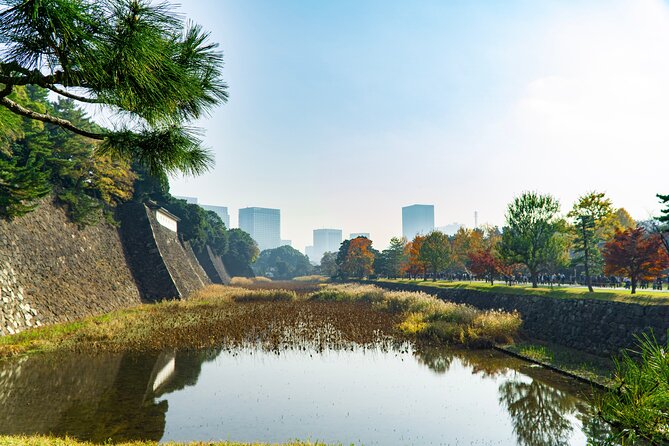
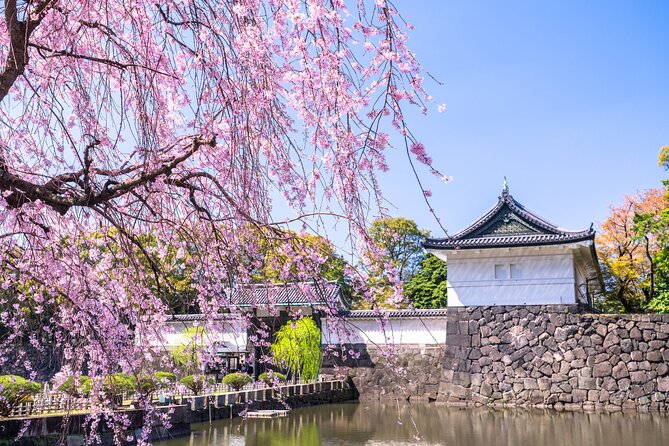
Edo Castle was the seat of the shogun, the military ruler who governed Japan for centuries. The present Imperial Palace occupies the wider castle site, but the East Gardens are on the former main grounds where that earlier government operated. You are not walking through a preserved castle interior. Much of Edo Castle is gone. What remains includes foundations, defensive walls, gates, garden spaces, and the shape of the old compound.
That partial survival is important. I prefer places where the past is not dressed up as a perfect stage set. Here, your guide helps you read absences as well as remains. A stone base can suggest the scale of a vanished building. A wall can show how access and power were controlled. A garden can reveal how political authority was presented through order, space, and ceremony.
This is also a good first or second-day Tokyo activity. The tour gives you a basic framework for Japanese history, then lets you see that framework in place. Several guides, including Shigeru, Hitoshi, and Masahito, are praised for giving a short introduction before entering the gardens. That approach helps you keep the shoguns, daimyo, and imperial family from becoming a blur of unfamiliar names.
A few more Tokyo tours and experiences worth a look


Meeting the guide at Wadakura Fountain Park
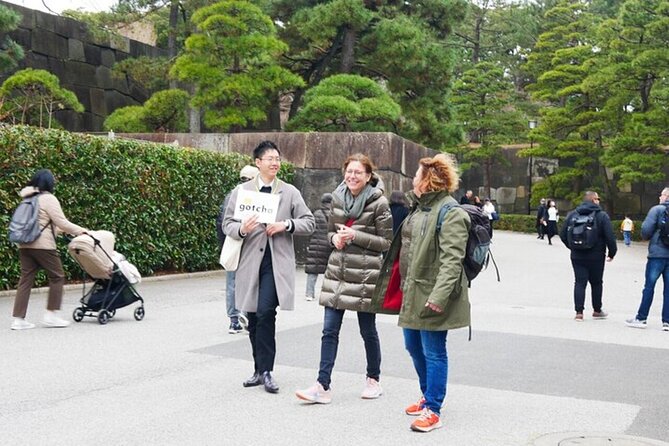
The tour begins at Wadakura Fountain Park, in front of the fountain. The guide carries a sign marked Gotcha, which makes the meeting point easier to spot than a vague instruction to wait near the palace.
Give yourself enough time to reach the park without rushing. Tokyo’s central districts are easy to navigate once you are oriented, but a first visit can involve large streets, office buildings, and several nearby entrances. The stated meeting point matters, so follow it rather than heading directly to the most impressive palace gate you see.
Wadakura Fountain Park is a pleasant place to gather. It gives you a clear break between Tokyo’s city streets and the garden walk ahead. Once the group is assembled, the guide leads you toward the East Gardens and sets the historical scene.
At entry, be ready for a baggage inspection. This is more than a minor footnote if you have been shopping earlier in the day. Knives and other objects that could be treated as weapons should be left in a coin locker or similar storage before the meeting. If you have bought Japanese kitchen knives in Tsukiji or Asakusa, do not simply carry them to the palace grounds.
Entering the East Gardens, not the Inner Palace
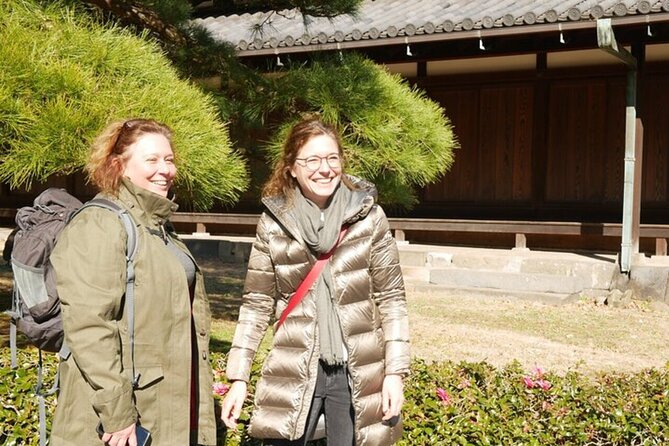
The most important expectation to set is that this is an East Gardens tour, not an inside visit to the Imperial Palace. The Inner Palace is not open to the public as part of this experience, and the tour does not take you into it.
That limitation does not make the walk pointless. The East Gardens occupy former Edo Castle grounds, so you are still visiting a central historic site tied to both shogunal and imperial history. You can appreciate the palace area from the outside and spend your time among accessible gardens and remains rather than waiting for an interior room that is not part of the visit.
I would book this for the setting and the stories, not for palace interiors. If your main goal is to see royal rooms, ceremonial halls, or the private Imperial Palace compound, this will not meet that goal. If you want to understand the site that surrounds the palace, it is a better fit.
The gardens also offer breathing room in a busy city. Their appeal is not only the flowers or ponds. The open space makes it easier to notice stonework, sight lines, clipped plantings, and the relationship between defensive structures and cultivated grounds.
Reading castle remains with a guide
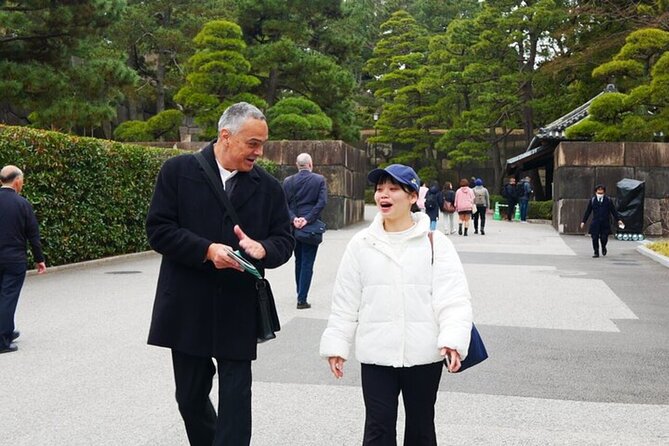
The tour’s strongest feature is the way it turns scattered remains into a story. A self-guided walk can show you attractive stonework, but it may not explain why one wall matters, what stood on a particular foundation, or how the site changed from Edo Castle to the Imperial Palace.
Guides have different personalities, but the best praised qualities are consistent. Hitoshi is repeatedly described as friendly, clear in English, and exceptionally attentive. Shigeru is praised for his command of Japanese history and his ability to answer questions. Naoko is noted for patient explanations, visual materials, and a teaching style that works well with families and older groups. Masahito is described as prepared, good-humored, and engaging.
Several guides use printed pictures or visual explanations. That is especially useful when a building no longer survives. Instead of asking you to imagine an entire castle from a low stone foundation, the guide can show how the former structure may have looked and explain its role.
You may hear about shoguns, daimyo, ninjas, the imperial family, architecture, and the customs that shaped Japanese society. The value is not simply the amount of information. It is the connection between large historical forces and the exact ground under your feet.
The garden portion and its quieter rewards
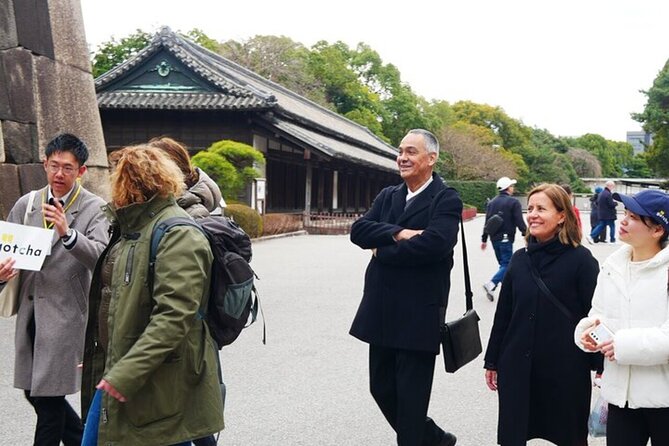
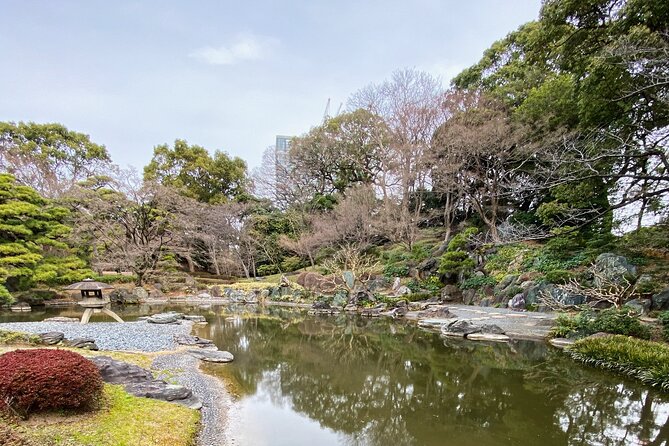
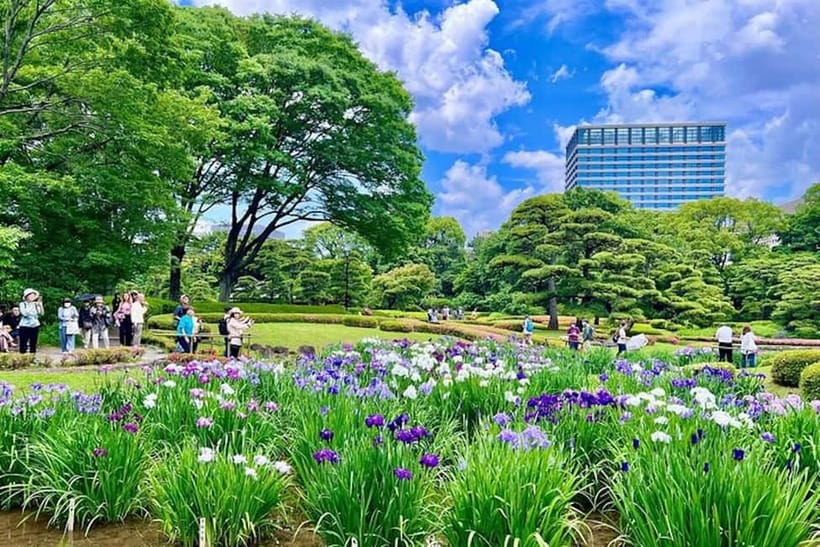
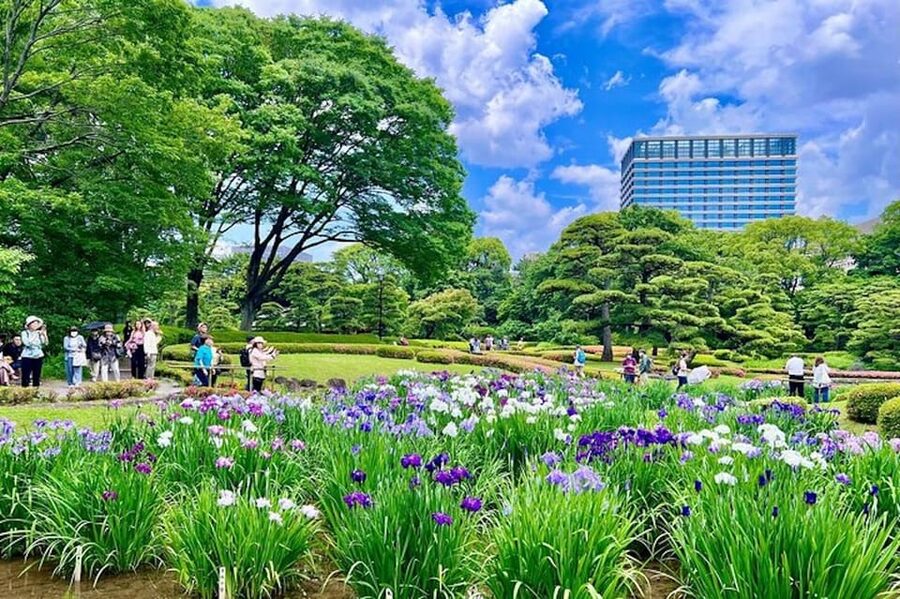
The East Gardens are more than a collection of castle ruins. Their planted areas and ponds make the walk feel calm, and the garden setting gives the history a human scale. After hearing about military rule and court life, you can pause beside greenery and water rather than moving from one hard architectural site to another.
The guides point out trees, plants, garden details, and places that are easy to pass without noticing. Shigeru, for example, is praised for explaining the significance of trees and plants as well as the site’s historical background. That combination suits the gardens. You learn to look at the plants as part of a designed setting, not just decoration.
The pace is deliberately relaxed. Mike described it as a slow-paced walk, and that is a useful way to think about the experience. You should have time for photos, questions, and short rests. Mikio is specifically praised for allowing small stops and adjusting the pace, while other guides have helped older visitors and a person using a wheelchair.
Still, this is a walking tour. The two-hour length may feel short if you want to linger at every pond, read every sign, or explore independently after each explanation. The guide-led format gives you structure, but it also means the group keeps moving.





The koi and other details worth noticing
The tour highlights a special breed of koi fish, described as a one-of-a-kind magical feature of the experience. The wording is colorful, but the practical point is clear: keep an eye on the ponds and water features rather than focusing only on castle stones.
Koi add a small, memorable detail to a tour that could otherwise feel heavily historical. They are also a good reason to slow down, especially if you are traveling with children. A nine-year-old was able to enjoy the experience as a learning opportunity, and the mix of fish, gardens, pictures, and stories gives younger visitors more than a long talk about political history.
Guides also help with photographs. Some have taken pictures for the group at attractive spots, and one guide gave an origami crane as a parting gift. These gestures are not guaranteed, so I would not book expecting a souvenir. They do show the personal touch that can make a short walking tour feel less mechanical.
At times, a guide may add a small extra stop or point you toward something nearby. Masahito showed one group cherry blossoms in an adjacent park, and other guides helped people continue to their next activity or find the subway. Again, treat that as goodwill rather than a promised extension. The official tour lasts two hours and returns to Wadakura Fountain Park.
How much value do you get for $42?
At $42 per person, this is not the cheapest way to enter the gardens. The East Gardens themselves are free to enter, so you are paying for the English-speaking guide, the organized route, the historical explanation, and the chance to ask questions.
That price makes sense if you are interested in Japanese history but do not want to spend time researching Edo Castle before arrival. A guide can explain what you are seeing in real time and connect the site to the shoguns, the imperial family, Japanese culture, and garden design. For a first visit, that context can be worth more than the admission price you are not paying.
The value is less convincing if you are happy to read signs, use a guidebook, and wander on your own. One participant sensibly compared the cost with full-day trips to Nikko or Mount Fuji. That comparison is fair. You are not buying a full-day excursion or a major transport experience. You are buying a focused two-hour introduction in central Tokyo.
I see it as a good midrange choice for a short Tokyo schedule. It is compact, has no long train ride, and gives you a meaningful historical stop without taking an entire day. Families, first-time visitors, and people who want a calm morning or afternoon will likely get the most from it.
Who will enjoy this walk most
I would choose this tour if you want:
- A clear introduction to the shogun era and imperial history
- A gentle walk rather than a packed sightseeing schedule
- Help understanding ruins, walls, plants, and garden design
- An English-speaking guide who can answer questions
- A family-friendly way to add history without spending all day in a museum
- A central Tokyo activity that fits around other plans
It is also a sensible choice for older visitors if you communicate your needs early and keep expectations realistic. Guides such as Hitoshi and Mikio have been praised for patience, slow pacing, and careful assistance. One guide helped a wheelchair user throughout the visit, but you should still confirm your own access needs before booking because the supplied information does not promise full accessibility across every path.
You may want to skip it if your priority is entering the Inner Palace, seeing a complete Edo-period building, or taking a full-day trip outside Tokyo. The tour is about the former castle grounds and the meaning of what remains.
Timing, weather, and practical planning
The East Gardens are closed on Mondays and Fridays, so check the calendar before building this into your Tokyo plan. A cancellation option is available up to 24 hours before the start for a full refund, and you can reserve now and pay later, which helps if your schedule is still shifting.
Weather can affect the mood, but not necessarily the value. The gardens remain interesting in rain, and Masahito and Hitoshi both led enjoyable walks in wet conditions. Still, bring suitable rain protection and shoes with a firm grip. The experience takes place outdoors for two hours, so comfort matters more than city-style clothing.
Allow time for the entry inspection, and avoid bringing anything that could raise a problem. If you have shopping plans in Tsukiji or Asakusa before the tour, store knives and similar purchases first. This small bit of planning can save you an awkward return to a locker or hotel.
The tour is offered in English with a live guide. Guide quality can vary by individual style, but the repeated strengths are clear English, strong preparation, historical detail, visual aids, patience, and willingness to help with photos or onward directions.
Should you book the Imperial Palace East Gardens tour?
Book it if you want the East Gardens to make sense, not just look pretty. At two hours, the tour is short enough to fit into a busy Tokyo itinerary, while the guide adds the background that castle foundations and palace walls cannot provide on their own.
I especially recommend it for first-time Japan visitors, families, older groups, and anyone curious about the shift from shogun rule to imperial Tokyo. The price is reasonable for guided context, but not a bargain if you only want a free garden stroll.
Go in knowing exactly what you are getting: outdoor grounds, Edo Castle remains, gardens, koi, and a story-led walk. You will not enter the Inner Palace. With that expectation in place, this is a thoughtful, manageable way to connect modern Tokyo with the rulers and customs that came before it.
FAQ
How long is the Tokyo Imperial Palace East Gardens tour?
The guided walking tour lasts two hours and begins and ends at Wadakura Fountain Park.
Where do I meet the guide?
Meet in front of the fountain at Wadakura Fountain Park. The guide will be holding a sign that says Gotcha.
Does the tour enter the Inner Palace?
No. The tour visits the East Gardens on the former grounds of Edo Castle. The Inner Palace is not included and is not open to the public through this activity.
Which days are the East Gardens closed?
The East Gardens are closed on Mondays and Fridays. Check availability for a suitable starting day.
Is the tour offered in English?
Yes. The experience includes a live English-speaking guide.
What should I do if I have bought a Japanese knife?
Leave knives and other objects that could be used as weapons in a coin locker or similar storage before the meeting. Visitors are subject to a baggage inspection when entering the Imperial Palace grounds.
More Imperial Palace & Shogun Tours in Tokyo



More tours in Tokyo we've reviewed












Imperial Palace & Shogun Tours, compared.
 ★ 4.9Tokyo: Imperial Palace Japanese History Walking TourFrom $32
 ★ 4.9Tokyo: Imperial Palace and Shogun Walking TourFrom $162 hours
 ★ 5.0Imperial Palace East Garden and Edo Castle Walking Tour in TokyoFrom $25
 ★ 4.8Tokyo: Imperial Palace East Gardens Walking TourFrom $192h 30m
 ★ 4.5Tokyo: Imperial Palace, Sensō-ji Temple, & Tokyo Tower TourFrom $404 hours
 ★ 5.0Tokyo Castle, Imperial Palace, Shogun & Garden Walking TourFrom $31