Reviewed · GO-KARTS
Go Karting Tokyo Bay Experience | 9 Top Destinations in 120 Mins
Tokyo looks very different from the driver’s seat of a go-kart. In about two hours, you move from the old streets around Asakusa and Ryogoku to the neon energy of Akihabara, the grand avenues near the Imperial Palace, and the wide-open views around Tokyo Skytree. It is a fast-moving way to cover ground, but you need to keep your attention on traffic.
In This Article
- Key points before you book
- Tokyo from a go-kart seat
- Starting in Higashiyotsugi
- Tokyo Skytree and the Sumida side
- Ryogoku, sumo, and Tokyo’s older character
- Asakusa and Ueno Park
- Akihabara’s electronics and pop culture
- Tokyo Station and Marunouchi
- The Imperial Palace area
- Toyosu Fish Market and the Tokyo Bay side
- What the guide adds
- Cost, inclusions, and real value
- Costumes, photos, and the feel of the ride
- Documents, weather, and cancellation rules
- Who will enjoy this most
- Should you book the Tokyo Bay go-kart tour?
- FAQ
- How long does the go-kart tour last?
- Where does the tour start?
- Where does the tour finish?
- Is hotel pickup included?
- What sights does the route include?
- What driving documents are required?
- Can some nationalities drive with a Japanese license translation?
- Are photos and video included?
- What happens if the weather is poor?
I like the small maximum group of 10, which keeps the ride more manageable than a large convoy. I also like that fuel, insurance, a costume, and photo and video coverage are included, so the $117.27 price covers more than the kart itself. Guides such as Travis add useful commentary and help riders feel safe on the road.
The main catch is the paperwork. You must bring your original local driving license, an International Driving Permit issued under the 1949 Geneva Convention, and your passport. Missing documents can mean cancellation without a refund.
Key points before you book
- Nine Tokyo districts in roughly 100 minutes: The route covers major sights including Tokyo Skytree, Asakusa, Akihabara, Tokyo Station, and the Imperial Palace area.
- A guide leads the road ride: Guides provide safety support, local explanations, and recommendations while you drive.
- Costume and media are included: You can borrow a novelty costume, and photos and video of the ride are part of the package.
- The group is capped at 10 people: That is small enough to keep the ride organized, though the experience still depends on city traffic.
- The meeting point is in Katsushika City: You start and finish at 1-chōme20-2 Higashiyotsugi, Katsushika City, Tokyo 124-0014.
- A valid driving setup is essential: Requirements vary by nationality, so check your documents well before departure.
Tokyo from a go-kart seat
This is not a sightseeing tour with frequent stops and long visits inside museums. It is a moving tour. You pass through several parts of Tokyo, take in major buildings from the road, and hear short explanations as the route continues.
That format suits you if you have already seen Tokyo on foot or by train and want something more active. It also helps if your time is limited. Tokyo’s sights are spread across a large area, and reaching nine destinations independently can take much of a day once you add train changes and walking.
The tradeoff is depth. You will see the outside of many sights rather than tour their interiors. The Tokyo Sword Museum, for example, appears in the route description, but this experience does not include a museum visit. Think of the tour as a city sampler with a memorable transport method, not a full historical tour of each stop.
The ride lasts about 1 hour and 40 minutes, although the experience is also promoted as a two-hour tour. Allow extra time around the stated duration for check-in, preparation, and the return to the meeting point.
If you're still narrowing it down, here are other tours in Tokyo we've reviewed.
Starting in Higashiyotsugi
The tour begins at a business office in Higashiyotsugi, Katsushika City, northeast of central Tokyo. Pickup and drop-off are not included, so you need to make your own way to the start.
The meeting point is near public transportation, but the supplied details do not name a specific station or provide a transfer time. Check the exact route before departure and leave a buffer. Arriving late is a poor way to start an activity that depends on a group moving together.
At the base, you receive the kart, costume, fuel, insurance, and guide support included in the price. You also need to present your passport and driving documents. This is the moment to sort out the practical details, not at the curb after the group is ready to leave.
The tour takes a maximum of 10 people. That limit matters in city traffic. A smaller group is easier for a guide to monitor, and it should be less awkward at traffic lights and turns than a large line of vehicles.
Tokyo Skytree and the Sumida side
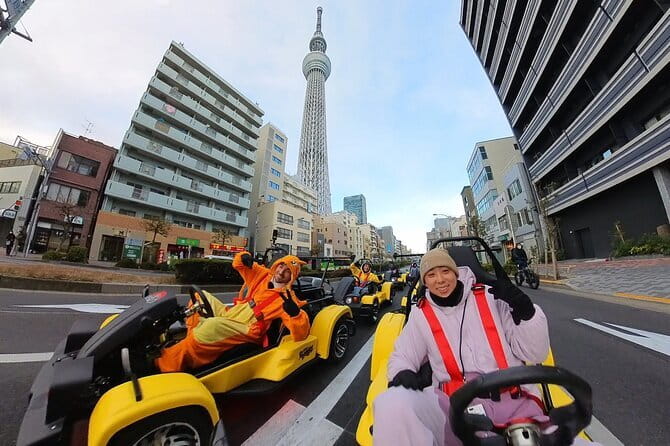
Tokyo Skytree is one of the route’s biggest visual landmarks. It is the world’s tallest broadcasting and communication tower and one of the tallest structures on earth. From street level, its height gives you an obvious reference point as you move through the Sumida area.
You are not buying admission to the observation decks here. The value is the view from the road and the chance to frame the tower in the included photos and video.
This part of the route also gives the tour a useful sense of scale. Tokyo can feel like a collection of separate cities, and Skytree helps you understand where you are in relation to the eastern side of the center.
Ryogoku, sumo, and Tokyo’s older character
Ryogoku is associated with sumo, and the tour places the Sumo Stadium area at center stage. This is a good change of mood after the modern height of Skytree.
The attraction here is not only the stadium. Ryogoku points to an older side of Tokyo, where national sport, neighborhood identity, and tradition remain visible. Your guide may provide context as you pass through, but the itinerary does not promise a stadium entry or a sumo match.
That distinction is important. If you want a full sumo experience, you will need to arrange a separate visit. On this ride, Ryogoku is a passing view within a larger circuit.
The route also mentions the Tokyo Sword Museum. Japanese swords are treated in Japan as more than weapons, with links to authority, art, and worship. Again, expect an exterior or nearby route reference rather than time inside the museum.
Asakusa and Ueno Park
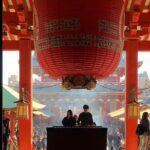
Asakusa is one of the strongest stops for a quick introduction to old Tokyo. Its origins reach back roughly 1,400 years, and the district is known for its low-city character, temples, traditional streets, and long connection with local urban life.
From a kart, you get a street-level look at the district rather than a quiet temple visit. Traffic, pedestrians, and the need to stay with the group limit how long you can pause. Still, the contrast with modern Tokyo is clear, and this is one of the places where the route feels tied to the city’s past.
Ueno Park adds another cultural layer. It grew after the Tokugawa Shogunate began in Edo in 1603, first as an area linked with Buddhist temples and local residents. By the Meiji period, it had developed into a major center for Japanese art and culture.
The tour does not charge an admission fee for Ueno Park, and no separate attraction ticket is listed. You will pass through or near the park rather than receive a full park visit. If Ueno is high on your personal list, make time to return on foot for its museums and grounds.

Akihabara’s electronics and pop culture
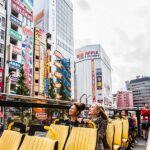
Akihabara gives you one of Tokyo’s most recognizable modern scenes. The district is known for electronics, anime, and Japanese pop culture, and it is often called the Otaku capital of the world.
The kart makes it possible to pass through the district without committing several hours to its shops. That is useful if you want a quick look at the signs and street atmosphere before choosing what to explore later.
There is a practical limit here. Akihabara is best enjoyed slowly if you want to browse stores, compare products, or visit themed venues. This tour gives you an energetic first impression, not shopping time.
I would treat this stop as a preview. Note the streets and return by train or on foot if the district interests you. The tour’s value is that it connects Akihabara with several other major areas in one continuous outing.
Tokyo Station and Marunouchi
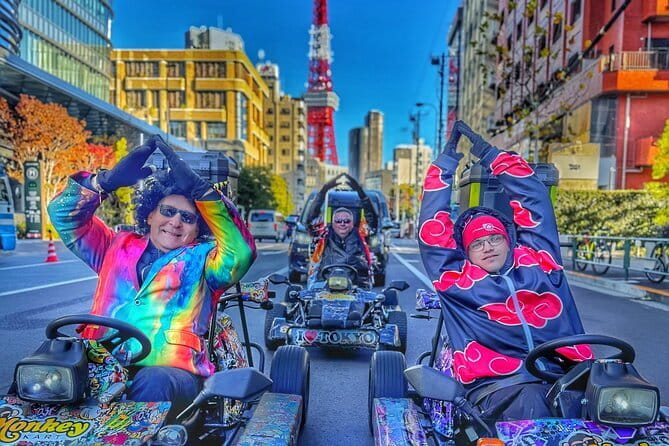
Tokyo Station and the Marunouchi district bring a formal architectural change. Tokyo Station dates to the early 20th century and is presented as one of the city’s important examples of architecture.
From the road, the station’s exterior is the main attraction. Marunouchi’s broad streets and office buildings create a different view of Tokyo from Asakusa’s older lanes or Akihabara’s signs.
The route information lists Tokyo Station twice, so the promised nine destinations may include a repeat of the Marunouchi section or two separate passes through the area. I would not book this expecting nine completely different, long-form sightseeing stops. The tour is better understood as a broad circuit with several headline districts.
This part of the ride can be especially useful early in a Tokyo visit. You get a quick sense of the central business area, then can decide which places deserve a longer return visit.
The Imperial Palace area
The Imperial Palace is tied to the history of Edo Castle and the present residence of the Japanese Emperor and Empress. The original castle grounds date to 1457, when Ōta Dōkan constructed the first fortification in the area.
The route lets you see the palace district from the streets. It does not include palace admission, and the supplied information does not promise access to the inner grounds. That is normal for a moving city tour, but it means you should plan a separate visit if you want gardens, bridges, or formal palace grounds.
What you gain is context. After seeing Tokyo’s temples, sumo district, pop-culture center, and station architecture, the palace area helps connect the modern capital to its former Edo role.
Toyosu Fish Market and the Tokyo Bay side
Toyosu Fish Market is included among the route’s city sights. Its presence gives the ride a more contemporary Tokyo Bay flavor and extends the tour beyond the historic center.
The market is best known as a major food and commercial area, but this activity does not include food, tastings, or market admission. You are seeing the district as part of the driving route.
That can be a plus for a first orientation. Tokyo Bay areas often feel more open and modern than the compact older neighborhoods. The downside is that a quick pass cannot explain the market’s daily operations in detail, so plan a separate visit if food culture is a main reason for your trip.
What the guide adds
A guide is included, and this is more important than it might first appear. Driving an unfamiliar kart through Tokyo requires you to follow the route, keep track of the group, and handle city traffic. A guide gives the outing structure and provides local comments as you go.
Travis is specifically praised for making riders feel safe and for explaining interesting points along the way. The experience is not presented as a private tour, so you may not have Travis on your departure, but his role shows what good guide support should add: clear road leadership, calm instruction, and useful context rather than a silent escort.
The guide also gives you recommendations during the route. Since the tour covers many districts quickly, write down any places you want to revisit while the details are fresh.
Cost, inclusions, and real value
At $117.27 per person, this is not a cheap way to move around Tokyo. A normal train-and-walking day costs much less, and a standard city sightseeing bus may cover several central sights for a lower price.
The comparison changes when you count what is included. The cost covers:
- Go-kart rental
- Fuel
- Insurance
- Guide service
- Novelty costume
- Photos and video
The media package adds value if you want a record of the ride without asking a companion to take pictures. A data card for the camera is not included and can be purchased separately, so check how the files are supplied and budget for that extra if needed.
I see the price as reasonable for a special-occasion activity, especially for a small group that wants movement, costumes, and a city circuit. It is less convincing if your main goal is detailed history, museum time, or quiet photography.
Costumes, photos, and the feel of the ride
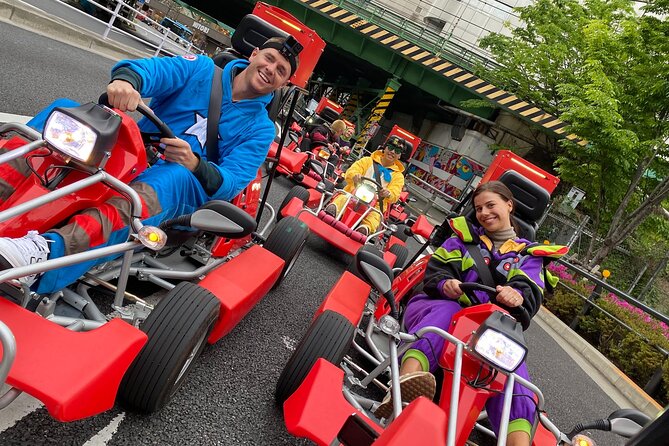
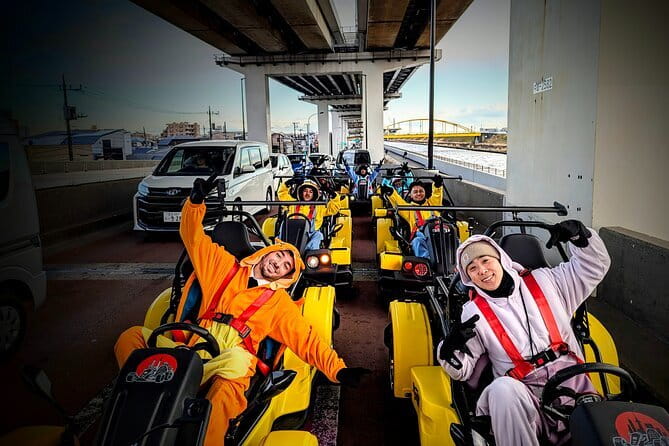
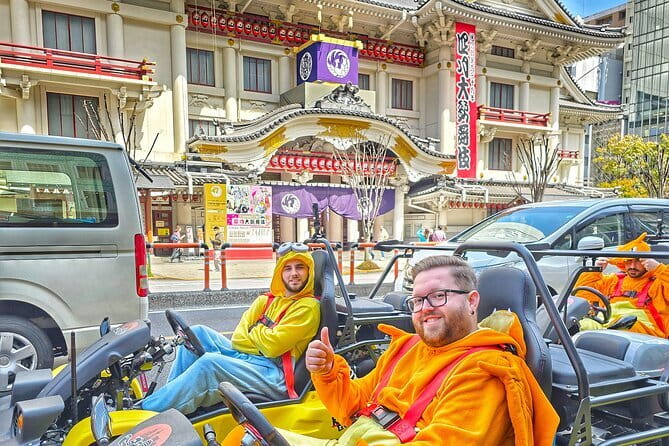
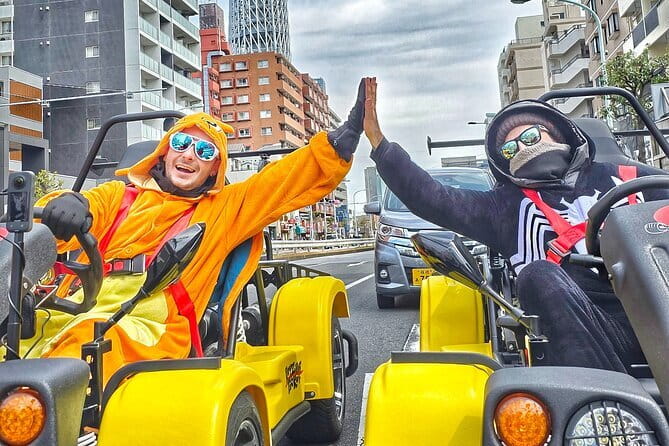
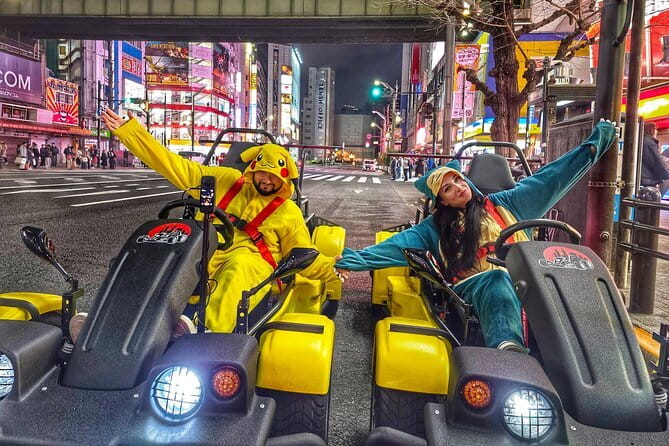
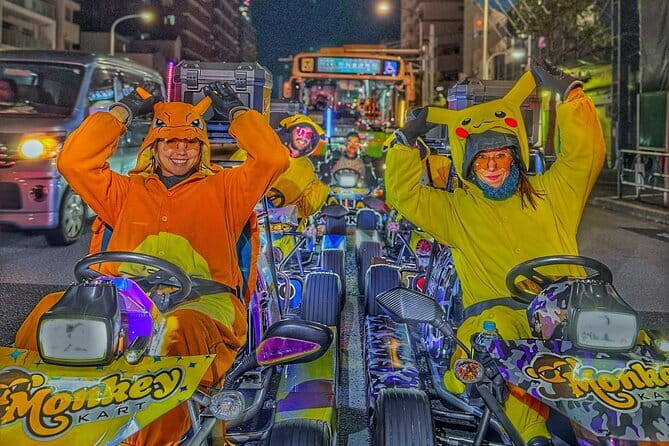
A novelty costume is provided for your use. That makes the outing playful and helps distinguish it from ordinary sightseeing, though it may not suit everyone. You can decide how much of that theatrical side fits your travel style.
Photos and video are included, including 360-degree coverage. These are useful because you cannot safely take your own pictures while driving. The separate data card charge is the only listed camera-related extra.
I would still keep your phone stored securely unless the guide gives clear instructions. Your focus should be on the road, signs, traffic, and the group. The best souvenir from this type of activity is a good balance of pictures and safe driving.
Documents, weather, and cancellation rules
The driving requirements deserve careful attention. You need your passport, original local driving license, and an International Driving Permit issued under the 1949 Geneva Convention. For US Forces in Japan, a SOFA Driving License is required.
Citizens of Switzerland, Germany, France, Belgium, Monaco, and Taiwan may drive with a Japanese translation of their license. Assistance with that translation should be requested a month in advance.
Do not rely on a photocopy or a digital image. The stated rule is that failure to provide the original local license and the required permit can result in cancellation with no refund.
The tour needs good weather. If poor weather forces cancellation, you receive the choice of another date or a full refund. You can cancel for a full refund up to 24 hours before the start time. Changes or cancellations inside that window are not accepted for a refund.
Who will enjoy this most
I would recommend this to adults and older children who want an active view of Tokyo and already meet the driving requirements. It is also a strong choice for an 18-year-old or young adult who might prefer a hands-on activity to a standard walking tour.
The tour works well for a short Tokyo stay because it links far-flung districts in one outing. It can also be a fun change of pace during a longer Japan trip.
I would think twice if you dislike road traffic, costumes, or tightly timed group activities. The route is broad rather than deep, and the experience depends on weather and your comfort driving in a major city.
Should you book the Tokyo Bay go-kart tour?
Book it if you want an unusual, photo-friendly way to see many parts of Tokyo in one circuit. The strongest reasons are the small group, guide support, included fuel and insurance, and the chance to pass Skytree, Asakusa, Akihabara, Tokyo Station, the Imperial Palace, and Toyosu in one ride.
Skip it if you want long visits inside museums, markets, temples, or palace grounds. Before paying, confirm that your driving documents meet the exact Japanese rules and that you can reach the Higashiyotsugi meeting point on time.
For the right person, this is less a conventional sightseeing tour than a lively city ride with history and architecture along the way. At 92 percent recommended and a 4.7 rating from 12 reviews, it has a strong record, with safety and guide quality receiving particular praise. Just make sure the paperwork is as ready as your sense of adventure.
FAQ
How long does the go-kart tour last?
The activity lasts approximately 1 hour and 40 minutes. It is also described as a two-hour experience, so allow some extra time around the stated ride duration.
Where does the tour start?
The meeting point is in Katsushika City at Japan, 124-0014 Tokyo, Katsushika City, Higashiyotsugi, 1-chōme20-2, 小島貸事務所.
Where does the tour finish?
The activity ends back at the same meeting point.
Is hotel pickup included?
No. Pickup and drop-off are not included, so you must arrange transportation to and from the meeting point.
What sights does the route include?
The route includes Tokyo Skytree, Ryogoku and the Sumo Stadium area, the Tokyo Sword Museum area, Tokyo Station and Marunouchi, Akihabara, Ueno Park, Asakusa, the Imperial Palace area, and Toyosu Fish Market.
What driving documents are required?
You need your original local driving license, an International Driving Permit issued under the 1949 Geneva Convention, and your passport. US Forces in Japan require a SOFA Driving License.
Can some nationalities drive with a Japanese license translation?
Nationals of Switzerland, Germany, France, Belgium, Monaco, and Taiwan can drive if they have a Japanese translation of their driving license. Contact the operator a month ahead if you need assistance.
Are photos and video included?
Yes. Photo and video coverage, including 360-degree photos and videos, is included. A data card for the camera is available for purchase but is not included.
What happens if the weather is poor?
The activity requires good weather. If it is canceled because of poor weather, you will be offered another date or a full refund.
More tours in Tokyo we've reviewed



Go-Karts, compared.
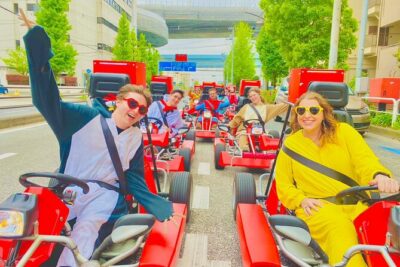 ★ 5.0Flagship 2-Hours Official Street Go-Kart Tour – Tokyo Bay ShopFrom $642 hours to 2 hours 30 minutes (approx.)
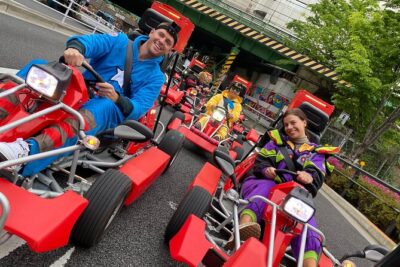 ★ 5.0Official Street Go-Kart in ShibuyaFrom $76
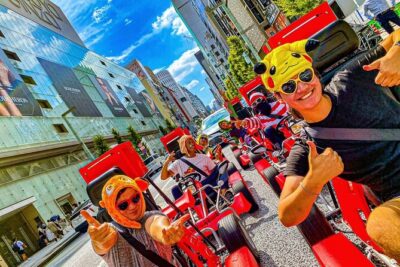 ★ 5.0Official Street Go-Kart Tour – AkihabaraFrom $61
 ★ 5.0Tokyo Go Kart: Asakusa, Skytree, and Akihabara **IDP MUST**From $99
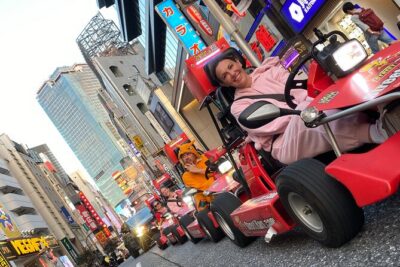 ★ 5.0Shibuya Official Street Go-Kart in Shibuya AnnexFrom $69
 ★ 4.6Tokyo: Asakusa and Skytree Go-Kart Tour and Photo ShootFrom $67