Reviewed · AKIHABARA & ANIME TOURS
Ramen Making from Scratch +Akihabara Tour –Tokyo Cooking Class
Tokyo’s ramen culture makes more sense once you have kneaded the noodles, prepared the broth, and built the bowl yourself. This 3.5-hour experience combines an Akihabara walking tour with a hands-on cooking class, so you get pop culture, grocery shopping, and lunch in one outing. I like the supermarket stop, where you learn what Japanese ingredients look like before cooking, and the small maximum of 12 people, which gives the instructor room to help. The main drawback is that vegetarian and vegan options are not available, so this is best for people happy to cook and eat pork-based ramen.
In This Article
- Key points before you book
- Why this Tokyo ramen class works so well
- Meeting your guide in Akihabara
- The 20-minute supermarket lesson
- Taking the train to the kitchen studio
- Making ramen from fresh noodles to finished bowl
- Eating your Jiro-style ramen for lunch
- Photos and the small-group atmosphere
- What the $123.55 price covers
- Who should book this experience
- Timing, cancellation, and practical planning
- Should you book this ramen class?
- FAQ
- Where does the experience begin?
- What time does the tour start?
- How long does the experience last?
- Does the activity include a cooking class?
- Is lunch included?
- Is the supermarket visit included?
- Is transportation included?
- Where does the experience end?
- Are vegan or vegetarian options available?
- What is the cancellation policy?
I also like that the class includes downloadable photos, a useful souvenir when your hands are busy making noodles. Guides including Saori, Bunga, Kyoko, and Hioroko have been praised for friendly English instruction and personal attention. Allow extra energy for the train transfer and note that you finish somewhere different from where you start.
Key points before you book
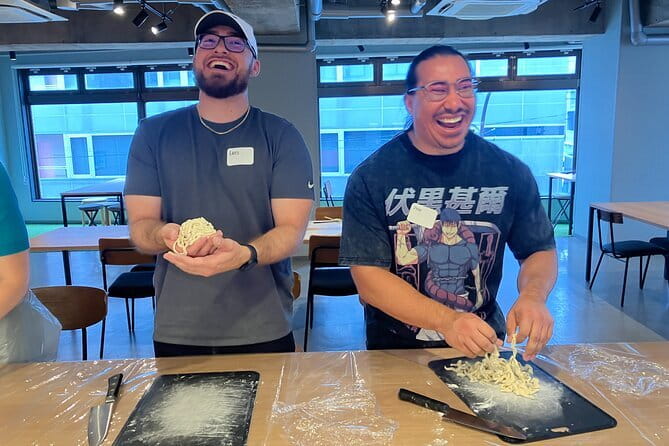
- Make the noodles yourself: Prepare fresh ramen noodles, broth, toppings, and chashu pork rather than simply watching a demonstration.
- Start in Akihabara: Spend about 20 minutes seeing the area’s gadgets, anime, and pop culture before shopping for ingredients.
- Shop like a local cook: The 20-minute supermarket visit explains Japanese seasonings and foods in a practical setting.
- Expect a small class: The maximum group size is 12 people, with English-speaking instruction at the kitchen studio.
- Lunch is included: Your finished Jiro-style ramen becomes the main meal of the experience.
- Plan for a one-way outing: You meet at Akihabara Station at 11:00 am, then travel to the cooking studio and finish at another location.
Why this Tokyo ramen class works so well
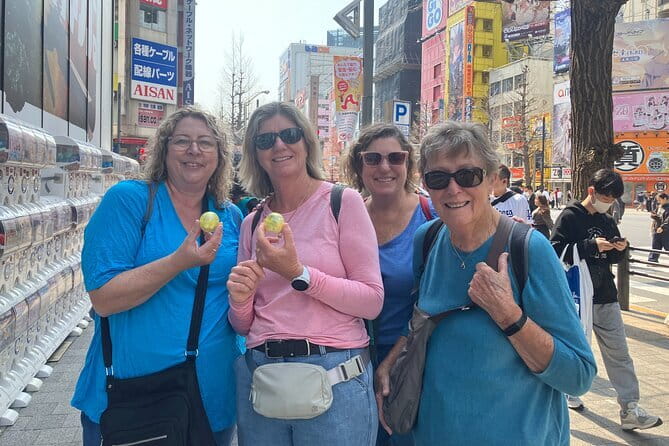
Most visitors eat ramen several times in Tokyo but never see how the bowl comes together. This experience fixes that gap in a useful way. You learn the basic parts of ramen in the right order, then sit down to eat something you helped make.
The class is not only about food. It begins in Akihabara, one of Tokyo’s best-known districts for electronics, anime, manga, and Japanese pop culture. That makes the first part a good fit if you want to pair a cooking lesson with a short introduction to one of the city’s most distinctive neighborhoods.
I especially like the way the experience links the street and the kitchen. The supermarket stop gives meaning to the cooking session. Instead of hearing about Japanese seasonings in the abstract, you see the packages, ingredients, and food aisles where local cooks find them.
The whole outing lasts about three hours and 30 minutes. That is long enough for a real lesson and meal, but short enough to fit into a busy Tokyo day. It begins at 11:00 am, making lunch the natural finish.
A few more Tokyo tours and experiences worth a look



Meeting your guide in Akihabara
You begin at Akihabara Station, at 1 Chome Sotokanda, Chiyoda City. The exact meeting point matters in Tokyo, where large stations have many exits and surrounding streets can change character quickly. Give yourself time to reach the station area before the 11:00 am start.
The Akihabara walk lasts about 20 minutes. You see some of the famous sights along the way to the supermarket, including the district’s electronics and pop culture atmosphere. This is not a full neighborhood tour, so keep your expectations in check. It is a short orientation that leads into the food portion of the day.
That short length can be a benefit. Akihabara is easy to find overwhelming, especially on a first visit. A guide such as Saori can help you get your bearings and point out places of interest without turning the morning into a long walking tour.
The walk also gives you time to explain what you want from the day. One family described the guides as helpful with different interests, and that personal approach can matter when you are traveling with children or a mixed-age group.
The 20-minute supermarket lesson
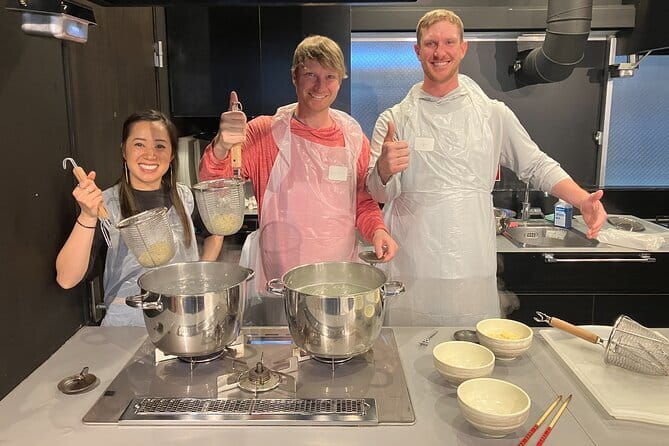
The supermarket stop is one of the most useful parts of the experience. You spend about 20 minutes choosing ingredients for the ramen and learning how Japanese foods and seasonings are used.
A Japanese supermarket can feel confusing at first. Packaging may be unfamiliar, labels may be difficult to read, and the selection of sauces, noodles, stocks, and toppings can be much wider than you expect. A guide helps turn that confusion into a short practical lesson.
You are not simply buying supplies. You are learning how the ingredients fit into Japanese cooking. That makes this stop valuable for anyone who wants to recreate the meal at home, even if you never manage to produce exactly the same bowl.
The supermarket also gives the day a more local feel. You are seeing ordinary food shopping rather than only visiting restaurants designed for sightseeing. It is a small part of the tour, but it connects the recipe with daily life in Tokyo.
The time is limited, so do not expect a long food market visit or a full explanation of every shelf. The purpose is focused: gather what you need and understand the main ingredients before heading to the studio.
Taking the train to the kitchen studio
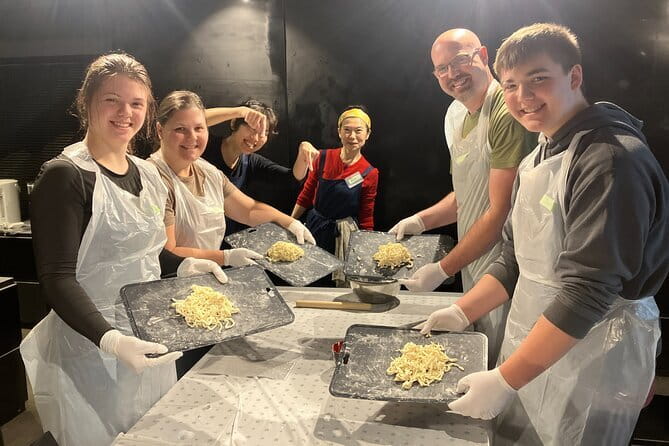
After shopping, you take a train to the modern kitchen studio. The ride takes about 15 to 30 minutes, depending on the route and conditions. Since the cooking studio is not at the starting point, this is a true moving tour rather than a class in one fixed location.
That transfer is worth noting when planning your day. You should be comfortable moving through Tokyo by train and carrying on with a group schedule. Hotel pickup and drop-off are not included, so you make your own way to Akihabara and arrange your onward travel after the class.
The train ride also creates a clear break between the sightseeing portion and the cooking lesson. You leave the colorful streets of Akihabara and arrive ready to work in the kitchen.
Making ramen from fresh noodles to finished bowl
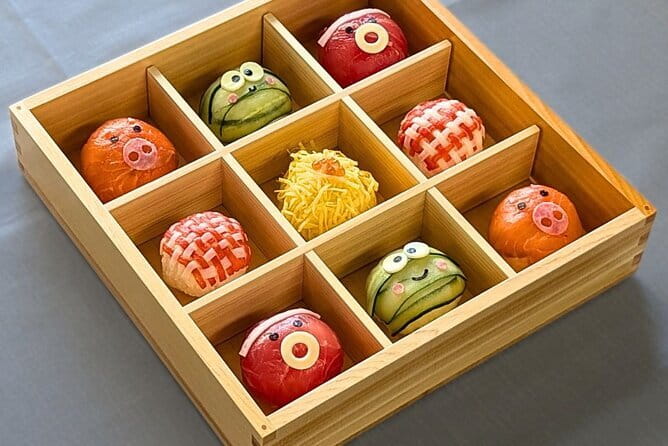
The cooking class lasts about 90 minutes. With an English-speaking instructor guiding the process, you prepare the main parts of the meal from scratch.
You learn to make fresh ramen noodles, prepare the broth, and cook the toppings. The class specifically focuses on Jiro-style ramen, a hearty style known for a substantial bowl and generous toppings. You also learn how to prepare chashu pork, an important part of the finished dish.
The hands-on format is the key point. You are not sitting at a counter while someone else cooks. You take part in the preparation, which gives you a better sense of the time, effort, and technique behind a bowl of ramen.
A 90-minute class moves at a useful pace. You have enough time to work through the recipe, but not so much that the process becomes a full-day culinary course. The small group limit of 12 should help the instructor keep an eye on each station and answer questions.
The English instruction is another practical plus. Several highly positive accounts specifically praise the staff’s English and the amount of interaction during the class. Kyoko and Hioroko were singled out for making the cooking fun for children, while another account praised the kitchen staff and the guide’s clear explanations.
That makes this a strong choice for families. Children can take part in measuring, preparing, and assembling the ramen, rather than being expected to sit quietly through a long food lecture. Still, remember that this is a cooking activity involving ingredients and kitchen work, so parents should judge what suits their own children.
Other cooking classes in Tokyo

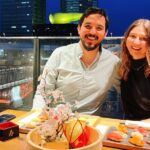

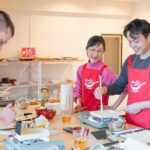
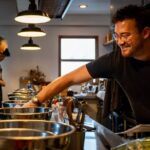
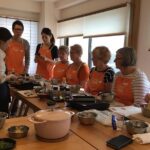
Eating your Jiro-style ramen for lunch

At the end, you eat the bowl you made. Lunch is included, and the meal gives the class a satisfying purpose. You can taste how the noodles, broth, pork, and toppings work together after handling each part separately.
This is also where the experience differs from a standard ramen tasting. At a shop, you focus on the finished bowl. Here, you understand the preparation behind it. That does not guarantee you will become an expert ramen cook after one lesson, but it gives you a practical starting point.
The Jiro-style focus may appeal to you if you prefer a filling, substantial bowl. It may be less suitable if you are seeking a light vegetarian ramen or a broad survey of several regional ramen styles. The class teaches one specific style rather than presenting a full guide to Japanese noodle culture.
The meal is also a natural time to compare results with the rest of the group. The class accounts describe many interactions during the cooking, so the social side is part of the appeal. You are learning, working, and eating together rather than moving through a quiet demonstration.
Photos and the small-group atmosphere
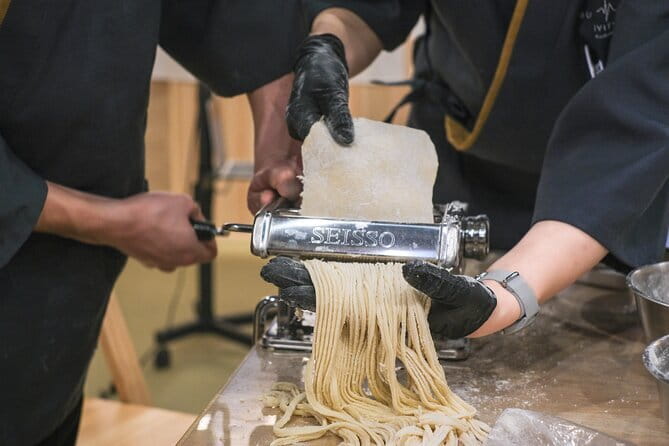
Digital photos from the experience are available to download afterward. That is a thoughtful extra because cooking leaves your hands occupied, and it can be difficult to take good pictures while preparing noodles or broth.
The photos also record more than the final meal. They can capture the Akihabara walk, the supermarket visit, and the cooking process. The information does not specify how many photos you receive or when they arrive, so treat this as a pleasant included souvenir rather than the main reason to book.
The maximum group size is 12. That is not a private lesson, but it is small enough to feel more personal than a large demonstration. The strongest praise focuses on the interaction, the friendly staff, and the freedom to take part rather than simply follow along.
Guide names connected with the experience include Saori and Bunga for the Akihabara portion, and Kyoko and Hioroko for the cooking class. Assignments may vary, but knowing these names helps explain the kind of team involved: one part local guide, one part cooking instructor, with English support throughout.
What the $123.55 price covers
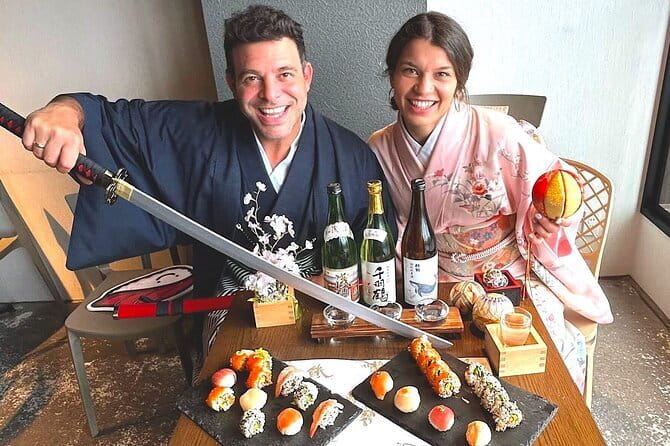
At $123.55 per person, this is not the cheapest way to eat ramen in Tokyo. A bowl at a neighborhood shop will cost far less. The value comes from combining several services in one half-day outing.
Your price includes the Akihabara walk, the supermarket tour, the train transfer to the studio as part of the scheduled experience, the cooking class, lunch, and downloadable photos. You are paying for instruction and access to a kitchen, not just for food.
I think the price makes the most sense if you would otherwise pay for a cooking class and a guided neighborhood introduction separately. It is also easier to justify for families, couples, or friends who want a shared activity rather than another restaurant meal.
The value is weaker if your main goal is simply to eat ramen, if you dislike group activities, or if you already know how to make fresh noodles and broth. The class is designed for participation and learning, not for a quick lunch.
This experience is booked an average of 52 days in advance, so you should not leave it until the last minute if it is important to your plans. That advance booking pattern also suggests that popular dates can fill early, particularly during busy Tokyo travel periods.
Who should book this experience
I would choose this for first-time Tokyo visitors who want a gentle introduction to Akihabara and Japanese cooking in the same morning. It works especially well for people who like to understand what they are eating instead of simply photographing it.
Families are a good match, based on the positive response to the hands-on work from children. Couples and friends should also enjoy the shared task, especially if one person likes food and the other wants to see Akihabara.
You should think twice if you need vegan or vegetarian food. Those options are not available. The same applies if you have strict dietary requirements that are not covered in the information provided.
The tour requires at least two people per booking, so it is not designed for a lone participant booking independently. Groups can be as large as 12, giving you a small class setting without the cost of a private experience.
You also need to be comfortable with public transportation. The experience begins near a station, includes a train ride, and ends in a different location from the meeting point.
Timing, cancellation, and practical planning
The start time is 11:00 am, and the total duration is approximately three hours and 30 minutes. Plan your morning around arriving at Akihabara before the meeting time, and avoid scheduling a tight appointment immediately after the class because the ending location is different.
The experience is offered with a mobile ticket. Confirmation is provided at booking, and the meeting area is near public transportation.
You can cancel for a full refund if you do so at least 24 hours before the local start time. Changes made inside that 24-hour window are not accepted, and late cancellations are not refunded.
The activity requires good weather. If poor weather forces cancellation, you are offered another date or a full refund. The same applies if the minimum number of participants is not reached and the operator cancels the experience.
Should you book this ramen class?
Book it if you want more than a bowl of noodles. The mix of Akihabara, supermarket shopping, fresh noodle making, chashu pork, and a shared lunch gives you a fuller picture of ramen than a restaurant visit can provide.
I would give it a pass if you need plant-based food, want a private class, or have only a short window in Tokyo and cannot handle the train transfer and different finishing point. For everyone else, the $123.55 price is reasonable for a small-group, half-day activity that combines instruction, food, local shopping, and photos.
FAQ
Where does the experience begin?
It begins at Akihabara Station, at 1 Chome Sotokanda, Chiyoda City, Tokyo 101-0028, Japan.
What time does the tour start?
The scheduled start time is 11:00 am.
How long does the experience last?
The experience lasts approximately three hours and 30 minutes.
Does the activity include a cooking class?
Yes. The cooking portion takes about 90 minutes and covers fresh noodles, broth, toppings, and chashu pork for Jiro-style ramen.
Is lunch included?
Yes. You eat the ramen you prepare, and lunch is included in the experience.
Is the supermarket visit included?
Yes. The experience includes a grocery store tour in Akihabara lasting about 20 minutes.
Is transportation included?
The schedule includes a train ride to the kitchen studio that takes about 15 to 30 minutes. Hotel pickup and drop-off are not included.
Where does the experience end?
It ends at a different location from the Akihabara meeting point. The provided details do not specify the exact ending address.
Are vegan or vegetarian options available?
No. Vegan and vegetarian options are not available.
What is the cancellation policy?
You can cancel at least 24 hours before the local start time for a full refund. Cancellations or changes made less than 24 hours before the start are not accepted for a refund. If bad weather or insufficient bookings cancel the activity, you are offered another date or a full refund.
More Cooking Classes in Tokyo
More Cooking Classes in Tokyo
More Akihabara & Anime Tours in Tokyo



More tours in Tokyo we've reviewed












Akihabara & Anime Tours, compared.
 ★ 5.0Official Street Go-Kart Tour – AkihabaraFrom $61
 ★ 5.0Tokyo Go Kart: Asakusa, Skytree, and Akihabara **IDP MUST**From $99
 ★ 4.5Tokyo Studio Ghibli Museum and Ghibli Film Appreciation TourFrom $193
 ★ 5.0Akihabara Anime & Game Adventure Walking Tour (Group or Private)From $90
 ★ 4.6Asakusa/Tokyo Bay & Akihabara Go Karting ToursFrom $70
 ★ 4.8Akihabara: Private Anime and Pop Culture TourFrom $953 hours