Reviewed · MT FUJI DAY TRIPS
One day mountain Fuji & Hakone tour with English hindi bilingual
The best thing about this private Fuji and Hakone tour is its range. In one long day from Tokyo, you can see a thatched-roof village, a Shinto shrine, spring ponds, Fuji views, a volcanic valley, and Lake Ashi. You do not need to piece together several train and bus routes.
In This Article
- Key points to know
- One long day from Tokyo to Fuji and Hakone
- Saiko Iyashi no Sato Nemba and its thatched roofs
- Arakurayama Sengen Park and 398 steps
- Kitaguchi Hongu Fuji Sengen Jinja in the cedar forest
- Oshino Hakkai’s eight spring ponds
- Lake Kawaguchiko, boat rides, and the Kachi Kachi ropeway
- Mt. Fuji’s 5th Station at 2,300 meters
- Lake Ashi and the famous pirate cruise
- Owakudani Valley and Hakone’s black eggs
- What the private format is worth at $465
- The guide and the pace of the day
- Who should book this Fuji and Hakone outing
- My booking advice
- FAQ
- Where does the tour start?
- How long does the experience last?
- Is the tour private?
- Is transportation included?
- Is lunch included?
- Are the boat and cable-car tickets included?
- Is the Mt. Fuji 5th Station entrance fee included?
- Is admission to Saiko Iyashi no Sato Nemba included?
- Can the itinerary be changed?
I like the flexible itinerary, which lets your group shape the day, and I like the air-conditioned vehicle reserved for up to six people. Guide Busal has also been praised for helping with photos and suggesting a good lunch stop. The main concern is time: eight stops in about 10 hours can make the day feel rushed, especially if traffic or mountain weather gets in the way.
Key points to know
- Arakurayama Sengen Park gives you the famous red pagoda and Mount Fuji view, but you must climb 398 steps.
- Lake Ashi and Owakudani Valley add Hakone’s boat and volcanic sights to the Fuji portion of the day.
- A private vehicle for up to six makes the $465 group price more attractive when shared among several people.
- English-Hindi bilingual guiding is useful for families or groups who prefer either language.
- Extra costs matter: lunch, Fuji’s ¥2,100 entrance fee, the thatched-village entry, and boat or cable-car tickets are not included.
- Clouds can change the day: Fuji views and the Hakone ropeway may be limited by fog or poor weather.
One long day from Tokyo to Fuji and Hakone
Mount Fuji and Hakone are close enough to visit from Tokyo, but not always easy to combine on your own. The roads can be crowded, the sights are spread out, and the best order depends on weather, opening conditions, and your group’s interests.
This tour begins at 8:30 am and lasts about 10 hours. You travel in a private, air-conditioned vehicle, with only your own group taking part. Pickup is offered, and the activity is also near public transportation, but you should confirm the exact pickup details before booking.
The tour is designed for up to six people. At $465 per group, the cost works out to $77.50 per person if six people join, before food and optional tickets. For two people, the same vehicle costs $232.50 each, so the value depends heavily on group size.
I would choose this format if you want door-to-door convenience and several sights in one day. I would not choose it if your main goal is a slow, photo-focused visit to only one part of the region.
A few more Tokyo tours and experiences worth a look
Saiko Iyashi no Sato Nemba and its thatched roofs
The first stop is Saiko Iyashi no Sato Nemba, an old-style village with more than 20 traditional thatched-roof houses. Some houses hold exhibitions and museum displays, giving the stop more substance than a quick photo break.
You have about an hour here. Admission is not included, so set aside extra money if you want to enter. The village gives you a different view of the Fuji area, one based on old homes and rural life rather than only mountain scenery.
I like this stop because it adds texture to the day. If you only visit lakes and viewpoints, the outing can feel like a series of scenic stops. Here, you get a more grounded look at traditional buildings.
The tradeoff is time. If your group prefers Fuji photographs, you may want to ask the guide how much time to keep here. The itinerary can be tailored, and that flexibility is especially useful when eight major stops compete for one day.
Arakurayama Sengen Park and 398 steps
Arakurayama Sengen Park is the classic Fuji photograph: a five-story red pagoda with Mount Fuji behind it. The pagoda was built in 1963, and the view has become one of the most recognizable images associated with Japan.
The park is free, but the famous viewpoint requires a climb of 398 steps. You should treat this as a real part of the visit, not a small walk from the vehicle. Comfortable shoes will help, and anyone with limited mobility should discuss the stop before booking.
You get about an hour here. That allows time for the climb, photographs, and a short rest, but the exact experience depends on crowds and visibility. Fuji may be hidden by cloud even when the pagoda is perfectly clear.
This is one of the tour’s strongest photo stops. It is also one of the clearest examples of why weather matters. A private guide can help adjust the order of the day, but no guide can guarantee that Mount Fuji will appear.
Kitaguchi Hongu Fuji Sengen Jinja in the cedar forest
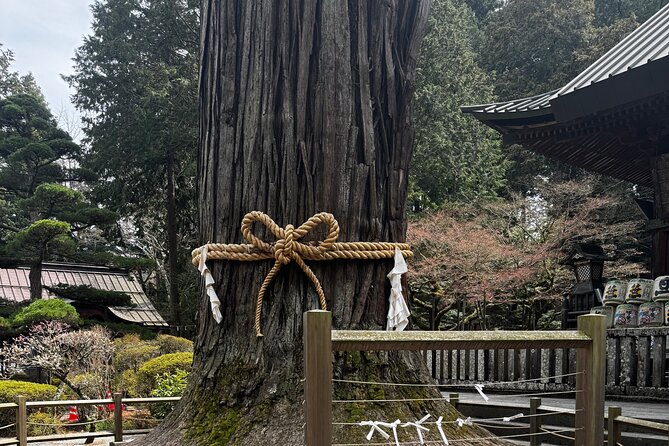
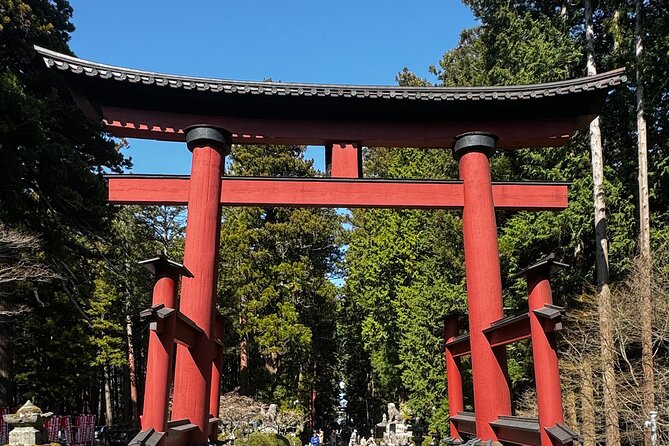
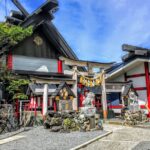
Kitaguchi Hongu Fuji Sengen Jinja is described as one of the oldest Shinto shrines in the Fuji area, with a date of 100 AD. It sits among dense cedar and pine trees, offering a quieter change from the open lake and city views.
You have about an hour to see the shrine. Admission is free. The setting is important: this is not simply another place to photograph Fuji, but a religious site connected to the mountain.
I like the contrast here. Arakurayama gives you the postcard view, while the shrine gives you a more reflective stop beneath tall trees. You can slow down for a short period, though the packed schedule means this will not be a long temple visit.
Remember that this is a Shinto shrine, so respectful behavior matters. The tour information does not specify a formal dress code or guided ceremony, so you should expect a sightseeing visit rather than a scheduled ritual experience.
Oshino Hakkai’s eight spring ponds
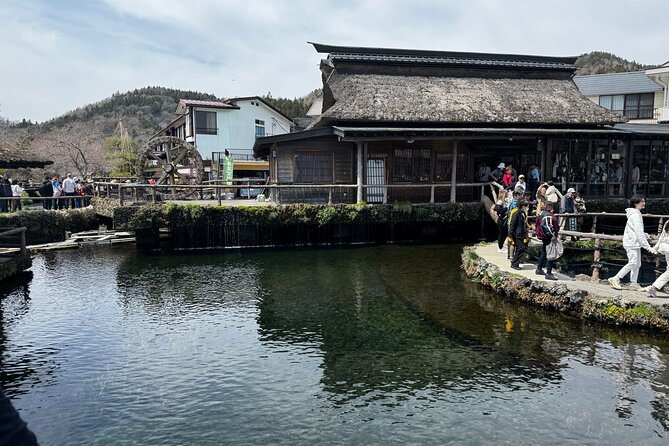
Oshino Hakkai is a traditional village with eight spring-water ponds, koi fish, souvenir shops, and local food stalls. The village is said to be about 300 years old, and its compact layout makes it an easy place to walk around during the one-hour stop.
This is a useful lunch area because local food stalls are available, although lunch itself is not included. You can ask your guide for a recommendation. Busal, one of the guides associated with this experience, has been praised for suggesting a good restaurant and helping with photographs.
The ponds and koi offer simple, attractive subjects for photos. The shops also give you a chance to browse local goods without adding another major detour.
The drawback is that Oshino Hakkai can feel more commercial than the shrine or village. That is not a reason to skip it, but you should know what kind of stop it is: part historic village, part food and souvenir area, and part scenic water visit.
A few more Tokyo tours and experiences worth a look
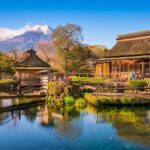
Lake Kawaguchiko, boat rides, and the Kachi Kachi ropeway
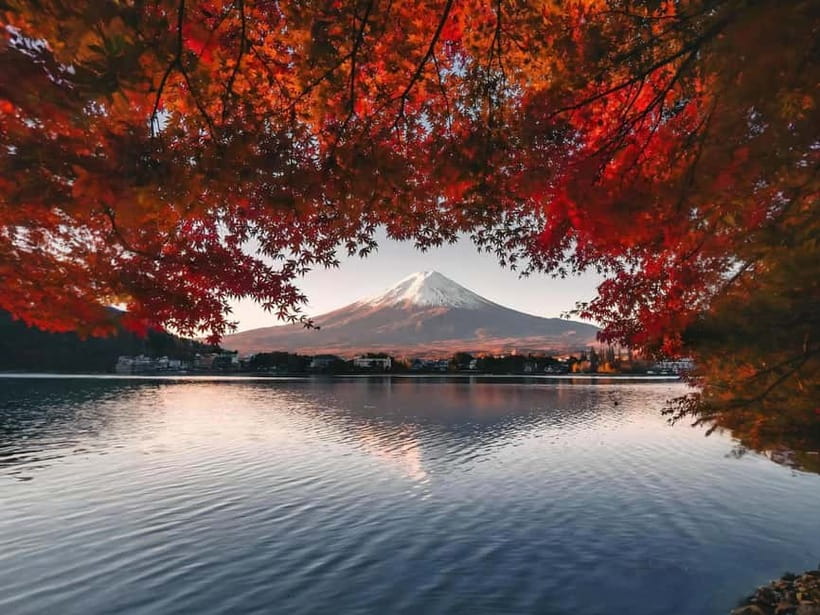
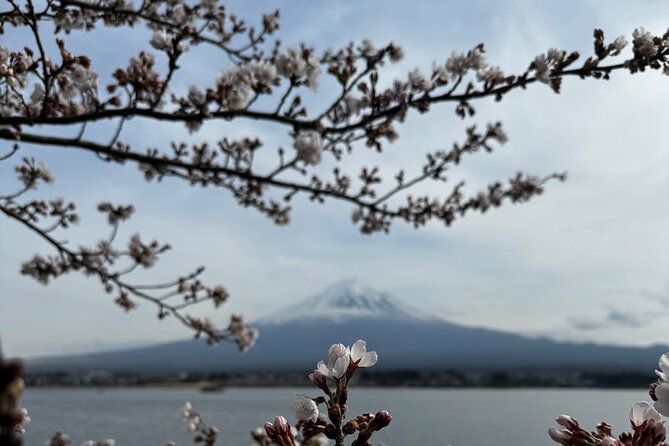
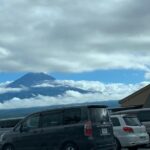
Lake Kawaguchiko is presented as the largest and most beautiful of the five Fuji lakes. The stop lasts about an hour, which is enough to see the lake, but not enough for every optional activity listed.
A scenic boat ride takes about 30 minutes. The Kachi Kachi ropeway offers another way to view Mount Fuji and the nearby city. Boat and cable-car tickets are not included, so ask your guide how much time remains before buying either one.
This is an important practical point. You probably cannot fit a full boat ride, the ropeway, extended lakeside time, and all the other stops without moving quickly. If your group has one favorite activity, tell the guide early and make that the priority.
I would choose the boat if you want a calm view from the water. I would choose the ropeway if your priority is height and a wider view. If Fuji is covered by clouds, the experience may still be pleasant, but the main mountain view could be limited.
Mt. Fuji’s 5th Station at 2,300 meters
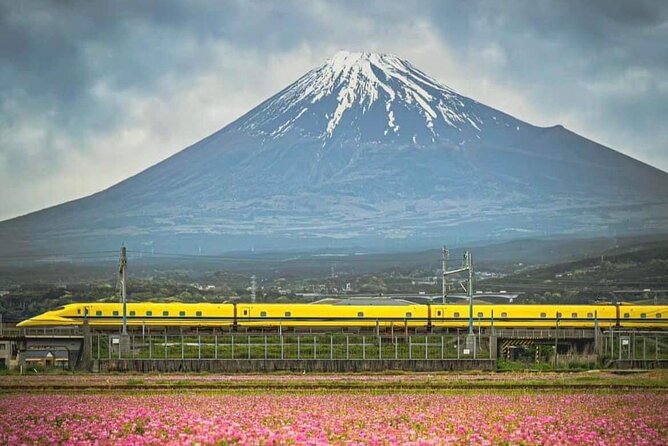
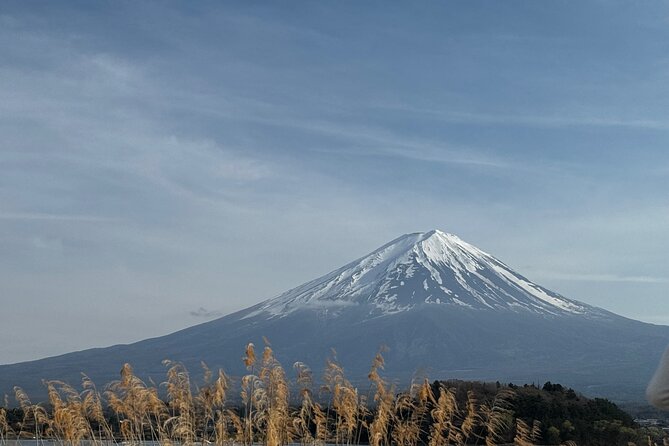
Mt. Fuji’s 5th Station sits at about 2,300 meters. From here, you may see the upper slopes of the mountain and views toward Fujiyoshida city.
You have about an hour at the station. A ¥2,100 entrance fee is not included, and the information also lists entry to Mt. Fuji 5th Station as an extra cost. Confirm the exact payment details before the day begins so you are not surprised.
The 5th Station is a strong choice for visitors who want to reach a high point on Fuji without climbing the mountain. It is not the summit, and you should not expect a hiking expedition. This is a viewpoint and visitor stop.
Mountain conditions can change quickly. Fog may block the view, and the higher elevation may feel different from Tokyo. The tour does not promise clear weather, so keep your expectations flexible.
Lake Ashi and the famous pirate cruise
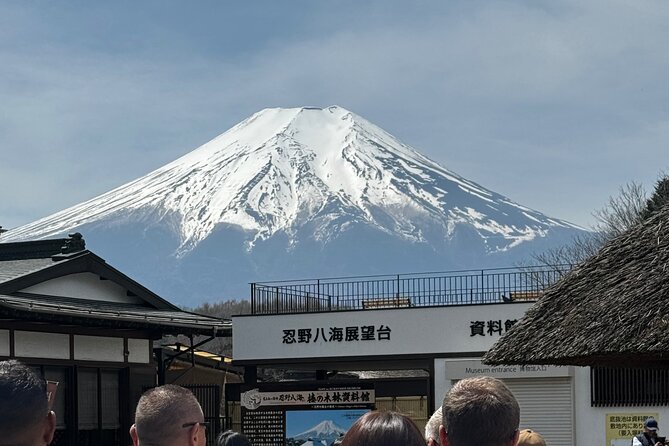
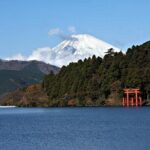
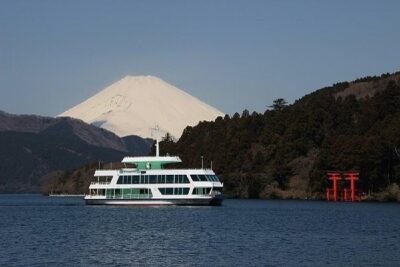
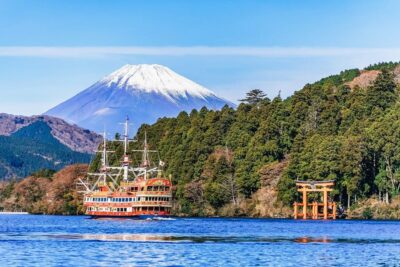
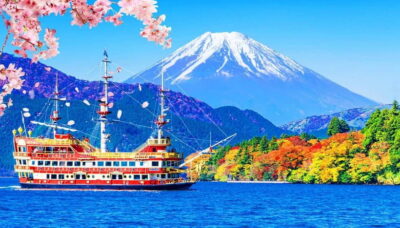
The Hakone portion begins at Lake Ashi, where the famous pirate-style cruise boats cross the water. The lake is also known for views of Mount Fuji and the floating torii gate.
You have about 50 minutes here. The cruise ticket is not included, so you will need to pay separately if you want to ride. The schedule is tight, and the cruise may use most of the allotted time.
This stop brings a different mood to the trip. Lake Kawaguchiko is tied closely to Fuji, while Lake Ashi adds Hakone’s boat scenery and the torii gate. A cruise can also give you a welcome chance to sit after a morning of walking.
Fog can change the view. One account of the experience found the Hakone gondola area foggy, though the Ashi cruise was still described as beautiful and relaxing. That is a useful warning: Hakone can remain enjoyable even when the mountain disappears, but you should not pay for optional rides expecting perfect views.
Owakudani Valley and Hakone’s black eggs
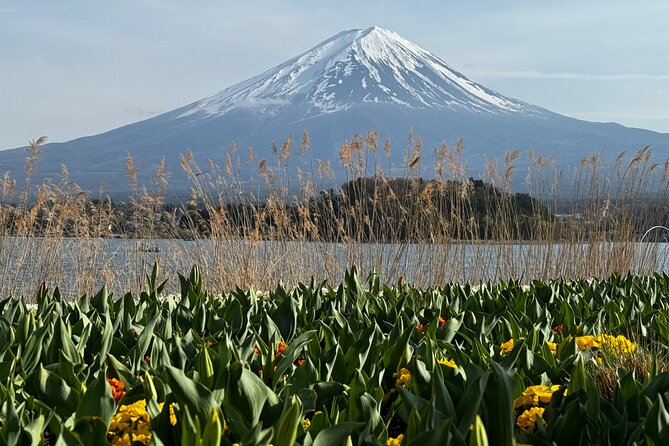
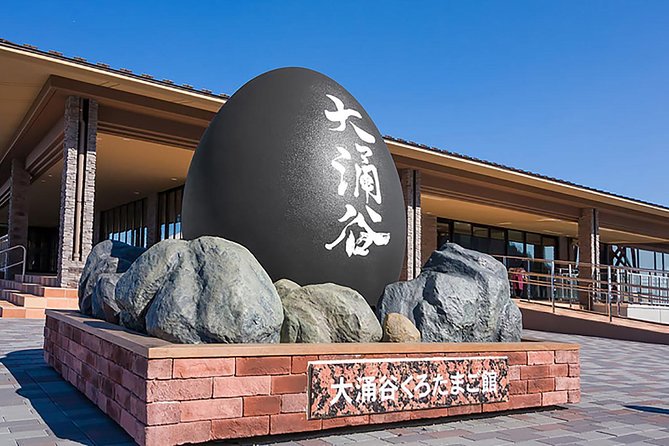
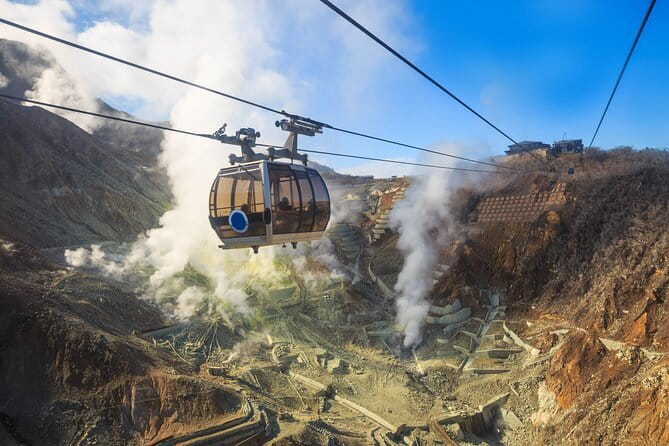
Owakudani Valley is a volcanic zone reached by the Hakone ropeway from Togendai Station. The area has souvenir shops and Hakone’s famous black eggs.
The ropeway and other cable-car tickets are not included. You should also confirm how the private vehicle connects with the ropeway route, since the tour description places the vehicle, boat, and cable-car parts together but does not spell out every transfer.
Owakudani adds a dramatic natural feature to the day. Instead of another lake or shrine, you get volcanic ground, mountain air, and a specialty food associated with Hakone. The stop lasts about an hour.
Again, weather is the key variable. Fog can reduce the views from the ropeway, and conditions may affect what you can see. The valley itself remains the focus, but the visual payoff may be smaller on a cloudy day.
What the private format is worth at $465
The $465 price covers the private vehicle, transportation, and all listed taxes and fees for a group of up to six. It does not cover lunch, optional boat or cable-car tickets, the ¥2,100 Fuji fee, Saiko Iyashi no Sato Nemba admission, or Mt. Fuji 5th Station entry.
For six people, the base price is reasonable for a full day of private transport. You are paying for convenience, flexibility, and the ability to keep the group together. You also avoid planning a complicated route across the Fuji Five Lakes and Hakone areas.
For two people, the price is harder to justify unless private transport is your main priority. Public transportation may cost less, but it would not offer the same direct routing or private group setting.
The itinerary can be tailored, which gives the price more value. You can ask to favor shrines, viewpoints, boat rides, food, or cultural sites. Still, the tour has many planned stops, so tailoring probably means choosing priorities rather than adding more time.
The guide and the pace of the day
The tour includes English-Hindi bilingual guiding. That can be especially helpful when your group prefers clear explanations in either language. The experience is private, so you can ask questions and discuss timing directly with the guide.
Busal has been praised for being friendly, helping with photographs, and recommending a good lunch restaurant. Those small services matter on a day built around scenic stops. A good photo angle or a well-timed meal can save you from wasting part of the schedule.
The pace deserves equal attention. The listed stops add up to nearly eight hours before driving time, ticket lines, meals, and traffic. Tokyo to Fuji and Hakone is a long road day, so you should expect a full schedule rather than a relaxed country outing.
There is also a caution about the driving experience. One published account enjoyed Hakone, the restaurant, and the Ashi cruise but raised a serious concern about the driver. The details available are incomplete, so I would not treat it as proof of a general problem, but I would confirm the pickup, route, and driver arrangements before departure.
Who should book this Fuji and Hakone outing
I would recommend this tour most strongly for a group of four to six people who want to see as much as possible in one day. Families and friends can share the vehicle cost, set their own priorities, and avoid splitting up across trains and buses.
It also suits anyone who wants English-Hindi support or prefers a guide to handle the day’s movement between scattered sights. The private format is useful if your group has its own pace or wants help with photos and lunch.
I would be more cautious if you dislike early starts, long road days, stairs, or optional-ticket decisions. You may also prefer a shorter tour if your main goal is a quiet lake visit or a single Fuji viewpoint.
The tour carries a 4.7 out of 5 rating from 10 ratings, with a 90 percent recommendation figure. That is encouraging, but the small number of ratings means I would focus just as much on the practical limits: weather, traffic, pace, and extra charges.
My booking advice
Book this tour if you want a private, broad look at Fuji and Hakone and you have enough people to share the $465 cost. Its strongest features are the private transport, flexible planning, bilingual guide, and unusual mix of natural, cultural, and scenic stops.
Before paying, decide which two or three sights matter most. If Fuji views are your top goal, ask about weather flexibility. If you want the Ashi cruise or Kachi Kachi ropeway, ask how the guide will fit those tickets into the 10-hour day.
I would skip it if you want an unhurried visit or if the optional costs push the budget too high. For the right group, though, this is a practical way to cover a large part of the Fuji and Hakone area without having to manage the route yourself.
FAQ
Where does the tour start?
The tour starts at 8:30 am in Tokyo. Pickup is offered, and the experience is near public transportation. Confirm the exact meeting or pickup location when booking.
How long does the experience last?
The tour lasts about 10 hours.
Is the tour private?
Yes. Only your group participates, and the private vehicle can accommodate up to six people.
Is transportation included?
Yes. Private transportation in an air-conditioned vehicle is included, along with all listed fees and taxes.
Is lunch included?
No. Lunch is not included, so you should budget separately. Local food stalls and restaurants are available during the stops.
Are the boat and cable-car tickets included?
No. Tickets for the Lake Ashi boat, Hakone ropeway, Kachi Kachi ropeway, and other cable-car rides are not included.
Is the Mt. Fuji 5th Station entrance fee included?
No. A ¥2,100 Mt. Fuji entrance fee is listed as an additional cost. Entry to Mt. Fuji 5th Station is also not included.
Is admission to Saiko Iyashi no Sato Nemba included?
No. Admission to Saiko Iyashi no Sato Nemba is not included.
Can the itinerary be changed?
Yes. The itinerary can be tailored to suit your group’s needs. Since the tour lasts about 10 hours, changing the plan may mean giving up or shortening another stop.
More 1-Day Tours in Tokyo


More Hakone Day Trips in Tokyo
More Mt Fuji Day Trips in Tokyo

More tours in Tokyo we've reviewed












Mt Fuji Day Trips, compared.
 ★ 5.0Mt Fuji and Hakone 1-Day Bus Tour Return by Bullet TrainFrom $163
 ★ 4.0Mt Fuji & Hakone Cruise, Drum Show Bullet Train 1 Day from TokyoFrom $149
 ★ 4.4Tokyo Mt Fuji 5th St & Hakone Cruise Bus Tour w/Bullet TrainFrom $15410 hours
 ★ 4.5From Tokyo: Mount Fuji Full-Day Sightseeing TripFrom $6810 hours
 ★ 4.7Tokyo: Mt. Fuji Tour, Hakone Ropeway, Owakudani, Lake AshiFrom $5410 hours
 ★ 4.4Tokyo:Mt.Fuji,Kawaguchiko Oishi Park,Arakurayama Sengen ParkFrom $5410 hours