Reviewed · JDM & CAR CULTURE
Best Price Daikoku Parking Tokyo Drift & APIT Car Meet Tour
Daikoku Parking is the main event: a huge Yokohama meeting point where tuned Japanese cars, classic JDM machines, and modern street cars gather in a setting that feels strikingly close to a Tokyo Drift film scene. The important detail is the local guide. Takeshi and Toshi are tied to the drifting and tuning community, so you are not simply being driven to a car park and left to wander.
In This Article
- Key points to know before booking
- Why Daikoku Parking is worth the trip
- A local guide changes the experience
- APIT is the right opening stop
- The ride in a modified Lexus LS
- What your hour at Daikoku feels like
- The return past Rainbow Bridge and Tokyo Tower
- Is $133 a fair price?
- Weather, timing, and realistic expectations
- Who will enjoy this most?
- Booking advice for a smoother outing
- Should you book it?
- FAQ
- Where does this tour take place?
- What is included in the $133 price?
- How long do you spend at Daikoku Parking?
- Who leads the tour?
- Is the tour conducted in English?
- What vehicle is used for transportation?
- Can the tour pick me up at my preferred location?
- Can the tour be shared with other people?
- What happens in bad weather?
I like the door-to-door pickup, especially when Tokyo transport feels tiring after a long day. I also like the stop at APIT, where you can browse parts, clothing, books, toys, and car gadgets before seeing the cars themselves. The main consideration is timing: you spend about one hour at Daikoku, and the cars present can vary greatly by day. Heavy rain or snow cancels the tour.
Key points to know before booking

- Daikoku Parking is the centerpiece: You get about one hour at Yokohama’s famous JDM meeting spot.
- APIT adds useful context: Browse Japanese car parts, apparel, books, toys, and accessories before the car meet.
- Takeshi and Toshi are local guides: The guiding team comes from the Daikoku and drift-car community.
- Pickup is flexible: The tour can collect you at your preferred pickup location, with transport in a modified Lexus LS or Honda wagon.
- The return route is part of the fun: You pass Rainbow Bridge and Tokyo Tower on the way back.
- The $133 price buys convenience: Transportation, guiding, and private-tour service are included, though shared rides may happen with multiple bookings.
Why Daikoku Parking is worth the trip

Daikoku Parking is not a polished auto museum. It is a working parking area in Yokohama that has become a meeting point for Japan’s car community. That difference matters. You are seeing cars in a real social setting, not behind ropes or under showroom lights.
On a good visit, you might find Japanese sports cars, tuned street cars, older JDM models, and unusual builds gathered in the same area. The exact mix is never fixed, which is part of the appeal and part of the risk. A car meet changes with the day, weather, and local turnout.
The setting also gives the experience its edge. Daikoku is associated with the Greater Tokyo Area’s car culture and has become a must-see stop for people interested in tuning, drifting, and Japanese performance cars. The scene can feel casual and social rather than staged for tourists.
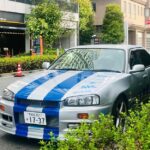
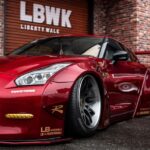
You should keep your expectations sensible. No tour can guarantee a particular Nissan Skyline, Mazda RX-7, Toyota Supra, or drift car on a specific night. What you are paying for is access, transport, local explanation, and a better chance of understanding what you are seeing.
A few more Tokyo tours and experiences worth a look

A local guide changes the experience
The strongest part of this outing is the guide’s connection to the local scene. Takeshi is described as a true Tokyo drifter who knows the community from inside, while Toshi is praised for being sociable and easy to talk with. The provider also offers drift rides and lessons, so the guides operate beyond simple sightseeing.
That connection gives you someone to ask about the cars, the people, and the culture around the meeting point. You can ask what makes a build interesting, why certain cars attract attention, or how drifting and tuning fit into modern Japanese car culture.
The guides speak English and Japanese. That is especially useful at APIT, where the products and signs may not always be easy to understand. The tour is not just a ride to Daikoku. It is a chance to have a local explain what you are looking at.
The personal side matters, too. A small talk-filled drive can be a welcome change from a formal tour. One guest used the time to get food advice and an onsen suggestion for Hakuba. That detail shows the wider value of a local guide: you may get practical Japan advice along with car talk.
APIT is the right opening stop

The first stop is APIT, described as the largest auto store in the Tokyo area. Think of it as a broad retail base for Japanese car culture, with car parts, clothing, books, toys, gadgets, and other related items.
I like beginning here because it gives you a vocabulary for the rest of the outing. Even if you know little about performance cars, the shelves and displays help show how large the car hobby is in Japan. If you already follow JDM culture, this is a chance to browse products that may be hard to find at home.
APIT also has interesting cars parked nearby, so the car viewing begins before Daikoku. That helps on a quieter meet night, since you are not depending entirely on the parking area for your first look at Japanese cars.
Allow yourself time to browse rather than treating APIT as a quick restroom stop. You might find apparel, car books, toys, parts, or small souvenirs that appeal to someone who does not want a standard Tokyo gift. The drawback is that an auto store will be more exciting for a car fan than for a companion who has little interest in cars.
The ride in a modified Lexus LS

Pickup and drop-off are provided in a modified Lexus LS or a Honda wagon for a larger group. The vehicle itself is part of the experience. A modified Lexus fits the mood far better than a plain shuttle bus, and the drive gives you time to speak with the guide.
The tour can pick you up at your preferred location, which makes the outing easier to fit into a Tokyo schedule. You do not need to build a separate route to Yokohama and then work out how to return after the meet.
There is one practical limitation. If several bookings overlap, you may be asked to share the ride with other people. The tour is described as private, but that does not always mean you will have the vehicle entirely to yourself in every booking situation. Ask about the arrangement if privacy is important to you.
The vehicle used can also depend on group size. The Lexus LS suits a smaller party, while the Honda wagon handles a larger group. The supplied details do not give an exact maximum group size, so confirm the seating setup if you are booking with several people.
What your hour at Daikoku feels like

You spend about one hour at Daikoku Parking. That is enough time to walk around, look at the cars, take photographs, and talk with the guide, but it is not an all-evening car meet session.
The one-hour limit keeps the outing focused. You see the main meeting point without giving up your entire night, and you still have the return drive through Tokyo. For many visitors, that is a good balance.
Still, serious car fans may want more time. The provider also offers other car-related activities, including drift riding and drift lessons, so you can ask about extending the experience or adding another activity after booking. The tour is described as customizable, but the exact add-ons are not included in the $133 price unless confirmed separately.
The cars are not guaranteed. A Thursday visit can still produce an enjoyable selection, but the quality and variety depend on who turns up. I would book this for the atmosphere and local access, not for one exact model.

The return past Rainbow Bridge and Tokyo Tower

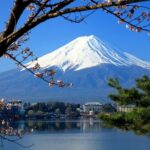
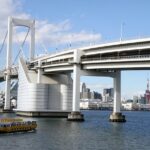
The return route passes Rainbow Bridge and Tokyo Tower, adding a city-viewing element to what could otherwise be a single-purpose car outing. This is a smart route choice because Tokyo at night provides a clear change of mood after Daikoku’s parking-lot energy.
Rainbow Bridge brings a broad view of the Tokyo waterfront, while Tokyo Tower gives you one of the city’s most recognizable sights. The tour details describe the skyline as especially beautiful on the way back. You remain in the vehicle, so this is not a separate sightseeing stop, but it gives you a pleasant final chapter.
Do not book this as a full Tokyo night-view tour. The focus remains Daikoku and the JDM scene. The skyline is an included bonus during transportation, not a long photo session with guaranteed stops.
Is $133 a fair price?

At $133 per person, this is not the cheapest way to look at cars in Japan. You are paying for more than admission to a parking area. The price includes pickup and drop-off, all transportation fees, an English-speaking local guide, the APIT stop, and the Daikoku visit.
That package can be good value if you are staying in central Tokyo and want a simple, guided outing to a place that may be awkward to reach on your own. You also get local context and a driver familiar with the scene. For a first-time visitor, that convenience can be worth more than trying to arrange multiple trains, taxis, or a rental car.
The value is strongest for two or more people who share a clear interest in Japanese cars. The price may feel high if you only want a quick look at a parking area or if you already know Yokohama and can arrange your own transport.
The experience also has a personal-service element. Pickup can be arranged at your preferred location, and the guide can discuss other car activities after booking. That flexibility makes the cost easier to justify for someone who wants a custom car-focused evening.
Weather, timing, and realistic expectations

Heavy rain or snow cancels the tour. That rule makes sense because the visit depends on outdoor car viewing and the drive may be unpleasant in poor weather. Keep your schedule flexible around the forecast.
The supplied details do not state the full tour duration or a fixed departure time. That means you should confirm the pickup time and expected return when you book. You should also ask which guide is scheduled, whether the ride will be shared, and how much time is planned at APIT.
The car meet itself is unpredictable. That is not a flaw unique to this experience. Any real gathering changes from day to day. A quiet night does not mean the tour failed, and a busy night cannot be promised in advance.
For the best mindset, treat Daikoku as a local scene rather than a guaranteed car show. You may see a strong mix of street cars, talk with people who enjoy the same hobby, and learn how the community works. You may also find that the selection is more modest than expected.
Who will enjoy this most?

I would recommend this to anyone who follows JDM cars, drifting, tuning, Japanese motorsport, or the culture shown in Tokyo Drift. It also suits casual visitors who want one unusual Tokyo-area evening and prefer a guide to explain what they are seeing.
Families and mixed groups can enjoy it if the non-car fans are happy with a retail stop and a scenic drive. The APIT visit gives them something to browse, while the skyline route adds a more familiar Tokyo sight.
This is less suitable if you want a museum-style display, guaranteed access to rare cars, a long driving experience, or a full night of drifting. The standard outing centers on APIT, roughly one hour at Daikoku, and the return drive.
If drifting is your main goal, ask about the provider’s drift riding experience or lessons. Those are separate car activities, but they may fit better than a viewing tour alone.
Booking advice for a smoother outing
Book with enough time to confirm the pickup point and vehicle. You can request pickup at your preferred location, but the exact arrangements should be clear before the day begins.
Ask whether you will ride only with your own group. Multiple bookings can lead to shared transportation, even though the tour is presented as private. This matters most if you are booking for a couple or a small family and expect a fully private car.
You can reserve now and pay later, which helps if your Tokyo schedule is still changing. Cancellation is free up to 24 hours in advance, according to the supplied booking terms. Weather cancellations are handled when heavy rain or snow makes the outing unsuitable.
The tour has a 5 rating from 46 reviews, with especially strong praise for guide service, punctuality, driving, local car knowledge, and the friendly mood of the outing. Those are the parts I would value most here. The cars may change, but a good guide can make a quieter night worthwhile.
Should you book it?
Book this tour if you want local access to Daikoku, convenient pickup, and a guide who can talk about Japanese car culture in English. The APIT stop, modified Lexus or Honda wagon, and Tokyo skyline drive give the outing more shape than a simple transfer to a parking area.
Skip it if your only goal is to see a specific car, spend many hours at a meet, or keep the price as low as possible. Daikoku is unpredictable, and the standard visit gives you about one hour there.
For a genuine introduction to Tokyo’s JDM and drift scene, I think the tour makes sense. Go for the people, the setting, and the chance to see what turns up. If the car bug bites hard, ask Takeshi, Toshi, or the assigned guide about adding a drift ride or lesson.
FAQ
Where does this tour take place?
The experience visits APIT and Daikoku Parking in the Greater Tokyo Area, with Daikoku located in Yokohama. The return drive passes Rainbow Bridge and Tokyo Tower.
What is included in the $133 price?
The price includes a local Japanese guide, an English-speaking guide, pickup and drop-off, transportation in a modified Lexus LS or Honda wagon, and all transportation fees.
How long do you spend at Daikoku Parking?
The planned visit at Daikoku Parking lasts about one hour.
Who leads the tour?
The guides are local Japanese members of the Daikoku car meet and local drifting and tuning community. Guides named in the supplied information include Takeshi and Toshi.
Is the tour conducted in English?
Yes. English and Japanese are available, and the tour includes a fluent English-speaking local guide.
What vehicle is used for transportation?
Pickup and drop-off are provided in a modified Lexus LS or a similar vehicle. A Honda wagon may be used for larger groups.
Can the tour pick me up at my preferred location?
Yes. The provider states that pickup can be arranged at your preferred pickup location.
Can the tour be shared with other people?
Possibly. If there are multiple bookings, you may be asked to share the ride with other guests.
What happens in bad weather?
The tour is cancelled in cases of heavy rain or snow. You can also cancel up to 24 hours in advance for a full refund, and the reserve-now, pay-later option lets you avoid paying at the time of booking.
More JDM & Car Culture in Tokyo
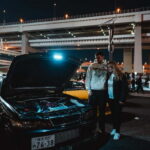
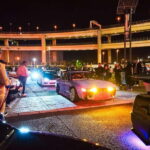
More tours in Tokyo we've reviewed












JDM & Car Culture, compared.
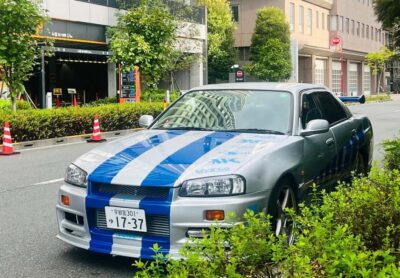 ★ 4.8Tokyo: Fast & Furious Tokyo Drift 3 Experience (Kaila Yu SP)From $157
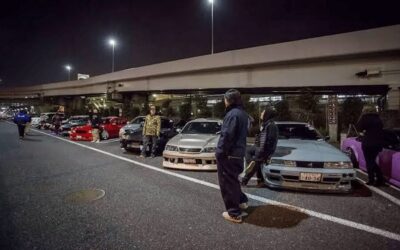 ★ 4.8Tokyo: FAST&FURIOUS EXPERIENCE Daikoku Tokyo Car ClubFrom $157
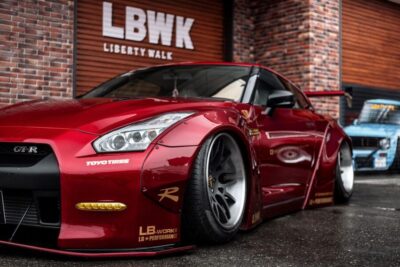 ★ 4.8Tokyo Drift: GT-R Car Club R35 Liberty Walk Daikoku meetingFrom $240
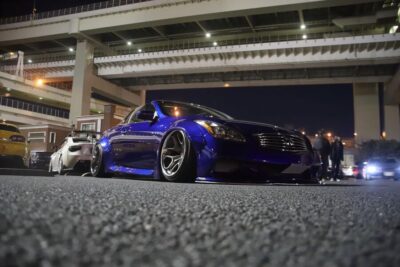 ★ 4.8Tokyo: Daikoku JDM Fast Furious Drift Style Car ExperienceFrom $123
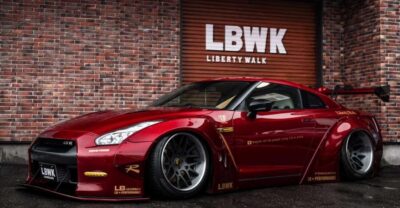 ★ 4.8Tokyo Drift: GO Daikoku Car Meet R34 Skyline Car ClubFrom $246
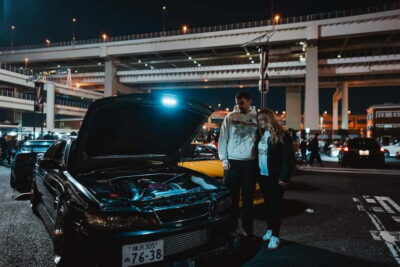 ★ 4.7Tokyo Drift: Daikoku PA Supreme Car Experience 大黒PAFrom $583 hours