Reviewed · MT FUJI DAY TRIPS
Private Tour to Mount Fuji & Hakone with Gotemba Outlets English
Mount Fuji is the star, but the best feature of this day is the freedom to see it from several angles without managing trains, buses, and transfers. You can pair Hakone’s volcanic Ropeway and Owakudani Valley with Fuji viewpoints, or spend more time around the lakes and villages.
In This Article
- Key points to know before booking
- Why a private Mount Fuji day trip makes sense
- Tokyo pickup and the value of private transport
- Hakone Ropeway and the volcanic Owakudani Valley
- Oshino Hakkai and the quiet side of Mount Fuji
- Lake Kawaguchiko for open Fuji views
- Chureito Pagoda and the famous Fuji photograph
- Gotemba Premium Outlets with Fuji in the distance
- How to choose your five stops
- Guides, commentary, and the human side of the day
- Weather, tickets, and the details that affect value
- Who should book this Mount Fuji tour
- FAQ
- How long does the private Mount Fuji and Hakone tour last?
- How many people can join the private tour?
- Does the tour include pickup and drop-off in Tokyo?
- Which costs are included?
- Are lunch and attraction tickets included?
- How many places can I choose?
- Can I focus only on Mount Fuji or Hakone?
- What happens if the weather is poor?
- What is the cancellation policy?
I like the private pickup in Tokyo and the fact that parking, highway tolls, and transport are included. I also like the flexible five-stop plan, which lets you shape the day around scenery, shopping, or Hakone. The main catch is the long road day: traffic can eat into your sightseeing time, and ropeway tickets, lunch, and any pirate ship ride cost extra.
Key points to know before booking
- Five stops are chosen from a larger list, so confirm your preferred combination before the day begins.
- Mount Fuji views depend on weather, and poor conditions can lead to a new date or a full refund.
- Private pickup and drop-off in Tokyo remove the hassle of connecting trains and regional buses.
- Hadi and Kahn are named guides associated with the experience, with Hadi praised for help around Mount Fuji and Lake Kawaguchiko, and Kahn noted for attentive service during heavy traffic.
- The $425 price covers up to three people, plus the vehicle, parking, tolls, and air conditioning, but not lunch or attraction tickets.
- Travel time counts toward the nine-to-ten-hour day, so an early start and sensible stop choices matter.
Why a private Mount Fuji day trip makes sense
Mount Fuji and Hakone look close on a map, but seeing both by public transport in one day takes careful planning. You would need to coordinate Tokyo rail connections, local buses, sightseeing routes, and weather. A private vehicle gives you a simpler day, especially if your group has three people and wants to avoid carrying bags through several stations.
The tour lasts about nine to ten hours, including driving. That is a full day, but not an endless one. You will not have time to linger at every stop, so the five-place limit is important. The smart approach is to decide what matters most before pickup.
If Fuji photographs are your priority, focus on Oshino Hakkai, Lake Kawaguchiko, and Chureito Pagoda. If you want Hakone’s volcanic sights, choose the Ropeway and Owakudani Valley. Gotemba Premium Outlets works best as a deliberate shopping stop, not as an accidental add-on at the end of an already packed day.
The private format is also useful for families and small groups with different interests. One person can enjoy views, another can browse shops, and everyone can travel together rather than split up on public transport.
A few more Tokyo tours and experiences worth a look
Tokyo pickup and the value of private transport
Pickup and drop-off at your Tokyo accommodation are included. That saves you from making your way to a central meeting point, which is a real benefit when you are already adjusting to Tokyo’s size and rail network.
The vehicle is air-conditioned, modern, and private to your group. Parking fees and highway tolls are also included. These details matter because a day around Fuji involves a lot of road time and several stops where parking charges could otherwise add up.
The price is $425 per group of up to three people. For three, that works out to about $142 per person before lunch and optional admission tickets. For one person, the cost is much harder to justify. For a couple or small family that values comfort, door-to-door service, and flexible sightseeing, the price is more reasonable than it first appears.
The trade-off is road traffic. The route can be slow, particularly when heading toward the Fuji and Hakone areas. Kahn was specifically praised for remaining attentive despite heavy traffic, but no guide can remove congestion. You should think of this as a scenic road day with several stops, not a rapid checklist.
Hakone Ropeway and the volcanic Owakudani Valley
The Hakone Ropeway is one of the day’s most distinctive options. It carries you above Hakone’s wooded hills toward the volcanic area around Owakudani, with views across the valley and, when conditions cooperate, toward Mount Fuji.
The listed visit is about 30 minutes, and the ropeway ticket is not included. That short allocation suggests a ride and quick look rather than a leisurely circuit. If the Ropeway is a must for you, ask how the route will work on the day and allow for ticket purchase and possible waiting time.
Owakudani Valley gets another 40-minute stop. This is the rugged, steaming side of Hakone, shaped by volcanic activity and hot springs. You can expect sulfurous air, steam vents, and rough ground rather than polished gardens or quiet lakeside scenery.
I would choose these two stops together because they belong to the same Hakone experience. Splitting them with faraway Fuji stops can make the day feel rushed. Owakudani is also weather-sensitive. Clouds may hide Fuji, but the volcanic vents still give the area its own character.
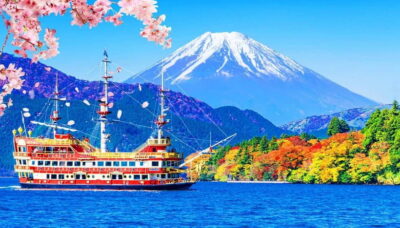
A practical point: the included information names a pirate ship ticket among the exclusions, even though the listed stops do not include a pirate ship ride. If a Lake Ashi boat trip interests you, treat it as an optional extra and confirm the plan and ticket cost before setting out.
Oshino Hakkai and the quiet side of Mount Fuji
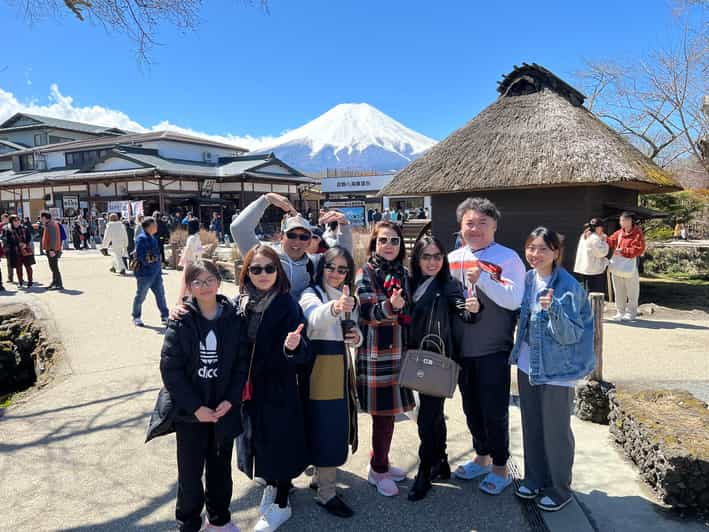
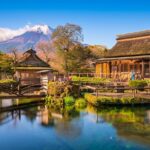
Oshino Hakkai, known as the Village of Eight Ponds, offers a different view of the Fuji region. Instead of a single grand lookout, you get small ponds, village scenery, and a slower sense of place. The water is a central feature, while Mount Fuji may appear behind the settlement when the sky is clear.
The scheduled visit is about 40 minutes. That is enough to walk around, take photos, and sample the setting, but it is not enough for an unhurried exploration. If you enjoy local food and traditional village scenes, this is a useful stop. A previous day with Hadi included a historic village and food, which fits well with what Oshino Hakkai adds to the route.
Do not expect this to feel like a large museum or formal cultural site. Its value comes from the combination of ponds, rural views, and Fuji scenery. The appeal also depends heavily on the weather. On a clear day, the mountain gives the ponds a dramatic backdrop. On a cloudy day, the village still gives you something to see, but the main photograph may be missing.
Lake Kawaguchiko for open Fuji views
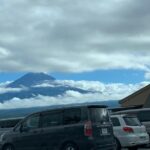
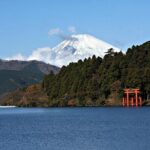
Lake Kawaguchiko is one of the strongest choices if your goal is a broad, classic view of Mount Fuji. The lake gives you open water, mountain scenery, and space for photos. The planned stop is about 40 minutes, so you should arrive with a clear idea of where you want to look and what you want to photograph.
You may also use this stop for lunch, but lunch is not included. That makes Kawaguchiko a practical place to plan a meal if your group wants a break from the car. The supplied details describe the area as suitable for picnics or lunch with views, but you should confirm the exact meal plan with the guide rather than assume a restaurant reservation is part of the tour.
I like the way this stop balances the more dramatic Owakudani visit. Hakone shows volcanic activity, while Kawaguchiko gives you a calm lakeside setting. If you have only one day in the Fuji area, that contrast makes the route feel more varied.
The limitation is time. Forty minutes passes quickly if you need to eat, walk, and take photographs. If Lake Kawaguchiko is your top choice, consider dropping Gotemba or one of the other stops so the lake does not become a rushed photo break.
A few more Tokyo tours and experiences worth a look
Chureito Pagoda and the famous Fuji photograph
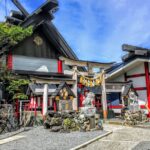
Chureito Pagoda is the most instantly recognizable photo stop on the route. The five-story pagoda sits at Arakura Sengen Shrine, with Mount Fuji often framed behind it. In spring, cherry blossoms add another layer to the view.
The visit is planned for one hour, longer than most other stops. That gives you time to reach the viewpoint, take photographs, and enjoy the shrine setting without treating it as a quick roadside stop. The pagoda itself is free to visit.
There is an important practical point here: the view depends on both weather and visibility. The pagoda will still be there on a cloudy day, but the famous Fuji composition may not appear. If photography is your main reason for booking, place Chureito high on your list, but keep expectations flexible.
This is also a stop where your physical pace matters. The provided details do not specify the number of steps or walking conditions, so you should ask the provider if anyone in your group has mobility concerns. Most people can participate, but the tour information does not promise a fully step-free visit.
Gotemba Premium Outlets with Fuji in the distance
Gotemba Premium Outlets is Japan’s largest outlet mall, with international brands, discounted goods, food, and views toward Mount Fuji. The scheduled stop is one hour, which is enough for a targeted shopping visit but not enough to browse every section at a relaxed pace.
Choose this stop only if shopping is genuinely part of your plan. The mall can be a welcome change after several scenic stops, especially if one member of your group prefers stores to viewpoints. But it can also consume valuable Fuji time if you are trying to fit everything into one day.
The Fuji view from the outlets is a pleasant bonus, not a guarantee. Weather can cover the mountain, and shopping areas are not the same as a dedicated viewpoint. I would select Gotemba when you want discounted brand shopping, food, and a break from sightseeing. I would leave it out when your priority is a fuller Hakone or Kawaguchiko day.
How to choose your five stops
The tour asks you to select five places from the available options. The listed route contains six named attractions, so you should clarify your final five before the tour begins. That one decision has more effect on your day than almost anything else.
For the strongest Fuji-focused plan, I would choose:
- Oshino Hakkai
- Lake Kawaguchiko
- Chureito Pagoda
- One Hakone stop
- Gotemba Premium Outlets only if shopping matters
For a Hakone-focused plan, select the Ropeway and Owakudani together, then add three stops based on your interests. You could include Lake Kawaguchiko for a change of scenery, Chureito for the pagoda view, and Oshino Hakkai for the village setting.
I would not try to give every stop equal weight. The tour is private, so use that advantage. Tell the guide which experience matters most and accept that the others will be shorter. The description also allows you to focus on one location in more detail, which may be the better choice in poor weather or heavy traffic.
Guides, commentary, and the human side of the day
The guide provides commentary during the drive and at the sights, adding context to what you see. That is more useful on a road trip than it may sound. Long transfers become part of the experience, and a guide can help connect the volcanic scenery, village stops, lake views, and shrines.
Hadi is specifically associated with a highly enjoyable private day around Mount Fuji and Lake Kawaguchiko, including a historic village and food. Kahn is associated with attentive service and meeting the group’s needs during difficult traffic. These names give you useful points of reference, but you should confirm your assigned guide when booking or before pickup.
The strongest praise centers on helpfulness and personal attention. That fits the private format, where you can ask for changes instead of following a fixed coach schedule. Still, commentary quality can vary by guide, and the information provided does not promise a certified specialist or a particular language qualification beyond English service.
Weather, tickets, and the details that affect value
This experience requires good weather. If poor conditions force cancellation, you are offered another date or a full refund. That policy protects you from paying for a Fuji day when the mountain is hidden, but it also means you should keep some flexibility in your Tokyo schedule.
Ropeway admission is not included. Lunch is also not included, and a pirate ship ticket is excluded if that option becomes part of your plan. The attraction stops themselves do not carry a separate admission charge in the information provided, but you should still confirm any optional costs before departure.
Free cancellation is available up to 24 hours before the start time for a full refund. Changes or cancellations inside that 24-hour window are not accepted for a refund. The cut-off follows local time, so note the deadline carefully if you are booking from another time zone.
Confirmation is provided at booking. The experience is near public transportation, though the included pickup means you do not need to use it to join the tour. Most people can participate, and only your own group takes part.
Who should book this Mount Fuji tour
I would recommend it to a couple, family, or small group of up to three that wants a private vehicle and a custom day outside Tokyo. It is especially useful if you have limited time in Japan and want to combine several Fuji-area sights without learning a complicated regional transport system.
It also suits people who care about photography. Chureito Pagoda, Lake Kawaguchiko, Oshino Hakkai, and Hakone offer very different compositions, so you get more than one chance at a good Fuji view.
I would be more cautious if you are traveling alone on a tight budget, dislike long drives, or want a slow visit at every stop. The $425 group price makes more sense when shared, and the nine-to-ten-hour schedule requires trade-offs.
Book it if you value private transport, personal attention, and route flexibility more than the lowest possible cost. Skip it if you prefer independent rail travel or want to spend a whole day in just one place. Before paying, confirm your five stops, ask which guide is assigned, and decide how much of the day you want to give to Hakone, Fuji viewpoints, and shopping.
FAQ
How long does the private Mount Fuji and Hakone tour last?
The experience lasts approximately nine to ten hours, and travel time is included in that total.
How many people can join the private tour?
The price covers one private group of up to three people. Only your group participates in the activity.
Does the tour include pickup and drop-off in Tokyo?
Yes. Pickup and drop-off from your accommodation in Tokyo are offered.
Which costs are included?
Private transportation, parking fees, highway tolls, and an air-conditioned modern vehicle are included.
Are lunch and attraction tickets included?
No. Lunch is not included. The Hakone Ropeway ticket is also excluded, and a pirate ship ticket is not included if that option is used.
How many places can I choose?
You are asked to select five places from the available list. Confirm your preferred five stops with the provider before the tour.
Can I focus only on Mount Fuji or Hakone?
Yes. The tour can be customized, and you may choose to focus on one area in more detail instead of trying to cover both.
What happens if the weather is poor?
The experience requires good weather. If it is canceled because of poor weather, you are offered a different date or a full refund.
What is the cancellation policy?
You can cancel up to 24 hours before the experience start time for a full refund. Cancellations or changes made less than 24 hours before the start time are not accepted for a refund.
More Private Tours in Tokyo


More Hakone Day Trips in Tokyo
More Mt Fuji Day Trips in Tokyo

More tours in Tokyo we've reviewed












Mt Fuji Day Trips, compared.
 ★ 5.0Mt Fuji and Hakone 1-Day Bus Tour Return by Bullet TrainFrom $163
 ★ 4.0Mt Fuji & Hakone Cruise, Drum Show Bullet Train 1 Day from TokyoFrom $149
 ★ 4.4Tokyo Mt Fuji 5th St & Hakone Cruise Bus Tour w/Bullet TrainFrom $15410 hours
 ★ 4.5From Tokyo: Mount Fuji Full-Day Sightseeing TripFrom $6810 hours
 ★ 4.7Tokyo: Mt. Fuji Tour, Hakone Ropeway, Owakudani, Lake AshiFrom $5410 hours
 ★ 4.4Tokyo:Mt.Fuji,Kawaguchiko Oishi Park,Arakurayama Sengen ParkFrom $5410 hours