Reviewed · CITY TOURS
Tokyo: Private City Tour with English Speaking Guide
Tokyo makes more sense when you can connect its quiet shrines, giant crossings, food markets, and skyline views in one day. This private tour gives you a comfortable vehicle, central pickup, and an English-speaking driver-guide, making it a practical way to cover a lot of ground without learning Tokyo’s train system first.
In This Article
- Key points at a glance
- A practical first day in Tokyo
- Meiji Shrine offers a quiet start
- Takeshita Street brings a different side of Harajuku
- Shibuya Crossing gives you Tokyo’s famous rush
- Tsukiji Market is the day’s most useful food stop
- The Imperial Palace adds Tokyo’s formal side
- Tokyo Skytree and Tokyo Tower provide two skyline choices
- What the private vehicle changes
- The guide can make or break the day
- Is $485 good value for up to five people?
- Who should book this Tokyo tour?
- Should you book it?
- FAQ
- How much does the private Tokyo city tour cost?
- How many people can join the private tour?
- Is transportation included?
- Is hotel pickup available?
- Which languages are available?
- Which Tokyo sights are included in the planned route?
- Is food included?
- Can the itinerary be customized?
- What is the cancellation policy?
I like the private, adjustable route, especially for a first visit. I also like the air-conditioned car, a real comfort during Japan’s hot summer, plus the chance to sample Japanese street food at Tsukiji Market. The main concern is consistency: one guest found that two stops were missed, lunch became a quick convenience-store visit, and the tour ended before its stated ten-hour allocation.
Key points at a glance
- Tsukiji Market adds food to the sightseeing: Plan for Japanese street food, but confirm exactly what meal is included.
- The route covers old and new Tokyo: Meiji Shrine, the Imperial Palace, Takeshita Street, Shibuya Crossing, Tokyo Skytree, and Tokyo Tower are all part of the planned sightseeing.
- A private vehicle saves energy: You can move between far-flung districts in air-conditioned comfort rather than making several train changes.
- Customization is a real selling point: Tell the operator your priorities in advance, since same-day changes may not be included.
- Guide quality matters here: Sam and other English-speaking drivers have been praised for courtesy and help, but the experience can depend heavily on the assigned guide.
- The price works best for a full group: At $485 for up to five people, the cost is much easier to justify when shared.
A practical first day in Tokyo
This is a sightseeing day built around Tokyo’s big contrasts. You can begin with a peaceful shrine, move through shopping streets and modern districts, stop for food, and finish with a high city view. That mix is the tour’s strongest idea.
Tokyo’s sights are spread across a large city. Meiji Shrine, Takeshita Street, Shibuya, Tsukiji, the Imperial Palace, Tokyo Skytree, and Tokyo Tower do not form one compact walking route. A private vehicle lets you cover more territory, though traffic can still affect the pace.
The tour is designed for up to five people in one private group. That is a useful size for families or friends who want one shared itinerary. You are not waiting for strangers, and you can tell the driver which sights matter most.
The advertised experience is a full day, with one account referring to a ten-hour allocation. Before booking, I would confirm the start and finish times, the exact pickup point, and the order of the stops. Those details matter because a long list of Tokyo sights can become rushed if the day starts late or traffic is heavy.
Other guided tours in Tokyo
Meiji Shrine offers a quiet start
Meiji Shrine is the natural calm before the city’s louder districts. Set near Harajuku, it gives you a first look at Shinto traditions and the role of sacred spaces in modern Tokyo.
The appeal is not only the shrine building. The approach through wooded grounds provides a break from traffic and tall buildings. Your guide can help explain customs such as respectful behavior at the entrance and how to approach the shrine.
This is also a good stop for first-time visitors because it needs context. Without a guide, you might simply see a large shrine gate and a broad path. With clear explanations, the visit can help you understand why Tokyo protects quiet religious spaces beside busy shopping areas.
Keep your expectations sensible. This is a cultural visit, not a long temple tour. The available information does not give a detailed stop length, so ask how much time is planned here if Meiji Shrine is a priority.
Takeshita Street brings a different side of Harajuku
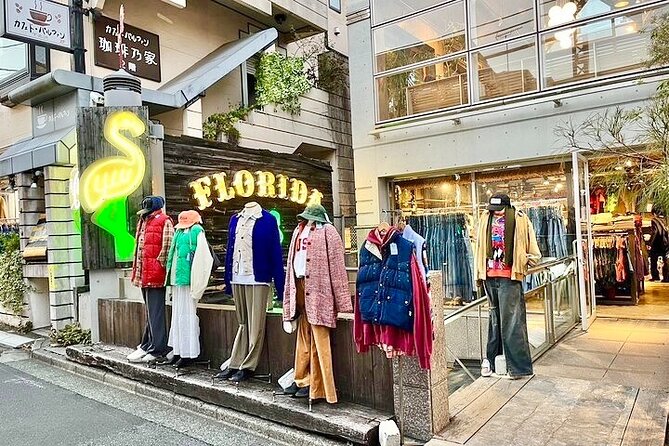
A short distance away, Takeshita Street changes the mood completely. It is known for youth fashion, colorful shops, and snack stops, making it a useful counterpoint to Meiji Shrine.
You may find this part of the day more energetic and commercial than traditional. That is the point. Tokyo is not one neat historical center, and this stop shows how old customs and current street culture sit side by side.
The tour description refers to authentic Japanese street food, with Tsukiji Market named as the main food stop. Takeshita Street may offer quick bites or shopping opportunities, but you should not assume every snack is included. Personal purchases and extra food are your responsibility.
If you have a specific interest in fashion, character goods, or local snacks, mention it before the tour. The route is described as flexible, but changes requested on the day may not be covered.
Shibuya Crossing gives you Tokyo’s famous rush
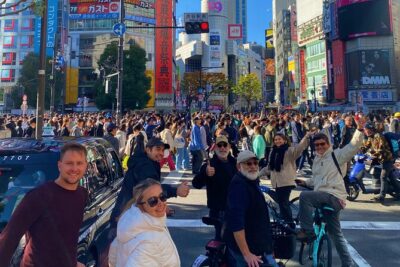
Shibuya Crossing is one of the city’s easiest sights to understand at a glance. When the signals change, people move across the intersection from several directions, with huge screens and tall buildings surrounding the scene.
The stop works well on a first Tokyo visit because it delivers a clear sense of the city’s scale and pace. You can take photos, watch the flow of people, and then move on without spending hours there.
A private car is useful for getting to Shibuya, but it does not remove the need to walk. Wear comfortable shoes, as requested by the operator, and expect to leave the vehicle for the main sights.
The information does not promise a specific viewing platform or a set amount of free time. If you want a particular photo angle or a longer visit in Shibuya, ask for that when arranging your itinerary.
Tsukiji Market is the day’s most useful food stop
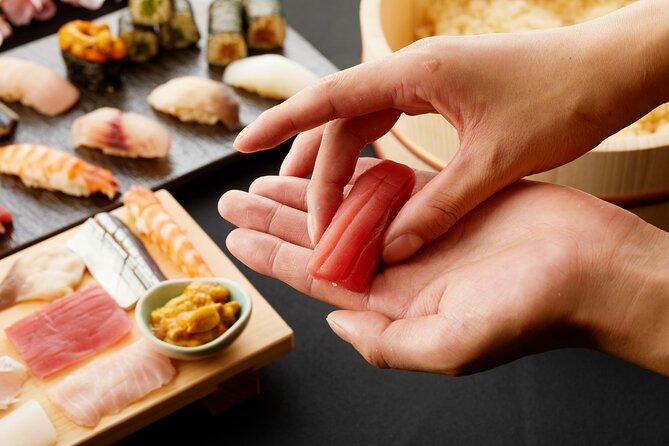
Tsukiji Market is where the sightseeing becomes more hands-on. The area is associated with seafood, small food counters, and Japanese market culture. The tour plans time for real street food, so this is the stop where your credit card or cash will be most useful.
I would treat the food plan as something to clarify, not something to take for granted. One account expected lunch at the fish market but instead had only a quick stop at a 7-Eleven. That is a significant difference, especially on a full-day tour.
Ask three direct questions before departure: Is a meal included, or are you only given time to buy food? How much time is reserved at Tsukiji? Can dietary restrictions be accommodated? The operator asks you to report dietary needs in advance, which is helpful, but the supplied details do not identify a fixed menu or food allowance.
The order of this stop may also change. One itinerary reportedly placed Tsukiji at the beginning rather than in the middle as a lunch break. That does not automatically make the tour poor, but it changes how you plan breakfast and lunch. If Tsukiji is important to you, make it a firm request.
Other city tours we've reviewed in Tokyo


The Imperial Palace adds Tokyo’s formal side
The Imperial Palace introduces Japan’s modern royal center and the formal heart of the capital. It is a useful contrast to Shibuya and Harajuku, where the focus is shopping, youth culture, and crowds.
The tour includes the Imperial Palace among its featured landmarks. Still, you should ask what the stop involves. A palace-area visit can mean exterior views and surrounding grounds rather than entry into every building. The information does not specify a detailed admission route.
This is one reason a guide can add value. A short explanation about the palace and Tokyo’s political center gives the stop more meaning than a quick photograph from the car. If you want a longer historical visit, confirm whether the standard route allows it or whether it counts as an optional addition.
Tokyo Skytree and Tokyo Tower provide two skyline choices
The plan includes views of both Tokyo Skytree and Tokyo Tower. They show different sides of the city, and seeing both can make the skyline portion more satisfying than visiting only one observation point.
Tokyo Skytree is the taller, more modern landmark, while Tokyo Tower has a more recognizable connection to postwar Tokyo. The tour description promises panoramic views of the skyline, but it does not clearly say that observation-deck admission is included at both sites.
That distinction matters. Admission to featured attractions is listed as included, while entrance fees for optional or extra attractions are excluded. Ask whether the plan is for exterior photo stops or entry to an observation deck. Do not assume that a landmark mentioned in the route automatically means a ticket to the top.
There is also a specific warning from one experience: Tokyo Tower was skipped, and the guest felt the guide was not prepared to explain the change. If you care about Tokyo Tower, name it as a must-see in advance and confirm that it remains on the route.
What the private vehicle changes
The air-conditioned vehicle is more than a luxury in summer. Tokyo’s heat and humidity can wear you down, and moving between districts by car gives you a place to cool off between walks. One guest specifically praised the spacious car and air conditioning during the Japanese summer.
The private setup also helps families, older visitors, and small groups who do not want to manage several train transfers. You can keep the day together and avoid the stress of navigating stations while trying to stay on a tight sightseeing schedule.
There are tradeoffs. Tokyo traffic can be slow, and a car cannot take you through pedestrian areas. You will still walk at Meiji Shrine, Takeshita Street, Shibuya, Tsukiji, and other stops. Large bags and luggage are not allowed in the vehicle, so leave suitcases at your hotel.
Pickup is described as available from central Tokyo meeting points, and the overview also refers to hotel pickup. Since those two descriptions are not identical, confirm your exact address and whether it qualifies. Flexible pickup time is available by arrangement.
The guide can make or break the day
The strongest guide feedback centers on politeness, help, and clear English. Sam is specifically praised for being courteous and helpful, and another booking had two drivers with strong English skills. The listed languages are English and Hindi.
That matters because this tour depends on explanation, not just transport. Tokyo’s shrines, palace grounds, market customs, and neighborhood changes are easier to appreciate when someone explains what you are seeing.
At the same time, the guide experience may vary. One account described limited local knowledge, little to no Japanese ability, long periods spent on a phone, and difficulty locating the guide during stops. That is not a small complaint on a private tour, where personal attention is the main reason to pay more.
I would send a short priority list before the day: must-see landmarks, preferred food stops, desired pace, and any places you do not want skipped. Ask who will guide the group and confirm that the person is responsible for both driving and commentary.
Is $485 good value for up to five people?
The total price is $485 per group of up to five. At full capacity, that works out to $97 per person. For a family or group of friends, that can be fair for a full day of private transport, an English-speaking driver-guide, central pickup, taxes, and service fees.
For one or two people, the calculation is less attractive. You are paying for privacy and convenience rather than a low-cost introduction. A couple who is comfortable using Tokyo’s trains may see better value elsewhere, especially if they prefer to spend a full day in one or two districts.
The included admission wording is worth checking carefully. Featured attractions are included, but optional or extra attractions are not. Meals beyond what is provided, drinks, personal purchases, luxury vehicle upgrades, and same-day itinerary changes cost extra.
The best value comes when you fill the vehicle and use the customization well. The weakest value comes when the route is shortened, a key stop is skipped, or lunch is reduced to a convenience-store visit. Confirm the practical details before paying, not after the car arrives.
Who should book this Tokyo tour?
I would consider this tour for a first visit when you want to see many major districts in one day and prefer a private car to public transport. It also suits families, small groups, and anyone who values air conditioning, hotel-area pickup, and a route built around personal priorities.
It is less suitable if you want a slow, specialist-led tour of one subject, such as Japanese food, shrine architecture, or imperial history. It may also disappoint if you expect every landmark to include an observation-deck ticket or a long guided visit.
Bring comfortable shoes, cash, a credit card, weather-appropriate clothing, and a passport or identification card. A copy is accepted. Smoking, alcohol, drugs, littering, and alcoholic drinks in the vehicle are not allowed.
You can reserve now and pay later, and cancellation is allowed up to 24 hours before departure for a full refund. Tell the operator about accessibility needs, dietary restrictions, and extra requests in advance.
Should you book it?
Book this private Tokyo tour if your main goal is to get your bearings quickly, cover the city’s best-known sights, and travel comfortably between districts. The combination of Meiji Shrine, Harajuku, Shibuya, Tsukiji, the Imperial Palace, and skyline landmarks gives you a broad first look.
I would book with written confirmation of four points: the full ten-hour schedule, the exact stops, the Tsukiji lunch plan, and whether Tokyo Tower and Tokyo Skytree involve entry or only outside views. If the operator confirms those details and you are traveling with three to five people, the price can make sense.
If you want a guaranteed long market lunch or a deeply local guide, proceed more carefully. The private format is promising, but the day’s quality depends on the assigned driver and how closely the route is followed.
FAQ
How much does the private Tokyo city tour cost?
The tour costs $485 per private group of up to five people.
How many people can join the private tour?
One private group can include up to five people.
Is transportation included?
Yes. Air-conditioned transportation is provided throughout the tour.
Is hotel pickup available?
Pickup and drop-off are available from central Tokyo meeting points, and the tour information also refers to hotel pickup. Confirm that your specific hotel qualifies.
Which languages are available?
The listed languages are English and Hindi.
Which Tokyo sights are included in the planned route?
The planned sightseeing includes Meiji Shrine, Shibuya Crossing, Tsukiji Market, the Imperial Palace, Takeshita Street, Tokyo Skytree, and Tokyo Tower.
Is food included?
The experience includes time for Japanese street food at Tsukiji Market, but additional meals and drinks beyond what is provided are not included. Confirm the exact lunch arrangement in advance.
Can the itinerary be customized?
Yes. Route customization and flexible pickup times are available by arrangement. Changes requested on the day of the tour may not be included.
What is the cancellation policy?
You can cancel up to 24 hours in advance for a full refund.
More Private Tours in Tokyo

More City Tours in Tokyo
More Guided Tours in Tokyo
More tours in Tokyo we've reviewed












City Tours, compared.
 ★ 4.8Tokyo: Private City Highlights Tour with Local GuideFrom $1064 - 8 hours
 ★ 4.8Tokyo: 3-Hour Bike or E-Bike City Highlights TourFrom $453 hours
 ★ 4.8Tokyo: Sumo Morning Practice Tour at Sumida CityFrom $1162 hours
 ★ 4.5Private Haneda Airport (HND) to Central Tokyo City TransferFrom $119
 ★ 4.8Tokyo: 3-hour Guided E-Bike Tour of the City’s Hidden GemsFrom $65
 ★ 5.0Tokyo: 3-Hour Bike/E-Bike Tour of the City’s HighlightsFrom $63